ການຜະລິດດິນຈີ່ຄອນກຣີດ: ອົງປະກອບວັດສະດຸ ແລະ ນະວັດຕະກໍາ
ອົງປະກອບຕົ້ນຕໍຂອງບລັອກຄອນກຣີດສະໄໝໃໝ່
ລູກປັ້ນຄອນກຣີດ, ທີ່ຮູ້ຈັກກັນໃນນາມ ໜ່ວຍກໍ່ສ້າງຄອນກຣີດ (CMUs), ຖືກຜະລິດຈາກສ່ວນປະສົມທີ່ຖືກຕັ້ງສ່ວນຢ່າງລະມັດລະວັງ ເພື່ອສ້າງຄວາມສົມດຸນລະຫວ່າງຄວາມແຂງແຮງ, ຄວາມສາມາດໃນການນຳໃຊ້, ແລະ ດ້ານເສດຖະກິດ.
1. ຜະລິດຕະພັນຊີເມັງ: ກາວປະສົມຂອງລະບົບ
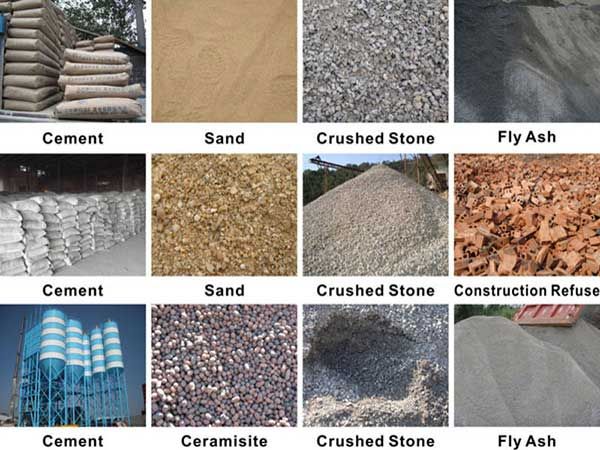
- ຊີມັງປອກແລນ (ປະເພດ I, II, IP):ສານປະສົມຫຼັກໃນສ່ວນປະສົມສ່ວນໃຫຍ່. ປະເພດ I (ທົ່ວໄປ) ແມ່ນໃຊ້ທົ່ວໄປ, ໃນຂະນະທີ່ປະເພດ II ມີຄວາມທົນທານຕໍ່ຊູນຟາດໃນລະດັບປານກາງ, ເຊິ່ງສຳຄັນໃນສະພາບດິນບາງປະເພດ. ຊີແມັດຈະມີປະຕິກິລິຍາໄຮໂດຼລິກກັບນ້ຳ, ສ້າງໂຄງສ້າງແບບຜັດທະພັນທີ່ຈັບກັບສ່ວນປະສົມຕ່າງໆໃຫ້ເຂົ້າກັນ.
- ວັດຖຸປະສົມຊີແມັດສ່ວນເສີມ (SCMs)ສິ່ງເຫຼົ່ານີ້ເປັນສ່ວນທີ່ສຳຄັນຍິ່ງຂື້ນໃນການຜະສົມຜະສານທີ່ທັນສະໄໝ, ຊ່ວຍຫຼຸດຕົ້ນທຶນ ແລະ ຜົນກະທົບຕໍ່ສິ່ງແວດລ້ອມ.
- ຂີ້ເທົ່າບິນ (Class C ຫຼື F):ຜົງລະອຽດທີ່ເປັນຜົນພົວພັນຈາກການເຜົາໄຫມ້ຖ່ານຫີນໃນໂຮງງານໄຟຟ້າ. ມັນຊ່ວຍເພີ່ມຄວາມສາມາດໃນການປະຕິບັດງານ, ຫຼຸດຜ່ອນຄວາມຕ້ອງການນໍ້າ, ແລະ ຊ່ວຍເພີ່ມຄວາມແຂງແຮງໃນໄລຍະຍາວ ແລະ ຄວາມທົນທານຜ່ານປະຕິກິລິຍາໂປໂຊລານ.
- ສີມັງຊະນິດຜົງລະອຽດຈາກຕະກຳລຸມເຕົາເຫລັກ (GGBFS)ຜົນຜະລິດຕິດຕາມຈາກການຜະລິດເຫຼັກ. ມັນຊ່ວຍເພີ່ມຄວາມແຂງແຮງໃນອາຍຸຫຼັງ, ຫຼຸດຄວາມຮ້ອນຂອງການກາບກອນ, ແລະປັບປຸງຄວາມຕ້ານທານກັບການທຳລາຍສານເຄມີ.
- ຊິລິກາ ຟິວມ:ຜະລິດຕະພັນທີ່ເຫລືອຈາກການຜະລິດໂລຫະຊິລິໂຄນທີ່ມີອະນຸພາກລະອຽດພິເສດ. ມັນຊ່ວຍເພີ່ມຄວາມແຂງແຮງແລະຫຼຸດຜ່ອນຄວາມສາມາດໃນການຊຶມຜ່ານຢ່າງຫລວງຫລາຍ ແຕ່ຕ້ອງການການອອກແບບສ່ວນຜະສົມຢ່າງລະມັດລະວັງ ເນື່ອງຈາກຄວາມຕ້ອງການນ້ຳສູງ.
2. ເຄື່ອງລວມ: ໂຄງສ້າງພື້ນຖານ
ເມັດສີຂະຫນາດນ້ອຍ (Aggregates) ສ່ວນໃຫຍ່ຈະກວມເອົາ 60-80% ຂອງປະລິມານກ້ອນຕຶກ, ຊຶ່ງໃຫ້ຄວາມອາດທົນ, ຄວາມຄົງຕົວທາງຂະຫນາດ, ແລະ ຄວາມອາດທົນຕໍ່ການກົດດັນ.
- ຫີນສະກັດດີ (Fine Aggregates)ດິນຊາຍທີ່ຖືກຈັດຊັ້ນດີ (ອະນຸພາກທີ່ນ້ອຍກວ່າ 4.75 ມິນລິແມັດ/ຂະແໜງເລກ 4) ຈະເຕີມເຕັມຊ່ອງຫວ່າງລະຫວ່າງມວນລວມຫຍາບ, ເພີ່ມຄວາມດົກໜາແໜ້ນຂອງສ່ວນປະສົມ ແລະ ປັບປຸງພື້ນຜິວໃຫ້ສຳເລັດ. ດິນຊາຍຈາກຂຸມທໍາມະຊາດ ຫຼື ດິນຊາຍທີ່ຜະລິດຂຶ້ນ (ຝຸ່ນຫີນທີ່ຖືກບົດ) ເປັນທີ່ນິຍົມໃຊ້ກັນທົ່ວໄປ.
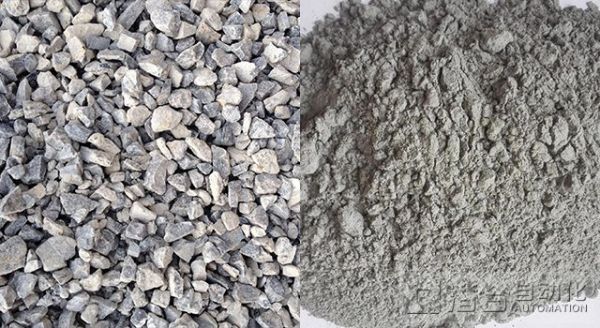
- ວັດຖຸລວມຫຍາບກ້ອນຫີນຫຼືຫີນປະດັບ (ໂດຍທົ່ວໄປແລ້ວຂະໜາດລະຫວ່າງ 4.75ມມ ຫາ 9.5ມມ ສຳລັບກ້ອນຕັນມາດຕະຖານ). ພວກມັນໃຫ້ໂຄງສ້າງທີ່ຮັບນ້ຳໜັກຫຼັກ. ສານປະກອບຕ້ອງມີຄວາມແຂງ, ທົນທານ, ແລະສະອາດ ເພື່ອຮັບປະກັນການເຊື່ອມຕິດທີ່ແໜ້ນໜາກັບສີມັງ.
- ເມັດລວມທີ່ມີນ້ຳໜັກເບົາ:ສຳລັບກ້ອນຕັນທີ່ມີສນວນກັນຄວາມຮ້ອນ ຫຼື ມີຄວາມໜາແໜ້ນຕ່ຳ, ວັດສະດຸເຊັ່ນ: ດິນຈີ່ເຜົາ/ດິນຈີ່ປົ່ງ (ຕົວຢ່າງ: Haydite), ຫີນພູເຂົາໄຟ (pumice), ເປີລາຍ (perlite), ຫຼື ຜົນຜະລິດທາງອຸດສາຫະກຳເຊັ່ນ ຂີ້ເຖົ້າດິນ (bottom ash) ຖືກນຳໃຊ້. ສິ່ງເຫຼົ່ານີ້ຊ່ວຍຫຼຸດນ້ຳໜັກຂອງກ້ອນຕັນ ແລະ ປັບປຸງຄຸນສົມບັດການກັນຄວາມຮ້ອນ.
3. ນ້ຳ: ປະຕິກິລິຍາທີ່ຈຳເປັນ
Water initiates the chemical hydration of cement. Its quality and quantity are critical.
- Quality: Must be potable and free from excessive impurities, oils, acids, or organic matter that can interfere with setting or cause staining.
- Water-Cement Ratio (w/c): This is a key determinant of final strength and durability. For block production, a low “zero-slump” or semi-dry mix is used, with just enough water for complete hydration (typically w/c of 0.35-0.45). This allows immediate demolding and handling of “green” blocks.
4. Chemical Admixtures: Precision Performance Modifiers
Used in small quantities to modify the properties of the fresh or hardened concrete.
- Water Reducers/Plasticizers: Allow a reduction in water content while maintaining workability, thereby increasing strength.
- Set Accelerators: Speed up the early hydration process, allowing faster stripping from molds and early handling strength.
- Air-Entraining Agents: Introduce microscopic air bubbles (for applications requiring high freeze-thaw resistance in severe climates).
- Pigments: Iron oxide pigments (for reds, browns, blacks, yellows) or chromium oxide (for greens) are used for integral coloring of facing blocks or pavers. They are typically added at 1-5% of cement weight.
Sustainable and Alternative Materials for Concrete Blocks
The drive toward circular economy principles is reshaping material sourcing.
- Recycled Concrete Aggregate (RCA): Crushed, processed concrete from demolition sites can replace a portion of virgin aggregate. Proper washing and grading are essential to remove contaminants.
- Post-Industrial Materials: Foundry sand, glass cullet (crushed to appropriate size), and certain quarry byproducts are being successfully incorporated.
- Innovative Binders: Research continues into alkali-activated “geopolymer” cements, which use industrial byproducts (fly ash, slag) activated by an alkaline solution, potentially offering a very low-carbon alternative to Portland cement.
Clay Brick and Block Production: The Alchemy of Earth and Fire
The Foundation: Natural Clay and Shale
Clay products are defined by their geological raw materials, which are mined, weathered, and processed.
1. Types of Clay Minerals
- Surface Clays (Alluvial): Found near the earth’s surface, deposited by water. They are typically a mixture of clay minerals and organic matter. Used for common bricks.
- Shales: Dense, layered clays that have been subjected to geological pressure. They are harder, require finer grinding, and often produce stronger, more durable bricks.
- Fire Clays: Found deeper underground, they have higher alumina content and lower impurities, enabling them to withstand higher firing temperatures. Used for engineering bricks and refractory products.
- Key Clay Minerals:
- Kaolinite: Provides plasticity when wet but is relatively refractory (high fusion point).
- Illite and Montmorillonite: Contribute significantly to plasticity and drying shrinkage.
2. Essential Properties of Clay for Brickmaking
- ຄວາມສາມາດໃນການປັບຕົວ The ability to be molded when wet and retain shape when formed. Governed by clay mineral content and particle size distribution.
- Workability: Related to plasticity but includes how the clay behaves during extrusion or pressing.
- Firing Range: The temperature range over which the clay vitrifies (fuses into a ceramic) without deforming. A wide firing range is desirable for manufacturing control.
- Color: Determined by the mineralogical composition, particularly iron oxide (which gives reds and browns), lime (which can yield yellows), and organic/carbonaceous matter (which can produce blacks/greys under reducing firing conditions).
Additives and Modifiers for Clay Products
Raw clay is almost always modified to improve processing or final product properties.
1. Additives to Control Drying and Firing
- Sand/Grog (Pre-fired, crushed clay): Added as “non-plastic” materials to reduce excessive plasticity, minimize drying shrinkage and cracking, and improve texture. Grog also reduces fired shrinkage and can improve thermal shock resistance.
- Sawdust, Pulverized Coal, or Polystyrene Beads: These are pore-forming agentsຫຼືcombustible additives. They burn out during firing, creating controlled porosity, which reduces weight and improves thermal insulation properties.
- Barium Carbonate: Added in small amounts to scum-prone clays to immobilize soluble salts (like calcium sulfate) that can migrate to the surface during drying and cause unsightly “efflorescence” (white deposits).
2. Surface Treatments and Coatings
- Engobes: A thin, clay-based slurry applied to the surface of the unfired brick for color or texture before firing.
- Glazes: A glass-forming coating applied to the brick surface (often on one face) that fuses into a glossy or matte, impervious layer during firing. Used for architectural effect and enhanced durability.
The Firing Process and Its Material Transformation
The kiln firing process (between 900°C and 1200°C) permanently transforms the chemical and physical structure of the clay.
- Water Smoking (Up to 600°C): Removal of residual mechanical and chemically combined water.
- Oxidation Period (600°C-900°C): Burning out of organic matter and oxidation of iron compounds.
- Vitrification (900°C+): The clay minerals begin to melt and fuse, forming a glassy bond between particles. The fluxing agents in the clay (like iron and alkalis) lower the melting temperature.
- Color Development: Final color is fixed in the high-fire and cooling stages. An oxidizing atmosphere (plenty of oxygen) produces reds (from Fe₂O₃). A reducing atmosphere (limiting oxygen) can produce blacks, blues, or greys (from FeO or Fe₃O₄).
Comparative Analysis and Strategic Implications
Key Differentiators Between Concrete and Clay Systems
- Curing vs. Firing: Concrete gains strength through a low-energy, hydraulic chemical cure. Clay requires a high-energy, pyro-chemical transformation via firing.
- ຄວາມຍືດຫຍຸ່ນຂອງວັດສະດຸ Concrete mixes can be engineered with a vast array of aggregates and SCMs. Clay is more dependent on the specific geology of the deposit, though it can be blended.
- Embodied Energy: Modern concrete block production, especially using SCMs, can have a lower embodied energy than fired clay, which is intrinsically energy-intensive. However, clay brick’s exceptional durability and longevity can offset this over a building’s lifecycle.
Strategic Guidance for Distributors and Procurement Teams
- Regional Sourcing Advantage: Advocate for materials that leverage local resources—local aggregates for concrete or regional clay deposits—to minimize transportation costs and environmental impact.
- Performance-Based Specification: Move beyond generic product categories. Understand how specific material choices (e.g., high-slag cement, specific clay blends) affect performance metrics like compressive strength, freeze-thaw resistance, water absorption, and thermal conductivity.
- Sustainability as a Value Proposition: Develop expertise in the sustainable material options (SCMs, RCA, recycled grog). This allows you to guide clients toward products that meet green building certification criteria (LEED, BREEAM) and appeal to environmentally conscious markets.
- Troubleshooting Support: Material knowledge is key to diagnosing production problems. High drying shrinkage in clay? Perhaps need more sand/grog. Low early strength in concrete blocks? Consider a set accelerator or review cement/SCM balance.
ສະຫຼຸບ
The production of concrete and clay blocks represents two distinct yet sophisticated material science disciplines. Concrete block manufacturing is an exercise in precise engineering—formulating a performance-optimized composite from cement, aggregates, and chemical admixtures. Clay brick manufacturing is an alchemical process—transforming primal earth through water, form, and fire into a durable ceramic. For professionals in the construction supply chain, deep knowledge of these materials is not merely technical detail; it is fundamental to providing value. It enables informed dialogue with producers, facilitates problem-solving, and supports the specification of products that meet exacting structural, aesthetic, and environmental requirements. As material innovation continues to accelerate, particularly in the realm of sustainable alternatives, this expertise will become an increasingly critical differentiator, positioning the knowledgeable distributor or buyer as an indispensable partner in building the future.
FAQ
Q1: Can fly ash or slag completely replace Portland cement in concrete blocks?
A: While high replacement levels (up to 50% or more for slag, 25-40% for fly ash) are common and beneficial, complete replacement with standard SCMs is challenging for block production. The very low water content and need for rapid early strength for demolding typically require at least some Portland cement to initiate the reaction. However, research into alkali-activated “geopolymer” blocks shows promise for 100% Portland-cement-free products, though they are not yet mainstream.
Q2: Why is the particle size distribution (grading) of aggregates so important?
A: Proper grading ensures a dense, strong block. A well-graded mix has a balanced proportion of sizes, allowing smaller particles to fill the voids between larger ones. This minimizes the amount of cement paste needed to bind everything, reduces porosity, increases strength, and improves surface finish. Poorly graded aggregates lead to a harsh, porous mix that is weak and difficult to compact.
Q3: What causes efflorescence on brick and block walls, and how can material choices prevent it?
A: Efflorescence is caused by soluble salts (often from cement, aggregates, clay, or water) migrating to the surface with water and crystallizing as the wall dries. Prevention strategies include: using low-alkali cement and clean, washed aggregates in concrete; adding barium carbonate to susceptible clays; using low-salt mixing water; and most importantly, designing and constructing the building with effective barriers (damp-proof courses, flashings, overhangs) to minimize water ingress into the masonry.
Q4: How does the choice between concrete and clay block materials impact a building’s thermal performance?
A: Both can be engineered for good performance, but through different mechanisms. Clay brick has high thermal mass, absorbing and releasing heat slowly, which can moderate indoor temperatures. Concrete block can be produced with lightweight aggregates (like expanded shale) or designed with specific core geometries to significantly improve its inherent insulation value (R-value). Insulated Concrete Masonry Units (ICMUs) have inserted foam insulation, offering very high thermal resistance. The choice depends on the specific climate and energy code requirements.
Q5: Are there new, innovative materials on the horizon for block production?
A: Yes, several areas are active in research:
- Carbon Capture and Utilization (CCU): Using captured CO₂ to cure concrete blocks, potentially turning them into carbon sinks.
- Bio-based Aggregates: Exploring the use of processed agricultural waste (rice husk ash, hemp hurd) as lightweight aggregates.
- Advanced Recycled Content: Higher and more reliable incorporation of complex construction and demolition waste streams through improved sorting and processing technologies.
- Phase Change Materials (PCMs): Incorporating micro-encapsulated PCMs into blocks to increase thermal mass and passive temperature regulation within buildings.