
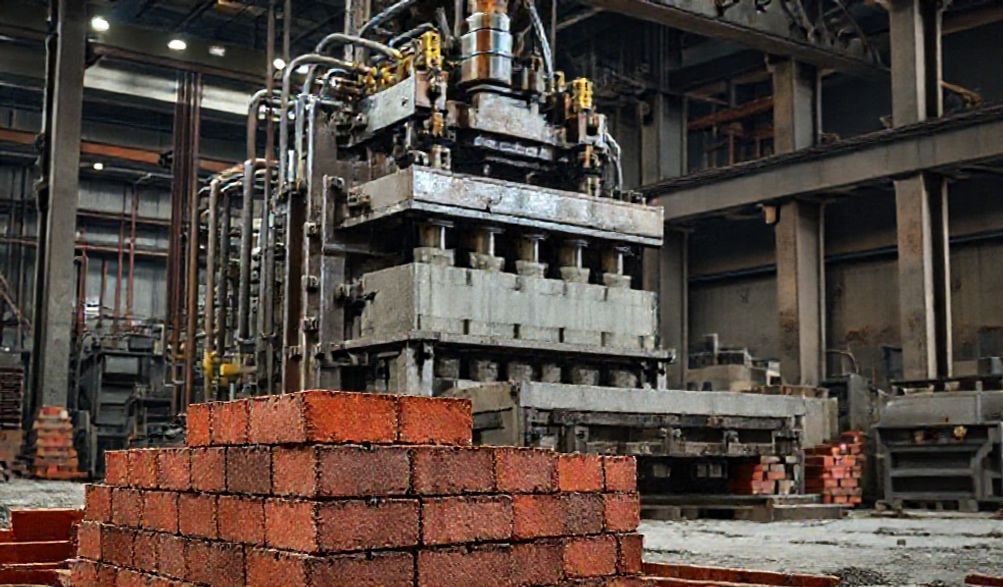
The Ultimate Guide to Stationary Brick Machines: Powering Modern Construction
ການແນະນຳ
In the world of construction and manufacturing, the demand for durable, cost-effective building materials is ever-present. Stationary brick machines stand as a cornerstone technology for producing high-quality bricks, blocks, and pavers on a fixed site. Unlike mobile machines, stationary models are designed for high-volume, consistent production in a dedicated facility.
This guide is crafted from deep industry knowledge to provide a trustworthy, authoritative resource for business owners, construction managers, and entrepreneurs looking to invest in reliable brick production. We will explore the mechanics, advantages, and critical selection criteria to help you make an informed decision that ensures efficiency, quality, and a strong return on investment.
Understanding Stationary Brick Machines
This section establishes foundational expertise by explaining what these machines are and how they operate.
What is a Stationary Brick Machine?
- Core Definition: A stationary brick machine is a fixed industrial plant used to manufacture bricks, hollow blocks, solid blocks, and interlocking pavers. It is installed at a permanent location, typically a factory or production yard.
- Key Differentiator from Mobile Machines: The fundamental difference lies in application and scale. Stationary machines are engineered for large-scale, centralized production, offering superior power, consistency, and automation. Mobile machines are designed for portability, moved directly to construction sites to produce bricks on-location, often for a specific project.
- Basic Operational Principle: The process follows a core sequence: mixing raw materials (like cement, aggregate, and sand), compacting the mix via vibration and/or high pressure, and molding it into precise, uniform shapes before curing.
How Does a Stationary Brick Machine Work?
The magic of a stationary brick machine lies in its repeatable, automated cycle. Here’s a step-by-step breakdown:
Feeding & Mixing
The process begins at the raw material hopper. Ingredients are fed, often via conveyor systems or loaders, into a pan mixer. This crucial component ensures a perfectly homogeneous, damp blend—a prerequisite for consistent brick quality and strength. Proper moisture content is key for optimal compaction.
Molding & Compaction
This is the heart of the operation. The prepared mix is fed into a mold cavity. Here, two primary forces act:
* High-Pressure Hydraulics: In hydraulic machines, immense pressure (measured in tonnes) is applied from above, compressing the material.
* ສັ່ນ Powerful vibration motors shake the mold table, causing the particles to settle densely and eliminating air pockets.
The combination of these forces creates a brick of exceptional density and structural integrity before it is ejected from the mold.
Curing & Palletizing
The freshly molded, “green” brick is then automatically transferred onto a pallet or rack. These pallets are moved to a curing area. Proper curing—maintaining controlled temperature and humidity for a set period—is not just drying; it’s a chemical process essential for the cement to hydrate and achieve its final, rated compressive strength.
Types of Stationary Brick Making Machines
The market offers several types of stationary brick machines, each with distinct advantages. Choosing the right one depends on your product goals and scale.
Hydraulic Stationary Brick Machines
- ພວກມັນເຮັດວຽກແນວໃດ: These machines use hydraulic cylinders as the primary source of compaction force, applying immense, controlled pressure to the material in the mold.
- ເໝາະສົມສຳລັບ: Producing high-strength, precision products like paving stones, kerbstones, retaining wall blocks, and solid concrete blocks where superior density and a smooth finish are critical.
- ຂໍ້ດີ ແລະ ຂໍ້ເສຍ:
- ຂໍ້ດີ: Highest pressure capabilities, excellent for intricate designs and textured finishes, produces very dense and durable products.
- ຂໍ້ເສຍ Higher initial investment, can have a slower cycle time than some vibratory presses, maintenance of hydraulic systems requires specific expertise.
Vibratory Press Stationary Machines
- ພວກມັນເຮັດວຽກແນວໃດ: These machines rely on high-frequency vibration combined with mechanical or lower hydraulic pressure to consolidate the concrete mix. The vibration does most of the work in settling the material.
- ເໝາະສົມສຳລັບ: High-volume production of standard hollow blocks, solid bricks, and interlocking blocks where speed and efficiency for common designs are priorities.
- ຂໍ້ດີ ແລະ ຂໍ້ເສຍ:
- ຂໍ້ດີ: Very fast production cycles, generally more energy-efficient for standard products, often simpler in design and maintenance.
- ຂໍ້ເສຍ May have limitations for producing extremely high-strength products or those with very complex, deep shapes where pure hydraulic pressure is more effective.
Manual & Semi-Automatic vs. Fully Automatic
The level of automation is a critical differentiator that impacts cost, labor, and output.
ເຄື່ອງຈັກຄວບຄຸມດ້ວຍມື/ເຄື່ອງຈັກກໍານົດເຄິ່ງອັດຕະໂນມັດ
These models require significant operator involvement for tasks like feeding raw materials, initiating the molding cycle, and removing finished products. They are a lower-capital entry point.
* ດີທີ່ສຸດສຳລັບ: Small-scale startups, niche product lines, or markets with lower labor costs where initial investment is the primary concern.
Fully Automatic Stationary Plants
These are complete production lines. They feature automated material handling (conveyors, feeders), molding, stacking, and palletizing, all controlled by a central PLC (Programmable Logic Controller) system.
* ດີທີ່ສຸດສຳລັບ: Large-scale commercial production. They deliver the highest output, most consistent quality, and lowest labor costs per brick, offering the fastest return on investment for high-volume operations.
Key Benefits of Investing in a Stationary Brick Machine
Investing in a stationary plant is a strategic decision with clear, long-term advantages.
Unmatched Production Capacity and Consistency
Stationary machines are built for volume. Output can range from thousands to tens of thousands of bricks per 8-hour shift. Because the machine operates from a fixed, level foundation with calibrated systems, every brick in a production run has minimal dimensional variation. This consistency is invaluable for builders and for establishing a reputation for reliability.
Superior Brick Quality and Strength
The stable, powerful compaction process—whether hydraulic or vibratory—results in bricks with higher compressive strength, better durability, and lower water absorption. This directly translates to longer-lasting structures, compliance with stricter building codes, and the ability to command a premium price in the market.
Long-Term Cost Efficiency and ROI
While the upfront cost is higher than mobile or manual options, the cost-per-brick plummets over time. Automation reduces direct labor costs, and the high durability of industrial-grade components minimizes downtime. The efficiency of centralized, continuous production creates a compelling financial model, leading to a strong and predictable return on investment.
Operational Stability and Lower Maintenance
Being permanently installed allows for a proper concrete foundation. This eliminates the stresses and misalignments caused by frequent movement, which is a major source of wear in mobile units. This stability, coupled with easier access for routine servicing, significantly extends the operational lifespan of the machine.
How to Choose the Right Stationary Brick Machine: A Buyer’s Checklist
Selecting the ideal machine requires careful analysis. Use this checklist to guide your decision.
Assess Your Production Requirements
Start by defining your business needs. Ask yourself:
* What is my target daily or monthly output (in bricks/blocks)?
* What specific products will I make (hollow blocks, pavers, solid bricks)?
* What compressive strength (e.g., 7 MPa, 15 MPa, 35 MPa) do my target markets require?
Evaluate Key Machine Specifications
Dig into the technical details. These specs tell the real story.
Pressure Capacity (Tonnes)
This is a primary indicator of potential brick strength. Higher pressure generally means denser, stronger blocks. Match the machine’s pressure rating to the strength requirements of your intended products.
Cycle Time & Production Output
Cycle time is the time to produce one pallet of bricks. Faster cycle times mean higher hourly output. Ensure the machine’s rated output aligns with your business volume goals.
Mold Versatility & Changeover
Can the machine accept different molds? How quickly and easily can molds be changed? If you plan to produce multiple product types, a system with quick mold changeovers is essential for operational flexibility.
Automation Level & Control System
Honestly assess your available labor and technical skill. A fully automatic line reduces labor but requires more technical understanding for operation and troubleshooting. Semi-automatic offers a middle ground.
Consider Power Source and Plant Layout
- ພະລັງງານ Most industrial stationary machines require a robust 3-phase electrical supply. Verify your site’s power capacity.
- Space: This is often underestimated. You need space for:
- The machine itself.
- Raw material storage (sand, aggregate, cement silos).
- Mixing area.
- Curing area (racks or chambers).
- Storage for finished products.
Research Manufacturer Reputation and Support
Your relationship with the manufacturer is a long-term partnership.
Importance of Manufacturer Experience
Prioritize companies with a proven track record of 10, 15, or 20+ years. Their experience translates into more reliable machine design and practical knowledge of what works in real-world production.
After-Sales Service Availability
This is non-negotiable. Ensure the manufacturer or their local agent provides accessible technical support, comprehensive operator training, and a reliable supply of spare parts. The best machine is only as good as the support behind it.
Frequently Asked Questions (FAQ)
Q1: What is the average cost of a stationary brick machine?
A: Costs vary dramatically based on capacity, automation, and brand. Small semi-automatic models can start around $30,000, while large, fully automatic production lines can exceed $250,000. It’s more effective to define your needs and get detailed quotes than to rely on a misleading “average.”
Q2: What raw materials can be used with these machines?
A: They are highly versatile. Common materials include Portland cement, fly ash, slag, sand, gravel, and crushed stone. Some advanced models can also incorporate certain waste materials like processed construction and demolition debris, supporting eco-friendly production.
Q3: How much space is required to install a stationary brick plant?
A: Space needs are holistic. A compact, small-scale plant might fit in 500-1,000 square meters. A large, fully automated plant with all ancillary areas (raw material storage, curing, finished goods) may require 5,000 square meters or more. Always plan for growth and efficient material flow.
Q4: What is the typical lead time for delivery and installation?
A: Lead times vary by manufacturer order book and machine complexity. Typically, expect 30 to 90 days from order confirmation. This period includes final assembly/testing at the factory, shipping, and on-site installation and commissioning by factory technicians.
Q5: How do I ensure the bricks meet local construction standards?
A: The most reliable method is to produce brick samples using your planned mix design and have them tested at a certified local construction materials laboratory. You can then calibrate the machine’s pressure, vibration time, and mix ratios to consistently meet the required standards (such as ASTM, IS, or BS).
ສະຫຼຸບ
Investing in a stationary brick machine is a significant decision that can establish or transform a construction material supply business. By understanding the different types—from robust hydraulic presses to high-speed vibratory systems—and carefully evaluating your production goals, space, and budget, you can select a machine that becomes a reliable asset for years to come.
The key lies in prioritizing not just the initial purchase, but the long-term partnership with a reputable manufacturer known for quality machinery and unwavering support. With the right stationary brick plant, you are well-equipped to produce consistent, high-strength building materials efficiently, meeting market demand and building a foundation for sustainable business growth. Always conduct thorough due diligence, request live demonstrations, and consult with industry experts before finalizing your investment.
<