
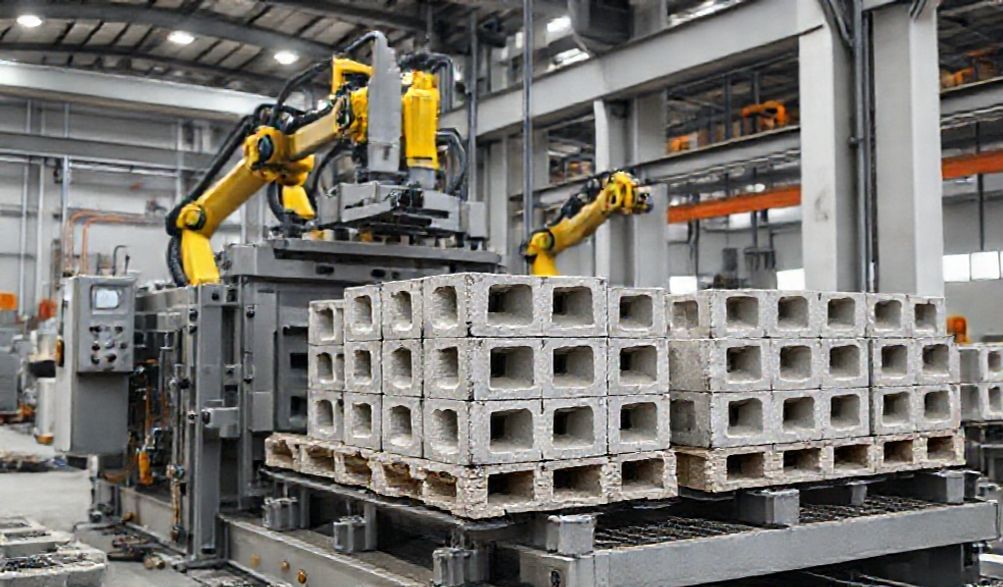
Your Ultimate Guide to Finding a Reliable China Automatic Block Machine Supplier in 2026
ການແນະນຳ
The global construction industry is in a perpetual state of growth, driven by urbanization, infrastructure development, and the ever-present need for affordable housing. At the heart of this growth lies the demand for efficient, high-quality building materials, particularly concrete blocks. This demand has propelled the rise of automated block production, a sector where precision, speed, and reliability are paramount. For businesses worldwide looking to invest in this capability, one name consistently dominates the landscape: China.
As the world’s undisputed manufacturing hub, China supplies a colossal share of the globe’s industrial machinery, including automatic block making machines. The allure is clear: potentially lower capital investment and access to advanced manufacturing. However, navigating this vast and complex marketplace is fraught with challenges. Buyers often face a dizzying array of suppliers, struggle to verify claims of quality, grapple with concerns over after-sales support from thousands of miles away, and feel anxious about international logistics and payment security.
This guide is designed to cut through the noise. Drawing on years of experience in the construction equipment sector and analysis of industry trade flows, we provide a comprehensive, step-by-step framework for sourcing. Our goal is to transform a daunting process into an informed strategy, empowering you to partner with a reputable China automatic block machine supplier with confidence.
Why Source Automatic Block Machines from China?
Before diving into the “how,” it’s crucial to understand the “why.” Sourcing from China is a strategic decision with distinct advantages that have solidified its position as a global leader.
Unbeatable Cost-Effectiveness and Scale
The principle of economies of scale is in full effect here. China’s concentrated manufacturing ecosystem for heavy machinery creates unparalleled efficiencies.
- ຫຼຸດຕົ້ນທຶນການຜະລິດ Integrated supply chains for raw materials like steel, hydraulic components, and electrical systems reduce input costs.
- Competitive Pricing: A high number of manufacturers fosters competition, leading to more attractive price points for buyers without immediately sacrificing capability.
- Volume Advantage: Whether you need a single machine or a complete production line, Chinese suppliers are equipped to handle the order, often offering better value at higher volumes.
It’s vital to frame this not as “cheap,” but as ມີປະສິດທິພາບທາງດ້ານຄ່າໃຊ້ຈ່າຍ. The smart approach is to seek the optimal balance of price, quality, and service.
ການຜະລິດຂັ້ນສູງ ແລະ ການນຳໃຊ້ເຕັກໂນໂລຊີ
The outdated stereotype of Chinese manufacturing being low-tech no longer applies. Leading suppliers are at the forefront of technological integration.
- Automation & Control Systems: Modern machines feature sophisticated Programmable Logic Controller (PLC) systems with user-friendly touchscreen interfaces for precise control over vibration, pressure, and cycle times.
- ປະສິດທິພາບດ້ານພະລັງງານ Newer models incorporate efficient hydraulic systems and motor designs to reduce electricity consumption, a critical factor in the Total Cost of Ownership.
- Innovation in Design: Continuous R&D focuses on improving output rates, reducing maintenance downtime, and enhancing the durability of core components like molds and vibration tables.
Diverse Product Range for Every Need
China’s market caters to every segment, from small entrepreneurs to large-scale national projects. You can find:
- ເຄື່ອງຈົກຕັນມືຖື Small, manual or semi-automatic machines ideal for starting a business or on-site production.
- Stationary Automatic Machines: The core offering, ranging from single-pallet systems to multi-layer, fully automatic plants with robotic pallet handling.
- Wide Product Compatibility: Machines configured to produce a vast array of products: standard hollow blocks, solid blocks, paving stones (interlocking and standard), curbstones, grass blocks, and more.
- Customization: Many factories offer customization of mold designs, output capacity (from 1,000 to over 30,000 blocks per 8-hour shift), and specific features.
Key Factors to Evaluate a Chinese Supplier
With countless options, a systematic evaluation is non-negotiable. Focus on these critical pillars to separate the credible partners from the rest.
Manufacturing Expertise and Experience
This is the foundation of your assessment. A supplier’s history speaks volumes about their stability and capability.
- ການຕິດຕາມບັນທຶກ Look for suppliers with a minimum of 8-10 years of dedicated experience in manufacturing block machinery specifically, not just general machinery.
- Client Portfolio: Request evidence of past projects. A reputable supplier will have case studies or references from clients in various international markets.
- R&D Investment: Inquire about their engineering team and any patented technologies. A company that invests in R&D is committed to innovation and improvement.
ການປະຕິບັດຕົວຈິງຂອງອຸດສາຫະກຳສະແດງໃຫ້ເຫັນວ່າ that suppliers who specialize in block making machines typically provide more reliable technical support and understand the nuances of production better than general equipment manufacturers.
Quality Assurance and Certifications
Certifications are a baseline, but true quality is embedded in the manufacturing process.
- Essential Certifications: ISO 9001 (Quality Management System) is crucial. For exporting to many markets, CE certification (meeting EU health, safety, and environmental standards) is a strong indicator of a machine’s build quality and safety, even if you’re not shipping to Europe.
- Material & Components: Ask specific questions. What grade of steel is used for the frame and mold? Are critical components like PLCs (Siemens, Mitsubishi), hydraulic parts, or motors from reputable international or high-end domestic brands? This directly impacts longevity.
- Inspection Rights: Always insist on your right to conduct a Pre-Shipment Inspection (PSI) either by your own agent or a third-party company like SGS or Bureau Veritas. A confident supplier will welcome this.
Production Capacity and Lead Times
Understanding a supplier’s true capacity prevents future delays and disappointment.
- Factory Audit is Key: Do not rely on stock images. A virtual or in-person tour allows you to see the workshop size, assembly lines, inventory of raw materials, and workflow organization.
- Realistic Scheduling: For a standard automatic block machine, a typical production lead time is 30 to 60 days after order confirmation and deposit. Complex, high-capacity plants may take longer. Be wary of suppliers promising unrealistically short timelines.
- Order Queue: Politely ask about their current production schedule to gauge how busy they are.
After-Sales Service and Technical Support
This is arguably the most critical differentiator and a common pitfall for unprepared buyers.
- Comprehensive Package: A reliable supplier should offer:
- Detailed electrical and installation manuals.
- Video guide for installation and operation.
- Remote support via video call (e.g., WhatsApp, Zoom) for troubleshooting.
- A clear warranty policy (typically 12 months for the machine, excluding wear parts like molds).
- Spare Parts Availability: Ensure they maintain an inventory of commonly needed spare parts and can ship them promptly. Ask for a spare parts price list.
- On-Site Support: While often an additional cost (covering travel, lodging, and a daily rate), the availability of engineers for overseas installation and training is a hallmark of a serious supplier.
The Supplier Vetting and Verification Process
Now, let’s translate those factors into actionable steps.
Deep-Dive Research: Beyond the Website
A professional website is a start, but it’s just the surface.
- Cross-Reference on B2B Platforms: Check their storefronts on Alibaba, Made-in-China, or Global Sources. Pay close attention to:
- Transaction History & Reviews: Look for detailed, verifiable buyer feedback.
- Response Time & Quality: How do they handle public inquiries?
- Search for Independent Mentions: Use search engines to look for the company name alongside keywords like “review,” “case study,” or “project.” Check industry forums.
- Verify Business License: Request a copy of their official Chinese business license (营业执照) and cross-check the legal name, address, and registered capital.
Effective Communication and Transparency
Your initial communications are a litmus test for their professionalism.
- Ask Technical Questions: Go beyond price. Ask about vibration frequency (Hz), hydraulic system pressure (MPa), cycle time, and recommended concrete mix design. A factory engineer should be able to answer these.
- Request a Detailed Quotation: A professional Proforma Invoice (PI) should include itemized costs for the machine, optional accessories, packaging, and agreed Incoterms. It should have clear payment terms and warranty information.
- Red Flags: Vague answers, pressure for immediate payment, reluctance to provide a video call with the factory floor, or quotes that seem drastically lower than the market average.
The Importance of Factory Audits (Virtual or In-Person)
This is your most powerful verification tool.
- Schedule a Video Call: Insist on a live video tour, not a pre-recorded video. Ask them to walk you through the production area, show active welding/assembly, and introduce a production manager.
- Specific Requests: Ask to see:
- The machine welding and assembly stations.
- Their quality control area with testing equipment.
- Their inventory of raw materials (steel plates, etc.).
- Finished machines ready for shipment.
- In-Person Audit: If your order is very large, consider hiring a local sourcing agent to conduct an in-person audit.
Sample and Trial Order Strategy
For first-time buyers or when dealing with a new supplier, this is a prudent risk-management strategy.
- Sample Machine: If feasible, order a single, smaller machine (e.g., a manual block machine) to evaluate build quality, communication, and shipping process before committing to a large automatic plant.
- Trial Order: Place an initial order for your target machine, but be clear it’s a trial. Use this to test their adherence to specifications, packaging quality, shipping documentation, and post-sale support responsiveness.
Navigating Logistics, Customs, and Payment
Understanding these practicalities prevents costly surprises.
Incoterms Clarification: FOB, CIF, EXW
These define risk and cost responsibility. For machinery, FOB (Free On Board) is often the most balanced and recommended choice for buyers.
- FOB [Named Chinese Port]: You pay for the machine delivered to the port and loaded onto the ship. You control and pay for the main sea freight and insurance. This gives you more control over choosing a freight forwarder and often lower overall shipping costs.
- CIF [Named Your Port]: The supplier arranges and pays for sea freight and insurance to your nearest port. It’s simpler but usually more expensive, and you have less control.
- EXW (Ex-Works): You take responsibility at the supplier’s factory gate. You arrange all inland China transport, export customs, and sea freight. Only recommended for experienced importers with agents in China.
Packaging and Shipping for Heavy Machinery
Proper packaging is essential to prevent damage during a 4-8 week sea voyage.
- Export Packaging: Machines must be securely mounted inside a heavy-duty, fumigated wooden crate on a skid base. All components should be rust-proofed (oiled or VCI paper) and securely fastened.
- Shipping & Insurance: Sea freight (LCL or FCL) is standard. Always purchase full marine insurance (“All Risk” coverage) for the shipment’s value. Your freight forwarder can help.
- Import Customs: Engage a reliable customs broker in your country before the shipment arrives. They will handle duties, taxes, and clearance using the documents (Commercial Invoice, Packing List, Bill of Lading, Certificate of Origin) provided by the supplier.
Secure Payment Methods and Trade Assurance
- Standard Terms: The most common and secure payment structure is 30% deposit by T/T (Telegraphic Transfer/Bank Wire), with 70% balance paid against copy of Bill of Lading before the shipment is released. This protects both parties.
- Letter of Credit (L/C): More secure for the buyer but more complex and costly. Suitable for very large orders.
- Platform Escrow: Using Alibaba’s Trade Assurance provides a layer of protection, as funds are held by the platform until you confirm satisfactory delivery.
- Critical Advice: Strongly advise against any requests for payment via Western Union, MoneyGram, or full payment upfront. These are major red flags.
Common Pitfalls and How to Avoid Them
The “Too Good to Be True” Price Trap
A quote significantly lower than the market average is a warning, not a windfall. Deconstruct where costs are cut:
- Inferior Materials: Using low-grade steel that will warp or wear quickly.
- Low-Cost Components: Generic PLCs, unreliable hydraulic valves, and low-efficiency motors that increase failure rates and energy bills.
- Poor Engineering: Simplified designs that compromise production stability or block quality.
- No Service: The price excludes any meaningful after-sales support.
Trading Companies vs. Direct Manufacturers
- ບໍລິສັດທຸລະກິດ: Act as middlemen. They can offer a wider range of products and sometimes better communication, but they add a markup and may have limited technical knowledge. Delays can occur as they coordinate with the actual factory.
- Direct Manufacturers: You get factory pricing and direct communication with engineers. Quality control and problem-solving are typically faster.
- How to Identify: Ask direct questions: “Are you the factory?” “Can we have a video call on your production floor?” Check the business license address against the factory address in videos.
Overlooking Total Cost of Ownership (TCO)
The purchase price is just the beginning. A slightly more expensive, well-built machine can save vastly more over 5-10 years.
- ການນຳໃຊ້ພະລັງງານ Compare motor power and efficiency ratings.
- ຄ່າໃຊ້ຈ່າຍໃນການບໍາລຸງຮັກສາ: Machines with standard, accessible components are cheaper and faster to repair.
- Durability & Uptime: A robust machine with higher-quality parts has less downtime, ensuring consistent production and revenue.
- ຄວາມສອດຄ່ອງຂອງຜົນຜະລິດ A precision machine produces higher-quality blocks with less waste, maximizing your raw material investment.
FAQ: China Automatic Block Machine Supplier
Q1: What is the typical price range for an automatic block machine from China?
A: Prices vary dramatically based on automation, output, and configuration. A semi-automatic machine can start around $15,000 – $30,000. A standard fully automatic single-pallet machine may range from $45,000 – $80,000. Large, fully automatic plants with high output can cost $150,000 to $500,000+. Always request a detailed, itemized quotation.
Q2: How long does it take from order to delivery?
A: Generally, allow 30-60 days for production after deposit, plus 30-45 days for sea shipping (depending on destination port). Customs clearance in your country adds another 5-10 days. Total timeline is typically 3 to 4 months.
Q3: Do suppliers provide installation and training?
A: Yes, reputable suppliers provide comprehensive support. This includes detailed manuals, video guides, and remote video support via apps like WhatsApp. On-site installation and training by their engineer is usually an optional, paid service due to travel costs, but it is highly recommended for first-time buyers.
Q4: How can I verify the supplier’s legitimacy?
A: Conduct these key checks: 1) Verify their business license, 2) Perform a live video factory audit, 3) Request contactable references from past international clients, 4) Check their history and reviews on major B2B platforms, 5) Ensure they provide clear, professional communication and a detailed contract.
Q5: What are the payment terms usually offered?
A: The most standard and secure terms are: 30% deposit via T/T upon signing the contract, 70% balance paid before shipment (against copy of shipping documents). This balances risk for both buyer and supplier. Letters of Credit (L/C) are also common for larger orders.
ສະຫຼຸບ
Sourcing an automatic block machine from China is a significant investment that, when done correctly, can provide a formidable competitive advantage through cost-effective, advanced technology. The journey hinges on a disciplined, skeptical, and thorough approach: prioritizing deep supplier evaluation, valuing quality assurance and long-term service over the allure of the lowest price, and diligently verifying every claim.
Arm yourself with the checklist and processes outlined in this guide as you begin your conversations with potential suppliers. Remember, the goal is not just to buy a machine, but to establish a productive, long-term partnership with a reliable manufacturer. With the right knowledge and careful due diligence, tapping into China’s manufacturing prowess can be the most strategic decision you make for your block production business.
<