
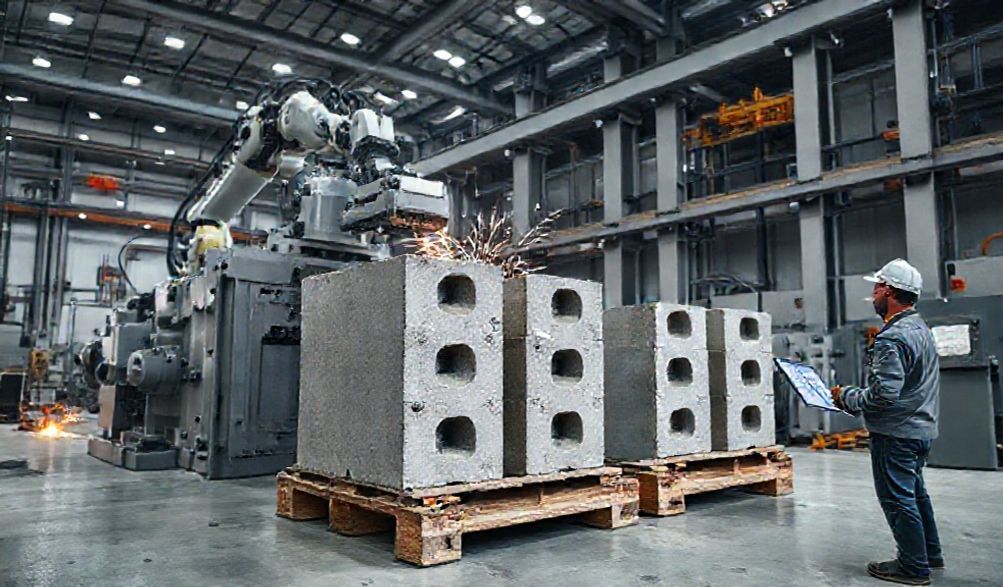
Your Ultimate Guide to Hollow Block Machine Manufacturers: Inside the FUDA Block Machine Factory
ການແນະນຳ
The global construction industry is in a perpetual race—against time, budgets, and environmental impact. At the heart of this race lies a simple, yet revolutionary building component: the hollow concrete block. Prized for its strength, insulation properties, and material efficiency, it’s a cornerstone of modern affordable housing and commercial projects. But behind every durable wall and sturdy structure is an unsung hero: the hollow block making machine.
Choosing the right machine, however, is a critical decision fraught with challenges. How do you navigate concerns about machine quality, hidden costs, and the availability of technical support years down the line? Selecting a manufacturer is not just a purchase; it’s a long-term partnership that can define the profitability and scalability of your block production business.
This comprehensive guide serves as your strategic roadmap. We will dissect the essential qualities of a top-tier hollow block machine manufacturer. To translate theory into practice, we will use the well-regarded ບໍລິສັດ ຟູດາ ບໍລິສັດຜະລິດເຄື່ອງຈັກກໍ່ສ້າງບລັອກ as a detailed case study. Our analysis, grounded in industry standards, technical specifications, and manufacturing best practices, is designed to equip you with the knowledge to make a confident, informed investment.
Understanding Hollow Block Machines and Their Importance
Before evaluating who builds the best machines, it’s crucial to understand what these machines do and why they are so vital to contemporary construction.
ເຄື່ອງຈັກກໍ່ສ້າງບລັອກກົມແມ່ນຫຍັງ?
In essence, a hollow block machine is a sophisticated piece of industrial equipment that automates the formation of hollow concrete blocks. It transforms a mixture of cement, aggregates (like sand or crushed stone), and water into precisely shaped, high-density blocks. This is primarily achieved through a combination of:
* ການອັດອັນດັບຄວາມກົດດັນສູງ: Hydraulic systems apply immense force to the concrete mix within a mold.
* Mechanical Vibration: Simultaneous vibration removes air pockets, ensuring a dense, strong block.
* ການປິ່ນປົວ: While some machines integrate curing systems, blocks are typically cured afterward to gain full strength.
This automation ensures consistency, speed, and scale that manual production could never match.
Key Applications in Modern Construction
Hollow blocks are far from a niche product. Their applications are vast:
* ການກໍ່ສ້າງທີ່ຢູ່ອາໄສ: Used for load-bearing and partition walls in houses and apartment complexes.
* Commercial & Industrial Projects: Ideal for warehouses, factories, and office buildings due to their strength and fire resistance.
* Infrastructure & Landscaping: Used in retaining walls, boundary walls, and even for aesthetic pavers.
The benefits driving this widespread use are compelling:
* Thermal & Acoustic Insulation: The hollow cores trap air, providing natural insulation against heat and sound.
* ການຫຼຸດຜ່ອນນໍ້າໜັກໂຄງສ້າງ They are lighter than solid blocks, allowing for lighter (and cheaper) foundations.
* Material Efficiency: Less concrete is used per block, lowering material costs and environmental footprint.
* ຄວາມໄວໃນການກໍ່ສ້າງ: Their uniform size and shape significantly accelerate the building process.
The Core Components of a Quality Machine
The durability and output of a block plant hinge on the quality of its core components. When assessing a machine, pay attention to:
* ມິກເຊີ: Ensures a homogenous, well-proportioned concrete mix.
* Mold (or Mould): The heart of the machine. It must be made from high-grade, hardened steel to withstand constant pressure and abrasion.
* ລະບົບການສັ່ນສະເທືອນ: A robust vibration motor table is key to achieving optimal block density and strength.
* ລະບົບນ້ຳມັນເຄື່ອງ: The powerhouse. It must be reliable, with quality pumps and valves for consistent pressure.
* ແຜງຄວບຄຸມ The brain. Modern machines feature PLC (Programmable Logic Controller) systems for ease of operation and diagnostics.
A manufacturer’s expertise is directly reflected in the engineering and sourcing of these components.
What to Look for in a Hollow Block Machine Manufacturer
Navigating the global market of manufacturers requires a disciplined evaluation framework. We can align this with the core principles of E-E-A-T (Experience, Expertise, Authoritativeness, Trustworthiness), a benchmark for quality.
Hallmarks of Expertise and Experience
Longevity and depth of knowledge are irreplaceable assets.
* Proven Track Record: Look for a manufacturer with a decade or more of operation. This history suggests resilience and accumulated process knowledge.
* Industry Certifications: Credentials like ISO (quality management systems) and CE (meeting EU health, safety, and environmental standards) are non-negotiable indicators of a formalized, quality-focused operation.
* Commitment to R&D: A forward-thinking manufacturer invests in innovation—whether in energy-efficient designs, IoT-enabled monitoring, or developing machines for new block designs.
Evaluating Authoritativeness and Reputation
A manufacturer’s standing in the industry speaks volumes.
* Global Client Portfolio: A diverse portfolio across different continents and project types (from small startups to large government projects) demonstrates adaptability and proven performance.
* Industry Recognition: Patents for unique technologies, features in trade publications, or active membership in construction equipment associations add layers of authority.
* Transparent Communication: Authoritative companies provide detailed, accessible technical documentation, not just sales brochures.
Ensuring Trustworthiness and Reliable Support
The true test of a partnership begins after the sale.
* Transparency: Clear, upfront pricing and honest discussions about machine capabilities (and limitations) are crucial.
* After-Sales Service Ecosystem: This is the most critical differentiator. Evaluate their offering for:
* Installation & Commissioning: Do they provide on-site supervision?
* Comprehensive Training: For both operators and maintenance staff.
* Spare Parts Guarantee: Availability of a genuine parts inventory with reasonable lead times.
* Warranty Terms: Clear, fair warranty conditions that cover core components.
Deep Dive: FUDA Block Machine Factory – A Manufacturer Analysis
Let’s apply the above framework to a specific player in the field: FUDA Block Machine Factory. This analysis serves as a template for how you can evaluate any manufacturer.
Company Profile and Manufacturing Legacy
FUDA positions itself as a specialist in concrete block making machinery. With a significant manufacturing base, the company has built its legacy on catering to the global market. Their core philosophy often emphasizes robust engineering, adaptability to different market needs, and a focus on providing cost-effective solutions without compromising on core functionality. Their specialization allows for deep focus on the continuous improvement of block production technology.
Showcasing Technical Expertise: Product Range & Innovation
A broad, well-defined product range indicates an understanding of diverse customer needs.
* Full Spectrum of Automation: FUDA typically offers a range from manual and semi-automatic machines (ideal for small businesses or startups) to fully automatic stationary production lines for high-volume output. Some models may include mobile block machines for on-site production.
* Scalable Output Models: Their catalog usually includes machines categorized by output—for example, models producing 2,000-5,000 blocks per 8-hour shift for small operations, up to models capable of 15,000-20,000+ blocks for industrial plants.
* Focus on Core Durability: Their technical specifications often highlight the use of high-strength steel for molds and frames, imported hydraulic components from reputable brands, and PLC control systems for reliability. Innovations may focus on energy-saving designs or quick mold-change systems to increase operational flexibility.
Building Trust Through Global Projects and Client Support
Trust is built on proven delivery and support structures.
* International Footprint: FUDA, like many established Chinese manufacturers, has exported machinery to markets in Africa, Southeast Asia, the Middle East, and South America. They might reference supplying equipment for housing developments, school projects, or commercial complexes in these regions.
* End-to-End Customer Journey: A trustworthy manufacturer guides the client through:
1. Consultation: Working to understand specific production goals and local material conditions.
2. Solution Design: Recommending the appropriate machine model and any auxiliary equipment (like pallet feeders or stackers).
3. Logistics & Installation: Managing shipping and providing installation guidance.
4. Lifelong Support: Establishing channels for ongoing technical consultation and spare parts supply.
Making the Right Choice: FUDA vs. The Broader Market
Comparative Advantages of Partnering with a Specialist like FUDA
Based on the typical profile of such a factory, potential strengths include:
* Focused Engineering: Deep specialization in one product category (block machines) can lead to more refined and reliable designs.
* Cost-Competitiveness: Direct manufacturing can offer attractive price-to-performance ratios.
* Export Readiness: Experience in navigating international shipping, documentation, and customs.
* Product Range Flexibility: Ability to offer various automation levels to suit different capital budgets.
Critical Questions to Ask Any Manufacturer (Including FUDA)
Arm yourself with this checklist during your inquiries:
* “Can you provide a detailed technical specification sheet for the recommended model?”
* “What is the expected output in blocks per hour under standard conditions with my local materials?”
* “What is the standard warranty period, and what exactly does it cover?”
* “What is the typical lead time for critical spare parts (like mold sets, hydraulic pumps) to my country?”
* “Do you offer virtual or in-person factory tours to see the production and quality control process?”
* “Can you connect me with a reference client in a similar market to mine?”
* “What is included in your training program? Is it on-site and in a language my operators understand?”
Frequently Asked Questions (FAQ)
Q1: What is the average production capacity of a standard FUDA hollow block machine?
A: Capacity varies dramatically by model. Small semi-automatic machines might produce 1,500-3,000 blocks per 8-hour shift, while large fully automatic lines can exceed 20,000. Always request the specific output data for the model you’re considering, based on the block size you intend to produce.
Q2: How does FUDA ensure the durability and low maintenance of its machines?
A: This is achieved through design and material choices: using hardened alloy steel for molds to resist wear, precision-machined components for smooth operation, sealed bearing systems to keep out dust, and modular design for easier maintenance access. The focus is on building machines for the harsh environment of a block yard.
Q3: What kind of after-sales support can I expect from an international manufacturer?
A: Comprehensive support should include: detailed operation and maintenance manuals (often in multiple languages), remote technical support via video call, an online parts catalog for easy ordering, and a network of recommended local service engineers or agents. Clarify the response time for technical queries.
Q4: Can the machines be customized for producing different block sizes or types?
A: Yes, reputable manufacturers like FUDA typically offer customizable mold sets. This allows a single machine to produce various sizes of hollow blocks, solid blocks, paving stones, or interlocking blocks. Confirm the cost and lead time for additional molds.
Q5: What are the key factors affecting the total investment cost?
A: Look beyond the machine price. The total investment includes:
* Machine FOB/CIF price
* Shipping, insurance, and import duties
* On-site installation & foundation costs
* Operator training fees (if not included)
* Cost of auxiliary equipment (e.g., mixer, pallet feeder, forklift)
* Initial stock of spare parts and consumables
ສະຫຼຸບ
Selecting a hollow block machine manufacturer is a strategic decision that impacts your operational efficiency for years to come. As we’ve explored, the choice must balance ປະສົບການ (a proven history), ຄວາມຊ່ຽວຊານ (technical innovation and quality), ອຳນາດອຳນາດ (industry standing), and ຄວາມໜ້າເຊື່ອຖື (unwavering post-sale support).
Manufacturers like ບໍລິສັດ ຟູດາ ບໍລິສັດຜະລິດເຄື່ອງຈັກກໍ່ສ້າງບລັອກ exemplify many of the traits of a capable, globally-oriented supplier. However, the “right” choice is uniquely yours. It must align precisely with your production targets, budget constraints, and the reality of local support in your region.
Call to Action: Use the question checklist provided in this guide as your script. Contact your shortlisted manufacturers, request detailed quotations and technical data sheets, and insist on client references. If feasible, a factory visit is invaluable. Diligent research today is the foundation for a profitable and hassle-free block production business tomorrow.
<