
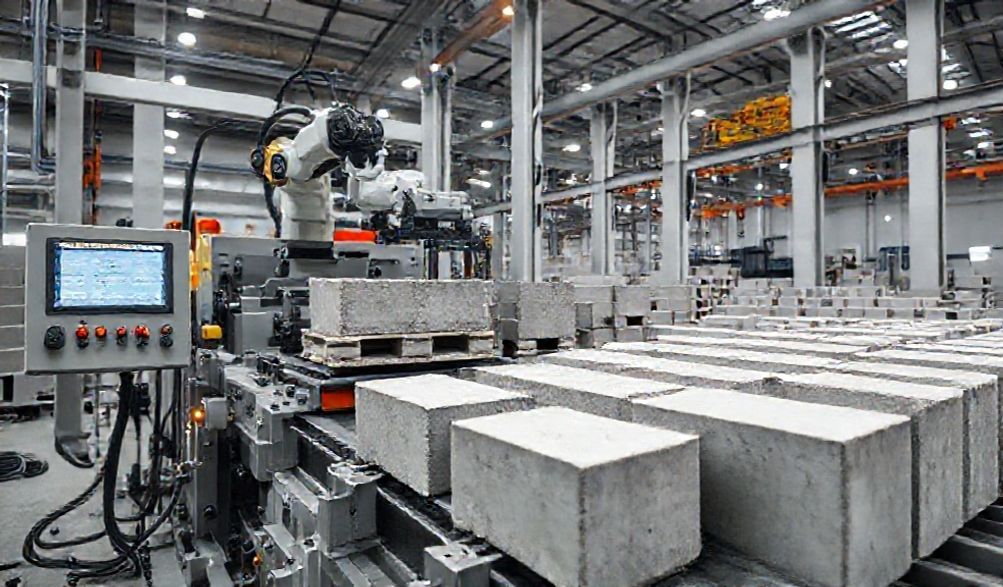
Your Ultimate Guide to Sourcing a Concrete Block Making Machine from China: Suppliers, Selection & Success
ການແນະນຳ
The global construction industry runs on efficiency and affordability. At the heart of countless infrastructure projects, from affordable housing to commercial complexes, lies a fundamental building block: the humble concrete block. To meet this relentless demand, businesses worldwide are turning to a critical piece of equipment—the concrete block making machine. And for sourcing this machinery, one destination stands paramount: China.
As the world’s manufacturing powerhouse, China supplies a staggering volume of construction machinery. However, for a buyer thousands of miles away, the prospect of navigating this vast market can be daunting. How do you sift through thousands of “China concrete block making machine for sale supplier” listings to find a genuine partner? The challenges are real: verifying manufacturer legitimacy, ensuring technical quality from afar, managing complex logistics, and securing reliable after-sales support.
This guide is your comprehensive solution. Built on industry analysis, proven supplier vetting frameworks, and practical logistics advice, it is designed to transform you from a cautious prospect into a confident buyer. We’ll walk you through the entire journey—from understanding why China is the dominant source to finally receiving and installing your machine—empowering you to make an investment that builds the foundation for your business growth.
Why Source a Concrete Block Making Machine from China?
Choosing where to source heavy machinery is a strategic decision. For block making machines, China offers a combination of advantages that are difficult for other regions to match, making it the first port of call for savvy business owners.
ຄວາມມີປະສິດທິຜົນທາງດ້ານຄ່າໃຊ້ຈ່າຍ ແລະ ລາຄາທີ່ແຂ່ງຂັນໄດ້
The most compelling advantage is often cost. Chinese suppliers benefit from unparalleled economies of scale and a deeply integrated supply chain for raw materials like steel, hydraulics, and electrical components.
- ຫຼຸດຕົ້ນທຶນການຜະລິດ Concentrated manufacturing hubs reduce overheads.
- Direct-to-Buyer Models: Many factories sell directly online, eliminating intermediary markups.
- Scaled Pricing: Whether you need a single manual machine or a fully automated plant, competitive pricing across all scales improves your return on investment (ROI).
This cost advantage doesn’t necessarily mean a sacrifice in quality. It means you can often acquire a more capable or automated machine for the same budget allocated elsewhere.
Manufacturing Scale and Technological Advancement
China’s industrial ecosystem is vast. It’s home to thousands of machinery factories, from small workshops to sprawling, state-of-the-art facilities. This scale fuels rapid advancement.
- Full Spectrum of Technology: You can find everything from simple, manual egg-laying machines to computer-controlled, fully automatic production lines with robotic pallet handling.
- R&D Investment: Leading Chinese manufacturers heavily invest in research, incorporating features like frequency-conversion vibration, energy-efficient hydraulic systems, and IoT-based monitoring.
- Proven Designs: Many designs have been iterated upon for decades, incorporating practical feedback from global markets.
Variety and Customization Options
No two construction projects are identical. Chinese suppliers excel at providing options.
- Machine Types: Hollow block machines, paver machines, interlocking brick machines, curbstone machines, and multi-purpose machines are all widely available.
- ປະລິມານຜົນຜະລິດ Machines range from small-scale models producing 1,000 blocks per day to massive plants outputting 20,000+.
- Customization: It is common to request modifications for specific block sizes, shapes, or raw material mixes (e.g., using fly ash or crushed aggregate). Reputable suppliers have engineering teams to accommodate these needs.
Key Factors When Choosing a Chinese Supplier
Identifying the right “china concrete block making machine for sale supplier” is the most critical step. Your supplier is your long-term partner, not just a vendor. Here’s how to vet them.
Verifying Manufacturer vs. Trading Company
First, determine who you are dealing with. Both have their place, but you must know the difference.
- Manufacturer (Factory): Produces the machine. ຂໍ້ດີ: Better price control, direct technical knowledge, easier customization. ຂໍ້ເສຍ May have weaker English communication or international sales experience.
- Trading Company (Agent): Resells machines from various factories. ຂໍ້ດີ: Often better communication, one-stop service for sourcing multiple items. ຂໍ້ເສຍ Higher costs, potential for miscommunication with the actual factory, less control over production.
How to Distinguish Them:
* Request specific factory location and address. Verify via satellite imagery (e.g., Google Earth).
* Ask for detailed photos and videos of the production workshop, not just finished products.
* Inquire about their mold-making capabilities—a true manufacturer typically has an in-house mold workshop.
Assessing Technical Expertise and Certifications
Certifications are a baseline; expertise is king.
- Key Certifications to Request: International (CE, ISO 9001) and Chinese (GB standards). A third-party inspection report from SGS, BV, or TÜV adds significant credibility.
- Technical Dialogue: Gauge their expertise by asking detailed questions about the vibration motor power, hydraulic system brand (e.g., Rexroth, Yuken), PLC controller (e.g., Siemens, Mitsubishi), and recommended cement-aggregate ratio.
- Documentation: Ensure they provide comprehensive English manuals, electrical diagrams, and parts lists.
Evaluating Production Capacity and Quality Control
A supplier’s capability reflects on your machine’s quality.
- Factory Audit: If possible, visit. If not, insist on a live video tour. Look for organized production lines, modern welding/CNC equipment, and a clean assembly area.
- Quality Control Process: Ask about their QC checkpoints. Do they conduct raw material inspection, in-process welding checks, pressure tests, and a full assembly test run?
- Request Evidence: Always ask for a video of a test run for a machine similar to your order, showing it producing blocks to specification.
Analyzing After-Sales Service and Parts Supply
This is where many buyers face challenges. Proactive planning is essential.
- Warranty: Standard is typically 12-18 months for the main structure and 6-12 months for electrical/hydraulic components. Understand what is covered.
- Support Structure: Do they offer remote guidance via WhatsApp/Video? Do they have technicians available for overseas installation (at your cost)?
- Parts Supply: Confirm the availability and cost of common wear parts (molds, springs, seal kits). Ask about their parts shipping process and typical delivery times.
A Step-by-Step Guide to the Procurement Process
Follow this structured approach to navigate your purchase smoothly and mitigate risks.
Step 1: Define Your Project Requirements
Clarity prevents costly mistakes. Document these specifics:
* Block Types & Sizes: Precisely what will you produce? (e.g., 6″ hollow block, 60mm pavers).
* Daily Output Target: Calculate based on your market demand.
* ລະດັບການອັດຕະໂນມັດ Manual, semi-automatic, or fully automatic?
* Power Source: Electric, diesel, or hybrid?
* ວັດຖຸດິບ What is the local availability of cement, sand, and aggregate?
* Budget Range: Include a contingency for shipping, taxes, and installation.
Step 2: Research and Shortlist Potential Suppliers
Use targeted searches on B2B platforms.
* Platforms: Alibaba, Made-in-China, Global Sources. Use the exact keyword “concrete block making machine” and filter for “Verified Suppliers” or “Gold Members.”
* Red Flags: Beware of prices drastically lower than the market average, suppliers who cannot provide a video call, and those with poor English communication or vague answers.
* Shortlist 3-5 Suppliers: Focus on those who respond professionally and with relevant technical information.
Step 3: Due Diligence and Communication
Send a detailed inquiry to your shortlisted suppliers. Your checklist should include requests for:
1. Company business license and profile.
2. Detailed product catalog and technical specifications sheet.
3. Copies of relevant certifications (CE, ISO, etc.).
4. List of overseas clients (with country) for reference.
5. A detailed quotation specifying:
* EXW, FOB, or CIF price.
* Machine model and detailed configuration.
* Payment terms.
* Warranty details.
* Estimated production time.
Step 4: Sample Testing and Contract Negotiation
- Sample Order: For large investments, consider ordering a key component like a mold or the PLC controller first to assess quality. For full machines, a pre-shipment inspection is non-negotiable.
- The Contract: Ensure it is clear and includes:
- Payment Terms: Common structure: 30% deposit via T/T, 70% balance against copy of Bill of Lading. For larger orders, consider 10% deposit, 80% against shipping docs, 10% after successful installation.
- Delivery Timeline: Agree on a realistic production schedule with milestones.
- Performance Guarantee: The machine must meet the output and block quality specifications.
- Penalty Clauses: For significant delays.
Step 5: Logistics, Shipping, and Customs Clearance
- Incoterms: Understand your responsibility.
- FOB (Free On Board): You control the main shipping and appoint your own freight forwarder. Often recommended for more control.
- CIF (Cost, Insurance, Freight): The supplier arranges shipping to your nearest port. Simpler but offers less control.
- Freight Forwarder: A reliable forwarder is invaluable. They handle booking, documentation, and customs brokerage advice.
- Customs Clearance: Prepare for your side. You will typically need:
- Commercial Invoice
- Packing List
- Bill of Lading
- Certificate of Origin
- Any applicable permits from your country’s standards bureau.
Top Considerations for Machine Selection and Operation
Types of Concrete Block Making Machines
- Stationary Block Machine: High-output machines that produce blocks on fixed pallets, which are then moved to a curing area. Ideal for large-scale, factory-based production.
- Mobile Block Machine (Egg-Laying Type): Produces blocks directly on the ground, then moves forward to lay the next batch. Perfect for on-site production with lower investment.
- Fully Automatic Production Line: Integrates mixing, conveying, block making, curing, and stacking/pallet returning. Maximizes output with minimal labor.
Core Specifications to Scrutinize
Beyond the model name, dive into these details:
* ເວລາຮອບວຽນ: Seconds per block/mold. Directly impacts daily output.
* Mold Capacity: How many blocks per cycle (e.g., 6 blocks of 4″).
* ຄວາມດັນ (ຕັນນາຈ໌): The pressing force, crucial for block density and strength.
* ລະບົບການສັ່ນສະເທືອນ: Frequency and amplitude of vibration motors. This is key for compacting the concrete.
* Pallet Size & Consumption: Standard pallet size and whether the system recycles them.
* Total Power: To ensure your facility can supply it.
Preparing for Installation and Operator Training
The work begins when the machine arrives.
* Foundation: Follow the supplier’s foundation drawing precisely. It must be level and capable of handling significant dynamic load.
* Utilities: Ensure correct voltage power and compressed air supply are ready at the site.
* Training: Negotiate for at least 1-2 weeks of onsite training for your operators and maintenance staff. Virtual training can supplement but not fully replace hands-on guidance.
Frequently Asked Questions (FAQ)
Q1: What is the typical price range for a concrete block making machine from China?
A: Prices vary dramatically based on specifications. A small manual machine can start around $5,000, semi-automatic models range from $15,000 to $50,000, and large, fully automatic production lines can cost $100,000 to $500,000+. The key is to compare specifications, not just the price tag.
Q2: How can I ensure the machine quality without a factory visit?
A: Hire a reputable third-party inspection company (like SGS or Bureau Veritas) to conduct a pre-shipment inspection. Insist on a live video call to see your machine’s test run and review all certifications. A performance guarantee clause in your contract is essential.
Q3: What are the standard payment terms with Chinese suppliers?
A: The most common is T/T (Telegraphic Transfer): 30% deposit, 70% balance before shipment. For larger orders, terms like 10%-80%-10% or using a Letter of Credit (L/C) provide more security. Always avoid 100% upfront payments.
Q4: Who handles import duties and taxes?
A: This is determined by your agreed Incoterm. Under FOB or CIF, the buyer (you) is responsible for all import duties, taxes, and clearance fees at the destination port. Consult a local customs broker in your country for accurate estimates.
Q5: What is the average lead time from order to delivery?
A: Production typically takes 30-45 days after deposit receipt for standard models. Shipping can add 30-45 days via sea freight, depending on the destination port. Always confirm specific timelines with your supplier and freight forwarder.
ສະຫຼຸບ
Sourcing a concrete block making machine from China is a significant but manageable endeavor. It’s a journey that moves from understanding the compelling ເປັນຫຍັງ, to meticulously vetting the ໃຜ, and finally, expertly navigating the ສະບາຍດີ of procurement and operation. Success hinges not on finding the cheapest supplier, but on building a strategic partnership with a reliable one.
Remember, this is a long-term investment in your business’s productive capacity. The due diligence you perform today—using this guide as your framework—will pay dividends for years in reliable operation, consistent block quality, and minimized downtime.
Ready to take the next step? Begin your search with confidence. For a streamlined start, consider downloading our comprehensive Supplier Vetting Checklist to ensure no critical question goes unasked. Partner wisely, invest strategically, and build your future, block by solid block.
<