
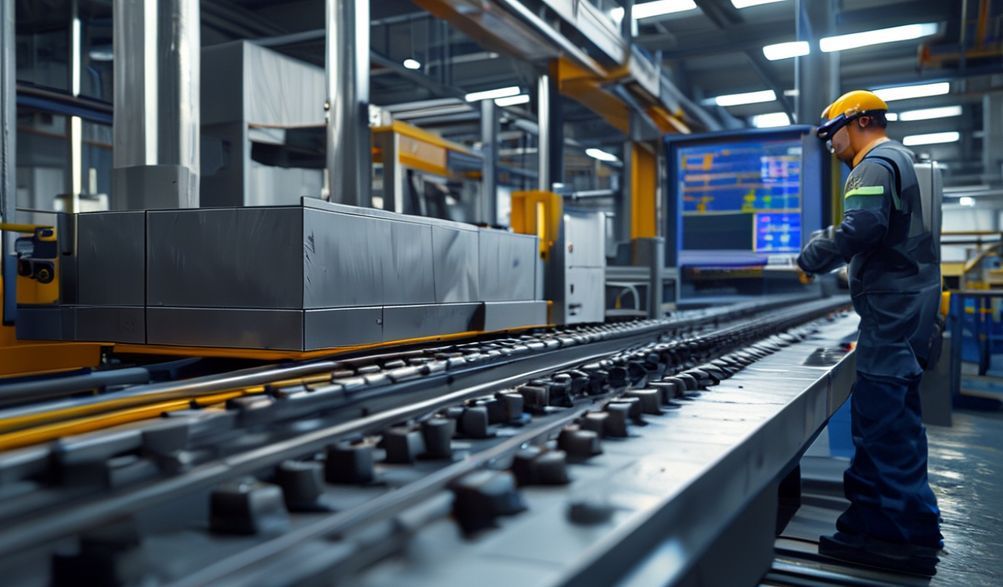
Apakah yang Menentukan Harga Mesin Pembuat Blok? Panduan Pakar oleh Kilang FUDA
Jika anda sedang mencari mesin pembuat blok, anda mungkin berhadapan dengan pelbagai harga yang membingungkan. Tawaran boleh berbeza sehingga puluhan ribu dolar, meninggalkan anda dengan satu persoalan utama:Mengapa terdapat julat harga yang begitu luas untuk mesin pembuat blok?
Adakah pilihan termurah itu satu tawaran murah, atau masalah masa depan yang tersembunyi? Adakah mesin paling mahal itu terlalu direka untuk keperluan anda? Sebagai pembeli, matlamat anda bukan sekadar mencari mesin—ia adalah untuk membuat pelaburan strategik yang akan mendorong keuntungan dan pertumbuhan untuk tahun-tahun mendatang.
PadaKilang Blok FUDAkami membawa lebih dua dekad kepakaran pembuatan langsung ke dalam perbincangan ini. Kami bukan sekadar menjual mesin; kami merekayasa penyelesaian pengeluaran yang digunakan dan dipercayai di seluruh dunia. Pengalaman kami mengajar bahawa pembeli yang berilmu adalah pembeli yang berjaya.
Panduan komprehensif ini akan menerangkan penetapan harga mesin pembuat blok. Kami akan melangkaui harga permukaan untuk memecahkan faktor-faktor utama—dari kejuruteraan teras dan automasi hingga sokongan jangka panjang—yang menentukan kos sebenar. Pada akhirnya, anda akan memahami bukan sahajahargatetapiproposisi nilaidi sebaliknya, memberdayakan anda untuk membuat keputusan pelaburan yang yakin dan menguntungkan.
Faktor Utama yang Mempengaruhi Harga Mesin Pembuat Blok
Tawaran awal yang anda terima adalah hasil daripada beberapa keputusan kejuruteraan dan komersial yang kritikal. Memahami komponen-komponen ini membolehkan anda membandingkan tawaran secara setara dan mengenal pasti nilai sebenar.
1. Jenis Mesin & Kapasiti Pengeluaran
Ini adalah pemacu kos yang paling asas. Jenis mesin menentukan peranannya dalam operasi anda, daripada sekadar alat mudah sehingga menjadi sistem pengeluaran yang lengkap.
-
Manual vs. Semi-Automatik vs. Sepenuhnya Automatik:
- Mesin Manual:Ini dikendalikan oleh tuil tangan untuk acuan dan penanggalkan. Ia adalah titik permulaan yang paling mampu dimiliki, sesuai untuk projek berskala sangat kecil atau permulaan perniagaan dengan ketersediaan tenaga kerja yang ketara. Harganya rendah, tetapi begitu juga dengan pengeluaran dan konsistensi.
- Mesin Semi-Automatik:Ini adalah titik optimum bagi banyak perniagaan yang sedang berkembang. Kitaran acuan blok diautomasikan (biasanya melalui mesin tekan hidraulik), tetapi blok-blok dipindahkan dan disusun secara manual. Ia menawarkan peningkatan yang ketara dalam pengeluaran berbanding mesin manual dengan kenaikan harga yang sederhana.
- Mesin Sepenuhnya Automatik:Ini adalah barisan pengeluaran lengkap. Ia menggabungkan suapan bahan automatik, pembentukan, pengerasan, penumpukan, dan pemaletan dengan kawalan PLC pusat. Harganya paling tinggi, tetapi ia memberikan output maksimum, konsistensi, dan kecekapan tenaga kerja. Ini adalah pelaburan dalam produktiviti yang boleh ditingkatkan.
-
Kapasiti Output (Blok Per Jam):
Harga meningkat secara langsung dengan kapasiti. Sebuah mesin yang menghasilkan 1,000 bongkah standard sejam (seperti model kami yangFUDA FDM-1000direka berbeza—dengan motor yang lebih kecil, rangka yang lebih ringan, dan sistem yang lebih ringkas—berbanding barisan yang direka untuk 10,000 bongkah sejam (sepertiFUDA FDL-10KKapasiti yang lebih tinggi memerlukan komponen yang lebih kukuh, sistem hidraulik yang lebih berkuasa, dan sistem kawalan yang canggih, kesemuanya meningkatkan kos. -
Jenis & Saiz Blok:
Tidak semua blok dicipta sama rata. Acuan dan mekanisme mesin yang diperlukan untuk blok berongga standard adalah kurang kompleks berbanding dengan paver saling kunci, batu tepi jalan, atau bentuk khusus seperti blok rumput.- Mesin yang mampu menghasilkan pelbagai jenis blok dengan perubahan acuan yang pantas seringkali mendapat harga premium kerana reka bentuknya yang fleksibel.
- Blok yang lebih besar dan padat memerlukan daya tekan yang lebih tinggi, yang memerlukan sistem hidraulik yang lebih berkuasa dan rangka yang lebih kukuh, seterusnya mempengaruhi harga.
Tahap Automasi & Teknologi
"Kecerdasan" dan tahap integrasi mesin adalah pembeza harga utama. Di sinilah anda membayar untuk ketepatan, kebolehpercayaan, dan jaminan kesesuaian masa depan.
-
Sistem Kawalan:Otak mesin.
- Mesin asas mungkin menggunakan logik geganti mudah. Ia lebih murah tetapi lebih sukar untuk diselesaikan masalah dan menawarkan kawalan yang kurang.
- Mesin moden dari kilang berprestij seperti FUDA menggunakanSistem PLC (Pengawal Logik Boleh Aturcara)sering kali dengan HMI (Antara Muka Manusia-Mesin) skrin sentuh. Premium ini menambah kos tetapi memberikan kawalan tepat ke atas masa getaran, tekanan, dan kelajuan kitaran, diagnostik mudah, dan resipi boleh atur cara untuk pelbagai jenis blok.
-
Integrasi Pengendalian Bahan:
Pembuat blok yang berdiri sendiri adalah satu kos. Mengintegrasikannya ke dalam sistem yang lancar adalah perkara lain.- Add-on seperti pengadun kuali automatik, tali sawat penghantar, loji penimbangan, dan penumpuk palet robotik meningkatkan jumlah harga dengan ketara tetapi mengubah operasi anda daripada pengeluaran kelompok manual kepada pembuatan berterusan yang terancang.
-
Kecekapan Tenaga:
Advanced engineering can reduce long-term operating costs. Machines with variable-frequency drives (VFDs) on motors, optimized hydraulic circuits, and heat-recovery systems may have a higher upfront cost. However, they dramatically reduce electricity consumption, which is a major operational expense, improving your Total Cost of Ownership (TCO).
3. Build Quality & Component Sourcing
This is the “hidden” factor that separates a disposable machine from a decade-long workhorse. Two machines may look similar in a brochure, but their longevity and performance will be worlds apart.
-
Bingkai & Struktur: The machine’s skeleton must withstand constant, high-vibration stress. FUDA machines use heavy-duty, reinforced steel plates and robotic welding to ensure structural integrity. A lighter, cheaper frame will flex and degrade, leading to misalignment and breakdowns.
-
Komponen Teras: The brands matter.
- Using premium, internationally recognized components (e.g., Siemens or Mitsubishi PLCs, Schneider electrics, Rexroth or Yuken hydraulics) ensures reliability, performance, and global serviceability. These come at a higher cost.
- Machines built with generic, no-name parts are cheaper initially but pose a much higher risk of failure and difficulty sourcing replacements.
-
Mold Quality & Durability:
The mold is the heart of the block shape. Standard steel molds wear quickly, especially with abrasive aggregates, leading to frequent, costly replacement and deteriorating block quality.- FUDA uses high-chromium alloy steel molds, hardened through specialized heat treatment. While more expensive upfront, they can last for millions of cycles, maintaining precise block dimensions and delivering a vastly lower cost per block over time.
Beyond the Sticker Price: The FUDA Value Proposition
Choosing a supplier based solely on the lowest initial quote is the most common and costly mistake in this industry. The true value of your investment is defined by what happens selepasjualan.
1. Comprehensive After-Sales Service
A machine is useless if it’s not running. FUDA’s support structure is designed to maximize your uptime and return on investment.
- Pemasangan & Pentauliahan: We don’t just ship a “machine-in-a-box.” Our optional service package includes sending our expert engineers to your site for professional installation, calibration, and commissioning to ensure the machine runs optimally from day one.
- Program Latihan: We provide hands-on training for your operators and maintenance staff. A well-trained team can prevent issues, perform basic upkeep, and recognize early warning signs, which is invaluable for productivity.
- Warranty & Spare Parts Network: A clear, comprehensive warranty provides peace of mind. More importantly, FUDA maintains a global inventory of genuine spare parts. Quick access to the right part minimizes costly downtime, protecting your production schedule.
2. Customization & Solution Design
Your local conditions are unique. FUDA acts as a partner, not just a vendor.
- Tailored to Your Needs: Our engineers will consult on your specific raw materials (e.g., fly ash, slag, local aggregate size). We can adjust mixers, vibration systems, and pressure settings to ensure you produce high-quality blocks from what you have available.
- Factory Layout Support: We offer guidance on designing an efficient production floor plan, considering the flow from raw material to finished block storage. This holistic approach ensures you get the most out of your machinery investment.
3. Total Cost of Ownership (TCO) vs. Initial Price
This is the most critical financial concept for a machinery buyer.
- TCO = Initial Purchase Price + Operating Costs (Energy, Labor) + Maintenance & Repair Costs – Residual Value.
- The Investment Case: A FUDA machine may have a higher initial price than a low-quality alternative. However, its higher build quality leads to less frequent breakdowns (lower repair costs). Its energy-efficient design reduces power bills. Its higher productivity and automation lowers labor costs per block. Its longer lifespan (10+ years) and durability give it a higher residual value.
- When calculated over 5-10 years, the machine with the lowest TCO is almost always the better-built, higher-productivity machine from a reputable factory like FUDA.
Navigating Your Purchase: A Step-by-Step Guide
Armed with the knowledge above, you can approach your purchase strategically.
1. Define Your Business Requirements
Start internally. Answer these questions clearly:
* What is my target daily/weekly production volume?
* What specific block types and sizes do I need to produce?
* What is my available factory space and ceiling height?
* What is my realistic budget range (consider financing)?
* What are my local costs for labor and electricity?
2. How to Compare Quotes Effectively
When quotes arrive, look beyond the bottom line.
* Red Flags to Avoid: Vague specifications (“hydraulic system”), no list of component brands, prices that seem unrealistically low, and pressure to decide immediately.
* Key Comparison Actions:
* Create a spreadsheet. List each quoted model and compare specifications line-by-line: capacity, motor power, hydraulic pressure, component brands, mold material, etc.
* Compare warranty length and scope. What is covered? What is the process?
* Clarify what is included in the price (FOB? CIF? Installation?).
3. The Importance of Factory Visits & References
If possible, visit the manufacturer’s factory. At FUDA, we welcome clients to see our production process, quality control, and R&D facilities firsthand.
* Ask for and contact references from past clients in a similar region or business. Inquire about machine performance, reliability, and the quality of after-sales support.
FAQ Section
Q1: What is the starting price for a basic blocks making machine from FUDA?
A: Prices are highly configuration-dependent. A small manual or semi-automatic machine can start in the range of $5,000 – $20,000. Mid-range semi-automatic to automatic models typically range from $25,000 – $80,000. Large, fully integrated automatic production lines are a significant investment starting from $100,000+. Contact our team with your specific output and automation needs for a precise, no-obligation quote.
Q2: Does the quoted price include installation and training?
A: FUDA believes in transparent pricing. Our standard FOB (Free On Board) quote includes the machine, a set of standard spare parts, and operation/maintenance manuals. On-site installation, commissioning, and comprehensive training are offered as a highly recommended, value-added service package. This ensures your investment is fully optimized from the first day of operation.
Q3: How long does a FUDA blocks machine typically last?
A: With proper operation and routine maintenance using genuine FUDA parts, our machines are engineered for a minimum lifespan of 10-15 years. The robust construction of the frame and critical components is designed for industrial endurance, providing a stable return on investment over the long term.
Q4: Can you customize a machine for a specific block design?
A: Absolutely. Customization is one of our core strengths. Whether you have a unique paver design, a special hollow block dimension, or need to use a particular raw material mix, our engineering team can design custom molds and adjust machine parameters. Simply share your block sample or technical drawing with us for a feasibility study.
Q5: What payment terms does FUDA offer?
A: We offer secure, standard international trade terms suitable for machinery export, including Telegraphic Transfer (T/T) and Letter of Credit (L/C). Specific payment schedules (e.g., deposit before production, balance before shipment) can be discussed and agreed upon based on the total order value and project scope.
Kesimpulan
As we’ve explored, the “blocks making machine price” is not a single number but a synthesis of capacity, technology, quality, and long-term partnership. It represents the balance between your immediate investment and your future profitability.
At FUDA Block Making Factory, we invest in engineering excellence, premium components, and unwavering customer support. We believe our role is to be a partner in your growth, ensuring the machine you buy today becomes the foundation of your success for the next decade.
Ready to get a transparent, detailed quotation tailored to your specific project goals?
Contact FUDA’s engineering sales team today with your production requirements for a personalized consultation.
Want to explore our models in detail first?
Download our comprehensive machine catalog and technical specification sheets to compare features and capacities at your own pace.