
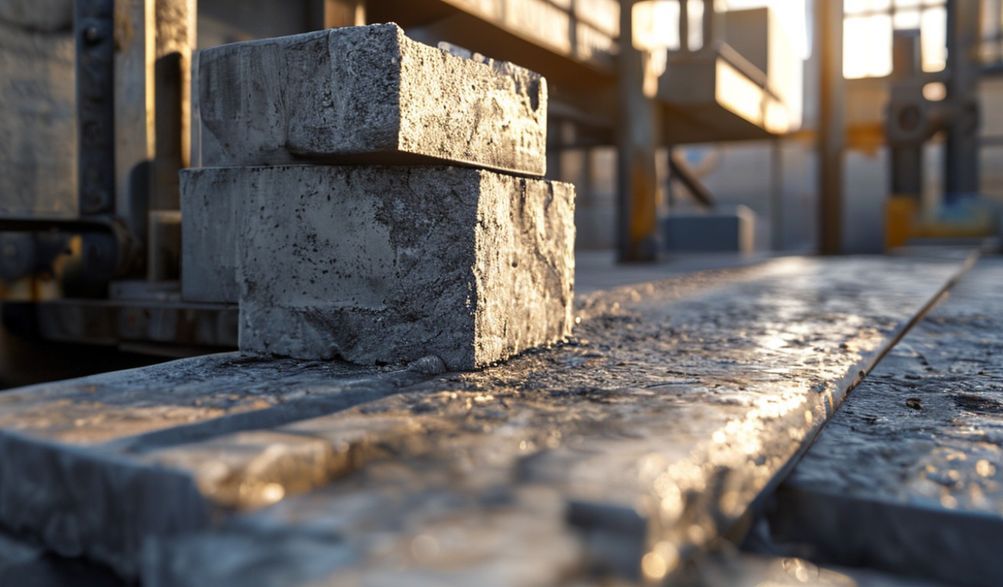
Harga Mesin Blok Gal: Panduan Pembeli & Analisis Kos Lengkap 2026
Jika anda membaca ini, anda mungkin berada di persimpangan jalan yang genting. Anda nampak potensi dalam pengeluaran blok konkrit—untuk projek pembinaan, usaha niaga baharu, atau mengembangkan operasi sedia ada. Tetapi anda juga berhadapan dengan labirin senarai dalam talian, terminologi yang mengelirukan, dan harga yang berjulat dari rendah yang mencurigakan hingga tinggi yang memeningkan. Keperluan teras anda jelas: untuk mencari penyelesaian yang boleh dipercayai dan berkesan kos, yang tidak akan menjadi lubang wang.
Kami faham. Perkataan "harga" berada di barisan hadapan fikiran anda, dan memang wajar begitu. Namun, dalam dunia mesin pembuat blok, harga hanyalah bayang-bayang. Ia terhasil daripada objek pejal seperti kualiti mesin, kapasiti pengeluaran, kecekapan operasi, dan ketahanan jangka panjang. Memberi tumpuan semata-mata pada kos pelekat adalah cara terpantas untuk menggugat kejayaan projek anda.
Panduan ini direka untuk menyingkap tabir. Ditulis dari perspektif industri, kami akan menjelaskan struktur kos lengkap bagi apa yang biasa dipanggil mesin "Block Gal". Kami akan melangkaui sebut harga awal untuk meneroka pelaburan permulaan, kos sampingan penting, serta perbelanjaan operasi tersembunyi. Matlamat kami adalah melengkapkan anda dengan pengetahuan untuk menilai nilai sebenar berbanding harga, memastikan pelaburan anda membina asas keuntungan, bukan masalah.
Memahami Mesin Pembuat Blok: Apa itu Mesin "Block Gal"?
Sebelum kita menyelami kos, mari kita perjelaskan produk itu sendiri. "Block Gal" adalah istilah kolokial, sering berasal dari sebutan serantau atau nama jenama, yang telah digunakan secara meluas untuk merujuk kepada mesin yang menghasilkan blok konkrit. Dari segi teknikal, anda sedang membeli mesin pembuat blok konkrit.
Core Function and Common Applications
At its heart, this machine compresses a mixture of cement, aggregate (like sand or crushed stone), and water into a mold to form a dense, uniform block. By changing the mold, a single machine can typically produce a variety of blocks, including:
- Blok berongga (untuk dinding struktur)
- Blok pejal
- Paving stones and slabs
- Interlocking blocks (for retaining walls)
- Batu tepi jalan dan produk landskap
The applications are vast, fueling several key industries:
- Pembinaan: From residential homes to commercial buildings, blocks are a fundamental material.
- Infrastruktur Berskala Besar: Used in roads, bridges, and drainage systems.
- Lanskap & Hardskap: For patios, walkways, and garden walls.
- Entrepreneurial Ventures: Starting a block manufacturing yard is a common business in developing and developed markets.
Key Machine Types and Their Impact on Price
The single greatest factor determining a Block Gal machine’s price is its level of automation and production method. Here’s the breakdown:
- Manual / Fly-Ash Press Machines: These are the entry-level workhorses. Operation is entirely labor-intensive—mixing, feeding, compacting, and stripping blocks are done by hand. They have the kos pendahuluan terendahtetapi kos buruh berterusan tertinggi dan output terendah.
- Mesin Semi-Automatik: This is the sweet spot for many small to medium businesses. They incorporate hydraulic systems and vibration motors to compact the concrete, significantly improving block density and quality. Feeding and block removal may still be manual, but the core process is mechanized. They offer a harga sederhana with a strong balance of efficiency and investment.
- Mesin Stesen Automatik Sepenuhnya: Designed for high-volume production plants. These are computer-controlled systems where raw material is fed at one end, and finished blocks are stacked at the other via conveyor belts and robotic arms. They represent a significant investment but deliver unmatched output, consistency, and labor savings.
- Fully Automatic Mobile Machines: The premium option. These combine high automation with mobility, allowing for on-site production (eliminating transport costs for blocks). Think of a large, self-contained factory on a trailer. They command the highest price point and are suited for massive infrastructure projects.
Breaking Down the Block Gal Machine Price: A Detailed Cost Structure
Let’s dissect what you’re really paying for. The purchase price is just the first layer.
Upfront Purchase Price: What You See
Based on projected 2026 market trends, here are approximate price ranges for new equipment. Remember, these are broad estimates and vary by region, brand, and specification.
- Manual Machine: $1,500 – $7,000
- Mesin Semi-Automatik: $8,000 – $50,000
- Fully Automatic Stationary Machine: $50,000 – $250,000+
- Fully Automatic Mobile Machine: $150,000 – $500,000+
What drives these differences?
- Kapasiti Pengeluaran (Blok/Jam): A machine that makes 1,000 blocks per hour costs exponentially more than one making 200.
- Tahap Pengautomasian: Each step mechanized—feeding, compaction, ejection, stacking—adds cost and value.
- Reputasi & Asal Usul Jenama: Established brands with proven durability often cost more than unknown manufacturers.
- Kuasa Motor & Sistem Hidraulik: Higher power and more sophisticated systems increase capability and price.
- Penyesuaian: Special molds or features add to the base cost.
Beyond the Sticker: Essential Ancillary Costs
This is where budgets often unravel. A machine alone cannot produce blocks.
- Molds & Pallets: Molds are specific to the block type and shape. A standard mold might cost $500-$2,000. High-wear items like pallets (the plates blocks form on) are a recurring cost. Consider them consumables.
- Raw Material Handling Equipment: You will likely need a pan or planetary mixer, a conveyor to feed the hopper, and possibly a forklift or block clamp for handling. This can add $3,000 to $20,000+ to your setup.
- Installation, Commissioning, and Training: Professional setup ensures your machine runs correctly from day one. Some suppliers include this; for others, it’s an extra fee. Don’t skip it.
- Perkapalan, Logistik, dan Cukai Import: For international orders, these costs can be substantial—sometimes 15-30% of the machine price. Always get a CIF (Cost, Insurance, and Freight) or DDP (Delivered Duty Paid) quote for clarity.
The Hidden Costs of Operation & Maintenance
The real financial test begins after the machine is installed.
- Penggunaan Kuasa: A semi-automatic machine with a 10HP motor running 8 hours a day consumes significant electricity. Diesel-powered mobile plants have high fuel costs. Calculate your local energy rates.
- Penyelenggaraan Rutin Hydraulic seals, vibrator motors, and wearing plates will need replacement. A reliable supplier will have affordable, available spare parts. A poor one will not.
- Kos Buruh: This is critical. A manual machine may require 4-6 people. A fully automatic line may need just 1-2. The salary savings over 3-5 years can justify a much higher initial automation investment.
- Cost of Raw Materials: Cement, aggregate, and pigment are your largest recurring expense. The machine doesn’t reduce this cost, but an efficient machine minimizes waste.
How to Get the Best Value for Your Investment
Value = Meeting Your Needs + Reliability + Support, all divided by Total Lifetime Cost.
Assessing Your Real Needs: Capacity, Block Type, and Scale
Don’t buy a Ferrari to go to the corner store. Be brutally honest with your requirements.
- Calculate Required Output: How many blocks do you need per day or week? Add a 20-30% buffer for growth. Match the machine’s realistik output (not its theoretical maximum) to this number.
- Identify Block Types: Will you produce only standard hollow blocks, or do you need versatility for paving stones and specialties? This dictates mold investments.
- Tentukan Skala Anda: A one-off project? A start-up business? An existing plant expansion? Your answer points directly to the machine type.
Key Features That Justify a Higher Price Tag
Sometimes, paying more upfront saves a fortune later. Look for:
- Kualiti Pembinaan: Heavy-duty steel frames, precision welding, and industrial-grade components. This means less vibration, fewer breakdowns, and a longer lifespan.
- Kecekapan Tenaga: IE3 or higher class electric motors and well-designed hydraulic systems reduce your daily operating cost.
- Comprehensive After-Sales Service: A minimum 12-month warranty on parts and labor is standard for good manufacturers. Access to prompt technical support—via phone, video, or in-person—is invaluable.
- Pematuhan & Piawaian: Machines bearing CE, ISO, or other international certifications have been designed and tested to meet safety and quality benchmarks. This isn’t just a sticker; it’s a risk mitigator.
The Pitfall of Choosing the Cheapest Option
The allure of a low price is powerful, but the risks are severe:
- Kerosakan Kerap: Downtime is lost revenue. Cheap machines break down often.
- Kualiti Blok yang Tidak Konsisten: Poor vibration and weak pressure lead to low-density blocks that fail compression tests, destroying your reputation.
- Bahaya Keselamatan: Substandard electrical systems or poorly guarded moving parts endanger your workers.
- Higher Lifetime Cost: The “savings” evaporate after the first major repair, not to mention lost production. Always analyze the Kos Pemilikan Keseluruhan (TCO).
Navigating the Market: Suppliers, Quotes, and Negotiation
Reputable Manufacturers vs. Local Distributors
- Manufacturers (Direct): You get the origin equipment, often at a better price. You have direct access to engineering teams for technical questions. The downside may be longer communication chains if overseas.
- Local Distributors/Agents: They offer local stock, faster service response, and easier communication. The trade-off is a higher price (they add a margin) and potentially less in-depth technical knowledge.
For most buyers, engaging directly with a reputable manufacturer—even if through an agent—yields the best combination of price and technical assurance.
How to Evaluate a Supplier’s Credibility (E-E-A-T Focus)
Use Google’s E-E-A-T framework to vet suppliers:
- Pengalaman: How long have they been building these machines? Request a client list in your region and actual project photos/videos, not just catalog stock images.
- Kepakaran: Do they ask detailed questions about your needs and offer tailored advice? Can they explain the technical specs of their hydraulic system or control panel?
- Kewibawaan: Are they featured in industry publications or directories? Do they hold relevant patents or certifications for their equipment?
- Kebolehpercayaan: Is their communication transparent and consistent? Do they provide clear, detailed contracts? Can they supply verifiable customer testimonials or connect you with past buyers?
Smart Questions to Ask Before You Buy
Arm yourself with these questions during negotiations:
- “Can you break down your quote to show the machine, molds, and shipping costs separately?”
- “What is the exact scope of your warranty? Which parts are covered, and for how long?”
- “Can you share a recent video of this exact machine model in operation at a customer’s site?”
- “What is your average lead time for shipping and delivering common spare parts like vibrator motors or hydraulic seals?”
- “Do you provide installation supervision and operator training? Is it included?”
Frequently Asked Questions (FAQ) on Block Gal Machine Price
Q1: What is the starting price for a basic block making machine?
A: For a new, basic manual or small semi-automatic machine, you can expect a starting price range of $1,500 to $8,000 for the base equipment. Remember, this rarely includes molds, mixers, or shipping.
Q2: Can I get a good quality automatic machine under $30,000?
A: It’s highly unlikely for a true, fully automatic machine. Reputable semi-automatic machines with some automated functions can be found in this range, but a durable, high-output fully automatic system requires a more significant investment in engineering and components. Be very wary of “automatic” claims at this price point.
Q3: How much does it cost to run a semi-automatic block machine per day?
A: Let’s simplify with an example. A 10HP (7.5kW) motor running for 8 hours consumes 60kWh. If your industrial electricity rate is $0.15/kWh, that’s $9 per day in power. Add labor for 2-3 workers and raw materials for the blocks produced to get a fuller picture.
Q4: Are used Block Gal machines a good way to save money?
A: They can be, but caution is paramount. Potential savings of 30-50% off new list price are possible. The risks include hidden wear and tear, obsolete technology, no warranty, and difficulty sourcing spare parts. Only consider a used machine if you can inspect it in person or have it inspected by a neutral mechanic.
Q5: Besides the machine price, what is the biggest ongoing expense?
A: By a wide margin, it is raw materials (cement and aggregate), which typically constitute 50-70% of your production cost. After that, for less automated setups, labor is the second largest recurring cost. For all machines, proactive maintenance is a necessary cost to prevent far larger repair bills.
Kesimpulan
The journey to understanding “Block Gal machine price” reveals that cost is a spectrum defined by capability, durability, and support. The wisest purchase decision is never anchored to the lowest initial number but is guided by the highest long-term value for your specific operation.
Investing in a block-making machine is investing in the foundation of your projects or business. Let this guide serve as your framework for engaging with suppliers, asking the right questions, and performing a true Total Cost of Ownership analysis. Choose a partner and a machine that will produce not just blocks, but profit and peace of mind for years to come. Your future success is being built, one block at a time.
<