
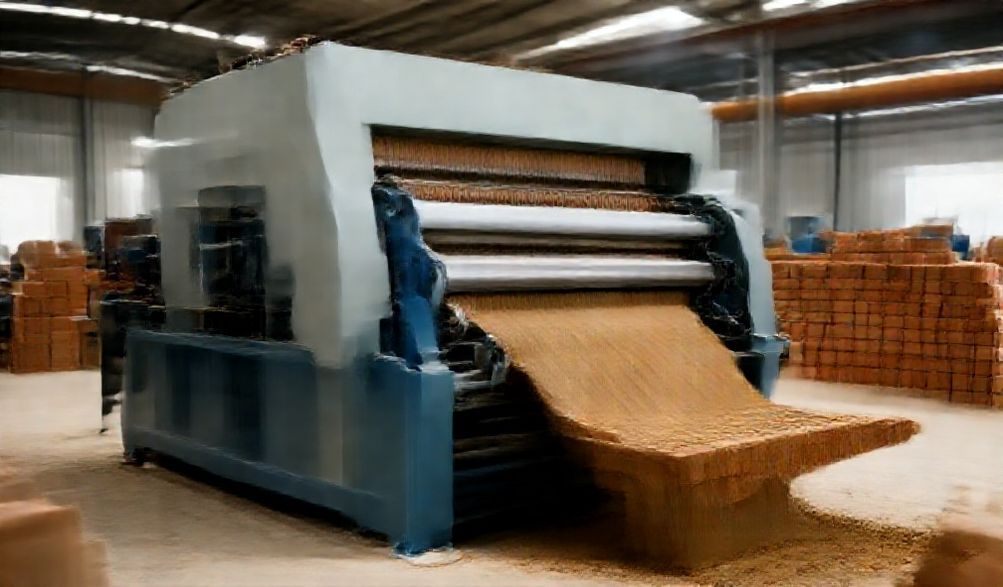
Panduan Muktamad Anda untuk Mesin Pembuatan Bata Tanah Liat di Gujarat | Wawasan dari Kilang FUDA
Gujarat megah berdiri sebagai pusat kuasa pembuatan India, kawasan di mana industri dan inovasi bertemu. Dalam sektor pembinaan yang penting, kehebatan ini dicontohkan oleh penguasaan negeri dalam menghasilkan jentera pembuatan bata yang kukuh dan efisien. Bagi usahawan, pembina, dan industrialis, mengemudi pasaran ini memerlukan lebih daripada sekadar katalog; ia memerlukan pandangan yang ditempa di lantai kilang. Di Kilang Pembuatan Bata FUDA, kami bukan sahaja mengeluarkan mesin ini selama bertahun-tahun tetapi juga mengendalikannya, memahami denyut nadinya dalam keadaan unik Gujarat. Panduan muktamad ini akan melengkapkan anda dengan pengetahuan untuk memahami.mesin pembuatan bata tanah liatteknologi, manfaatkan ekosistem perindustrian Gujarat, dan buat pelaburan yang bijak untuk memacu kejayaan projek anda.
Memahami Mesin Pembuatan Batu Bata Tanah Liat: Teknologi Inti
Transformasi tanah mentah menjadi blok bangunan yang seragam dan tahan lama adalah keajaiban kejuruteraan yang mudah tetapi tepat. Memahami teknologi teras adalah langkah pertama dalam membuat pembelian yang bijak.
Prinsip Kerja Mesin Bata Tanah Liat
Perjalanan dari tanah liat ke bata mengikuti laluan yang konsisten dan mekanis:
1. Mencampur & Mengetem:Tanah liat mentah dimasukkan ke dalam mesin pengaduk tanah liat di mana ia dihomogenkan dan dibawa ke tahap keplastikan serta kandungan lembapan optimum (biasanya 18-25%). Langkah ini penting untuk mengelakkan keretakan pada peringkat seterusnya.
2. Pembentukan/Penyemperitan:Tanah liat yang telah dirawat kemudian dipaksa melalui acuan di bawah tekanan tinggi dalam ruang penyemperitan. Ini menghasilkan tiang tanah liat yang berterusan dengan profil bata yang dikehendaki.
3. Memotong: The continuous clay column is cleanly cut into individual brick blanks using automatic wires or knives.
4. Pengeringan: The wet, green bricks are carefully stacked and moved to a drying area or chamber to remove excess moisture slowly and evenly, preventing warping.
5. Pembuangan kerja: Finally, the dried bricks are fired in a kiln (clamp, tunnel, or Hoffman) at high temperatures (900°C – 1200°C), which vitrifies the clay, giving the brick its final strength, durability, and color.
Types of Machines Available in Gujarat
The Gujarat market caters to every scale of operation:
* Manual/Fly Ash Brick Making Machines: Ideal for small-scale or rural entrepreneurs. These are lever-operated or simple hydraulic machines requiring significant manual labor for feeding and brick removal. They are low-cost but have lower output.
* Mesin Bata Tanah Liat Semi-Automatik: The sweet spot for many medium-scale units. Key processes like mixing and extrusion are motorized, but brick handling and stacking may be manual. They offer a excellent balance between output, cost, and flexibility.
* Loji Pembuatan Bata Sepenuhnya Automatik: Designed for high-volume, commercial production. These integrated plants feature automated material handling, computerized controls, automatic stackers, and sometimes integrated drying systems. They maximize output and minimize labor but require a higher initial investment.
Komponen Utama Mesin yang Andal
The durability of a brick machine hinges on its core components:
* Acuan/Die: The heart of the machine. High-quality, wear-resistant steel molds ensure consistent brick size and shape over millions of cycles.
* Sistem Hidraulik: The muscle. A robust, oil-cooled hydraulic system with reliable pumps and valves ensures consistent pressure for dense, strong bricks and smooth operation.
* Mixer (Pugmill): The foundation. A powerful, dual-shaft pugmill with sturdy blades ensures thorough and consistent clay tempering, which is 50% of the battle for quality bricks.
* Panel Kawalan & Automasi: The brain. From simple starters to PLC-based panels, a well-designed control system ensures operational safety, ease of use, and diagnostic capabilities.
Why Gujarat is a Hub for Brick Machinery Manufacturing
Gujarat’s status as a manufacturing Mecca for brick machinery isn’t accidental; it’s the result of a perfect industrial storm.
Industrial Ecosystem & Raw Material Availability
- Supplier Network: Gujarat’s dense network of suppliers for high-grade steel plates, hydraulic cylinders, electric motors, and gearboxes means manufacturers like FUDA have access to quality components with shorter lead times, reducing costs.
- Kedekatan Bahan Mentah: The state has abundant deposits of good-quality brick clay and is a major producer of fly ash from thermal power plants, fueling both the clay and fly ash brick machine segments.
Skilled Labor and Technical Expertise
Decades of industrial culture have cultivated a skilled workforce proficient in welding, fabrication, machining, and assembly. This technical talent pool ensures machines are built to precise specifications. Furthermore, a deep-rooted understanding of machinery maintenance among local technicians benefits end-users.
FUDA’s Experience in the Gujarat Market
Our journey at FUDA Brick Making Factory has been intertwined with Gujarat’s industrial growth. We’ve learned that a machine for the clay in Kutch might need a different tempering approach than one for Saurashtra’s soil. We’ve built our machines with reinforced frames to handle the continuous, demanding production schedules common among Gujarati entrepreneurs. Most importantly, we’ve invested in a responsive after-sales network across the state because we know that downtime is lost revenue for our clients.
How to Choose the Right Clay Brick Machine in Gujarat
Selecting a machine is a strategic decision. Here is our practical advice, drawn from countless client consultations.
Menilai Keperluan & Skala Pengeluaran Anda
Start by asking yourself:
* What is my target daily or monthly output (e.g., 20,000 bricks/day)?
* What type and size of bricks will I produce (solid, hollow, paver blocks)?
* What is my available space for the machine, drying yard, and raw material storage?
* What is my realistic budget, including installation and working capital?
Critical Machine Specifications to Scrutinize
Don’t just look at the price tag; examine the specs sheet:
* Kapasiti Pengeluaran: Ensure the “bricks per hour” claim is for the standard brick size you need and under normal working conditions.
* Keperluan Kuasa: Check if it runs on 3-phase electricity or diesel. Calculate your ongoing energy costs. A typical medium-capacity machine may require a 25-40 HP motor.
* Tahap Automasi: Match this to your labor availability and cost. Semi-automatic offers a good balance. Fully automatic maximizes output with minimal manual intervention.
* Machine Weight & Build: Heavier machines often indicate better stability, vibration damping, and use of thicker steel plates, leading to longer life.
The Importance of Build Quality and After-Sales Service
This is where manufacturers are truly separated.
* Kualiti Pembinaan: Inspect the welding, the thickness of the frame, and the brand of key components like hydraulics and motors. A machine is a long-term asset.
* Perkhidmatan Selepas Jualan: This is non-negotiable. Confirm:
* Installation and commissioning support.
* Comprehensive operator training.
* Warranty period and terms.
* Availability of spare parts inventory locally.
* Accessibility of service engineers for breakdowns.
At FUDA, we consider our service commitment a core part of our product. We ensure our clients are never left alone with a stalled machine.
Beyond the Machine: Operational Best Practices from FUDA
Buying the machine is step one. Running it profitably is the real goal. Here’s what we’ve learned on our shop floor.
Preparing Your Clay: Tips for Optimal Results
- Uji Tanah Liat Anda: Analyze its composition. Sandy clay needs less tempering; sticky clay may need sand addition.
- Control Moisture Religiously: Invest in a moisture meter. Incorrect moisture is the leading cause of cracking and jamming in the extruder.
- Age Your Clay: If possible, let excavated clay weather for a week or two. This improves its plasticity and workability.
Routine Maintenance Checklist for Longevity
A little care prevents major repairs:
* Daily: Clean the mold/Die after every shift. Check hydraulic oil levels and for leaks. Grease all nipples.
* Weekly: Tighten all bolts and nuts (vibration can loosen them). Inspect cutting wires and replace if worn.
* Monthly: Change hydraulic oil filters. Check wear on mixer blades and mold liners. Inspect electrical connections.
Maximizing Efficiency and Output
- Optimize Workflow: Design your layout so that raw material storage → mixer → machine → drying area follows a smooth, linear flow to minimize handling.
- Master the Drying Process: Ensure even air circulation in your drying shed. Improper drying leads to losses in the kiln. Avoid direct sunlight on green bricks.
- Record & Analyze: Keep a log of daily output, downtime reasons, and clay batches. This data helps in fine-tuning your process.
Soalan Lazim (FAQ)
Q1: What is the approximate price range for a clay brick making machine in Gujarat?
A: Prices vary dramatically. A basic manual machine can start from ₹3-5 lakhs. A robust semi-automatic machine may range from ₹10-25 lakhs. Fully automatic plants begin around ₹50 lakhs and can go into crores, depending on capacity and automation level. We always advise getting a detailed quotation based on your specific output and brick type requirements.
Q2: Can the same machine produce different sizes and types of bricks?
A: Absolutely. This is achieved through interchangeable molds (dies). A reputable manufacturer like FUDA will offer a range of mold options for solid, hollow, or interlocking bricks. Switching molds is a straightforward process that takes a skilled technician a short time.
Q3: What kind of after-sales support can I expect from a manufacturer like FUDA?
A: Our standard support package includes on-site installation supervision, thorough training for your operators on machine operation and basic maintenance, a comprehensive warranty (terms specified in the contract), guaranteed supply of genuine spare parts, and access to our team of service engineers for troubleshooting via phone or site visits.
Q4: What are the common challenges in clay brick production and how are they solved?
A: Key challenges include:
* Clay Variability: Solution: Test and blend different clay pits or use additives to achieve consistency.
* Brick Cracking: Solution: Precisely control moisture content and improve drying conditions (even, slow drying).
* Machine Wear & Tear: Solution: Adhere strictly to the preventive maintenance schedule and use quality spare parts.
Q5: Is it profitable to start a brick manufacturing unit in Gujarat today?
A: The demand for quality bricks in Gujarat’s booming construction sector remains strong. Profitability depends on factors like your location (proximity to demand and raw materials), scale of operation, operational efficiency, and product quality. A well-planned unit with the right machine, good clay source, and efficient management can achieve healthy returns. We recommend a detailed business plan that accounts for all capital and operational expenses.
Kesimpulan
Choosing the right clay brick making machine in Gujarat is a decision that hinges on understanding technology, leveraging local manufacturing strengths, and partnering with a manufacturer who offers more than just a product. It requires a partner with hands-on experience and a commitment to your success. At FUDA Brick Making Factory, we bring our decades of manufacturing and operational expertise to every machine we build and every client we support. We are invested in ensuring your brick-making venture is built on a foundation of reliability and quality.
Ready to build the future of your business? Contact FUDA Brick Making Factory today for a personalized consultation, a visit to our manufacturing facility, or a detailed, no-obligation quotation tailored to your production goals.
<