Comprehensive Guide to Block Production Materials
The production of concrete blocks is a precise science of proportioning and combining various materials to achieve specific structural and aesthetic properties. The formulation is commonly referred to as the “mix design.”
1. Primary Binding Agent: Cement
Cement acts as the glue that binds all other components together, forming a solid matrix upon hydration.
- Types Commonly Used:
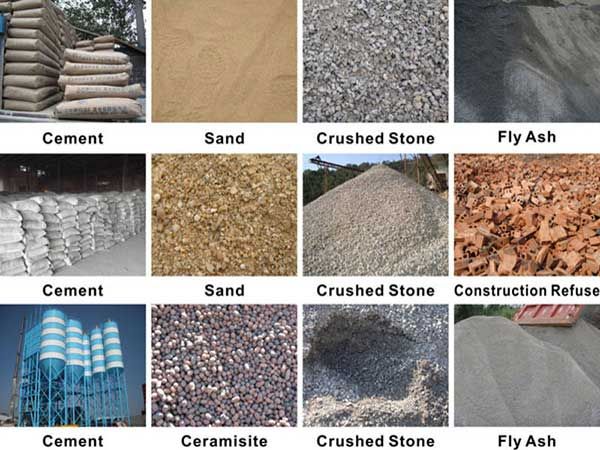
- Ordinary Portland Cement (OPC): The most widely used type, available in grades (e.g., 43, 53) indicating compressive strength. Suitable for general-purpose block production.
- Portland Pozzolana Cement (PPC): Contains pozzolanic materials like fly ash, which can improve workability, reduce heat generation, and enhance long-term durability and resistance to certain chemicals. Often a cost-effective and performance-enhancing alternative.
- Strategic Considerations for Distributors: Guide clients on cement selection based on local availability, cost, and block performance requirements. Consistency in cement quality from batch to batch is paramount for producing uniform blocks. Understanding local cement standards and certifications is essential.
2. Aggregates: The Skeletal Framework
Aggregates make up approximately 60-80% of the block’s volume, providing bulk, dimensional stability, and influencing weight, thermal properties, and finish.
- Fine Aggregates: Typically sand (0-4mm particle size). It fills the voids between coarser aggregates.
- Sources: River sand, crushed stone sand (manufactured sand), or industrial by-products like foundry sand (subject to testing).
- Key Quality Parameters: Must be clean, free of organic matter, clay, and silt. Particle size distribution (gradation) affects workability, water demand, and surface finish of the block.
- Coarse Aggregates: Include gravel or crushed stone (typically 4-10mm for standard blocks).
- Role: Provides primary strength and reduces drying shrinkage. The maximum aggregate size is limited by the block’s wall thickness.
- Lightweight Aggregates: For specialized blocks, materials like expanded clay, shale, or slate (LECA), pumice, or perlite are used to produce lightweight, insulating blocks with good fire resistance.
3. Water: The Activating Agent
Water is essential for the chemical reaction (hydration) that hardens cement. Its quality is frequently overlooked but critically important.
- Specifications: Water should be potable—clean, free from harmful amounts of oils, acids, alkalis, salts, and organic materials. Impurities can interfere with setting time, weaken the final product, or cause unsightly efflorescence (white, powdery deposits on the block surface).
- Water-to-Cement Ratio (w/c): This is a fundamental ratio in mix design. A lower w/c ratio generally yields higher strength and durability but requires more precise vibration and compaction during manufacturing. Educating clients on this balance is key.
4. Supplementary Cementitious Materials (SCMs) and Admixtures
These materials modify and enhance the properties of the basic concrete mix, offering opportunities for cost optimization and performance differentiation.
- SCMs:
- Abu Terbang: A by-product of coal-fired power plants. When used as a partial cement replacement (often 15-25%), it can improve workability, increase long-term strength, reduce permeability, and lower the heat of hydration.
- Ground Granulated Blast Furnace Slag (GGBFS): A by-product of iron production. It enhances durability, particularly resistance to sulfate attack, and can improve the finish.
- Chemical Admixtures:
- Plasticizers/Water Reducers: Allow for a reduction in water content while maintaining workability, leading to higher early and ultimate strength.
- Accelerators: Speed up the initial set, which is beneficial in cold weather or for rapid pallet turnover.
- Pigmen: Iron oxide pigments (for reds, browns, blacks, yellows) are added to produce colored blocks and pavers for architectural applications.
5. Production Consumables: Beyond the Raw Mix
A functional factory requires ongoing consumable materials.
- Palet: Steel or wooden pallets upon which blocks are formed and cured. They must be robust, flat, and dimensionally stable to ensure product consistency.
- Mold Release Agent/Oil: Applied to molds and pallets to prevent fresh concrete from adhering, ensuring clean demolding and prolonging equipment life.
- Curing Supplies: After initial setting, blocks require moisture for continued hydration. This can involve water spray systems, curing sheets, or steam curing chamber supplies.
Conclusion: Mastering the Material Equation
Success in the block manufacturing supply chain hinges on a holistic understanding of material science. For the business intermediary, this knowledge transforms your role from a simple equipment or material vendor to a trusted technical advisor. By comprehending how different cements, aggregates, and admixtures interact, you can help clients optimize their mix designs for local material availability, control costs, meet specific market demands (e.g., high-strength blocks, lightweight insulating units, or aesthetically colored pavers), and troubleshoot production issues. Ultimately, the consistent quality of the finished block begins with the consistent quality and informed selection of its constituent materials. Empowering your clients with this insight fosters stronger partnerships and drives mutual, sustainable growth.
Frequently Asked Questions (FAQ)
Q1: Can blocks be made using only sand and cement?
A: While a simple sand-cement mix can produce solid blocks, it is generally not optimal for standard hollow block production. Such a mix can be prone to high shrinkage cracking, lower durability, and higher cost per unit strength. The inclusion of properly graded coarse aggregate improves strength, reduces shrinkage, and often lowers material costs.
Q2: How does the quality of sand impact block production?
A: Poor-quality sand containing excessive silt or clay can have several negative effects: it increases water demand, weakens the cement-aggregate bond, reduces compressive strength, and can cause severe efflorescence. Washing or testing sand before use is a critical quality control step.
Q3: What is efflorescence and how can material choice minimize it?
A: Efflorescence is the white, chalky deposit on block surfaces caused by water-soluble salts (often from aggregates or water) migrating and crystallizing. It can be minimized by using clean, low-salt aggregates and potable water, ensuring proper concrete compaction, and employing mixes with low permeability (e.g., using SCMs like fly ash).
Q4: Are there sustainable or alternative materials used in modern block production?
A: Yes, sustainability is a growing trend. Key materials include:
- Industrial By-products: Fly ash and GGBFS, as mentioned, divert waste from landfills and reduce the cement content.
- Recycled Aggregates: Crushed, clean concrete from construction demolition can be used as a partial replacement for virgin aggregates.
- Lightweight Aggregates: Like expanded recycled glass or slag.
Q5: Why is consistent material sourcing so important for a block factory?
A: Consistency in the physical and chemical properties of all input materials—especially cement, aggregates, and water—is the single most important factor for producing blocks with uniform dimensions, color, strength, and weight. Inconsistent materials lead to production problems, variable product quality, and dissatisfied customers. Establishing reliable supply partnerships is foundational to a successful operation.