Foundational Principles and Safety Precautions
Before addressing specific components, establishing a correct cleaning philosophy and safe working environment is paramount.
A. The “Clean-as-You-Go” and “Final Clean” Philosophy
- Operational Cleaning: Encourage operators to perform minor cleaning during natural pauses or changeovers, such as quickly clearing spillage from the feed table. This prevents large accumulations.
- End-of-Shift Deep Clean: This is the non-negotiable, comprehensive procedure performed after the final cycle, before the machine is secured. It is methodical and unhurried.
B. Safety First Protocol
- Lock Out, Tag Out (LOTO): The machine must be completely powered down, with main electrical and hydraulic energy sources isolated and locked. This is non-negotiable to prevent accidental activation.
- Peralatan Perlindungan Diri (PPD): Operators must wear safety glasses, gloves, sturdy boots, and hearing protection if using compressed air.
- Pengendalian Bahan: Have designated tools and containers for removing waste concrete, which should be disposed of properly, not simply swept onto the floor.
II. Systematic Cleaning by Machine Zone
A structured approach ensures no critical area is missed. Follow this sequence for effectiveness.
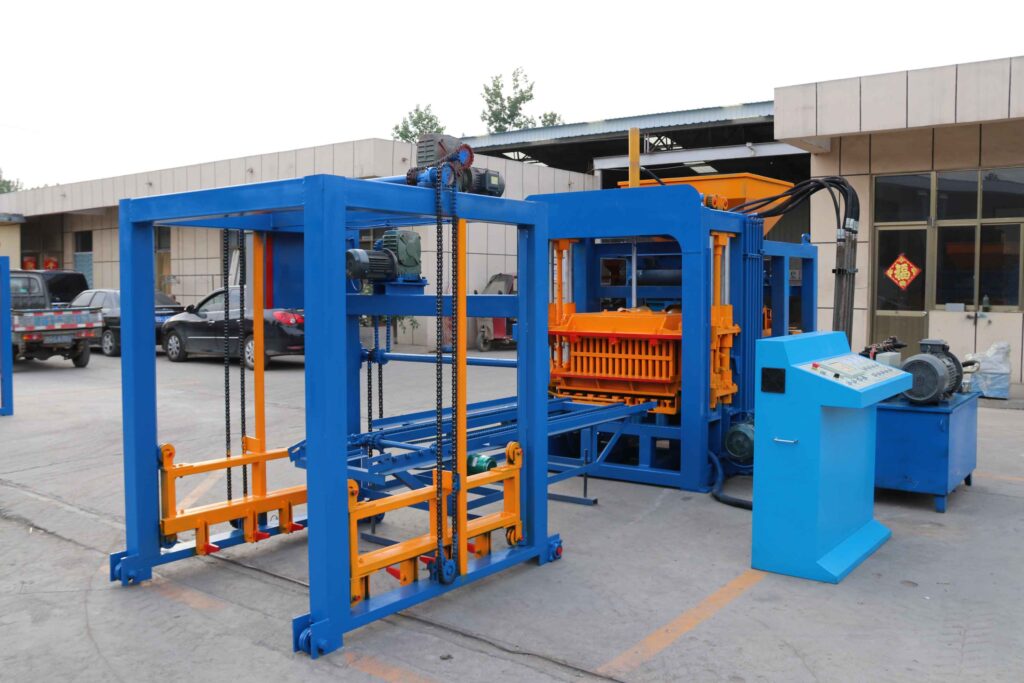
A. Primary Zone: The Mold and Press Assembly
This is the highest-priority area. Concrete here hardens quickly and causes immediate quality issues.
- Initial Dry Removal: After the last block is ejected, use a non-metallic scraper (hard plastic or wood) to remove the bulk of wet or semi-wet concrete from the mold surfaces, press head, and stripper head. Never use steel tools, which can scratch precision-machined surfaces.
- Detailed Mold Cavity Cleaning: Use dedicated brushes (nylon or fiber) to clean each mold cavity, cores, and liners. Pay special attention to corners and undercut areas where material builds up.
- Final Wipe and Treatment: Once all residue is removed, wipe surfaces with a dry, lint-free cloth. If recommended by the manufacturer, apply a light, uniform coat of specific anti-corrosion spray or mold release oil to the clean mold liners to prevent rust during downtime.
B. Secondary Zone: Feed and Material Handling System
Residue here causes uneven filling and abrasive wear on moving parts.
- Hopper and Feed Box: Empty the hopper completely. Use scrapers and brushes to clean the interior walls, the feed gate, and the feed box (scoop). Ensure the feed box’s travel path is clear.
- Mixer and Conveyor (if applicable): For plant-integrated systems, follow the manufacturer’s flush or clean-out procedure. This may involve running the mixer with coarse aggregate and water or using specialized cleaning paddles.
C. Tertiary Zone: The Pallet Circulation System
Dirty pallets and tracks are a leading cause of block sticking and misalignment.
- Pallet Cleaning Station: Ensure the automatic cleaning brushes or scrapers are functional and effective. Manually clean any pallets that return with significant concrete buildup before they re-enter the cycle.
- Pallet Return Tracks and Rollers: Brush off concrete dust and debris from the tracks, guide rails, and rollers. Built-up debris can misalign pallets, causing jams.
D. Quaternary Zone: Exterior and Perimeter Areas
General cleanliness prevents environmental contamination of sensitive components.
- Machine Exterior: Wipe down the machine’s frame, control panel cover (with power off), and hydraulic components to remove dust and oil mist. This makes leaks easier to spot.
- Floor Area: Sweep and wash the floor around the machine. A clean work area is safer and prevents dried concrete from being tracked back onto the machine or into bearings.
III. Advanced Techniques and Agent Guidance
Understanding what to use—and what to avoid—is key.
A. Cleaning Agents: Proceed with Caution
- Air: The primary agent. Use it sparingly and directed. Avoid high-pressure water jets directly on bearings, electrical cabinets, sensors, or valve banks.
- Specialized Cleaners: If necessary, use a mild, pH-neutral detergent designed for industrial equipment. Avoid strong acids or alkaline cleaners, which can damage paint, seals, and metal surfaces. Always test in a small area first.
- Compressed Air: Useful for blowing out dust from electrical cabinets (with extreme care) and hard-to-reach areas. Always wear eye protection.
B. Dealing with Hardened Concrete
If material has been left to cure, mechanical removal is required.
- Tools: Use manual scrapers, never pneumatic hammers or chisels applied directly to the machine, as they can damage surfaces and loosen critical fasteners.
- Proses: Carefully tap the hardened material from the side to break the bond with the metal. Patience is required to avoid damaging the substrate.
Conclusion
A disciplined, thorough post-use cleaning regimen is the most visible indicator of a professional operation. It directly translates to reduced wear on high-cost components like molds and hydraulic seals, eliminates the primary causes of block defects, and ensures every production day begins with a machine in “ready-state” condition. For equipment professionals, instilling this discipline in clients protects the asset you sold, minimizes warranty claims stemming from neglect, and builds a partnership based on shared goals of longevity and productivity. In essence, the time invested in meticulous cleaning is not an expense; it is a high-return investment in the machine’s future, guaranteeing it will perform reliably shift after shift, year after year.
FAQ
Q1: Is it acceptable to just leave a little bit of wet concrete in the hopper or mold if we’re running the same mix tomorrow?
A: Absolutely not. Even a small amount will harden overnight, creating a crust that will break off during the next run, contaminating your fresh mix and potentially jamming the feed system. It will also bond more strongly to surfaces, making it far harder to remove later. Always clean to bare metal.
Q2: Can we use diesel fuel or solvent to clean grease and oil off parts of the machine?
A: This is strongly discouraged. These solvents can damage rubber seals and hoses, degrade electrical wire insulation, create a severe fire hazard, and pose health risks to personnel. Use dedicated, manufacturer-approved industrial degreasers or detergents instead.
Q3: How do we safely clean the sensitive area around hydraulic cylinders and electrical sensors?
A: For these areas, use a soft brush and a damp (not wet) cloth. The goal is to wipe away grime without allowing moisture to ingress into rod seal glands, electrical connectors, or sensor faces. Cover sensitive components if using water nearby.
Q4: What is the biggest risk of using high-pressure water for cleaning?
A: High-pressure water forces moisture and contaminants into sealed bearings, electrical connections, valve spools, and behind panel covers. This leads to premature corrosion, bearing failure, short circuits, and hydraulic fluid contamination, causing failures that are expensive and difficult to diagnose.
Q5: How can we make the end-of-day cleaning process faster and more efficient for the operators?
A: Implement a standardized checklist with clear zones (Mold, Feed, Pallets, Floor). Provide the right tools (non-metal scrapers, dedicated brushes, waste bins) in an easily accessible cleaning station. Streamlining the process and making tools available reduces resistance and ensures consistency across shifts.