
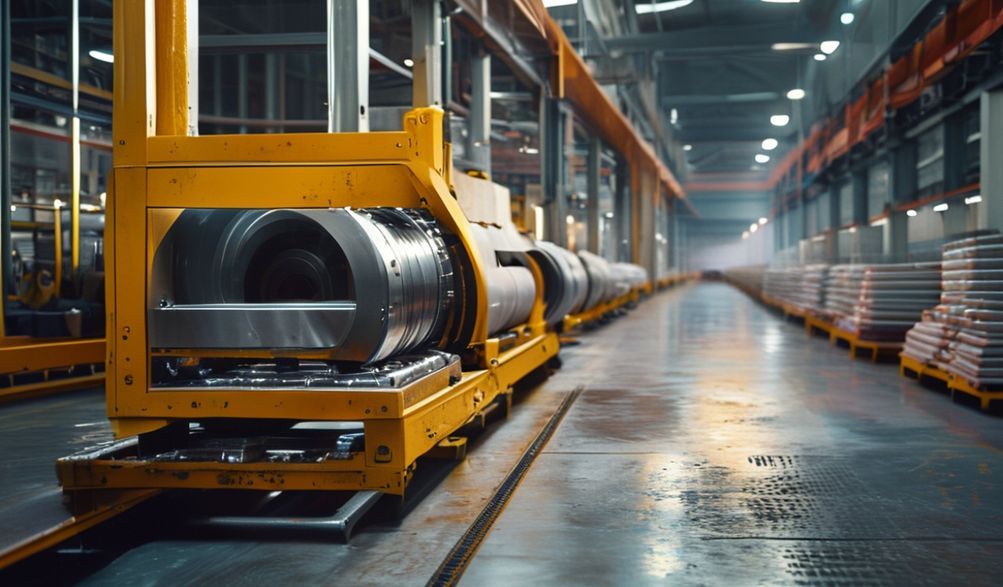
Panduan Muktamad untuk Mesin Blok dan Bata: Di Dalam Kilang Pembuatan Bata FUDA
Pengenalan
Meneroka dunia jentera pembinaan memerlukan lebih daripada sekadar pandangan sepintas lalu pada helaian spesifikasi. Ia memerlukan pandangan yang ditempa dari lantai kilang. Panduan komprehensif ini ditulis berdasarkan pengalaman industri langsung selama bertahun-tahun dalam pembuatan jentera pembinaan dan operasi kilang. Kami akan memberikan tinjauan yang berwibawa dan mendalam mengenai mesin blok dan bata moden, dengan fokus khusus pada proses pembuatan, piawaian kualiti, dan inovasi teknologi di kilang pembuatan bata FUDA.
Sama ada anda pemilik perniagaan pembinaan yang ingin meningkatkan pengeluaran, jurutera awam yang menentukan spesifikasi bahan, atau pelabur yang menilai usaha niaga bahan binaan, analisis pakar ini akan melengkapkan anda dengan pengetahuan asas untuk membuat keputusan yang benar-benar termaklum. Kami melangkaui dakwaan pemasaran untuk mengkaji prinsip kejuruteraan, realiti operasi, dan proposisi nilai yang menentukan kecemerlangan dalam jentera pengeluaran bata.
Memahami Mesin Pembuat Blok dan Bata Moden
Evolusi daripada acuan bata manual ke barisan pengeluaran automatik berkeluaran tinggi mewakili salah satu lompatan paling signifikan dalam teknologi pembinaan. Mesin blok dan bata hari ini adalah peralatan industri canggih yang direka untuk ketepatan, kecekapan dan ketahanan tanpa henti. Memahami fungsi teras mereka adalah langkah pertama dalam menghargai nilai yang dibawa oleh pengeluar seperti FUDA ke pasaran.
Komponen Teras dan Cara Ia Berfungsi
Kecekapan mesin pembuatan bata bergantung pada interaksi lancar sistem utamanya.
-
Sistem Hidraulik: Jantung Tekanan dan Ketepatan
Ini adalah pusat kuasa. Ia menghasilkan daya terkawal yang amat besar yang diperlukan untuk memadatkan bahan mentah (seperti konkrit atau simen-tanah) menjadi blok padat dan kuat. Kualiti pam hidraulik, silinder, dan injap secara langsung menentukan konsistensi ketumpatan bata dan seterusnya, kekuatan mampatan akhirnya. Sistem hidraulik yang kukuh memastikan setiap bata adalah sama dengan yang sebelumnya. -
Unit-unit Acuan: Dari Bahan Mentah ke Blok Berbentuk Sempurna
Acuan adalah tempat keajaiban pembentukan berlaku. Komponen yang mudah haus ini direka bentuk dengan ketepatan untuk menentukan saiz, bentuk (contohnya, berongga, padat, pavar), dan tekstur permukaan blok. Mesin berkualiti mempunyai acuan yang diperbuat daripada keluli atau aloi yang dikeraskan dan tahan haus, memastikan ia menghasilkan beribu-ribu blok tanpa variasi dimensi atau kegagalan pramatang. -
Sistem Kawalan: Automasi dan Konsistensi dalam Pengeluaran
Otak operasi. Dalam model separa automatik dan automatik sepenuhnya, Pengawal Logik Boleh Aturcara (PLC) menguruskan keseluruhan kitaran pengeluaran: memberi makan bahan, menggetarkan, mengaktifkan akhbar hidraulik, dan mengeluarkan blok siap. Automasi ini menghapuskan kesilapan manusia, menjamin masa kitaran yang konsisten, dan membolehkan pelarasan tekanan serta getaran yang tepat untuk campuran bahan yang berbeza.
Jenis-Jenis Mesin Pembuat Bata: Analisis Perbandingan
Memilih jenis mesin yang tepat adalah kritikal dan bergantung sepenuhnya pada skala projek, bajet, dan keperluan mobiliti anda.
-
Mesin Tekan Statik vs Mesin Peletak Telur Mudah Alih
- Mesin Tekan Statik:Ini adalah pusat kuasa pegun. Mereka menghasilkan bata di lokasi tetap, kemudian bata-bata itu diangkut ke kawasan pematangan. Biasanya lebih kukuh, menawarkan tekanan lebih tinggi, dan sesuai untuk pengeluaran berskala besar serta volum tinggi di halaman atau kilang khusus.
- Mesin "Bertelur" Mudah Alih:Mesin-mesin ini bergerak sendiri atau boleh ditarik. Ia menghasilkan bata dan meletakkan (atau "membaringkan") bata tersebut terus ke atas permukaan tanah yang rata, bergerak ke hadapan selepas setiap kitaran. Ini menghapuskan keperluan untuk palet dan pengendalian bata, menjadikannya sesuai untuk pengeluaran di tapak bagi projek seperti jalan raya atau papak lantai yang besar.
-
Model Sepenuhnya Automatik, Separa Automatik, dan Manual
- Sepenuhnya Automatik:Sistem-sistem ini mengintegrasikan pemakanan bahan, pencampuran, penghantaran, penekanan, dan penimbunan dengan campur tangan manusia yang minimum. Ia menawarkan output dan konsistensi tertinggi tetapi memerlukan pelaburan awal yang lebih tinggi.
- Separa Automatik:Pilihan yang seimbang. Kitaran penekanan teras adalah automatik, tetapi pemuatan bahan mentah atau penyingkiran blok siap mungkin dilakukan secara manual. Ia menawarkan produktiviti yang sangat baik dengan lebih banyak fleksibiliti dan titik kos yang lebih rendah.
- Mesin Manual:Dikendalikan terutamanya oleh tuil tangan atau roda tenaga. Ia berharga rendah dan sesuai untuk projek keusahawanan berskala sangat kecil tetapi tidak dapat menandingi keluaran atau kualiti konsisten sistem automatik.
-
Mesin Khusus untuk Pavers, Blok Berongga, dan Bata Saling Kunci
Kilang moden menghasilkan mesin yang direka khusus untuk produk tertentu. Mesin yang dioptimumkan untuk blok berongga tugas berat akan mempunyai profil tekanan dan getaran yang berbeza berbanding mesin yang direka untuk batu paving hiasan yang licin atau bata saling kunci yang digunakan dalam pembinaan timbunan kering.
Inside the FUDA Brick Making Factory: A Model of Manufacturing Excellence
A machine is only as good as the processes that created it. The FUDA brick making factory operates on principles that transform raw steel into reliable, high-performance capital equipment. This commitment to excellence at the source is what separates market leaders from the rest.
FUDA’s Manufacturing Philosophy and Quality Control
The journey of a FUDA machine is defined by rigorous checks and a focus on structural integrity.
-
From Steel to Machine: The Production Line Journey
It begins with the selection of raw materials. High-grade steel plates and profiles are cut, shaped, and welded using advanced CNC machinery and by skilled technicians. Critical welds are often stress-relieved and inspected to prevent future cracking under cyclic loads. -
Rigorous Testing Protocols: Ensuring Durability and Performance
Before leaving the factory, machines undergo stringent testing. This includes “dry-run” cycles to check alignment and automation sequences, as well as pressure tests on the hydraulic system to ensure it meets and exceeds its rated capacity. Key components are individually tested for tolerance and performance. -
ISO Standards and Industry Certifications Held by FUDA
Adherence to international standards like those from the International Organization for Standardization (ISO) is a key indicator of a factory’s commitment to systematic quality management, safety, and environmental responsibility. These certifications provide a framework for consistent, world-class manufacturing.
Innovation at the FUDA Factory
Stagnation is not an option in industrial manufacturing. Forward-thinking factories like FUDA invest in continuous improvement.
-
R&D Focus: Energy Efficiency and Higher Output Designs
Research and Development teams work on optimizing hydraulic circuits to deliver maximum pressure with minimal energy consumption. They also refine vibration systems to achieve optimal material compaction faster, thereby increasing bricks-per-hour output without sacrificing quality. -
Adapting Machines for Diverse Raw Materials (Clay, Concrete, Fly Ash)
A significant innovation is designing machines that are not limited to one mix. FUDA engineers develop systems that can effectively process everything from standard concrete to stabilized local soil and eco-friendly fly ash, a by-product of coal combustion. This adaptability opens markets and promotes sustainable construction. -
Smart Factory Integration: IoT and Data-Driven Manufacturing
The modern factory floor is becoming connected. Implementing IoT (Internet of Things) sensors allows for real-time monitoring of assembly line equipment, predictive maintenance, and data collection on machine performance that feeds back into the design process for future models.
Key Features of FUDA Block Making Machines
The principles upheld in the FUDA factory manifest in tangible features that deliver value on your worksite. These are not just specifications; they are promises of performance and longevity.
Durability and Construction for Long-Term Operation
Construction sites are harsh environments. FUDA machines are built to endure.
-
High-Grade Steel and Reinforced Framing
The main frame and pressing plates are constructed from thick, high-tensile steel. This robust skeleton absorbs the immense forces generated during operation, preventing frame deflection that would lead to misalignment and poor brick quality over time. -
Wear-Resistant Molds and Components
Critical wear parts like molds, tamper feet, and feedbox liners are manufactured from specially hardened or alloyed steels. This dramatically extends their service life, reducing downtime for replacements and lowering the long-term cost of operation. -
Real-World Case Study: FUDA Machine Lifespan in Harsh Environments
Consider machines operating in high-dust quarries or humid coastal regions. The choice of corrosion-resistant coatings, sealed bearings, and protected electrical components in FUDA machines is a direct response to these challenges, ensuring a operational lifespan that can span decades with proper maintenance.
Productivity and Output Specifications
Duraability means little without productivity. FUDA machines are engineered for efficient output.
-
Cycle Times and Bricks-Per-Hour Capacity
Every model has a designed cycle time—the time from one brick ejection to the next. FUDA optimizes this through efficient hydraulic sequences and quick mold changes. Capacities are clearly stated, allowing you to accurately forecast project timelines based on model choice. -
Customization Options for Different Block Sizes and Shapes
Beyond standard offerings, factories like FUDA often provide customization. This can include producing non-standard mold sizes for unique architectural blocks or configuring the machine’s vibration system for a specific, locally-sourced aggregate mix. -
How FUDA Machines Optimize Production for Profitability
Profitability is a function of output, waste, and reliability. By ensuring consistent brick quality (reducing waste/rejects), maximizing uptime through durable construction, and enabling faster construction cycles with dimensionally perfect blocks, FUDA machines are designed as productivity tools that positively impact your bottom line.
Choosing the Right Machine for Your Project Needs
With a clear understanding of the technology and manufacturing pedigree, the next step is practical application. Selecting the ideal machine is a strategic decision that aligns your business goals with technical capability.
Menilai Keperluan Pengeluaran Anda
Begin with an honest internal assessment.
-
Scale: Small-Scale Yard vs. Large Industrial Plant Needs
Are you supplying bricks for local housing projects, or are you establishing a regional supply plant? A semi-automatic machine producing 2,000 bricks per day is a world apart from a fully automatic line producing 20,000. Your scale dictates the model type and level of automation. -
Budget Analysis: Initial Investment vs. Total Cost of Ownership
Look beyond the sticker price. Calculate the Kos Pemilikan Keseluruhan (TCO)yang merangkumi:- Initial machine cost.
- Shipping and installation.
- Cost of auxiliary equipment (mixer, conveyor, forklift).
- Energy consumption.
- Long-term maintenance and spare parts.
A slightly more expensive, but more durable and efficient machine, often has a lower TCO over 5 years.
-
Key Questions to Ask Before Purchasing a Block Machine
- What is the availability and cost of genuine spare parts?
- What training is provided for operators and maintenance staff?
- Can you provide references for projects with a similar scale and material mix?
- What is the warranty coverage and what does it explicitly include/exclude?
- What is the expected lead time for delivery and installation support?
Why Consider a FUDA Brick Making Machine?
In a crowded market, FUDA represents a specific value proposition.
-
Balanced Value Proposition: Cost, Quality, and After-Sales Support
FUDA typically positions itself not as the cheapest, nor the most ultra-premium option, but as a provider of robust, reliable machinery that offers excellent value. This is backed by the crucial element of after-sales support—the lifeline for any equipment owner. -
Global Track Record: Where FUDA Machines Are Operating Successfully
A proven track record across diverse regions—from Africa to Southeast Asia to South America—demonstrates an ability to adapt to different climates, material conditions, and operational practices. This global experience is baked into the machine design. -
Spare Parts Availability and Technical Documentation
A reputable manufacturer ensures a supply chain for critical spare parts. They also provide clear, comprehensive technical manuals in multiple languages for operation, maintenance, and troubleshooting, empowering owners to manage their equipment effectively.
Operational Best Practices and Maintenance
Purchasing the machine is the beginning. Proper setup and disciplined maintenance are what unlock its full potential and lifespan. This guidance is rooted in the practical experience of keeping machinery running.
Setting Up for Success: Installation and Calibration
The first days are critical.
-
Foundation Requirements and Site Preparation
Static machines require a solid, level concrete foundation as specified in the manual. A poor foundation leads to vibration, misalignment, and accelerated wear. The site must be prepared with adequate space for material storage, brick curing, and machine access for maintenance. -
Initial Calibration for Optimal Brick Density and Strength
Once installed, the machine must be calibrated for your specific material mix. This involves adjusting vibration time, hydraulic pressure, and feed depth to produce a brick that is fully compacted, has sharp edges, and meets the target compressive strength. This often requires producing test batches. -
Safety Protocols for Machine Operation
Never bypass safety guards or interlocks. Establish clear procedures for lockout/tagout during maintenance. Ensure all operators are trained on emergency stop locations and are aware of pinch points and moving parts. Safety is non-negotiable.
Essential Maintenance Schedule for Peak Performance
Preventative maintenance is far cheaper than major repairs.
-
Daily, Weekly, and Monthly Checklist
- Daily: Check hydraulic oil levels, lubricate all grease points (bearings, guide rods), clean the mold and feed box, inspect for loose bolts or hydraulic leaks.
- Weekly: Clean hydraulic and electrical system filters, check belt tensions on conveyors or mixers, inspect wear parts like mold liners.
- Monthly: Perform a more thorough inspection of the hydraulic system, test safety functions, and check the alignment of critical components.
-
Troubleshooting Common Operational Issues
- Bricks breaking: Often due to incorrect material mix (too dry/sandy), insufficient pressure, or a worn mold.
- Poor surface finish: Can be caused by a dirty mold, incorrect vibration, or low-quality mold release agent.
- Slow cycle time: May indicate a failing hydraulic pump, low oil, or an issue with the PLC program.
-
Sourcing Genuine FUDA Spare Parts
Always use genuine or manufacturer-approved spare parts. Counterfeit or low-quality hydraulic seals, hoses, or electrical components can lead to catastrophic failure, void warranties, and result in much higher costs than the initial savings.
Soalan Lazim (FAQ)
Q1: What is the production capacity range of a standard FUDA block making machine?
A: FUDA offers a wide range of models with capacities from approximately 1,000 to over 10,000 bricks per standard 8-hour shift. The exact output depends heavily on the model’s automation level (manual, semi-auto, full-auto), the block type (solid, hollow, paver), and its size. Consulting the specific technical data sheet for your model of interest is essential for accurate planning.
Q2: Can FUDA machines use local raw materials like soil or fly ash?
A: Absolutely. A key engineering strength of FUDA machines is their adaptability. They are designed to work effectively with various raw material mixes. This includes conventional concrete (cement, sand, aggregate), stabilized local soil (with a small percentage of cement), and eco-friendly mixes incorporating industrial by-products like fly ash. This flexibility can significantly reduce material costs and support sustainable building practices.
Q3: What kind of after-sales support does the FUDA factory provide?
A: Reputable manufacturers like FUDA typically structure their support to ensure customer success. This commonly includes detailed installation manuals, on-site or remote installation guidance, comprehensive operator training programs, extensive maintenance documentation, and most importantly, access to a reliable supply chain for genuine spare parts. It is crucial to verify the specific warranty period and the exact terms of support with your authorized distributor or the factory directly before purchase.
Q4: How does the brick quality from an automatic machine compare to manual methods?
A: There is no comparison in terms of consistency and structural performance. Automated machines like those from FUDA provide superior, uniform brick density due to precisely controlled hydraulic pressure and vibration. This results in higher and more consistent compressive strength, identical dimensions (leading to faster construction with less mortar), and a dramatic reduction in material waste from rejects. Manual methods cannot replicate this level of precision and efficiency at scale.
Q5: What is the typical lead time for a machine order from the FUDA factory?
A: Lead times are variable and depend on several factors: the complexity and customization of the machine ordered, the current factory production schedule, and international shipping logistics. For standard models, it could be a matter of weeks. For highly customized or large, fully automatic lines, it may extend to several months. Discussing timelines and obtaining a detailed production schedule is a vital part of the project planning phase with your supplier.
Kesimpulan
Investing in a block and bricks making machine is a significant capital decision that directly impacts the efficiency, quality, and profitability of your construction projects or business. Through this detailed exploration, we’ve seen that modern factories like FUDA represent more than just a source of equipment; they are hubs of applied engineering, intelligent automation, and uncompromising quality control. The true value lies in selecting a machine that is not just a purchase, but a long-term partner.
By methodically prioritizing your production scale, local material availability, total cost of ownership, and the manufacturer’s commitment to after-sales support, you can make a choice that delivers lasting value and reliability. The expertise embedded in factories like FUDA is pivotal in advancing global construction capabilities, providing the robust, adaptable tools needed to build the durable and sustainable infrastructure of tomorrow.
Ready to Specify Your Needs? For further technical data sheets or to connect with industry experts who can discuss your specific block production requirements, continue your research with trusted industry publications and direct inquiries to established manufacturers and their authorized distributors.
<