
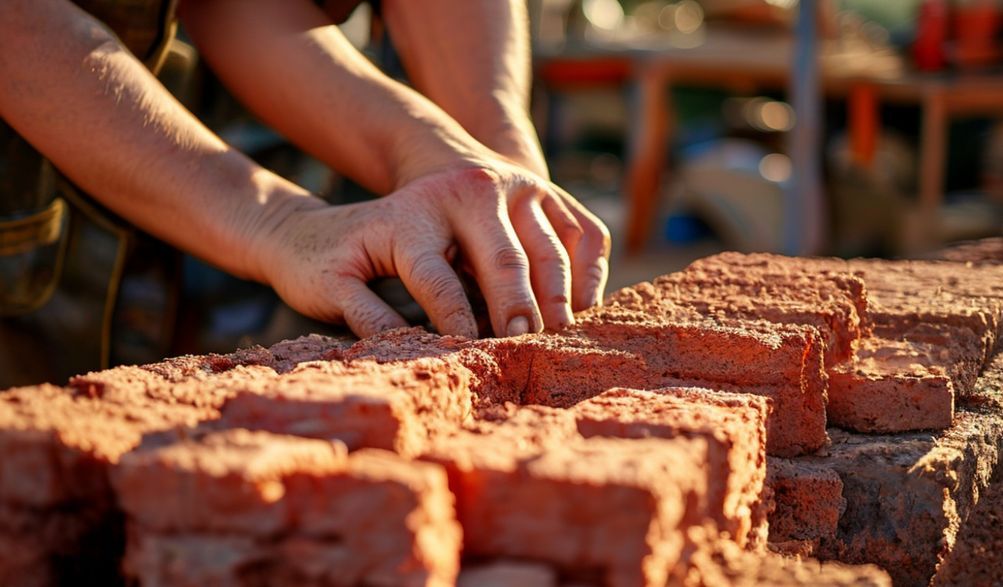
Panduan Muktamad untuk Mesin Bata Tangan: Jenis, Kegunaan & Cara Memilih
Pengenalan
Bayangkan anda merancang sebuah tambahan kecil pada rumah, tembok taman, atau bahkan projek pembinaan komuniti. Anda mendapat sebut harga untuk batu bata, dan jumlahnya amat tinggi. Atau mungkin anda risau tentang kesan alam sekitar daripada batu bata tanah liat bakar tradisional—pembalakan untuk bahan bakar relau dan pelepasan karbon yang besar. Pasti ada cara yang lebih baik, lebih mampu milik, dan lebih mampan.
Ada. Bagi pembina, kontraktor, penggemar DIY yang bercita-cita tinggi, dan usahawan sosial, penyelesaiannya seringkali tidak terletak pada proses industri yang rumit, tetapi pada alat yang sangat mudah: mesin batu bata tangan.
Panduan komprehensif ini direka untuk sesiapa yang mencari penyelesaian praktikal dan berkesan kos bagi pengeluaran bata berskala kecil hingga sederhana. Kami akan mendemistifikasikan alat berkuasa ini. Mesin bata tangan—juga dikenali sebagai mesin tekan bata manual atau mesin pembuat blok—ialah peranti berkuasa manusia yang mengubah bahan mentah tempatan seperti tanah, tanah liat, atau campuran simen menjadi blok binaan padat dan seragam. Ia mencapai ini melalui tekanan mekanikal semata-mata, menghapuskan keperluan untuk relau pembakaran yang mahal dan mencemarkan.
Menjelang akhir panduan ini, anda akan memperoleh pemahaman mendalam tentang cara mesin ini berfungsi, manfaatnya yang tidak dapat dinafikan, pelbagai jenis yang tersedia, dan yang paling penting, rangka kerja yang jelas dan boleh dilaksanakan untuk memilih model yang sempurna untuk keperluan khusus anda. Maklumat di dalamnya disintesis daripada prinsip kejuruteraan, spesifikasi pengeluar, dan pengalaman praktikal pengguna di seluruh dunia yang diperoleh dengan susah payah, memberikan anda asas yang boleh dipercayai untuk projek anda.
Apakah itu Mesin Bata Tangan dan Bagaimana Ia Berfungsi?
Pada terasnya, mesin batu bata tangan adalah bukti kuasa tuas dan reka bentuk pintar. Ia adalah peranti yang menggunakan tenaga manusia, diperkuatkan oleh sistem mekanikal, untuk menghasilkan batu bata berkualiti binaan di tapak, di mana-mana, pada bila-bila masa.
Core Definition and Key Components
A hand brick machine is a mechanical or hydraulic press operated manually via levers or handles. It’s designed to compress damp raw material into a dense, shaped brick within a mold. Its beauty is in its simplicity and robustness.
The main components are straightforward:
- Bingkai: The heavy-duty steel skeleton that withstands the immense compression forces.
- Cendawan atau Mati: The cavity that gives the brick its shape (e.g., rectangular, interlocking). This is often interchangeable.
- Compression Chamber/Box: Where the raw material is loaded before pressing.
- Mekanisme Tuas: The heart of the machine. This is a system of levers, sometimes with a flywheel or hydraulic jack, that multiplies the operator’s force.
- Sistem Ejektor: A plate or mechanism that pushes the freshly pressed brick out of the mold cleanly.
Prinsip Operasi Asas
The process is cyclical and, with practice, becomes rhythmic and efficient. Here’s a step-by-step breakdown:
- Persediaan: The raw material mix (e.g., soil with a little cement) is prepared to a specific, damp consistency—not too wet, not too dry.
- Pengisian: The mold within the machine is filled with this prepared mix, often slightly overfilled to ensure a fully compacted brick.
- Pemampatan: The operator pulls or pushes the lever. This action drives a ram or press head into the mold, applying tremendous pressure (often measured in tons) to the material. This compression is what binds the particles together, creating strength.
- Pengusiran: Once pressure is applied and released, the operator engages the ejector mechanism. The now-solid brick is gently pushed out of the mold and onto a pallet or drying area.
- Penyembuhan: The brick is set aside to dry and gain strength over time through a process called curing, which for cement-stabilized blocks involves keeping them moist for several days.
The entire magic lies in mampatan. It eliminates air pockets, aligns particles, and creates a dense, durable matrix that can rival fired clay in strength.
Key Benefits of Using a Manual Brick Press
Why choose a manual machine over powered alternatives or traditional bricks? The advantages are compelling, touching on economics, ecology, and practicality.
Kos-Keberkesanan yang Luar Biasa
This is the primary driver for most users. The cost savings are multi-layered:
- Pelaburan Modal Rendah: Hand-operated machines are a fraction of the cost of motorized or fully automated brick-making plants.
- Zero Operational Energy Costs: They require no electricity, diesel, or gasoline. Your energy input is physical labor.
- Kos Bahan Minimum: You can use subsoil from your own site (after testing), sand, and a small percentage of cement or lime. This drastically cuts material transportation and purchase costs.
Sustainability and Eco-Friendliness
In an era of green building, hand brick machines shine.
- Production of Compressed Earth Bricks (CEBs): These machines are perfect for creating CEBs, which have a vastly lower embodied energy than fired bricks.
- No Burning, No Emissions: The process generates no smoke or greenhouse gases associated with kiln firing.
- Jisim Terma: Earth bricks provide excellent thermal mass, regulating indoor temperatures and reducing heating/cooling needs.
- Biodegradable: At the end of their very long life, unstabilized earth bricks can simply return to the earth.
Portability and Operational Independence
- Go Anywhere: Their relatively light weight and lack of power cords mean they can be transported in a pickup truck to the most remote construction sites.
- Off-Grid Capable: Ideal for rural development, disaster relief, and projects in areas with unreliable or no electrical infrastructure. Production is entirely in your hands.
Simplicity and Low Maintenance
- Easy to Learn: Operators can be trained in under an hour. The process is intuitive.
- Durable Design: With few moving parts and no engines or complex hydraulics (in basic models), there is very little that can break.
- Easy Repairs: If a part does wear out, repairs are typically simple and can be done by a local welder or mechanic.
Common Types of Hand Brick Making Machines
Not all manual presses are the same. Understanding the types will help you match the machine to your material and project goals.
Manual Interlocking Brick Presses
These are among the most popular designs globally. They produce bricks with intricate top and bottom profiles that fit together like Lego® pieces.
- Ciri Utama: Dry-stack construction. The interlocking design allows walls to be built with minimal or no mortar, saving further cost and time.
- Faedah Utama: The interlocking creates a mechanically stable wall with good seismic resistance, as the bricks lock together and distribute loads.
- Common Use: Residential homes, boundary walls, garden structures.
Manual Concrete Block Machines
These are designed for heavier mixes based on cement, sand, and small aggregate (like crushed stone).
- Ciri Utama: They often produce standard-sized hollow or solid concrete blocks.
- Faedah Utama: High compressive strength. Ideal for foundations, columns, and areas requiring high load-bearing capacity.
- Common Use: Foundations, multi-story construction (with engineering approval), standard blockwork.
Compressed Earth Block (CEB) Manual Presses
These are optimized specifically for soil. They apply extremely high pressure to a soil mix, often stabilized with 5-10% cement.
- Ciri Utama: Focus on achieving the maximum density and strength from earth-based materials.
- Faedah Utama: Produces the most sustainable brick type, with excellent aesthetic and thermal properties.
- Critical Note: Requires careful soil suitability testing. Not all soil is ideal; it needs the right blend of clay, silt, and sand.
How to Choose the Right Hand Brick Machine: A Buyer’s Checklist
Making an informed purchase decision requires honest assessment and careful research. Use this checklist as your guide.
Assess Your Project Requirements
Start by looking inward at your own project.
- Brick Output & Production Rate:
- Be realistic. A single skilled operator can typically produce 200-500 bricks in an 8-hour day.
- Factor in labor. Can you work with a team of 2-3 to increase output?
- Ask: What is my project timeline? How many bricks do I need total?
- Brick Size & Design:
- Size: Do you need a standard brick (e.g., 230x110x75mm) or a larger block?
- Reka Bentuk: Do you want interlocking bricks for speed and mortar savings, or standard rectangular ones?
- Ask: Does the supplier offer different mold options for the same machine?
- Primary Raw Material:
- This is the most critical factor. Is your local soil clay-rich, sandy, or loamy?
- Get your soil tested or perform simple jar tests to understand its composition.
- Decide: Will you be making cement-stabilized earth blocks (CSEBs) or concrete blocks?
Evaluate Machine Specifications
Now, scrutinize the machine itself.
- Kualiti Binaan & Ketahanan:
- Look for thick, reinforced steel frames and clean, strong welds.
- Avoid machines that feel flimsy or use thin-gauge metal.
- Mechanical Advantage & Pressure:
- A longer lever or a well-designed flywheel system means easier operation and higher compaction pressure.
- Inquire about the compressive force the machine can apply (e.g., 2 tons, 5 tons). Higher pressure generally means stronger bricks from a given material.
- Ease of Use & Ergonomics:
- Consider the machine’s weight if you need to move it frequently.
- Is the lever action smooth? Is the ejection system simple and reliable?
- Can one person operate it comfortably, or does it require two?
Source Reputable Suppliers and Brands
Your relationship with the supplier is key to long-term success.
- Research Manufacturers: Look for companies with a long track record and transparent contact information. Specialized NGOs and social enterprises often offer excellent, field-tested models.
- Seek Genuine Reviews: Go beyond the supplier’s website. Look for user testimonials on independent forums, YouTube video reviews, and development project reports.
- Availability of Spare Parts: Ensure that critical wear items like mold liners, compression plates, and pins are available for purchase separately. A machine is useless if a broken $10 part can’t be replaced.
Step-by-Step Guide to Operating Your Hand Brick Machine
Once you have your machine, success depends on proper process. Here’s how to get started.
Site and Material Preparation
1. The Workspace: Create a level, hard-packed area (a concrete slab is ideal) under a shaded shelter for brick production and curing.
2. Material Sourcing & Mixing:
* For soil-cement blocks: Sieve soil to remove stones and organic matter. A typical mix is 70% soil, 20% sand, 10% cement. Add water gradually until a handful holds its shape when squeezed and cracks slightly.
* For concrete blocks: Use a standard mix (e.g., 1 part cement, 6 parts aggregate). Consistency should be damp, not sloppy.
The Brick Making Process in Detail
- Position the machine on a stable, level base.
- Lubricate the mold lightly with water or oil to prevent sticking.
- Fill the mold cavity evenly with your prepared mix, slightly overfilling it.
- Compress by pulling the lever firmly and steadily to its full extent. Hold for a moment.
- Release the lever and engage the ejection mechanism.
- Remove the finished brick and place it carefully on a curing pallet.
- Repeat. Clean the mold periodically to prevent build-up.
Petua Profesional: Consistency in fill volume and moisture content is the secret to producing uniform, strong bricks.
Curing and Storage of Finished Bricks
- Penyembuhan: This is when bricks gain strength. For cement-stabilized blocks, keep them moist under plastic sheeting or by sprinkling water for 7-14 days. This allows the cement to hydrate fully.
- Storage: Stack cured bricks under cover, allowing air circulation. They should be kept dry. Full strength is typically achieved after 28 days.
FAQ Section
Q: How many bricks can I make per day with a hand brick machine?
A: A single operator can typically produce 200-500 bricks in an 8-hour day, depending on the machine model, brick size, and operator skill and endurance.
Q: Do bricks from a manual press need to be fired in a kiln?
A: No. Bricks made with cement stabilization or pure compressed earth gain strength through compaction and curing, not firing. This is a key economic and environmental advantage.
Q: What is the ideal soil mix for a manual earth brick press?
A: There’s no universal “ideal,” but a common successful mix is approximately 70% sand and gravel, 30% clay and silt, stabilized with 5-10% Portland cement. Professional soil testing is highly recommended.
Q: Are hand-pressed bricks strong enough for load-bearing walls?
A: Yes. When produced correctly with the right material ratios and proper compaction, compressed earth blocks and concrete blocks can meet building code requirements for single and even multi-story buildings in many regions. Always consult local building codes and a structural engineer for significant projects.
Q: What maintenance does a manual brick machine require?
A: Very little. Clean it thoroughly after each use to prevent material from hardening in the mold. Periodically check and tighten bolts. Lubricate pivot points. Store it in a dry place to prevent rust.
Kesimpulan
The hand brick machine is more than just a tool; it’s an enabler. It represents a shift towards sustainable, affordable, and community-centric construction. By compressing local earth or simple concrete mixes, it turns abundant resources into durable building blocks, empowering individuals and communities to build their own futures.
We’ve explored how these machines work, their significant benefits in cost and sustainability, the different types available, and a detailed path to choosing and using one effectively. The value they offer is clear: reduced construction costs, minimal environmental impact, and unparalleled operational independence.
As a final piece of expert advice, start by clearly defining your project’s scale and testing your local materials. If possible, connect with existing users or organizations that employ this technology for hands-on insight. For larger projects, that consultation with a structural engineer is a non-negotiable step for safety and success.
Your next step? Take this knowledge, research reputable suppliers, and perhaps begin with a small pilot project. The wall you build will be a testament not just to your labor, but to a smarter way of building.
<