
The Ultimate Guide to Vibrator Brick Making Machines: Boost Efficiency & Quality
Pengenalan
What if you could multiply your brick production tenfold while simultaneously improving the strength and consistency of every single unit? In a global construction industry projected to reach a staggering $15.2 trillion by 2030, the demand for reliable, high-quality building materials is insatiable. Yet, many manufacturers and entrepreneurs remain shackled by the limitations of manual labor or outdated equipment, grappling with inconsistent output, exorbitant labor costs, and frustrating material waste.
The core problem is one of precision and scale. Traditional methods struggle to achieve the uniform compaction necessary for high-strength bricks, leading to structural weaknesses and higher failure rates. This is where modern engineering provides a powerful solution: the vibrator brick making machine. This technology is not merely an incremental upgrade; it’s a transformative force for block yards and construction businesses worldwide.
This comprehensive guide is designed to be your definitive resource. We will dissect how a vibrator brick making machine works, quantify its substantial benefits, and provide a detailed, step-by-step framework for selecting, operating, and maintaining the right model for your specific needs. The insights herein are synthesized from established engineering principles, industry best practices (including references to standards like ASTM C90), and field-reported operational experience, ensuring you receive authoritative, trustworthy, and actionable information to make a confident investment.
What is a Vibrator Brick Making Machine? (Core Concept & Definition)
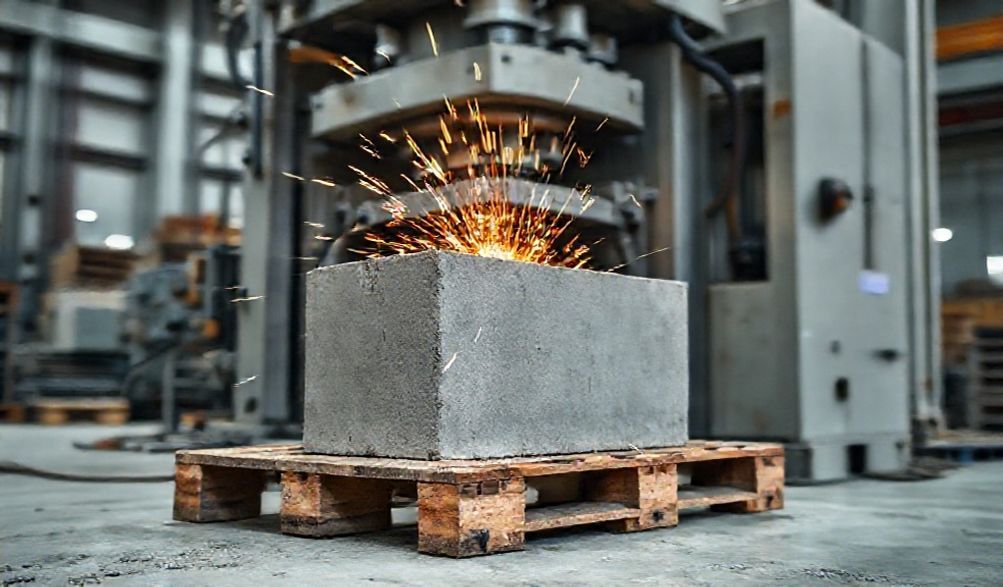
At its heart, a vibrator brick making machine is a mechanical device designed to manufacture concrete bricks, blocks, and pavers by using high-frequency vibration to compact a semi-dry concrete mix within a mold. Unlike simple manual presses or high-pressure hydraulic machines for wetter mixes, it leverages vibration to eliminate air voids and achieve exceptional density, which directly translates to higher compressive strength and durability in the final product.
Prinsip Asas Kerja
The magic lies in the science of vibration. The core process is systematic and efficient:
- Pemberian Makan: A prepared semi-dry concrete mixture (aggregate, sand, cement, and minimal water) is fed into the machine’s mold cavity.
- Getaran & Pemadatan: The mold is subjected to intense, high-frequency vibrations, typically generated by an eccentric weight attached to a rotating motor shaft. This vibration causes the concrete particles to settle and lock together, expelling trapped air and achieving maximum density.
- Pengusiran: Once compacted, the newly formed brick or block is ejected from the mold, either onto a pallet or a conveyor belt. It is structurally stable enough to be handled immediately for curing.
This cycle repeats continuously, creating a steady stream of perfectly formed, high-quality building units.
Komponen Utama dan Fungsinya
Memahami anatomi mesin adalah kunci untuk menghargai keupayaannya:
- Mold/Frame: The robust, steel frame that houses the system and the interchangeable mold that defines the brick’s shape (hollow block, solid brick, etc.).
- Vibrator Unit: The core of the machine. It consists of a powerful electric motor and eccentric weights. The rotation of these off-center weights creates the necessary centrifugal force for compaction.
- Sistem Pemadatan: Often works in tandem with vibration. This can be a hydraulic cylinder or a mechanical lever that applies additional downward pressure on the mix during vibration, ensuring top-tier density, especially for thicker blocks.
- Panel Kawalan: Houses the electrical controls for the motor, vibration timer, and hydraulic functions, allowing precise operation.
- Penghantar Palet/Penghantar: In semi-automatic and fully automatic models, this system automatically feeds empty pallets for brick placement and removes filled ones, streamlining production.
Jenis-jenis Bata dan Blok yang Dapat Dihasilkan
The versatility of these machines is a major selling point. By simply changing the mold, a single machine can produce:
* Hollow Concrete Blocks (4-inch, 6-inch, 8-inch)
* Solid Concrete Bricks
* Paving Slabs and Interlocking Pavers
* Grass Pavers and Slope Protection Blocks
* Curb Stones and Landscape Borders
This adaptability allows a single production line to service multiple market segments, from residential housing to commercial landscaping and civil infrastructure.
Key Benefits of Using a Vibrator Brick Making Machine
Investing in this technology yields tangible, multi-faceted returns that go far beyond simple production speed.
Kualiti dan Konsistensi Bata yang Unggul
This is the most critical advantage. Vibration ensures every corner of the mold receives uniform energy.
* High Density & Strength: The elimination of air pockets results in bricks with superior compressive strength, often exceeding 4-5 N/mm², making them ideal for load-bearing walls.
* Ketepatan Dimensi: Every brick is a perfect replica of the last, leading to cleaner construction with less mortar use and easier alignment.
* Permukaan yang Sangat Halus: Vibrated bricks have a smooth, professional finish right out of the mold, enhancing the aesthetic appeal of the final structure.
Pengeluaran Output Pengeluaran Meningkat Secara Dramatik
The contrast with manual methods is staggering.
* A single-operator, semi-automatic machine can produce 800-1500 bricks per 8-hour shift.
* A fully automatic vibrator brick making machine line can output 5,000 to 10,000+ bricks in the same period.
* This scalable efficiency allows businesses to meet large orders and tight deadlines consistently, a capability that is impossible with manual labor.
Significant Cost Reduction and ROI
The economics are compelling:
* Penjimatan Tenaga Kerja: One machine operated by 1-3 people can replace 15-20 manual laborers.
* Kecekapan Bahan: Precise mix proportions and minimal waste during compaction reduce raw material costs by 5-10%.
* Nilai Jangka Panjang: While the initial investment is higher than manual tools, the payback period is typically short (often 6-18 months) due to massive gains in output and quality, leading to a strong, ongoing return on investment.
Kecekapan Operasi dan Kemudahan Penggunaan
Modern machines are designed for user-friendliness.
* Kurang Ketegangan Fizikal: They eliminate the back-breaking labor of manual molding and tamping.
* Aliran Kerja yang Dipermudah: From semi-automatic pallet feeders to fully automatic systems with mixers and stackers, the process becomes a smooth, continuous operation.
* Scalable Automation: Businesses can start with a basic model and upgrade components as their capacity grows.
Versatility and Eco-Friendliness
These machines support sustainable construction practices.
* Use of Industrial By-products: They can effectively incorporate eco-friendly materials like fly ash, slag, or recycled concrete aggregate into the mix.
* Sumberan Tempatan: The ability to use locally available sand and aggregates reduces transportation costs and carbon footprint.
* Pelbagai Jenis Produk: As noted, one machine can cater to various construction needs, maximizing asset utilization.
How to Choose the Right Vibrator Brick Making Machine for Your Needs
Selecting the correct machine is a strategic decision. This actionable advice, drawn from industry experience, will guide your evaluation.
Menilai Keperluan Pengeluaran Anda
Mulakan dengan menjawab soalan-soalan asas ini:
* What is your target daily or monthly output? Be realistic about current demand and near-future growth.
* What brick types are your primary sellers? This determines the mold types you’ll need.
* What is your available workspace? Stationary models require a solid foundation and more space, while mobile “egglayer” types are compact and can be moved around a yard.
* What is your budget, including setup and training costs?
Machine Specifications to Scrutinize
Don’t just look at the price tag; compare these technical details:
* Masa Kitaran: How many seconds does it take to produce one brick? Faster cycles mean higher output.
* Daya Tekanan: Measured in tons, this indicates the compaction pressure applied alongside vibration. For dense, high-strength blocks, 60-120 tons is common.
* Vibrator Motor Power: A stronger motor (e.g., 5 HP vs. 2 HP) provides more intense vibration for better compaction of stiff mixes.
* Tahap Automasi: Manual (all actions by operator), Semi-Automatic (automatic vibration and ejection), or Fully Automatic (integrated with mixer, conveyor, and stacker).
* Penyesuaian Acuan: Can the supplier provide custom molds for unique block designs you may want to offer?
Power Source Considerations: Electric, Diesel, or Hybrid?
The right choice depends on your operational environment:
* Elektrik: Most common, cost-effective, and clean-operating. Requires reliable grid power.
* Diesel: Essential for sites with no electricity. Offers mobility but has higher fuel costs and emissions.
* Hybrid (Electric/Diesel): Provides flexibility to switch between power sources, ideal for areas with intermittent power supply.
Evaluating Build Quality and Supplier Reputation
This is where due diligence pays off long-term.
* Pembinaan: The frame should be made from heavy-duty steel plate, not light-gauge metal. Welds should be clean and robust.
* Komponen Teras: Inquire about the brand and warranty of the vibrator motor, hydraulic pumps, and electrical components.
* Supplier Credentials: Choose a manufacturer or dealer with a proven track record. Ask for:
* Client testimonials and site visit references.
* Details on after-sales service, spare parts availability, and technical support.
* Clear warranty terms for both parts and labor.
Operational Best Practices and Maintenance Tips
Proper operation and care are non-negotiable for safety, product quality, and machine longevity. These protocols are standard in well-run plants.
Safe Operating Procedures
- Latihan: Ensure all operators are thoroughly trained on machine functions and emergency stops.
- PPE: Mandate safety glasses, gloves, and steel-toe boots.
- Machine Guarding: Never operate with safety guards or interlocks removed.
- Pre-Operation Checks: Inspect for loose parts, hydraulic leaks, and electrical integrity before each shift.
Optimal Raw Material Preparation
The machine can only be as good as the mix you feed it.
* Aggregate Size: Should be well-graded and typically under 10mm for smooth flow and compaction.
* Mix Ratio: A standard mix is 1 part cement, 3-6 parts aggregate/sand (by volume). Precise ratios depend on desired strength.
* Nisbah Air-Simen: Use just enough water to achieve a semi-dry, “ball-in-hand” consistency. Too much water weakens the final brick and causes sticking.
* Mencampurkan: Ensure a homogeneous, consistent mix before feeding. A pan or planetary mixer is ideal.
Routine Maintenance Checklist
A little regular care prevents major downtime.
* Daily:
* Clean the mold and pallets thoroughly after use to prevent concrete buildup.
* Check and tighten any loose bolts or nuts on the frame and vibrator unit.
* Lubricate all moving parts (guide rods, bearings) as per the manual.
* Weekly/Monthly:
* Inspect the vibrator motor mounts and eccentric weights for wear.
* Check hydraulic oil levels and look for leaks. Change oil filters periodically.
* Inspect electrical connections for tightness and wear.
Troubleshooting Common Issues
- Poor Compaction/Weak Bricks: Likely causes: incorrect water content (too dry), insufficient vibration time, worn vibrator weights. Solutions: Adjust mix, increase vibration duration, check motor power/weights.
- Surface Cracks: Usually from too much water or uneven curing. Optimize mix and ensure bricks are kept moist under a tarp for 24 hours.
- Bricks Sticking in Mold: Caused by a worn/damaged mold, insufficient mold release agent, or an overly wet mix. Polish the mold, apply a light oil/diesel spray, and reduce water.
- Uneven Vibration: Check if the machine is level on the ground. Inspect for broken or unevenly worn springs or shock absorbers (if equipped).
Frequently Asked Questions (FAQ) About Vibrator Brick Making Machines
Q1: What is the average production capacity of a standard vibrator brick making machine?
A: Capacity varies widely by model. A small manual machine may produce 800-1200 bricks per 8-hour shift. A semi-automatic model can produce 2000-4000, while large fully automatic lines can exceed 10,000. The key factors are cycle time, automation level, and crew efficiency.
Q2: Can I start a brick-making business with a small vibrator machine?
A: Absolutely. Many successful entrepreneurs begin with a single, small-scale semi-automatic vibrator machine. It requires lower capital, allows you to master the process, and validate the market. It’s a cost-effective and low-risk entry point that can be scaled up as demand grows.
Q3: What is the difference between a vibrator machine and a hydraulic press machine?
A: The primary difference is the compaction method and mix consistency. Vibrator machines use high-frequency vibration to compact a semi-dry concrete mix, producing strong, instantly handleable bricks. Hydraulic press machines use extreme static pressure (often hundreds of tons) on a wetter mix. Both produce strong blocks, but vibrator machines are generally more common for hollow blocks and offer faster cycle times for semi-dry mixes.
Q4: How much maintenance does a vibrator brick machine require?
A: It requires consistent but simple routine maintenance—primarily cleaning, lubrication, and bolt-tightening. Investing 15-30 minutes daily in upkeep is far more economical than facing major breakdowns and production halts due to neglect. The maintenance is mechanical and straightforward, not highly technical.
Q5: Are the bricks produced strong enough for load-bearing walls?
A: Yes, when produced correctly. A properly operated vibrator machine creates bricks of high density and compressive strength. For example, a well-compacted hollow block can easily achieve compressive strengths above 4 N/mm², which meets or exceeds common building code requirements for load-bearing structures (such as those outlined in standards like IS 2185 or ASTM C90). Always test your bricks to confirm they meet local regulatory standards.
Kesimpulan
The vibrator brick making machine stands as a cornerstone technology for modern, efficient, and profitable construction material production. It decisively solves the historic trilemma of quality, speed, and cost, enabling manufacturers to deliver superior products at a competitive scale. The journey from manual struggle to mechanized efficiency is not just about buying a machine; it’s about making a strategic investment in the future resilience and growth of your business.
As you move forward, let your specific production needs and long-term goals guide your selection process. Prioritize build quality and supplier support over the lowest initial price. The future of this equipment points toward greater automation, energy efficiency, and even smart monitoring via IoT sensors, but the core principle of vibration compaction will remain vital.
Ready to transform your brick production capability and build a stronger business foundation? Our team of engineering specialists is here to provide a personalized consultation, assess your specific needs, and guide you to the optimal vibrator brick making machine solution. Contact us today for a detailed quote.
Want to ensure you’re asking the right questions? Download our free, comprehensive checklist for evaluating and selecting the perfect brick making machine supplier to make your investment with confidence.
<