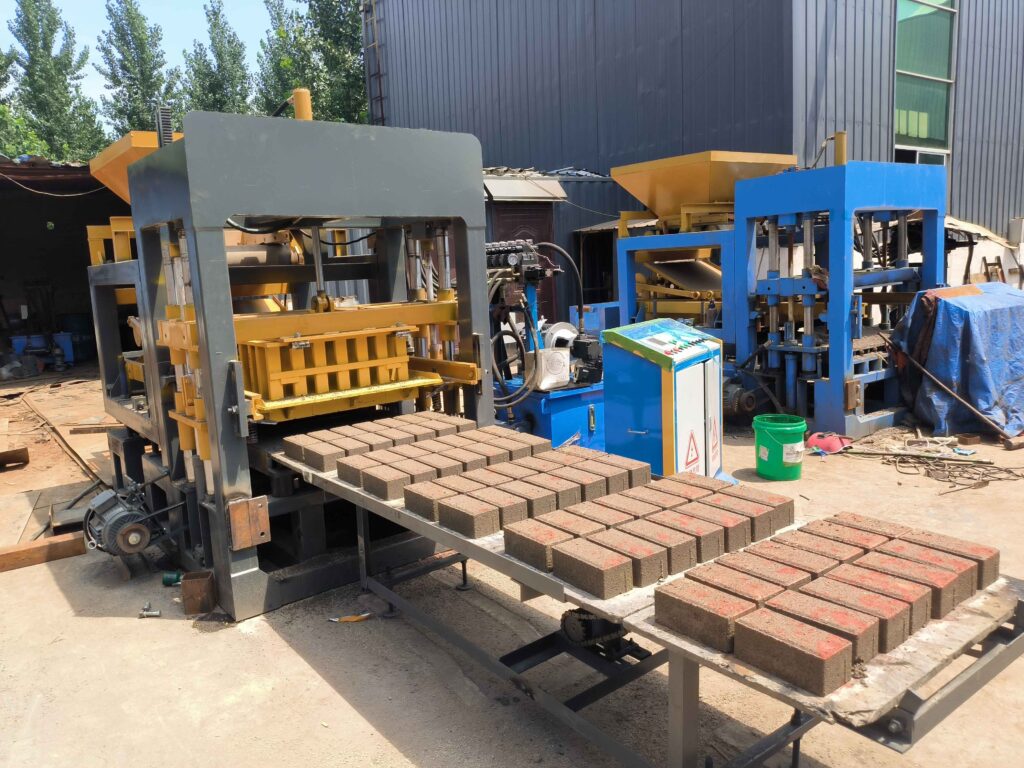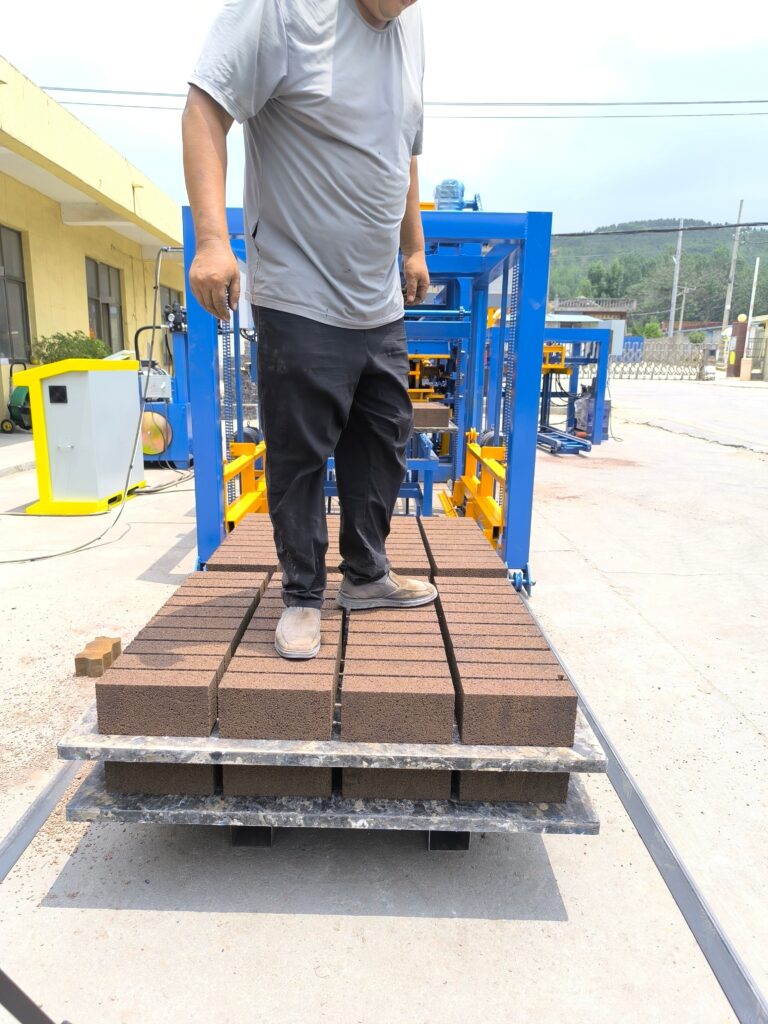
The Purpose and Hierarchy of Block Brick Standards
Quality standards serve as an objective, universal language for performance, separating subjective opinion from measurable fact.
- Core Objectives: The primary goals of block quality standards are to ensure:
- Structural Safety: Defining minimum compressive strength to support design loads.
- Ketahanan: Establishing limits for water absorption and resistance to freeze-thaw cycles, ensuring longevity in various climates.
- Konsistensi Dimensi: Setting tolerances for length, height, width, and face-shell thickness to ensure uniform construction and proper mortar joint alignment.
- Komposisi Bahan: Regulating the types and proportions of allowable materials in the concrete mix.
- Hierarchy of Applicability: Standards operate at multiple levels:
- International Standards (e.g., ISO): Provide broad frameworks and test methods recognized globally.
- Regional/National Standards (e.g., ASTM, EN, BIS, GB): These are the most critical for commercial trade. They are legally or contractually referenced in building codes and project specifications.
- Project-Specific Specifications: Often reference a national standard (e.g., “Blocks shall conform to ASTM C90”) but may add stricter requirements (e.g., a higher minimum compressive strength).
II. Key Measurable Parameters of Quality
Block quality is quantified through specific, repeatable physical tests. The most significant standards define precise methods for these tests and set minimum or maximum performance thresholds.
A. Compressive Strength
This is the single most critical metric for load-bearing blocks.
- Test Method: A sample block is capped to ensure level surfaces and then crushed in a hydraulic press. The maximum load before failure is recorded.
- Standard Specification: Standards like ASTM C90 (Standard Specification for Loadbearing Concrete Masonry Units) and EN 771-3 (Specification for masonry units – Part 3: Aggregate concrete masonry units) specify minimum average compressive strengths and, importantly, minimum strengths for individual units. For example, ASTM C90 requires a minimum average of 2000 psi (13.8 MPa) for certain weight classifications, with no individual unit below 1800 psi (12.4 MPa). Strength is typically reported based on net area (actual concrete area).
B. Moisture Absorption and Density
These interrelated properties are vital indicators of durability, especially in freeze-thaw conditions, and influence thermal and acoustic performance.
- Absorption Test: Blocks are dried, weighed, immersed in water for a set period (e.g., 24 hours), and weighed again. The increase in weight as a percentage of the dry weight is the absorption rate.
- Density Classification: Blocks are categorized by their oven-dry density (e.g., Lightweight, Medium Weight, Normal Weight in ASTM C90). Lower absorption generally correlates with higher durability. Standards set maximum allowable absorption limits, which vary by density class and exposure conditions.
C. Dimensional Tolerances
Precision in manufacturing ensures constructability and aesthetic uniformity.
- Measured Dimensions: Length, height, width, and the thickness of face shells and webs are measured.
- Permissible Variation: Standards such as ASTM C90 and EN 771-3 provide strict tables of allowable deviations (e.g., ±3 mm in length). Consistent violation of these tolerances leads to poor mortar joints, alignment issues, and increased labor costs on site.
D. Additional Performance Tests
Depending on the application, other tests may be specified:
- Fire Resistance Rating: Blocks are tested in assemblies to determine their fire endurance period.
- Sound Transmission Class (STC): Measures acoustic insulation properties.
- Efflorescence Potential: Evaluates the tendency for soluble salts to migrate to the surface, causing white stains.
III. The Role of Certification and Quality Assurance Systems
Meeting a standard is a continuous process, not a one-time event. Proof of compliance is essential for market access.
- Third-Party Plant Certification: Reputable manufacturers undergo regular audits by independent certification bodies. These auditors inspect the plant’s quality control processes, test equipment, and production records, and take samples for independent testing. A certification mark on shipping documents provides assurance to buyers.
- Internal Quality Control (QC): A robust internal QC program is the first line of defense. This includes daily testing of raw materials, frequent measurement of fresh units, and routine strength testing of cured blocks. Detailed records are maintained to demonstrate ongoing compliance.
- Marking and Traceability: Standards often require that each block or shipping pallet be marked to identify the manufacturer, the plant location, and the relevant standard. This provides traceability in the event of an inquiry or issue.
Conclusion
Quality in block production is a quantifiable, governed attribute defined by a rigorous system of international and national standards. For participants in the supply chain—from manufacturer to distributor to procurement officer—fluency in this system is non-negotiable. It is the foundation of risk management, contractual compliance, and professional credibility. A block is not simply “good” because it looks solid; it is certified as fit-for-purpose because it has been manufactured and tested to meet precise benchmarks for strength, durability, and dimension. By prioritizing and demanding verifiable adherence to standards like ASTM C90 or EN 771-3, industry professionals do more than sell or purchase a commodity; they act as stewards of structural safety and durability, ensuring that the built environment rests on a foundation of proven performance.
FAQ
Q1: As a distributor, what documentation should I request from a block manufacturer to verify quality?
A: You must request a current, valid third-party certification report from an accredited body, along with the manufacturer’s routine test data (e.g., weekly compressive strength reports). The product’s label or packing list should clearly state compliance with a specific standard (e.g., “Conforms to ASTM C90”). For large projects, a project-specific mill test report may be required.
Q2: What is the difference between “minimum average compressive strength” and “minimum individual strength”?
A: The minimum average is the lowest acceptable average result from a sample of tested blocks (e.g., 10 blocks). The minimum individual is the lowest result any single block in that sample can have. This two-part requirement ensures overall batch quality while guarding against unacceptably weak outliers. A batch can pass on average but fail if one unit is far below standard.
Q3: How do regional standards like ASTM (US) and EN (Europe) generally compare?
A: Both are highly rigorous but have different philosophical and testing nuances. For instance, they may use slightly different methods for calculating compressive strength (net vs. gross area) and classifying density. A block compliant with one may not automatically comply with the other. For export or projects with specific design codes, the exact standard cited in the contract is the one that must be met.
Q4: Can a block be of high quality if it is not third-party certified?
A: While it is possible, the absence of independent certification substantially increases risk for the buyer. It places the entire burden of trust on the manufacturer’s own claims and internal data. For all significant commercial, municipal, or structural projects, third-party certification is a standard requirement to mitigate this risk and provide objective assurance.
Q5: What should a buyer do if they suspect delivered blocks do not meet the specified standard?
A: Immediately segregate the suspect batch and formally notify the supplier. Request the manufacturer’s test records for that production lot. If concerns persist, an agreement should be reached to have samples from the delivered lot tested by an independent, accredited laboratory. The contractual specifications and certification documents form the basis for any claim or resolution.