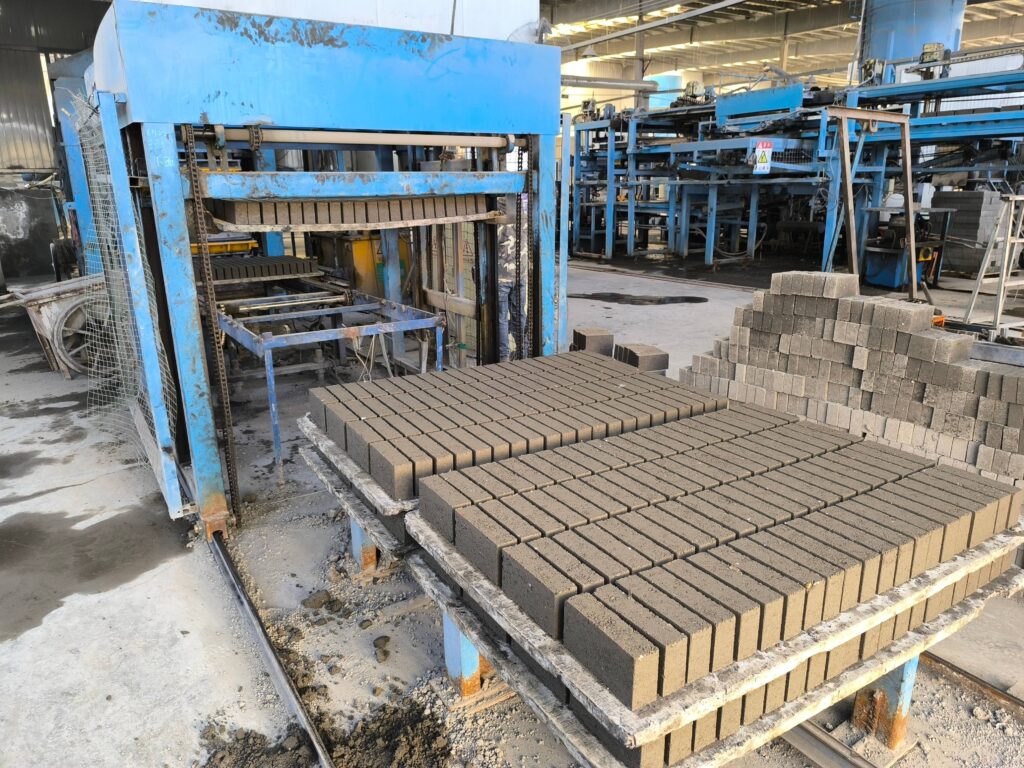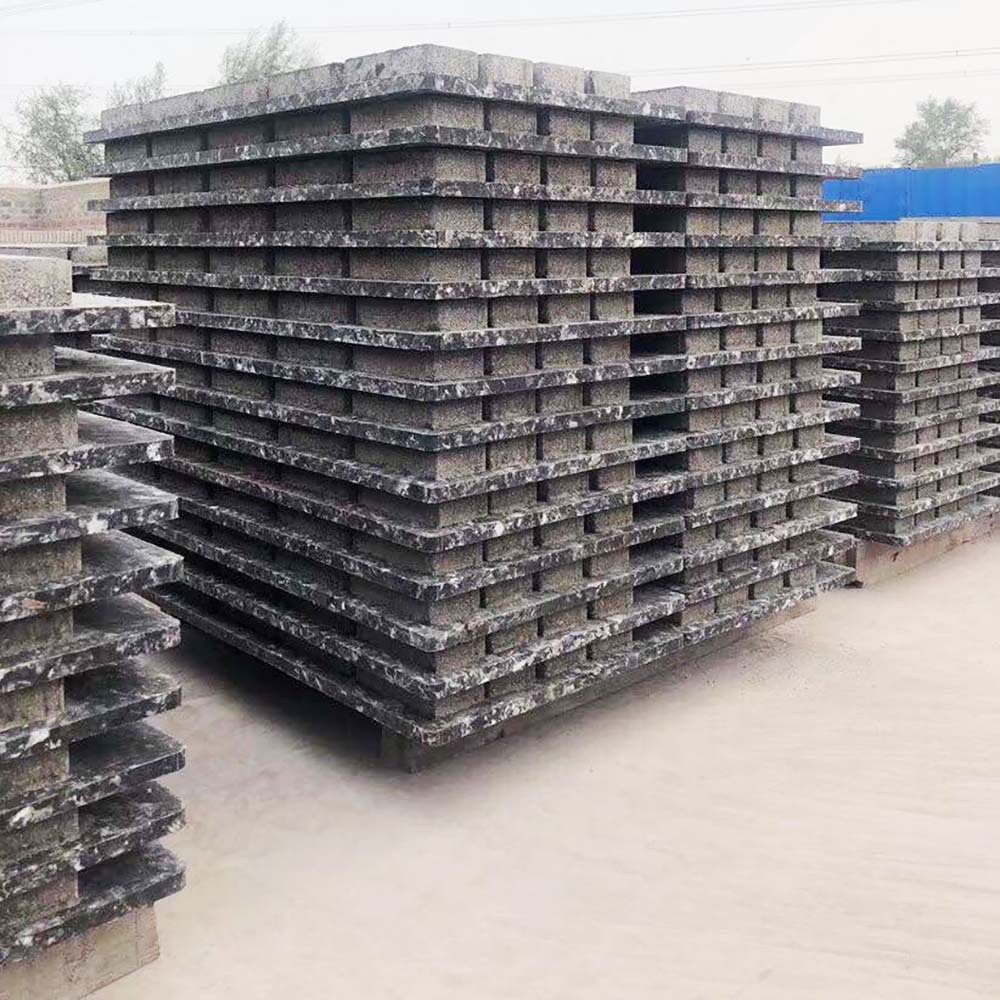
Analyzing the Global and Regional Market Demand for Machine-Made Bricks
The underlying demand for machine-made bricks is inextricably linked to broader global trends in construction and development.
1.1 Urbanization and Population Growth as Primary Engines
The relentless global migration toward urban centers creates a sustained, foundational demand for construction materials.
- Mass Housing Needs: Rapid urbanization in Asia-Pacific, Africa, and parts of Latin America necessitates the construction of vast volumes of affordable, durable housing. Machine-made bricks, with their cost-effectiveness, consistent quality, and rapid production capabilities, are the default solution for large-scale residential projects, from low-cost housing to mid-rise apartment complexes.
- Pembangunan Infrastruktur: Urban expansion requires concomitant infrastructure—schools, hospitals, commercial spaces, and industrial facilities. These projects prioritize structural integrity, fire resistance, and speed of construction, all strengths of engineered masonry systems utilizing machine-made units.
1.2 Economic Development and Construction Activity Cycles
Demand fluctuates with economic health but demonstrates long-term resilience.
- Correlation with GDP Growth: Construction is a leading economic indicator. Periods of strong GDP growth typically see increased investment in both public-sector infrastructure and private-sector real estate, directly boosting demand for bricks.
- Post-Disaster and Reconstruction Markets: Regions susceptible to natural disasters or emerging from conflict present acute, cyclical demand spikes for robust, quickly deployable building materials, where machine-made bricks play a critical role in reconstruction efforts.
1.3 Regulatory and Sustainability Mandates
Government policies are increasingly shaping material choice, creating both challenges and opportunities.
- Energy Efficiency and Building Codes: Stricter global building codes mandating improved thermal performance are driving demand for specialized machine-made bricks. This includes autoclaved aerated concrete (AAC) blocks, insulated concrete forms (ICFs), and hollow blocks designed for cavity wall insulation, all produced on advanced machinery.
- Fire Safety Regulations: The heightened focus on fire-resistant construction following high-profile tragedies favors non-combustible materials like concrete masonry, sustaining demand in commercial and multi-family residential sectors.
- Dasar Pembinaan Mampan: Incentives for using recycled content (e.g., fly ash in concrete blocks) or mandates for locally sourced materials can advantage certain machine-made brick producers who adapt their mix designs and processes accordingly.
Regional Demand Analysis: A Comparative Perspective
Market dynamics vary significantly across regions, requiring a nuanced approach.
2.1 High-Growth Markets: Asia-Pacific and Africa
- Asia-Pacific: This region dominates global volume demand, led by China, India, and Southeast Asian nations. The driver is massive, state-backed infrastructure initiatives (e.g., India’s housing schemes, China’s Belt and Road-related projects) and explosive urban growth. Demand skews toward high-volume, cost-competitive concrete blocks and paving units for foundational construction.
- Afrika: Characterized by some of the world’s highest urbanization rates but often constrained by infrastructure gaps. Demand is growing for affordable, locally producible building materials. Small to medium-scale, mobile brick machines that can operate with local aggregates are seeing increased interest, supporting a shift from handmade to mechanized production.
2.2 Mature but Innovation-Driven Markets: North America and Europe
- North America (U.S. & Canada): Demand is closely tied to housing starts and commercial construction cycles. The market is sophisticated, with strong demand for architectural concrete masonry units (CMUs) in a wide array of colors, textures, and split-face finishes for commercial facades. There is also steady demand for high-precision concrete pavers in the hardscape sector.
- Europe: A leader in sustainability and energy performance. Demand is increasingly focused on high-performance, thermally efficient masonry systems. Machine-made clay bricks with excellent aesthetic properties remain strong in certain regions, but innovation is centered on passive-house-compatible concrete blocks and prefabricated masonry panels.
2.3 Specialized and Niche Markets
- Middle East: Demand is project-driven, often tied to large-scale commercial, hospitality, and infrastructural developments. There is a premium on products that can withstand extreme heat and offer aesthetic appeal, favoring specialized cladding units and high-density paving blocks.
- Latin America: A mixed market with demand for basic construction blocks alongside growing interest in architectural products for a burgeoning middle-class housing sector.
Segment-Specific Demand Drivers Within the Market
Beyond geography, demand diverges across different product applications and end-user sectors.
3.1 Residential Construction: The Volume Backbone
- Primary Demand Driver: For load-bearing walls, partitions, and foundations. Demand is for reliable, structurally sound, and affordable units.
- Trend: Growing preference for larger-format blocks (e.g., 8-inch or 12-inch thickness) that speed up construction (fewer units to lay) and improve thermal performance.
3.2 Non-Residential and Commercial Construction: The Value-Added Segment
- Primary Demand Driver: Aesthetic versatility, durability, low maintenance, and fire ratings. This sector drives demand for architectural face bricks, split-rib units, and customized colors/textures.
- Trend: Increased use of machine-made bricks in prefabricated wall panels, which offer faster on-site erection and quality control, aligning with the rise of modern construction methods.
3.3 Infrastructure and Hardscape Applications
- Primary Demand Driver: Extreme durability, load-bearing capacity, and interlocking design.
- Paving Segment: Strong and growing demand for concrete interlocking pavers and permeable paving solutions for driveways, walkways, and public plazas, driven by urbanization and municipal landscape projects.
- Retaining Walls and Civil Works: Demand for segmental retaining wall (SRW) units and heavy-duty landscaping blocks.
Disruptive Trends and Future Demand Outlook
The market is not static; several key trends are reshaping future demand patterns.
4.1 Technological Integration and Advanced Manufacturing
- Automation and Industry 4.0: Smart factories with automated palletizing, curing, and packaging are becoming standard in high-demand regions, ensuring consistent quality and meeting large order volumes. This trend raises the barrier to entry but increases output reliability.
- Digitalization of Supply Chains: Integration with Building Information Modeling (BIM) allows for precise ordering of customized brick types, reducing waste and enabling complex architectural designs, thus creating demand for flexible, small-batch production capabilities alongside high-volume lines.
4.2 The Sustainability Imperative as a Demand Catalyst
- Circular Economy: Demand is growing for bricks produced with significant recycled content (post-consumer glass, construction waste, industrial by-products like fly ash). Machines capable of processing these alternative materials will be in higher demand.
- Carbon Reduction: Technologies like carbon capture and utilization in curing processes are emerging, potentially creating a new premium segment for low-carbon bricks, particularly in markets with carbon taxes or green building incentives.
4.3 Resilience and Climate Adaptation
- Increased Demand for Durable, Disaster-Resistant Materials: In regions prone to floods, hurricanes, or wildfires, demand is shifting toward masonry products known for their resilience. Machine-made, high-strength concrete blocks are well-positioned to meet this need.
Conclusion
The market demand for machine-made bricks is robust, diversified, and evolving. It is underpinned by irreversible global trends of urbanization and infrastructure development, while being continuously reshaped by regional economic conditions, regulatory shifts toward sustainability, and technological advancements in both manufacturing and construction methodologies. For distributors and procurement specialists, success lies in moving beyond a generic view of “brick demand” to develop a granular understanding of specific regional drivers and high-growth segments—whether it be affordable housing blocks in emerging economies, architectural CMUs in commercial rebuilds, or permeable pavers in sustainable urban developments. By aligning their product portfolios, technical support, and market strategies with these nuanced demand signals, industry professionals can position themselves not as passive suppliers, but as essential partners in building the resilient, efficient, and aesthetically driven constructed environment of the present and future.
FAQ
Q1: Is the demand for machine-made bricks threatened by alternative building systems like light-gauge steel or wood framing?
A: While competition exists, masonry maintains significant, defensible market share. Its advantages in fire resistance, acoustic insulation, thermal mass, and perceived durability are difficult for lightweight alternatives to fully replicate, especially in commercial, institutional, and multi-family residential construction. Furthermore, the rise of insulated and composite masonry systems addresses energy code challenges. The market is not a zero-sum game; often, these systems are used in conjunction (e.g., masonry veneer over steel framing).
Q2: How do raw material price fluctuations (cement, sand) impact overall market demand for machine-made bricks?
A: Price volatility affects production cost and margin, not underlying demand for the built space. Sharp increases can temporarily dampen construction activity but do not eliminate the fundamental need. They can, however, accelerate the adoption of more efficient machinery (to reduce waste) and mix designs utilizing alternative, lower-cost materials (like fly ash), thereby shifting demand within the machine-made brick sector toward more innovative producers.
Q3: What is the demand outlook for small-scale, mobile brick machines versus large, stationary factories?
A: Both models have strong but different demand drivers.
- Large Factories: Dominate demand in high-volume, urban-centric markets and for major infrastructure projects requiring guaranteed, consistent supply.
- Small/Mobile Machines: See growing demand in remote or developing regions with underdeveloped transport logistics, for on-site production for large rural projects, and in markets where transport costs of finished bricks are prohibitive. They cater to a demand for localization and reduced supply chain complexity.
Q4: How important is aesthetic variety in driving demand today?
A: Critically important, especially in the commercial and high-end residential sectors. The ability to offer a wide range of colors, textures, sizes, and special shapes is a major competitive differentiator. Architects and developers seek unique facades, driving demand for manufacturers who can use machines to produce bespoke, architecturally specified units, not just standard grey blocks. This trend elevates the product from a commodity to a design element.
Q5: As a distributor looking to enter a new regional market, what are the top three demand factors to research?
A:
- Construction Pipeline & Regulatory Environment: Analyze planned public and private construction projects. Scrutinize local building codes, especially regarding energy efficiency and seismic/fire safety, which dictate product specifications.
- Competitive Landscape & Supply Chain: Map existing suppliers (local and imported), their product types, quality, and price points. Assess the reliability of raw material (cement, aggregate) supply chains.
- Customer Preferences and Builder Practices: Understand whether local construction practices favor masonry, the preferred brick sizes and types (e.g., solid vs. hollow), and the value placed on aesthetic options versus pure cost. This requires direct engagement with contractors, architects, and developers.