
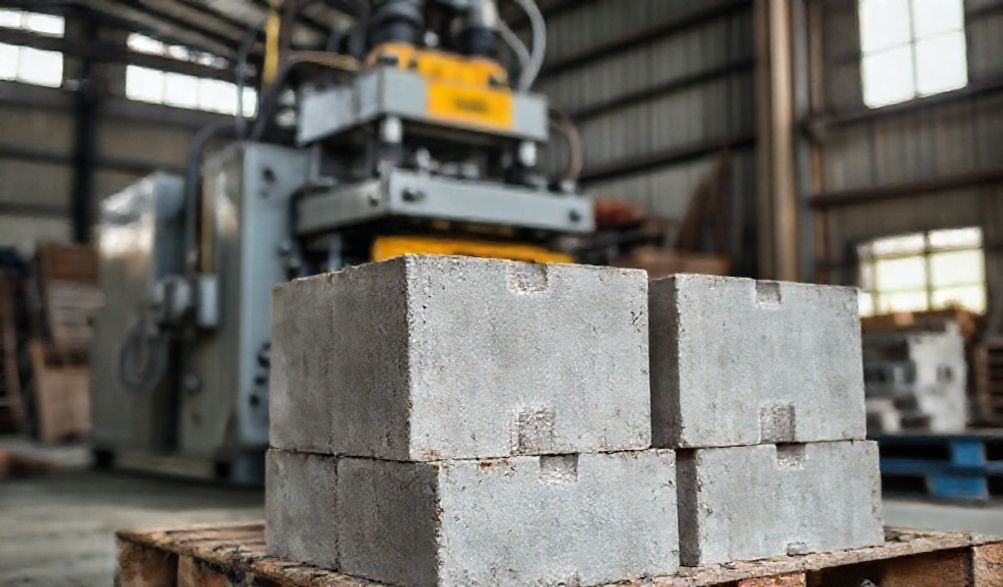
Panduan Terbaik Anda untuk Membeli Mesin Pembuat Blok Konkrit di Dhaka, Bangladesh
Pengenalan
Langit langit Dhaka adalah bukti kepada pertumbuhan yang tidak henti-henti. Dari pusat komersial sibuk di Gulshan ke kawasan kediaman yang semakin berkembang di Purbachal, industri pembinaan Bangladesh sedang berkembang pesat. Di teras revolusi pembinaan moden ini terletak komponen asas: blok konkrit. Sebagai pilihan utama untuk pembinaan yang mampan, tahan lama dan berkesan kos, permintaan untuk blok berkualiti tinggi tidak pernah lebih tinggi.
Walau bagaimanapun, bagi pembina, kontraktor, dan usahawan yang bercita-cita di Dhaka, mendapatkan blok-blok ini atau memasuki bidang pengeluaran menghadapi cabaran besar. Pasaran mesin pembuat blok konkrit penuh sesak, dengan pilihan yang berbeza daripada unit manual asas sehingga kilang automatik canggih. Bagaimana anda menelusuri kekeliruan ini untuk mencari mesin yang boleh dipercayai, cekap, dan menawarkan nilai wang yang sebenar? Pilihan yang salah boleh mengakibatkan masa henti yang melumpuhkan, produk di bawah standard, dan pelaburan yang gagal.
Panduan ini adalah sumber komprehensif anda yang dipandu pakar. Kami akan meneroka seluruh landskap pembelian mesin pembuat blok konkrit di Dhaka, Bangladesh. Matlamat kami adalah untuk melangkaui brosur jualan dan memberikan anda nasihat faktual, telus, dan praktikal. Anda akan memperoleh pengetahuan yang diperlukan untuk membuat keputusan yang berinformasi dan yakin, selaras dengan matlamat pengeluaran khusus dan aspirasi perniagaan anda. Mari bina asas yang kukuh untuk kejayaan anda.
Memahami Mesin Pembuat Blok Konkrit
Sebelum terjun ke pasaran, adalah penting untuk memahami alat yang menjadi teras usaha anda. Mesin pembuat blok konkrit bukan sekadar sekeping logam; ia adalah satu sistem yang direka untuk mengubah bahan mentah menjadi komponen binaan yang tepat dan kuat.
Bagaimana Mesin Pembuat Blok Konkrit Berfungsi?
Proses ini, walaupun canggih dalam pelaksanaannya, mengikut urutan yang logikal:
- Mencampurkan:Simen, pasir (atau agregat halus lain), serpihan batu (agregat kasar), dan air dicampur dalam pengadun untuk membentuk campuran konkrit separa kering yang homogen. Konsistensi adalah kunci—terlalu basah, dan blok tidak akan mengekalkan bentuknya; terlalu kering, dan ia tidak akan memadat dengan betul.
- Pembentukan:Campuran ini dimasukkan ke dalam corong, yang kemudiannya mengeluarkan jumlah yang diukur ke dalam acuan atau "kotak acuan." Acuan ini menentukan bentuk blok - berongga, padat, pavar, dan sebagainya.
- Pemadatan:Ini adalah peringkat kritikal di mana blok memperoleh kekuatannya. Kebanyakan mesin menggunakan gabungan:
- Getaran: High-frequency vibration shakes the mold, causing the concrete mix to settle densely and release air pockets.
- Tekanan Hidraulik: A hydraulic head applies significant pressure from the top, further compressing the material. This dual action ensures maximum density and structural integrity.
- Penyembuhan: The freshly formed (or “green”) block is then ejected onto a pallet. It must undergo a controlled curing process, typically involving keeping it moist for several days, to allow the cement to fully hydrate and achieve its designed strength.
বাংলাদেশের বাজারে উপলব্ধ মেশিনের প্রকারভেদ
Your choice here will define your business’s scale, labor needs, and capital outlay.
- Mesin Pembuatan Blok Manual: These are lever-operated or simple mechanical presses. They require significant manual labor for mixing, feeding, and block removal.
- Terbaik untuk: Micro-enterprises, very small-scale personal projects, or as a low-cost entry point. Output is very low.
- Mesin Semi-Automatik: The most popular choice for SMEs in and around Dhaka. Key processes like mixing and vibration are powered, but block ejection and pallet movement may require some manual intervention.
- Terbaik untuk: Small to medium businesses. They offer an excellent balance between output (500-2000 blocks per 8-hour shift), affordability, and operational control.
- Loji Pembuatan Blok Sepenuhnya Automatik: These are complete production lines with automated material handling, mixing, block making, curing, and stacking. They require minimal human oversight.
- Terbaik untuk: Large-scale manufacturers supplying major projects or distributors. Investment is high, but output can exceed 10,000 blocks per shift.
- Mesin Blok Mudah Alih: Mounted on a trailer, these machines can be towed directly to a construction site to produce blocks on-location, saving transport costs for large projects.
Komponen Utama dan Fungsinya
Knowing the parts helps you evaluate quality and discuss maintenance.
* Hopper: Holds and feeds the raw concrete mix into the mold.
* Pengadun: Blends cement, aggregates, and water uniformly (in stationary plants).
* Mold/Mold Box: The core component that shapes the block. Interchangeable molds allow production of different block types.
* Sistem Getar: Usually an electric motor with eccentric weights that generates the necessary compaction frequency.
* Sistem Hidraulik: Comprises a pump, cylinders, and valves to apply precise pressure during compaction and block ejection.
* Panel Kawalan: Houses the electrical controls for operating the machine’s cycles (semi and fully automatic models).
Why Invest in a Block Making Machine in Dhaka?
The decision to invest is not just about buying equipment; it’s about capitalizing on a clear and present economic opportunity.
The Growing Construction Demand in Bangladesh
The numbers speak for themselves. Bangladesh’s infrastructure and real estate sectors are experiencing unprecedented growth. Mega-projects like the Padma Bridge, Metro Rail, and numerous high-rise developments create a massive, sustained demand for building materials. The government’s focus on affordable housing and urban development further fuels this demand. For a business in Dhaka, this translates to a ready and growing market for quality concrete blocks.
Economic Advantages for Entrepreneurs
Investing in production is often more profitable than just being a consumer.
* High-Profit Margins: The cost of producing a standard hollow block (e.g., 10″) in Dhaka is significantly lower than its market selling price. The margin covers machine depreciation, raw materials, labor, and power, leaving a healthy profit.
* Business Model Flexibility: You can supply local contractors, partner with developers on specific projects, or even establish your own retail channel. You control production to meet market needs.
* Reduced Reliance on Third-Parties: No more delays or quality issues from external suppliers. You manage your own inventory and timelines.
Quality Control and Consistency
When you own the machine, you own the quality.
* Strength Assurance: You control the mix design (cement-aggregate ratio), compaction, and curing process, ensuring every block meets the required compressive strength (e.g., 7.5 MPa, 10 MPa as per project specs).
* Ketepatan Dimensi: A good machine produces blocks with uniform size and sharp edges, which simplifies and speeds up masonry work, saving builders time and mortar.
* BSTI Compliance: For certain projects and to build a reputable brand, producing blocks that meet Bangladesh Standards and Testing Institution (BSTI) standards is a major competitive advantage. This compliance starts with controlled in-house production.
Critical Factors Before You Buy in Dhaka
This is where due diligence separates a wise investment from a costly mistake. Consider these factors specific to operating in the Dhaka region.
Menilai Keperluan Pengeluaran Anda
Ask yourself these questions first:
* What is my target daily or monthly output? Are you supplying a single project, a few local builders, or aiming for the wholesale market?
* What types of blocks are in demand? Solid blocks for foundations? Hollow blocks for walls? Paving blocks for driveways? Ensure the machine can accommodate the necessary molds.
* What is my available startup capital? Be realistic about budget, including machine cost, setup, and working capital for raw materials.
Spesifikasi Utama Mesin yang Perlu Diteliti
Never buy based on a model name alone. Demand these details:
* Kapasiti Pengeluaran: Often stated as “blocks per hour.” Clarify if this is for a standard hollow block and under ideal conditions. Derate it slightly for real-world planning.
* Block Sizes and Mold Compatibility: List the specific block sizes you need (e.g., 10″x8″x4″ hollow block, 4″ solid block). Confirm the machine can use molds for these sizes and that molds are readily available.
* Keperluan Kuasa: This is critical in Dhaka. Does the machine run on 3-phase electricity? What is the connected load (in kW)? Do you have reliable access to this power, or will you need a diesel generator as a backup? Factor in power costs.
* Tahap Automasi: How much manual labor is required per cycle? Semi-automatic machines save labor compared to manual ones but are more affordable than full automatics.
Space, Power, and Raw Material Considerations
Your machine doesn’t operate in a vacuum.
* Angkasa: You need space for the machine, a raw material storage area (sand, chips, cement), a mixing area (if not integrated), a curing yard, and storage for finished blocks. A covered shed is essential for the machine and curing.
* Bahan Mentah: Source reliable suppliers for sand (or Sylhet sand/stone dust), graded stone chips, and cement. The consistency of your raw materials directly affects block quality. Establish a supply chain before you start production.
* Air: You’ll need a consistent water supply for the mix and for curing blocks.
Navigating the Dhaka Supplier Landscape
Finding the right seller is as important as finding the right machine. The Dhaka market has both local manufacturers and dealers for imported machines.
Local Manufacturers vs. Imported Machine Dealers
- Local Manufacturers (e.g., in areas like BADC, Tongi, or Narayanganj):
- Kelebihan: Lower initial cost, easier and faster communication, readily available spare parts, quicker service response. They understand local conditions and power issues.
- Keburukan: Technology may be less advanced, and build quality can vary significantly between workshops.
- Imported Machine Dealers (selling Chinese, Indian, or European brands):
- Kelebihan: Often feature more advanced technology, higher efficiency, and potentially better build quality. Brand reputation can be a factor.
- Keburukan: Higher purchase price, expensive and delayed spare parts, potential language barriers with the manufacturer, and service may depend solely on the dealer’s capability.
The Verdict: For most buyers in Bangladesh, a reputable local manufacturer with a strong service record is often the safer bet. The importance of accessible after-sales support cannot be overstated.
How to Vet a Reliable Supplier or Manufacturer
Your supplier checklist:
1. Insist on a Factory Visit: See where the machines are actually assembled. Assess the workshop’s organization and quality of work.
2. Ask for Client References: Get a list of recent buyers. Call them and ask about machine performance, downtime, and the supplier’s responsiveness to service calls.
3. Scrutinize the Warranty: What is covered (parts, labor)? For how long? What are the terms? Get it in writing.
4. Evaluate Service Capability: Do they have dedicated service engineers? What is their typical response time for a breakdown in Dhaka?
Red Flags to Avoid:
* Supplier operates only from a small showroom with no workshop.
* Unwillingness to provide client references.
* Vague or overly generous warranty promises that seem too good to be true.
* Pressure to pay 100% upfront before delivery or installation.
Understanding Pricing and Hidden Costs
The machine’s sticker price is just the beginning. When comparing quotes, ensure they include or account for:
* Machine base price.
* Cost of the specific molds you need.
* Installation and commissioning charges.
* Operator training.
* Cost of a starter kit of essential spare parts (seals, springs, etc.).
* Transportation to your site.
A detailed, line-item quote allows for a true comparison.
Installation, Operation, and Maintenance
Your machine’s lifespan and productivity depend on how it’s treated from day one.
Setting Up for Success: Installation Basics
- Foundation: The machine needs a level, solid concrete foundation as per the supplier’s drawings to absorb vibrations.
- Power Connection: A proper 3-phase electrical connection by a qualified electrician, with necessary safety switches (MCB, ELCB).
- Safety First: Ensure all moving parts are guarded, and the work area is organized to prevent accidents.
Training Your Operators for Efficiency and Safety
Do not skip this. Proper training from the supplier ensures:
* Correct operation sequences for optimal block quality.
* Basic troubleshooting to identify minor issues.
* Safe working practices to prevent injuries.
* Understanding of the raw material mix, which is 50% of block quality.
Essential Maintenance Schedule for Longevity
A little regular care prevents major breakdowns.
* Daily: Clean the machine thoroughly at the end of the shift, especially the mold and hopper. Check for loose bolts.
* Weekly: Lubricate all moving parts as per the manual. Check hydraulic oil levels and for leaks.
* Monthly: Inspect the vibrator mounts, hydraulic hoses, and electrical connections.
* Alat Ganti: Keep a small inventory of common wear-and-tear items: hydraulic seals, vibration motor mounts, springs, and spare mold liners. Your supplier can recommend a list.
Maximizing Your Investment and ROI
With your machine running smoothly, focus on optimizing the business.
Optimizing Production for Profit
- Raw Material Sourcing: Build relationships with aggregate suppliers for consistent quality and better prices for bulk purchases.
- Perfect the Mix Design: Experiment (under guidance) to find the most cost-effective mix that still meets strength requirements. Avoid over-cementing.
- Streamline Workflow: Organize your yard so the flow of raw materials to finished blocks is logical and minimizes handling.
Marketing Your Concrete Blocks in the Local Market
- Quality as Marketing: Deliver consistently strong, well-shaped blocks. Your product will market itself to masons and foremen.
- Targeted Outreach: Visit construction sites, connect with local contractors’ associations, and list your business on relevant Bangladeshi online directories (e.g., ClickBD, eSheba).
- Branding: Even simple branding on your delivery vehicle or a professional invoice helps build recognition.
Scaling Your Business: From One Machine to a Plant
Start with a machine that meets your proven demand. As your client base grows, you can:
1. Add a second semi-automatic machine for increased capacity.
2. Invest in a concrete mixer to improve mix consistency and save labor.
3. Eventually, upgrade to a fully automatic plant with a block curing system (like a steam curing chamber) for the highest output and quality.
Soalan Lazim (FAQ)
Q1: What is the average price range for a concrete block making machine in Dhaka?
A: Prices vary dramatically. A basic manual machine can start from BDT 1-2 lakh, a quality semi-automatic machine may range from BDT 8 lakh to 25 lakh, and fully automatic plants can cost BDT 50 lakh to several crores. Always get a detailed quote based on your specifications.
Q2: Can I get a loan or financing for this machinery in Bangladesh?
A: Yes. Many banks and financial institutions (like Sonali Bank, Janata Bank, IDLC, IPDC) offer SME and industrial equipment loans. Prepare a solid business plan and approach them directly to understand their terms and collateral requirements.
Q3: What is the typical warranty period, and what does it cover?
A: A standard warranty from a reputable local supplier is typically 1 tahun on major parts (excluding wear items like mold liners). Crucially, you must get the warranty coverage, exclusions, and response time commitments in writing before purchase.
Q4: How do I ensure the blocks meet BSTI standards?
A: Follow a precise, proven mix design, ensure proper compaction in the machine, and implement a strict 7-14 day water curing process. To verify, you can send samples from your initial production batches to a BSTI-certified laboratory for compressive strength testing.
Q5: What after-sales service should I expect from a good supplier?
A: Expect comprehensive support: supervised installation and commissioning, thorough operator training, a 24/7 helpline for troubleshooting, availability of service engineers for on-site visits, and a reliable inventory of spare parts for sale. This service network is a key part of your purchase decision.
Kesimpulan
Purchasing a concrete block making machine in Dhaka is a significant step toward securing your role in Bangladesh’s dynamic construction sector. This journey—from understanding the different machine types and assessing your needs to meticulously vetting suppliers and planning for maintenance—requires careful thought and due diligence.
As a final piece of expert advice, remember this: In the Bangladeshi context, the reliability of your supplier and their after-sales service network often outweighs a marginal saving on the initial purchase price. A slightly more expensive machine from a reputable, service-oriented company will save you money, time, and immense frustration in the long run.
Use this guide as your checklist. Visit multiple workshops, ask the hard questions, speak to existing clients, and scrutinize every detail of the warranty and service agreement. By making an informed decision, you’re not just buying a machine; you’re investing in the foundation of a profitable and sustainable business that will contribute to building the future of Dhaka and Bangladesh.
<