
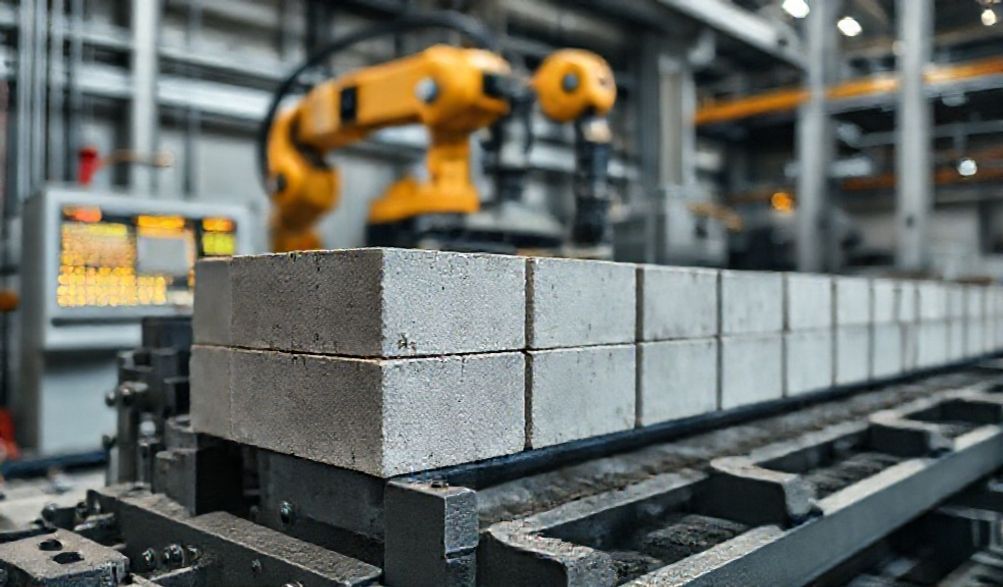
Your Ultimate Guide to Choosing a Block Bricks Making Machine Manufacturer: Spotlight on FUDA Factory
Navigating the global market for block bricks making machines can feel like an overwhelming task. As a buyer, you’re not just purchasing a piece of equipment; you’re investing in the very foundation of your construction business or project. The stakes are high. A poor choice can lead to crippling downtime, substandard product quality, and endless maintenance headaches. The core challenge lies in cutting through the marketing noise to identify a manufacturer that combines robust engineering, reliable quality, and steadfast after-sales support. This guide, born from extensive industry analysis and hands-on experience, is designed to be your authoritative roadmap. We will use the Kilang Mesin Pembuat Bata FUDA as a detailed case study—not as a promotional piece, but as a tangible example of the benchmarks every savvy buyer should look for. Our goal is to equip you with the critical knowledge to evaluate any manufacturer, ensuring your investment drives productivity and profit for years to come.
What Defines a Top-Tier Block Bricks Making Machine Manufacturer?
Before zeroing in on any specific brand, it’s essential to understand the universal hallmarks of excellence in this specialized field. A top-tier manufacturer is defined by much more than a glossy brochure; it’s an ecosystem of engineering prowess, rigorous standards, and client-centric support.
Kepakaran Kejuruteraan dan Pelaburan R&D
The heart of a superior brick making machine is its design. Look for a manufacturer with a dedicated, in-house engineering team.
- Inovasi Berterusan: The best manufacturers invest consistently in Research & Development. This leads to advancements in core areas like hydraulic system efficiency, vibration technology for optimal compaction, and intelligent automation that reduces human error and labor costs.
- Purpose-Driven Design: Engineering should focus on solving real-world problems: enhancing durability, improving energy efficiency, and simplifying operation and maintenance. A static, outdated product line is a red flag.
Piawaian Pembuatan dan Kawalan Kualiti
A brilliant design is worthless if poorly executed. Manufacturing integrity is non-negotiable.
- Bahan Premium: The machine’s longevity depends on the quality of its components. Inquire about the steel grades used for the frame and mold boxes. High-tensile, wear-resistant steel is a must.
- Precision Processes: Look for evidence of computer-controlled machining, robotic welding, and standardized assembly lines. These ensure consistency and precision in every unit produced.
- Certifications & Protocols: International certifications (like ISO) provide a baseline for quality management systems. More importantly, understand the multi-stage inspection protocol—from raw material checks to final performance testing before shipment.
Pelbagai Produk Komprehensif dan Penyesuaian
No single project is identical. A manufacturer’s flexibility speaks volumes about its technical capability.
- Diverse Model Portfolio: A reputable company typically offers a range from simple manual or semi-automatic machines to fully automated production lines. This includes stationary plants for large-scale yards and mobile block making machines for on-site production.
- Kebolehsesuaian: The ability to customize machines for specific block types (hollow blocks, solid blocks, paving slabs, interlocking bricks) and local raw materials (fly ash, crushed aggregate, laterite soil) is crucial. It shows an understanding of diverse market needs.
Global Supply Chain and After-Sales Service Network
Your relationship with the manufacturer begins at purchase, not ends there.
- Rangkaian Bekalan Teguh: A reliable network for sourcing high-quality components (hydraulics, motors, PLCs) ensures consistent production quality and availability of spare parts.
- Proactive After-Sales: The most critical differentiator is a structured, responsive service framework. This includes detailed installation manuals, remote or on-site commissioning support, comprehensive operator training programs, and a clear, accessible channel for technical support and spare parts ordering.
Deep Dive: The FUDA Brick Making Machine Factory Ethos
Let’s apply the framework above to a concrete example. The FUDA Brick Making Machine Factory presents a profile worth examining against these industry benchmarks.
A Legacy of Manufacturing Experience
FUDA has established itself over years of operation within the heavy machinery sector. This longevity is not incidental; it suggests a sustained ability to meet market demands, adapt to technological changes, and build a portfolio of operational machines globally. Such experience translates into practical knowledge about what works on the factory floor, informing more reliable and user-centric machine designs.
Core Technologies and Machine Specifications
A review of FUDA’s technical offerings reveals an emphasis on core performance principles:
- Efficient Vibration Systems: Their machines often employ high-frequency, multi-directional vibration systems mounted on a stabilized platform. This ensures even compaction of concrete, resulting in dense, high-strength blocks with excellent surface finish.
- Automasi Bersepadu: Many models feature Programmable Logic Controller (PLC) systems. This automates the mixing, molding, curing, and stacking processes, ensuring consistent output and reducing manual labor.
- Energy-Conscious Design: Features like energy-efficient hydraulic systems and optimized power consumption per production cycle are highlighted, addressing long-term operational cost concerns for buyers.
Quality Assurance from Raw Material to Finished Machine
Trust is built on transparency in processes. FUDA’s stated quality assurance protocol typically involves:
- Strict Material Sourcing: Prioritizing certified suppliers for steel, hydraulics, and electrical components.
- Layer-by-Layer Inspection: Implementing checks at the machining, welding, assembly, and paint stages.
- Ujian Pra-Penghantaran: Conducting rigorous no-load and simulated load tests to ensure every machine meets its specified performance criteria before leaving the factory.
Supporting Clients for the Long Term
FUDA structures its post-purchase support to minimize client downtime, which is a key indicator of a partner-focused manufacturer.
- Documentation & Guidance: Providing comprehensive operation and maintenance manuals.
- Training Provisions: Offering training programs, either at the factory or via dispatched engineers, to ensure client teams can operate and perform basic maintenance.
- Parts Accessibility: Maintaining an inventory of commonly required spare parts to ensure prompt dispatch and reduce machine idle time.
Critical Questions to Ask Any Brick Machine Manufacturer
Arm yourself with these pointed questions during your evaluation. A confident, transparent manufacturer will have clear answers.
Questions About Machine Performance and Output
- “What is the exact cycle time for producing a standard 400x200x200mm hollow block, and what is the daily 8-hour production capacity under optimal conditions?”
- “Can you provide test data or case studies showing the machine’s performance with raw materials common in my region, such as fly ash or local aggregates?”
- “How quickly can the machine switch between producing different block types if multiple molds are purchased?”
Questions About Durability and Total Cost of Ownership
- “What are the specifications (brand, model, expected service life) of the core components like the hydraulic pump, vibration motors, and PLC?”
- “Beyond the purchase price, can you provide an estimated breakdown of maintenance costs (routine and major) over a 5-year period?”
- “What is the expected operational lifespan of the main frame and mold under normal use conditions?”
Questions About Installation, Training, and Support
- “What level of installation support is included? Do you provide detailed layout drawings, remote video support, or dispatch an engineer on-site?”
- “What is covered in your standard operator training program, and how is it delivered?”
- “What is your standard warranty period and what specific components does it cover? What is your target response time for technical support inquiries and your average delivery time for critical spare parts?”
The Buyer’s Journey: From Inquiry to Production
Understanding the standard process helps you manage expectations and spot deviations that could signal issues.
Initial Consultation and Site/Requirement Analysis
A serious manufacturer will start by asking detailed questions about your project: desired block types, daily output goals, available space, power supply, and raw material characteristics. They may request photos or videos of your site.
Machine Selection, Quotation, and Logistics Planning
Based on your needs, they should recommend a specific model or configuration. The formal quotation must be itemized, including the machine price, optional accessories, spare parts lists, shipping costs (FOB, CIF, etc.), and a clear outline of warranty and service terms.
Installation, Commissioning, and Production Launch
Upon delivery, the support phase begins. This involves:
1. Foundation verification and machine placement.
2. Mechanical and electrical connection.
3. Commissioning: calibrating the machine and running initial production cycles.
4. Formal training for your operators and maintenance staff.
5. Handover of all documentation and commencement of the warranty period.
FAQ Section
Q1: What is the average lead time for a brick making machine from order to delivery?
A: Lead times vary significantly based on model complexity and customization. For standard models from established manufacturers, expect a timeline of 30 to 60 days for production, plus shipping and customs clearance. Always get a written commitment in your contract.
Q2: Can your machines produce different block sizes and shapes with the same mold?
A: No. Each mold is a precision tool designed for a specific block dimension and shape. Reputable manufacturers offer a wide range of standard molds and have the engineering capability to produce custom molds for unique architectural or landscaping blocks.
Q3: How important is after-sales service, and what should it include?
A: It is arguably the most critical factor in your total cost of ownership. Comprehensive service includes pre-departure testing, installation guidance, thorough operator and maintenance training, a clear and fair warranty, readily available technical documentation, and a reliable supply chain for genuine spare parts to minimize costly downtime.
Q4: What are the key factors affecting the final price of a brick making machine?
A: The price is influenced by: 1) Tahap Automasi (manual vs. fully automatic), 2) Kapasiti Pengeluaran, 3) Machine Robustness (quality of steel and components), 4) Brand of Core Parts (e.g., Siemens PLC vs. generic), and 5) Included Services (training, warranty, support).
Q5: How do I evaluate the durability and longevity of a machine before purchasing?
A: Request the technical data sheets for key structural materials and components. Ask for contact information for long-term clients (3+ years) in a similar climate or application to get firsthand feedback. A factory visit is the best way to assess build quality firsthand.
Kesimpulan
Selecting the right block bricks making machine manufacturer is a strategic decision that hinges on verified expertise, transparent manufacturing processes, uncompromising quality control, and a proven, long-term support ethic. By applying the rigorous framework outlined in this guide—scrutinizing engineering depth, manufacturing standards, product flexibility, and service infrastructure—you transform from a hopeful buyer into an informed partner.
Manufacturers like the Kilang Mesin Pembuat Bata FUDA, which have built their reputation on these foundational pillars, represent a lower-risk pathway to securing productive, reliable equipment. They exemplify the partnership necessary for long-term business success in the competitive construction materials industry. Let this be your final piece of expert advice: wherever possible, validate your choice through a factory audit or direct conversations with existing clients. Seeing the operation and hearing unbiased testimonials is the ultimate due diligence for a capital investment of this importance.
<