
The Unseen Engine: Your Comprehensive Guide to Block Machine Moulds
မိတ်ဆက်
Look around. The walls of your home, the pavement underfoot, the curbs lining the street. These fundamental elements of our built environment often begin their life in a precise, unassuming steel cavity: the block machine mould.
Far more than a simple container, the mould is the DNA of concrete block production. It dictates the final product’s shape, strength, texture, and dimensional accuracy. For manufacturers, construction firms, and engineers, a deep understanding of this critical component is non-negotiable. It’s the difference between seamless profitability and costly downtime, between superior quality and subpar output.
This guide serves as your definitive resource. We’ll move beyond basic definitions to explore the engineering principles, operational wisdom, and innovative trends that define modern mould mastery. Whether you’re selecting your first mould or optimizing an existing line, the insights here will help you build a foundation of efficiency, quality, and trust in your operations.
Understanding Block Machine Moulds
What is a Block Machine Mould?
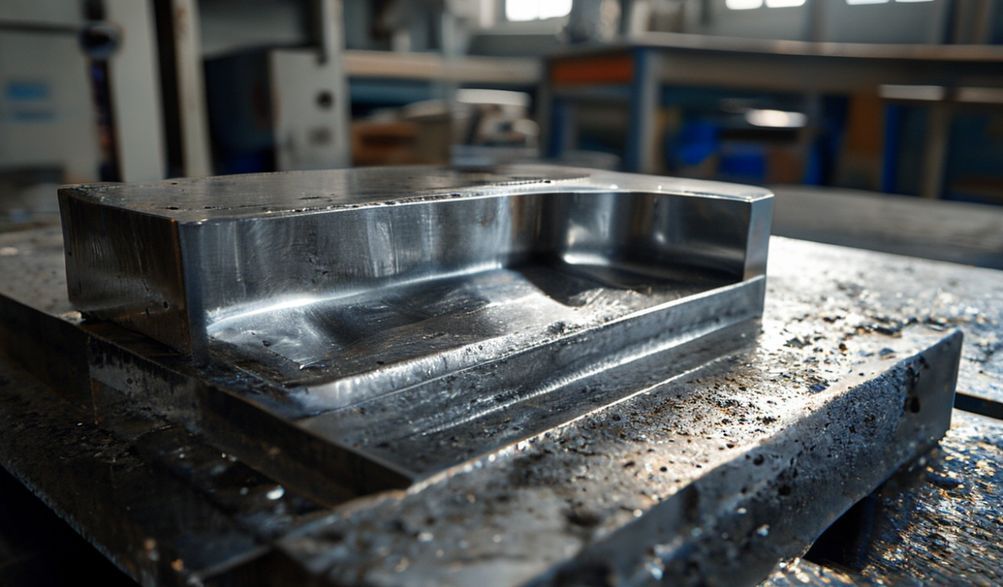
A block machine mould is a precision-engineered tool, typically fabricated from hardened steel alloys. It forms the cavity into which semi-dry concrete is poured, vibrated, and compacted to create a solid, shaped product. After compaction, the mould is lifted or opened, releasing the “green” block onto a pallet for curing. It is the heart of the block-making machine, directly responsible for translating raw material into a standardized, usable construction component.
Core Components and Design Principles
The effectiveness of a mould lies in its intelligent design and robust construction. Key components work in concert:
- Mould Box/Casing: This is the rigid outer frame. It provides structural integrity, ensures alignment during the high-pressure compaction cycle, and interfaces with the block machine itself.
- Cavity Inserts: These are the shapes mounted inside the box that create the block’s specific features. For hollow blocks, these form the cores. They are designed for easy removal and replacement as they endure significant wear.
- Wear Plates & Liners: Strategically placed on surfaces subject to the most abrasion (like the bottom where concrete is forced in), these hardened plates are sacrificial. They protect the main mould body, extending its overall lifespan and simplifying maintenance.
- Design for Demoulding: Perhaps the most critical principle. This includes:
- Draft Angles: Slight tapers on vertical faces so the block can eject cleanly.
- မျက်နှာပြင် အဆင့်အတန်း A specific polish or texture that minimizes friction and adhesion.
- Undercut Avoidance: Designing shapes that won’t “lock” the concrete in place.
Types of Block Machine Moulds
Choosing the right type is the first step to compatibility and success.
By Machine Compatibility
- Stationary Plant Moulds: Used in high-output stationary machines (like Besser or Zenith plants). The mould remains fixed, and pallets are cycled underneath it. These are often larger, heavier, and built for millions of cycles.
- Mobile Machine Moulds: Designed for “egg-layer” or mobile block machines. The entire machine moves, depositing blocks directly on the ground. These moulds are built to withstand the rigors of movement and on-site conditions.
By Block Product Type
- Hollow Block Moulds: The most common type, producing standard construction blocks with hollow cores for insulation, weight reduction, and reinforcement.
- Paving Stone & Interlocking Block Moulds: Engineered for complex, often interlocking shapes. Precision is paramount here to ensure proper fit and pattern alignment in the final pavement.
- Solid Block & Kerbstone Moulds: Built for dense, heavy products like solid bricks, foundation blocks, and landscape curbing. They withstand extreme pressure from non-slump concrete mixes.
- Specialty Shape Moulds: The custom solution for architectural facades, unique landscaping features, or proprietary block designs. These highlight the mould’s role as a tool for innovation.
Key Selection Criteria for Optimal Performance
Selecting a mould requires a balance of durability, precision, and compatibility.
Material and Durability Factors
The material choice is a direct investment in longevity.
- High-Chrome Alloy Steel (e.g., D-2, A-8): The industry benchmark. Chromium content (often 10-13%) provides exceptional resistance to the abrasive wear of sand and aggregate.
- Heat Treatment: Proper hardening (to achieve high surface hardness) and tempering (to retain core toughness) are what transform good steel into a great mould. This process prevents cracking and deformation under cyclic loading.
- Abrasion Resistance: Evaluate material specs against your specific concrete mix. Harder aggregates like granite will demand higher-grade alloys than softer limestone mixes.
Precision and Tolerance Specifications
Precision in the mould translates to consistency on the job site.
- ဒိုင်မင်းရှင်းဆိုင်ရာ တိကျမှု Tolerances are often within fractions of a millimeter. Consistent block dimensions are critical for structural integrity, mortar joint consistency, and meeting ASTM or ISO standards.
- Surface Finish Impact: A polished cavity yields a smoother block face, which ejects more easily and offers a preferred aesthetic for certain applications.
Compatibility with Your Block Machine
A perfect mould for the wrong machine is useless.
- Mounting System & Dimensions: The mould must physically fit your machine’s head or table. This includes bolt patterns, pin locations, and overall footprint. Always specify your machine make and model.
- Cycle Time & Vibration Compatibility: The mould’s design and mass must align with your machine’s compaction method (vibration frequency, pressure) and required cycle speed to ensure complete fill and consolidation.
Operation and Best Practices
Proper operation protects your investment from day one.
Proper Installation and Setup
- Clean & Inspect: Thoroughly clean the machine table and the new mould. Check for any shipping damage.
- Lift Correctly: Use appropriate lifting points. Never lift by bolts or liners.
- Align Precisely: Carefully lower the mould onto the guide pins or mounting surface. Do not force it.
- Secure Evenly: Tighten all mounting bolts or clamps evenly and to the manufacturer’s specified torque in a cross pattern.
- Test Run: Conduct a few test cycles with the machine empty, then with material, to ensure smooth operation before full production.
Optimizing the Production Process
- Concrete Mix Design: The mould and mix are partners. An optimal mix has:
- Well-Graded Aggregate: Minimizes voids and ensures sharp block corners.
- Correct Slump/Vebe Time: A semi-dry, no-slump mix is standard for block making. It must be workable enough to fill the mould completely under vibration.
- Consistent Cement Content: Variations affect the block’s “green strength” and how it releases from the mould.
- Vibration and Compaction: Ensure vibration time and amplitude are sufficient to consolidate the mix fully, eliminating air pockets that cause weak spots.
- Release Agents: Use a high-quality, diluted emulsion spray. Apply a fine, even mist—over-application can stain blocks and cause build-up. The goal is a thin barrier, not a puddle.
Maintenance for Longevity and Consistency
Proactive maintenance is the single biggest factor in mould lifespan.
Routine Cleaning Procedures
- Daily: After the final production cycle, use non-metallic brushes and scrapers to remove all concrete residue from cavities, liners, and surfaces. Avoid steel tools that can scratch the hardened surface.
- Weekly: Perform a more detailed clean. Inspect for hardened build-up in corners. A dedicated cleaning station with compressed air is ideal.
Inspection and Wear Assessment
Establish a regular schedule (e.g., every 50,000 cycles) to:
* Measure critical block dimensions directly from the mould cavity.
* Check for wear on liners, bottom plates, and core tips.
* Look for cracks, especially in weld areas or high-stress corners.
* Check for bent or deformed components that affect alignment.
Repair vs. Replacement Decisions
- Repair (Economical): Localized wear on replaceable liners or plates, minor edge rounding that can be machined, or small cracks that can be properly welded and re-machined by a specialist.
- Replacement (Necessary): Extensive wear across multiple cavities, cracks in the main mould body, warping, or when dimensional tolerance can no longer be restored. When repair costs approach 60% of a new mould’s price, replacement is usually the wiser long-term investment.
Innovations and Industry Trends
The mould industry is not static. Innovation drives greater efficiency and capability.
Advanced Materials and Coatings
- New Alloys: Research into tungsten-carbide infused steels and other ultra-hard alloys promises even longer life in highly abrasive environments.
- Nano-Coatings & PVD Coatings: Thin, extremely hard surface layers (like titanium nitride) are being applied. These dramatically reduce friction, improve release, and resist corrosion, adding significant life to the base metal.
Automation and Smart Moulds
The Industry 4.0 revolution is arriving. Imagine moulds equipped with:
* Embedded Sensors: To monitor temperature, vibration, and wear in real-time.
* Predictive Maintenance Analytics: Data from these sensors can predict failure points, scheduling maintenance before a breakdown occurs, maximizing uptime.
Sustainability in Mould Manufacturing
The focus is on the full lifecycle:
* Longer-Lasting Designs: The most sustainable mould is one that doesn’t need frequent replacement, reducing raw material and energy use over time.
* Recyclable Materials: Using steels that are easily recycled at end-of-life.
* Efficient Manufacturing: Adopting processes like laser cutting and CNC machining that minimize material waste during production.
FAQ: Expert Answers on Block Machine Moulds
Q1: How long should a typical high-quality block machine mould last?
က: Under normal conditions with proper maintenance, a high-quality high-chrome alloy mould can produce 1.5 to 2.5 million blocks. This range is heavily influenced by concrete mix abrasiveness, maintenance discipline, and machine operation parameters. More abrasive mixes (with hard rock aggregate) will reduce lifespan.
Q2: Can I use one mould design with different concrete mixes?
က: You can, but not without caution. A significant change in aggregate size or shape can affect how the mix flows into and compacts within the cavity, potentially leading to incomplete fill or poor demoulding. It’s best to consult with your mould supplier when making major mix changes to assess compatibility and potential wear implications.
Q3: What are the most common signs that a mould needs maintenance or replacement?
က: Watch for these red flags:
* Increasing difficulty in demoulding (blocks sticking or breaking).
* Deterioration in the surface finish of the blocks (becoming rougher).
* Visible wear, rounding, or “smiling” on the mould’s edges and corners.
* A consistent deviation in block dimensions outside acceptable tolerances.
* Visible cracks or deformation in the mould box or inserts.
Q4: Are custom mould designs a viable option for small-scale producers?
က: Yes, absolutely. Viability depends on the business case. Custom moulds involve upfront design and tooling costs. They are most viable for producing higher-margin specialty products (e.g., unique architectural blocks, branded pavers) where the value per unit justifies the investment. Always discuss minimum order quantities, lead times, and design fees with a reputable manufacturer.
Q5: How does proper mould storage affect its lifespan?
က: It is absolutely critical. Improper storage is a leading cause of premature failure. Before storage:
1. Clean the mould meticulously of all concrete and moisture.
2. Apply a thin, even coat of protective oil or rust inhibitor to all steel surfaces.
3. Store in a clean, dry, and temperature-stable environment.
4. Place it on a flat, supported surface to prevent warping. Never stack heavy items on it.
နိဂုံး
Your block machine mould is far more than a purchase order line item; it is a pivotal asset in your production ecosystem. The choices you make—from selecting the right alloy and design to implementing a rigorous maintenance protocol—directly reverberate through your product quality, operational efficiency, and bottom line.
By embracing the principles outlined in this guide—prioritizing precision engineering, committing to proactive care, and staying informed on technological advancements—you do more than just make blocks. You build a reputation for reliability and excellence. In an industry founded on strength and stability, let your approach to this essential tool reflect those very values, ensuring every project you supply is built on a foundation of unwavering quality.
<