
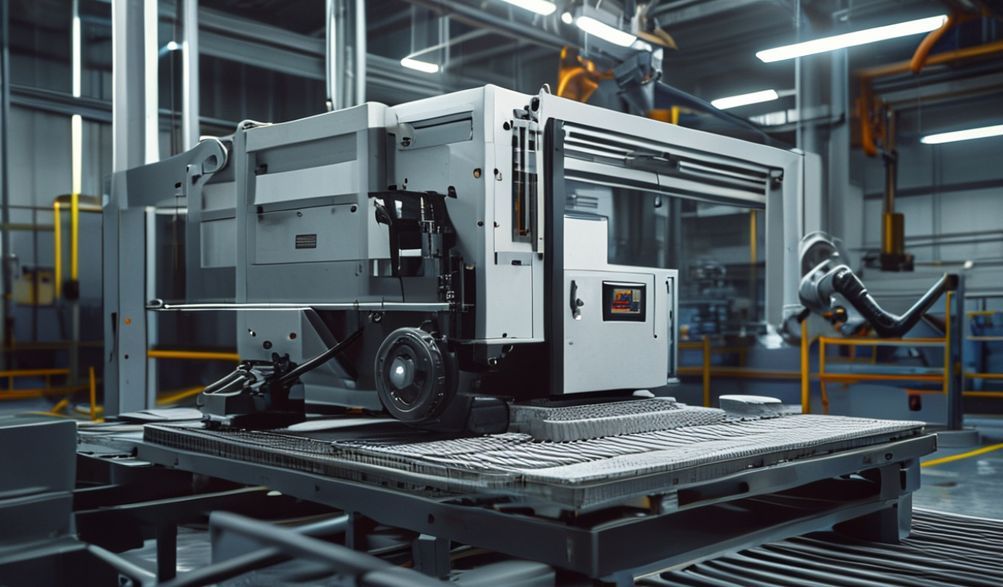
A Comprehensive Guide to China’s Leading Block Making Machine Factories
မိတ်ဆက်
ကမ္ဘာလုံးဆိုင်ရာ ဆောက်လုပ်ရေးကဏ္ဍသည် ၃၀ ရာခိုင်နှုန်းကျော် သုံးစွဲသည်။1.5 trillion concrete blocks annually, a demand driven by relentless urbanization and infrastructure development. At the heart of this supply chain is a manufacturing powerhouse: China, which produces over 60% of the world’s construction machinery, including a dominant share of block making machines. For businesses, contractors, and entrepreneurs worldwide, sourcing this essential equipment from a reliable China blocks making machines factory presents a significant opportunity for value and growth.
This guide is designed to be your definitive roadmap. It moves beyond simple supplier lists to offer a strategic, insider’s view of the industry. Our analysis is built on a foundation of industry research, technical specifications review, and an understanding of the complexities of international procurement. We aim to be your objective resource, cutting through the noise to help you make an informed decision.
By the end of this guide, you will know how to identify top-tier manufacturers, evaluate the different types of machines against your specific needs, understand the non-negotiable indicators of quality, and confidently navigate the procurement process from initial inquiry to successful installation. Let’s begin by understanding the machinery that builds our world.
ဘလောက်ပြုလုပ်သည့်စက်များကို နားလည်ခြင်း- အမျိုးအစားများနှင့် အသုံးပြုမှုများ
Before sourcing, it’s crucial to understand the product landscape. Block making machines are not one-size-fits-all; they are engineered for specific scales, outputs, and end-products. Choosing the wrong type can severely impact your project’s profitability and efficiency.
အဓိက စက်မျိုးအမျိုးအစားများ: လက်ဖြင့်မောင်းနှင်သည့်စက်မှ အလိုအလျောက်စက်အထိ
The level of automation is the primary differentiator, directly linked to output, labor requirements, and investment.
- လက်နှင့် အခြားကိရိယာများဖြင့် မောင်းနှင်ရသော စက်များ Ideal for small-scale projects, startups, or rural construction.
- စစ်ဆင်ရေး Require significant manual labor for material feeding, molding, and block removal.
- ထွက်ရန် Typically produce 1,000 to 4,000 blocks per 8-hour shift.
- ရင်းနှီးမြှုပ်နှံမှု Low upfront cost, but higher long-term labor cost per block.
- အလိုအလျောက် အပြည့်အစုံ ဘလောက်ပြုလုပ်သည့် စက်များ The workhorses for large-scale commercial production.
- စစ်ဆင်ရေး Integrated systems with automatic material batching, mixing, conveying, pressing, curing, and palletizing. Often controlled by a central PLC (Programmable Logic Controller).
- ထွက်ရန် Can produce from 10,000 to over 100,000 blocks per 24-hour period, depending on the model.
- ရင်းနှီးမြှုပ်နှံမှု Higher capital expenditure offset by very low labor costs and exceptional consistency.
- မိုဘိုင်းဘလောက်စက်များတည်နေရာတွင်ထုတ်လုပ်ရန်အတွက် ဘက်စုံအသုံးဝင်သော ဖြေရှင်းချက်။
- စစ်ဆင်ရေး Mounted on a trailer, these machines can be moved to the construction site, eliminating transport costs for finished blocks.
- အသုံးချမှု Perfect for large, remote projects like dams, military bases, or large-scale housing developments where transport logistics are costly.
Products They Can Produce
Modern machines are highly versatile, capable of producing a wide array of construction materials simply by changing the mold.
- Standard Construction Blocks: This includes concrete hollow blocks (for load-bearing walls), solid blocks, and fly ash blocks.
- Pavers and Curbstones: For landscaping, driveways, roads, and pedestrian zones. These require high-pressure vibration for density and strength.
- အပြန်အလှန်ချိတ်ဆက်ထားသော ဘလောက်များ A key innovation for sustainable construction. These blocks lock together without mortar, enabling faster construction and creating structures with excellent seismic resistance.
- Specialized Blocks: Many advanced factories can produce insulated blocks (with EPS foam inserts), architectural facade blocks, and permeable bricks for eco-friendly paving.
ဘာကြောင့် တရုတ်နိုင်ငံမှ ရင်းမြစ်ဘလောက်ပြုလုပ်သည့်စက်များကို ရွေးချယ်သင့်သလဲ။
The global preference for Chinese machinery is not accidental. It’s the result of decades of focused industrial development, offering tangible advantages that directly impact your bottom line and operational success.
The Competitive Edge: Cost-Effectiveness and Scale
Chinese manufacturers benefit from unparalleled economies of scale.
- Lower Unit Costs: Mass production of components and machines spreads fixed costs, resulting in a more competitive price point for equivalent technology.
- Superior ROI: The initial investment in a Chinese machine is often significantly lower than European or American counterparts. This means the machine pays for itself faster, improving your return on investment, provided quality is assured.
- Wide Range for All Budgets: Whether you need a basic manual machine or a fully automated production line, the Chinese market offers options at every price tier.
နည်းပညာတိုးတက်မှုနှင့် ဆန်းသစ်တီထွင်မှု
The outdated stereotype of Chinese manufacturing being low-tech no longer applies. Leading factories are at the forefront of innovation.
- Adoption of Global Standards: Top-tier factories use high-end components like German Bosch Rexroth or Japanese Yuken hydraulic systems and Siemens or Mitsubishi PLCs.
- Focus on R&D: Significant investment is channeled into developing more energy-efficient, faster, and smarter machines. Features like IoT-based remote monitoring and diagnostic systems are becoming more common.
- Refined Engineering: Decades of experience have led to optimized vibration systems for better block density and more robust frame designs for longevity.
A Mature and Complete Supply Chain
This is perhaps China’s most significant structural advantage.
- Component Proximity: Factories are often located within industrial clusters, with easy access to steel mills, hydraulic pump manufacturers, electrical component suppliers, and foundries for mold steel.
- Faster Production: This integrated supply chain drastically reduces lead times for both new machines and, critically, spare parts.
- ကုန္က်စရိတ္ထိန္းခ်ဳပ္ျခင္း။ Reduced logistics for components further lowers the overall manufacturing cost.
How to Identify a Reputable Chinese Block Machine Factory
This is the most critical step. The vast market contains both world-class manufacturers and subpar assemblers. Your due diligence here separates a successful partnership from a costly mistake.
Key Indicators of Factory Credibility (The Due Diligence Checklist)
Do not rely on a website or Alibaba storefront alone. Verification is key.
- Business Licenses & Certifications: Legitimate factories will readily provide business licenses. Look for international certifications:
- ISO 9001: Indicates a certified quality management system.
- စီအီး အမှတ်အသား Essential for exporting to Europe, signifying compliance with EU safety, health, and environmental standards.
- SGS Inspection Reports: Third-party verification of machine performance and specifications adds a layer of trust.
- Factory Tour & Production Capacity: Insist on a live video tour (not a pre-recorded promo).
- Look for organized workshops, modern CNC machinery for part fabrication, and active assembly lines.
- Assess the scale. A factory producing its own steel frames and welding components is generally more reliable than a small workshop assembling bought-in parts.
- Technical Expertise & R&D Team: Ask to speak with a sales engineer, not just a salesperson.
- Can they explain the technical nuances of their vibration system or hydraulic circuit?
- Do they have an in-house engineering team for mold design and machine customization? This is a sign of depth.
- Client Portfolio & Case Studies: Request verifiable references, especially from clients in your region or with similar production needs.
- Ask for videos of their machines operating in a real client’s facility.
- A strong portfolio of export projects demonstrates experience in handling international logistics and support.
Evaluating Machine Quality (Beyond the Brochure)
Technical specifications on paper can be misleading. You must dig deeper into the build and support.
- Critical Components: The brand and origin of core parts determine reliability.
- Steel Frame: Should be made from heavy-duty, welded steel plate, not lightweight sections.
- ဟိုက်ဒရောလစ်စနစ် Ask for the specific brand and model of the hydraulic pump, valves, and cylinders. Recognized brands (Rexroth, Yuken, Parker) are preferable.
- PLC & Electricals: Siemens, Mitsubishi, and Schneider Electric are top-tier. Clarify if all electrical components are from these brands or just the main PLC.
- မှို The heart of production. High-quality molds are made from hardened, wear-resistant steel (e.g., Cr12MoV) and machined with precision for long life and consistent block dimensions.
- Production Output & Cycle Time: Be skeptical of theoretical maximum outputs. Ask for the practical, sustained output under normal working conditions, factoring in mold changes and maintenance.
- After-Sales Service Structure: This is where great factories distinguish themselves.
- What is provided? Detailed English manuals, electrical and hydraulic diagrams, and foundation drawings are essential.
- Is remote support available via video call (e.g., WhatsApp, Zoom)?
- Do they have a clear policy for spare parts supply? How quickly can they ship a replacement hydraulic valve or vibration motor?
Navigating the Procurement Process: From Inquiry to Delivery
A structured approach to procurement minimizes risk and ensures clear expectations on both sides.
Effective Communication and Quotation Analysis
Clarity from the outset prevents misunderstandings.
- Prepare a Detailed Inquiry: Specify: desired block types/sizes, required output per hour/day, degree of automation, available power supply (voltage/frequency), and your local raw material (aggregate size, cement type).
- Break Down the Quotation: A professional quote should be itemized.
- Incoterms: Understand FOB (Free On Board, you handle shipping) vs. CIF (Cost, Insurance, and Freight, they handle to your port). FOB is often more transparent.
- Inclusions: Does the price include molds for your required blocks? A standard set of spare parts? Tools?
- Exclusions: Clarify costs for commissioning, overseas technician travel, and optional equipment.
Sample Testing, Inspection, and Negotiation
Never buy a machine unseen.
- Sample Testing: Request a production video of the exact machine model making the blocks you need. Even better, ask them to produce sample blocks and provide compressive strength test data.
- Third-Party Inspection: For large orders, hiring an independent inspection company (like SGS, BV, or TÜV) to conduct a pre-shipment inspection is a wise investment. They check for build quality, electrical safety, and performance against spec.
- Negotiation: Key negotiable points are payment terms and warranty. A standard warranty is 12 months for parts (excluding wear items like mold liners). Negotiate for extended support or training.
Logistics, Shipping, and Installation
Plan the final steps carefully.
- Shipping: Machines are shipped in 20ft or 40ft containers. The factory should provide professional loading photos and all necessary shipping documents (Packing List, Commercial Invoice, Bill of Lading, Certificate of Origin).
- Installation: Clarify the scope.
- Will the factory send engineers for installation and training (at an additional cost)?
- Do they provide comprehensive installation manuals and video guides for your local technicians?
- Ensure you have the correct foundation prepared as per their drawings before the machine arrives.
Common Challenges and Risk Mitigation
Acknowledging potential pitfalls is a sign of a trustworthy guide. Here’s how to avoid them.
Avoiding Scams and Low-Quality “Trading Companies”
Many online sellers are middlemen with no manufacturing capability.
- Red Flags:
- Prices significantly lower than the market average.
- Reluctance to provide a live factory video tour.
- Vague company address or use of a residential address.
- Pressure for a large upfront payment (e.g., >50% deposit).
- အတည်ပြုခြင်း Use platforms like Alibaba’s “Supplier Verification” reports, but go further. Cross-reference the company name on Chinese business registry sites or use satellite maps to view the factory location.
Ensuring Technical and Spare Parts Support
The machine’s lifespan depends on long-term support.
- Secure Documentation: Before final payment, ensure you have received digital copies of all manuals and diagrams. These are vital for local electricians and mechanics.
- Spare Parts Strategy: Upon purchase, request a recommended spare parts list with prices. Order a critical starter kit with your machine (seals, relays, sensors). Understand the lead time for major components like a hydraulic power unit.
FAQ Section
Q1: What is the average price range for a block making machine from China?
က: Prices vary dramatically based on automation. A small manual machine can start around $8,000 – $15,000. A mid-range semi-automatic model may cost $25,000 – $50,000. Large, fully automatic production lines with palletizing systems can range from $80,000 to over $300,000. Always obtain detailed, itemized quotes for accurate comparison.
Q2: Can Chinese factories customize machines for specific block designs?
က: Absolutely. Reputable factories with in-house mold workshops specialize in customization. You can provide drawings or samples of your desired block, and they will design and manufacture the corresponding mold. This incurs additional design and mold fabrication costs and extends the lead time.
Q3: How do I handle machine maintenance and repair from overseas?
က: Standard support includes detailed manuals, wiring/hydraulic diagrams, and remote troubleshooting via video call. For major issues, factories can dispatch engineers, but you cover travel and accommodation costs. The most sustainable solution is to use the provided documentation to train your local technicians.
Q4: What are the main payment terms when importing from China?
က: The most common secure term is T/T (Bank Transfer): 30% deposit, 70% balance against copy of shipping documents. For added security on large orders, use a Letter of Credit (L/C). Platforms like Alibaba Trade Assurance offer a protected escrow service for smaller transactions.
Q5: Are the machines compatible with electrical standards and raw materials in my country?
က: Yes, reliable factories will configure the machine’s motors and control system to match your local voltage (e.g., 380V/50Hz, 460V/60Hz) and can provide guidance on optimal mix designs using the aggregates and cement available in your region.
နိဂုံး
Sourcing a block making machine from a China blocks making machines factory offers a compelling path to acquiring high-capacity, technologically advanced equipment at a competitive price point. However, the key to unlocking this value lies not in finding the cheapest supplier, but in identifying the most technically proficient and reliable partner.
This guide has equipped you with the knowledge to vet manufacturers thoroughly, from verifying certifications and factory tours to evaluating the quality of core components and after-sales support structures. Remember, your goal is to establish a long-term partnership that ensures not just the delivery of a machine, but the sustained success of your block production for years to come.
Use this information as a checklist. Conduct methodical research, ask detailed questions, and always—always—insist on seeing live video evidence of your shortlisted factories and their machines in action. With careful due diligence, your venture into the Chinese manufacturing landscape can be a resoundingly successful one.
<