
How to Choose a Baking-Free Brick Making Machine: A 2026 Expert Buyer’s Guide
For builders, developers, and entrepreneurs, the quest for efficient, cost-effective, and sustainable construction materials is never-ending. Traditional brick kilns, with their voracious appetite for fuel and significant carbon emissions, represent an outdated model in an era focused on green building. If you’re seeking to produce high-quality bricks without the energy-intensive firing process, you’ve likely discovered the innovative world of baking-free brick making machines.
This guide is your definitive resource. We will move beyond surface-level marketing claims and delve into the technical, practical, and financial considerations that define a smart investment. Our goal is to equip you with the expert-backed, actionable knowledge needed to select a machine that perfectly aligns with your raw materials, project scale, and long-term business goals. Let’s begin by understanding the core technology that makes this all possible.
Understanding Baking-Free Brick Technology: Core Principles
Before evaluating machines, you must grasp the fundamental science behind the product. This knowledge is your first defense against underperforming equipment and unmet expectations.
What Are Baking-Free Bricks?
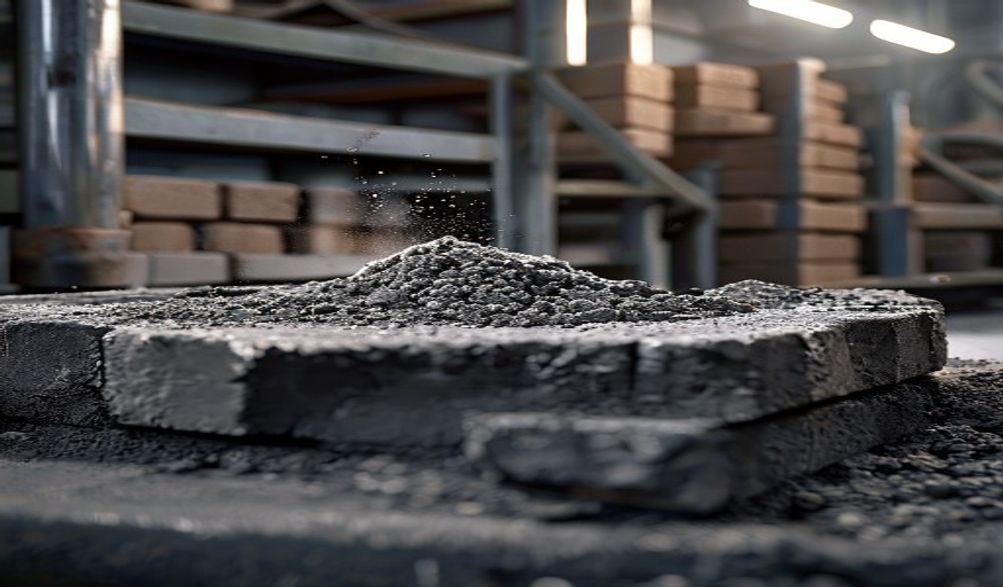
Baking-free bricks, also known as non-fired, cementitious, or chemically cured blocks, are a modern construction material. They are formed by compacting a precisely measured mix of binding agents (like cement or lime) and aggregates (such as fly ash, slag, sand, or stone dust) under extremely high pressure.
- Contrast with Fired Clay Bricks: Unlike their traditional counterparts, they skip the kiln-firing stage entirely. There’s no burning of coal or gas, eliminating a major source of pollution and energy cost.
- Contrast with Concrete Blocks: While both use cement, standard concrete blocks are cast and cured. Baking-free bricks achieve their strength primarily through densification via high-pressure compaction, resulting in a denser, often stronger product with a different material profile.
How the Machine Enables the Process
The machine is not a simple mold; it’s the activator. The process hinges on two key functions:
- Precise Mixing & Feeding: It ensures a consistent, homogeneous blend of raw materials, which is critical for uniform brick quality.
- ဖိအားမြင့် သိပ်သည်းခြင်း This is the heart of the process. The machine applies immense hydraulic or mechanical pressure (often hundreds of tons) to the mix in a mold. This pressure triggers a pozzolanic reaction in materials like fly ash, bonding the particles at a molecular level to create a solid, durable block.
Key Advantages for Your Project
Choosing this path offers compelling benefits:
- Substantial Energy Savings: Eliminates fuel costs for firing, slashing operational expenses.
- Low Carbon Footprint: No combustion emissions and the ability to utilize industrial by-products (fly ash, slag) makes this a champion of green construction.
- ပိုမိုလျင်မြန်သော ထုတ်လုပ်မှုစက်ဝန်း Bricks can be stacked and cured on-site within days, not weeks, accelerating project timelines.
- Superior Material Properties: Often yields bricks with higher compressive strength, better sound insulation, and improved thermal resistance compared to fired clay.
- Raw Material Flexibility: Can be tailored to use locally available aggregates and waste materials, reducing input costs.
Critical Technical Specifications to Evaluate
Now, let’s dissect the machine itself. These technical specs are non-negotiable points of comparison between models.
Pressure Capacity (The Most Vital Metric)
Measured in tons (T) or Megapascals (MPa), pressure capacity is the single most important factor determining final brick density and strength.
- Low-Pressure (20-50 Tons): Suitable for non-load-bearing bricks, partition walls, and pavers. A good entry point for small-scale production.
- Medium-Pressure (50-100 Tons): The workhorse range for producing standard load-bearing bricks for residential and commercial buildings.
- High-Pressure (100+ Tons): Used for producing high-strength engineering bricks, interlocking blocks for heavy-duty paving, and specialized products requiring maximum density.
Expert Tip: Always ask for the actual compaction pressure on the brick face, not just the machine’s total hydraulic pressure. A reputable supplier will provide this data.
Production Output & Cycle Time
This determines your project’s scalability. Output is measured in bricks per hour (BPH) or per 8-hour shift.
- အချိန်ကုန်သက်သာစေသော စက်များ Require manual feeding of raw material and removal of finished bricks. Output typically ranges from 500 to 2,000 bricks per hour. Lower upfront cost, higher labor requirement.
- အလိုအလျောက် အပြည့်အစုံ စက်များ Feature automated material feeding, compaction, and brick ejection, often with palletizing systems. Output can exceed 5,000 bricks per hour. Higher investment, but drastically lower labor costs and superior consistency.
Match your machine to your needs: A small community project has vastly different output requirements than an industrial brick supply business.
Mold Versatility and Customization
Your machine’s mold defines your product catalog. Consider:
- Standard Sizes: Can it produce common solid, hollow, and interlocking paver blocks?
- Custom Molds: How easy and costly is it to get custom molds for unique brick designs or sizes? A supplier with in-house mold fabrication is a major advantage.
- Mold Changeover Time: For operations producing multiple brick types, how quickly can molds be swapped? Look for quick-change mold systems.
Power Requirements and Automation Level
This affects your setup costs and operational workflow.
- ဟိုက်ဒရောလစ်စနစ်များ Smooth operation, excellent pressure control, and generally quieter. Common in mid-to-high-range models.
- စက်မှုစနစ်များ Often simpler and more robust for very high-volume, single-product lines. Can be noisier.
- ပါဝါထောက်ပံ့မှု Confirm the voltage (e.g., 380V/3-phase for industrial models, 220V for smaller units) and ensure your site can support it. Generator compatibility is a key question for areas with unreliable grids.
Material Compatibility and Mix Design Support
The best machine is useless if it can’t work with your locally available materials. This is where supplier expertise becomes critical.
Primary Raw Materials Your Machine Must Handle
A robust machine should be engineered to tolerate variations in:
* ပြာမှုန့် (Class C or F)
* Portland Cement
* Quarry Dust / Stone Sand
* Crushed Stone Aggregate
* Blast Furnace Slag
* Certain types of stabilized soils
Ask the supplier for a list of tested and approved material specifications (e.g., particle size, moisture content).
The Importance of Supplier-Provided Mix Formulations
This is a major trust signal. A credible supplier doesn’t just sell you a press; they provide a production blueprint.
- They should offer several proven, laboratory-tested mix design formulas for different raw material combinations and target brick strengths.
- These formulas detail the exact ratios of cement, fly ash, aggregate, and water content. This support drastically reduces your trial-and-error phase.
On-Site Testing and Adjustment Capabilities
No two material batches are identical. Your machine should allow for fine-tuning:
- Adjustable Pressure Settings: To compensate for variations in material gradation or moisture.
- Easy Mix Ratio Adjustment: The feeding system should allow you to calibrate the proportion of different raw materials.
- Request a Material Test: The best-case scenario is sending your local raw materials to the supplier for a test production run before purchase.
Supplier Evaluation: Ensuring Quality and Reliability
The machine is a long-term asset. The company behind it must be a reliable partner for years to come.
Manufacturer Reputation and Industry Experience
- History: How long have they been manufacturing this specific type of machinery?
- Client Portfolio: Ask for case studies or examples of installations in projects similar to yours.
- အသိအမှတ်ပြုလက်မှတ်များ Look for international standards like ISO for quality management and စီအီး marking (for the European market, indicating safety compliance). These are indicators of a systematic manufacturing process.
Availability of After-Sales Service and Spare Parts
Treat this as a deal-breaker. Clarify:
* Warranty Period: What is covered (parts, labor?) and for how long?
* နည်းပညာအထောက်အပံ့ Is it available via phone, video call, or on-site? What are the response time guarantees?
* Spare Parts Inventory: Does the supplier or their local agent stock critical wear parts (like hydraulic seals, mold liners, pressure sensors)? What is the typical delivery time for non-stock items?
Requesting and Visiting a Working Reference Site
Always ask for references. A confident supplier will provide them.
- Your Script: “Can you please provide contact details for 2-3 clients in a similar climate/region who have been using your [Model XYZ] for at least one year?”
- The Site Visit: If possible, visit a working installation. Speak to the operators. Ask about machine reliability, ease of maintenance, and the quality of support received. This is the most valuable research you can do.
Cost Analysis: Beyond the Initial Purchase Price
Shift your thinking from “purchase price” to “Total Cost of Ownership” (TCO).
Total Cost of Ownership Breakdown
A realistic budget must include:
1. Machine Purchase Price.
2. Shipping, Insurance, and Freight to your port or site.
3. Import Duties and Taxes (consult a local customs broker).
4. Installation & Commissioning (foundation work, electrical hookup, assembly).
5. Operator Training.
6. Annual Maintenance Costs (filters, oil, wear parts).
7. Energy Consumption over 5-10 years.
8. Future Spare Parts.
Calculating Your Return on Investment (ROI)
Create a simple projection:
1. Calculate your cost per brick: (Cost of Raw Materials + Labor + Machine Depreciation + Energy & Maintenance) / Number of Bricks Produced.
2. Determine the market price for a comparable brick in your area.
3. Factor in your production volume and the time it will take to recoup your initial investment.
A good supplier should help you model this ROI based on your local conditions.
Financing and Logistics Considerations
- Payment Terms: Typical terms might be 30% deposit, 70% before shipment. Negotiate based on trust and order size.
- Shipping Terms: Understand FOB (you own goods once they’re on the ship) vs. CIF (supplier handles shipping/insurance to your port). CIF is simpler but often more expensive.
- Local Regulations: Who will handle customs clearance? Does the machine meet any local machinery safety standards?
မကြာခဏ မေးလေ့ရှိသော မေးခွန်းများ (FAQ)
Q: What is the typical compressive strength range for bricks from these machines?
က: Strength can range from 7 MPa (suitable for non-load-bearing walls) to over 20 MPa (for load-bearing structural walls and heavy-duty paving). The exact strength is determined by the mix design, pressure applied, and curing process.
Q: Can I use locally available soil or clay in a baking-free machine?
က: Not directly. These machines are designed for cementitious mixes. However, a related technology for Compressed Stabilized Earth Blocks (CSEB) uses similar high-pressure presses but requires the soil to be stabilized with a small percentage of cement or lime. You would need a machine and mix design specifically for CSEB production.
Q: How long does it take for the bricks to cure and be ready for use?
က: While they are solid enough to be stacked and moved within 24 hours, a curing period is essential for maximum strength. Standard practice is water sprinkling or covering for 7 days, with the bricks reaching handling strength. They continue to gain strength and are typically at full design strength after 28 days of ambient curing.
Q: What is the main maintenance required for the machine?
က: Daily/Weekly: Cleaning of the mold box and press head. Monthly: Checking and tightening bolts and fittings; inspecting hydraulic hoses and seals. Quarterly/Annually: Changing hydraulic oil and filters; greasing all moving bearings; comprehensive inspection by a technician.
Q: Are the bricks produced waterproof and durable in all climates?
က: They are highly weather-resistant and have excellent durability. However, for prolonged exposure to driving rain or freeze-thaw cycles, surface protection is recommended—just as with most masonry. A cement plaster render or a waterproofing coating will ensure maximum longevity. The freeze-thaw resistance is directly tied to the brick’s density and mix design.
နိဂုံး
Choosing the right baking-free brick making machine is a strategic decision built on five pillars: Technology Understanding, Technical Specifications, Material Compatibility, Supplier Vetting, and Holistic Cost Analysis. The “best” machine is not the most expensive or the highest-output one; it is the machine that seamlessly integrates with your specific raw materials, production goals, budget, and local support network.
Your path forward is clear. Consolidate your project details: desired daily output, samples of your available raw materials, and a realistic budget. Use this guide to create a checklist and start conversations with shortlisted, reputable suppliers. By making an informed choice, you’re not just buying a piece of equipment—you’re investing in operational efficiency, environmental sustainability, and long-term business profitability.
This guide was compiled by our industrial machinery team with over 15 years of hands-on experience in brick making technology and sustainable construction. We partner with certified manufacturers and provide unbiased advice to help builders and entrepreneurs make sound investments.
<