
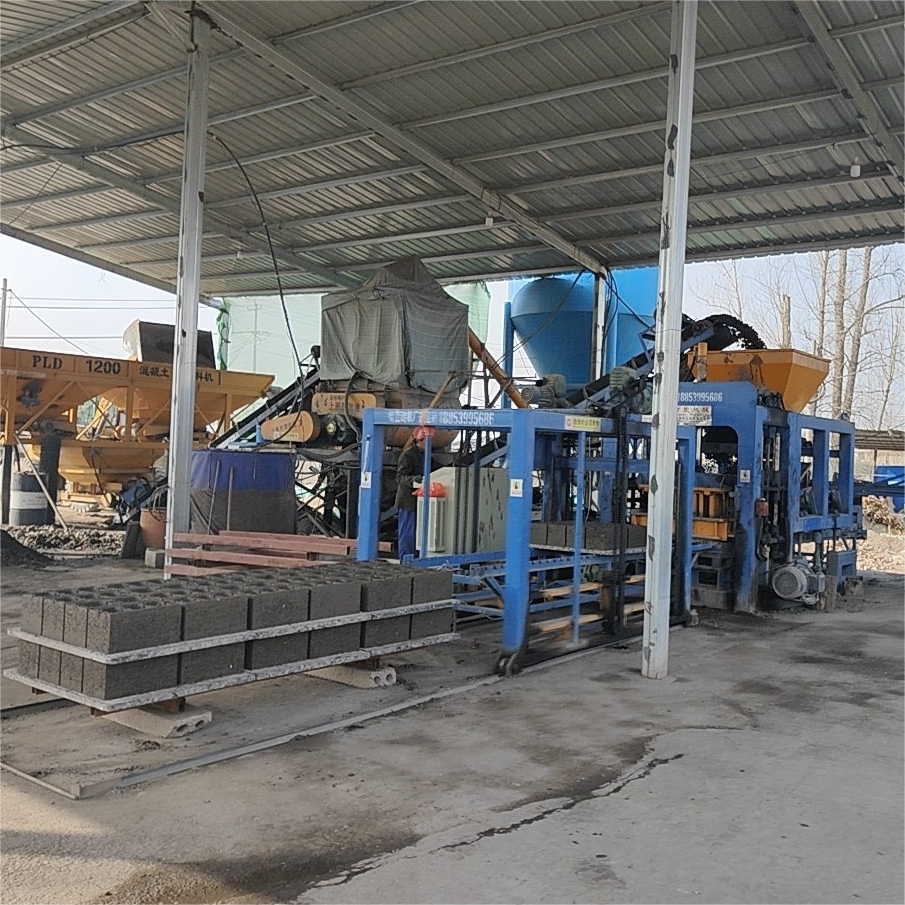
Deconstructing Daily Production Capacity
The theoretical maximum output of a machine is a starting point, but the practical daily yield is determined by a formula that incorporates several efficiency factors. The core calculation is: Realistic Daily Output = (Theoretical Cycles per Hour x Blocks per Cycle x Operational Hours) x Utilization Factor.
1. Core Determinants of Machine Capacity
These are the fixed parameters set by the machine’s design.
- Machine Type and Automation Level: This is the primary differentiator.
- လက်ဖြင့်မောင်းနှင်ရသော စက်များ Output is entirely dependent on operator speed and stamina, typically ranging from a few hundred blocks per day.
- အချိန်ကုန်သက်သာစေသော စက်များ These have a defined cycle time (e.g., 15-30 seconds per cycle). Daily capacity scales directly with the number of mold cavities (blocks produced per cycle) and the consistency of operation.
- အလိုအလျောက် အပြည့်အစုံ စက်များ Designed for continuous, high-speed cycling (potentially every 10-20 seconds or less), often with multiple production stations working in parallel. They represent the upper echelon of daily output.
- Mold Configuration (Blocks per Cycle): The physical mold defines how many units are produced each time the machine cycles. A single mold can produce 3, 4, 6, 10, or more standard blocks simultaneously. For pavers, this number can be in the dozens.
2. Critical Operational Variables Impacting Actual Output
These are the real-world factors that determine how close an operation gets to the machine’s theoretical maximum.
- Effective Working Hours: This is not simply an 8-hour shift. It must deduct scheduled breaks, shift changeover time, and daily startup/shutdown procedures for machine preparation and cleaning.
- Product Changeover Frequency: Every time the mold is changed to produce a different block type (e.g., from 4″ blocks to pavers), production halts. A business producing multiple products in small batches will have a lower average daily output than one running a single product all day.
- Mix Supply and Logistics: The block machine can only run as fast as it is fed. Delays in mixing or transporting raw concrete to the hopper will idle the machine. Efficient material handling is a prerequisite for achieving rated capacity.
- Machine Reliability and Maintenance: Unplanned downtime for repairs or jams directly subtracts from production time. A well-maintained machine with a preventive schedule sustains higher output over the long term.
3. From Cycles to Volume: Applying a Realistic Utilization Factor
The most important concept for realistic projection is the Utilization or Efficiency Factor. This percentage (typically between 60% and 85% for a well-run semi- or fully automatic operation) accounts for all the unavoidable micro-stoppages: brief pauses to check quality, minor adjustments, pallet misalignment corrections, and natural workflow variations.
- Example Calculation: Consider a semi-automatic machine with a 20-second cycle time producing 4 blocks per cycle.
- Theoretical Cycles per Hour: 3600 seconds / 20 seconds = 180 cycles.
- Theoretical Output per Hour: 180 cycles x 4 blocks = 720 blocks.
- Theoretical 8-Hour Day: 720 x 8 = 5,760 blocks.
- Realistic Daily Output (with 75% Utilization): 5,760 x 0.75 = 4,320 blocks.
Conclusion: Capacity as a Dynamic Business Metric
Ultimately, the question of daily output should lead to a discussion about system efficiency, not just machine specs. For the distributor, your role is to guide clients from a simplistic focus on the largest advertised number to an understanding of the integrated production system required to achieve high, sustainable output. Emphasize that the machine’s rated capacity is a potential that is unlocked through skilled operation, disciplined maintenance, seamless logistics, and strategic production scheduling. By helping clients analyze their specific context—product mix, labor skills, and market demand patterns—you enable them to select machinery that matches their true operational capacity needs, ensuring a smoother path to profitability and a more satisfied end-user.
မကြာခဏ မေးလေ့ရှိသော မေးခွန်းများ (FAQ)
Q1: What is a typical daily output range for different machine types?
က: Ranges are illustrative and highly model-dependent:
- လက်ဖြင့်မောင်းနှင်ရသော စက်များ 300 – 1,000 blocks per day.
- အချိန်ကုန်သက်သာစေသော စက်များ 2,000 – 8,000+ blocks per day (for standard 4″ blocks), heavily dependent on model size and mold configuration.
- လုံးဝအလိုအလျောက်အပင်များ 10,000 – 30,000+ blocks per day, representing continuous industrial production.
Q2: Why does the actual production often fall short of the catalog specification?
က: Catalog specs typically state theoretical maximum output under ideal laboratory conditions: one product type, no interruptions, perfect material feed, and 100% efficiency. Real-world operations inherently include the utilization factors discussed above, making the actual output a discounted but more reliable figure for business planning.
Q3: How does the type of block being produced affect the daily count?
က: Significantly. Producing solid blocks or thicker pavers requires more concrete fill time and often longer vibration, increasing cycle time. Producing smaller, thinner pavers allows for a mold with many more cavities and a potentially faster cycle, potentially yielding a higher count of units per day, even if the volume of concrete used is similar.
Q4: Can output be increased by simply running the machine for more hours?
က: Yes, but within limits. Implementing a two-shift system is a common and effective way to double daily output without new capital investment in machinery. However, this requires a larger crew, more raw material logistics, and accelerated wear on the machine, necessitating a more rigorous maintenance schedule.
Q5: What is the single biggest lever for improving daily output on an existing machine?
က: The most impactful lever is optimizing workflow to minimize non-productive time. This includes:
- Organizing mold changes to batch like products.
- Ensuring the mixing and feeding system never starves the block machine.
- Implementing proactive preventive maintenance to avoid breakdowns.
- Training operators for swift troubleshooting of minor issues. These process improvements often yield greater gains than pushing the machine to a marginally faster, less stable cycle time.
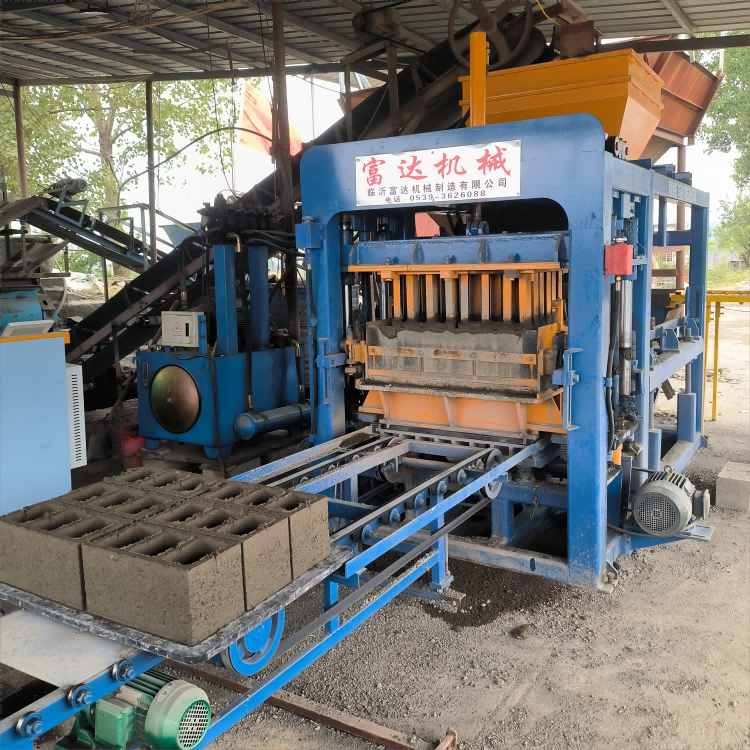
- အလိုအလျောက် အုတ်ခဲပြုလုပ်သည့်စက်7 products
- ရွှံ့အုတ်လုပ်စက်4 products
- ရွေ့လျားဘလောက်ပြုလုပ်သည့်စက်4 products
- အခြားဆောက်လုပ်ရေးပစ္စည်းများ5 products
- အလိုအလျောက် အုတ်ခဲပြုလုပ်စက်4 products