
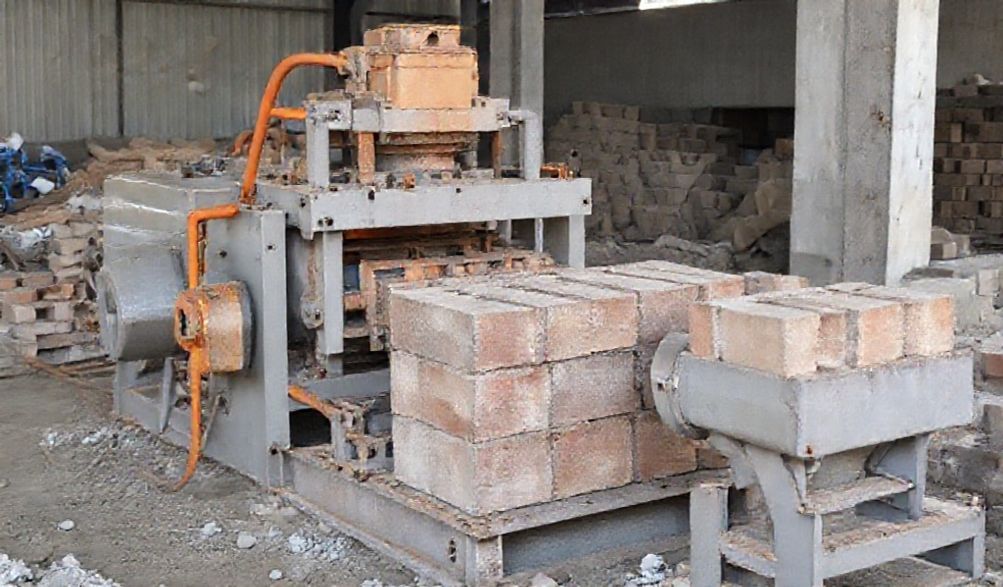
The Ultimate Guide to Cement Brick Making Machines: Types, Prices & How to Choose
မိတ်ဆက်
ကမ္ဘာလုံးဆိုင်ရာ ဆောက်လုပ်ရေးလုပ်ငန်းသည် အံ့ဩဖွယ် ပမာဏအထိ ရောက်ရှိမည်ဟု ခန့်မှန်းထားသည်။၂၀၃၀ ခုနှစ်တွင် အမေရိကန်ဒေါ်လာ ၁၅.၂ ထရီလီယံ, driven by urbanization and infrastructure development. At the heart of this growth lies a constant demand for affordable, durable, and reliable building materials. Cement bricks, a cornerstone of modern construction, are seeing unprecedented demand. For entrepreneurs, construction firms, and project managers, this presents a significant opportunity—but navigating the world of cement brick making machines can be complex and costly without the right guidance.
This definitive guide serves as your comprehensive resource, synthesizing industry data, direct manufacturer specifications, and decades of collective operational know-how. Whether you’re a small business owner looking to cut project costs, an entrepreneur launching a block yard, or a project manager aiming for self-sufficiency, you likely have the same core questions: What are my options? How much does it cost? And crucially, how do I pick the right machine for my specific needs?
We will answer these questions in detail. This guide will walk you through the core principles of brick making, provide a detailed breakdown of machine types (manual, semi-automatic, and fully automatic), analyze critical features and price ranges, and offer a practical 5-step framework for selection. We’ll also share essential operational best practices and maintenance tips to ensure your investment delivers long-term returns.
Understanding Cement Brick Making Machines: Core Principles & Benefits
Before diving into specifications and prices, it’s crucial to understand what these machines do and why they are a transformative investment for many businesses.
ဘိလပ်မြေအုတ်လုပ်သည့်စက်သည် မည်သို့အလုပ်လုပ်သနည်း။
At its core, a cement brick making machine automates and enhances the age-old process of creating building blocks. The principle is consistent across most machines, though the level of automation varies. The process typically involves four key stages:
- ရောနှောခြင်း Raw materials—typically cement, sand or fly ash, aggregate (like crushed stone), and water—are combined in precise ratios in a pan or drum mixer. A homogeneous mix is critical for brick strength and consistency.
- ပုံသွင်းခြင်း The wet mix is fed into a mold cavity. This mold defines the brick’s shape, size, and pattern (e.g., solid, hollow, interlocking, or paving blocks).
- သိပ်သည်းအောင်လုပ်ခြင်း This is the most critical phase. The machine applies immense pressure, often combined with high-frequency vibration, to the mix within the mold. This action removes air pockets, compresses the material, and gives the brick its structural density and strength.
- ကုသခြင်း The freshly ejected, or “green,” brick is then stored under controlled conditions (often involving moisture and temperature) for a specific period. This allows the cement to hydrate fully and gain its designed compressive strength.
Modern machines integrate these steps into a seamless cycle, with automation levels determining how much human intervention is required for feeding, ejection, and pallet handling.
Key Advantages of Using a Brick Making Machine
Investing in a brick making machine isn’t just about production; it’s about strategic advantage.
- ကုန္က်စရိတ္ထိေရာက္မႈ Producing bricks on-site slashes material procurement costs by 30-50% compared to buying ready-made bricks, especially for large projects. It drastically reduces dependency on supply chains and price fluctuations.
- Unmatched Consistency & Quality Control: Machines produce bricks with uniform dimensions, density, and strength (measured in psi or MPa). This consistency leads to better structural integrity, easier laying for masons, and less waste on-site.
- Customization & Flexibility: With interchangeable molds, a single machine can produce a variety of bricks—foundation blocks, hollow blocks for partition walls, pavers for landscaping, or even specialized interlocking blocks for dry-stack construction.
- High Productivity & Speed: A single semi-automatic machine can produce more bricks in an hour than a team of manual laborers can in a day, ensuring your project timelines are met or you can fulfill large client orders.
- Entrepreneurial Opportunity: For business-minded individuals, a brick making machine is the foundation of a profitable venture. You can supply local builders, contractors, and government housing projects, creating a steady revenue stream.
Types of Cement Brick Making Machines: A Detailed Breakdown
Choosing the right type of machine is your first and most significant decision. The market is segmented primarily by automation level, which directly correlates with output, labor needs, and capital investment.
လက်ဖြင့် အုတ်ချက်စက်များ
These are the simplest and most entry-level machines, relying entirely on human power for the compression cycle, typically via a lever or hand-operated hydraulic jack.
- စစ်ဆင်ရေးနှင့် ရလဒ် An operator fills the mold by hand, compresses the mix using a lever, and then manually ejects the brick. Output is low, typically 50-500 bricks per 8-hour shift, depending on the model and worker stamina.
- Ideal Use Cases: Perfect for micro-enterprises, very small-scale personal projects (e.g., building a home in a remote area), NGOs in community development, or as a low-risk proof-of-concept for a business idea.
- အားသာချက်များ
- အစပိုင်းရင်းနှီးမြှုပ်နှံမှု အလွန်နည်းပါသည်။
- Zero electricity or fuel costs.
- Highly portable and simple to maintain.
- အားနည်းချက်များ
- Extremely labor-intensive and slow.
- Inconsistent brick quality due to variable human pressure.
- စီးပွားဖြစ် အရွယ်အစားထုတ်လုပ်မှုအတွက် မဖြစ်နိုင်ပါ။
အခွင့်အာဏာပိုင်စက်များဖြင့် အုတ်ထုတ်လုပ်ခြင်း စက်များ
This category strikes the optimal balance for most small to medium-sized businesses (SMEs). These machines use a mechanical or hydraulic system to provide consistent, high-pressure compaction, but operations like feeding raw material or removing finished bricks may be manual.
- စစ်ဆင်ရေးနှင့် ရလဒ် The core compaction is powered (electrically or via diesel engine), ensuring every brick has identical density. Output ranges dramatically from 300 to 2,500 bricks per hour, based on model sophistication.
- Ideal Use Cases: Small to medium block manufacturing yards, construction companies undertaking projects of 5-50 houses, and entrepreneurs with a defined market.
- အားသာချက်များ
- Excellent balance between cost, output, and quality.
- Significantly less physically demanding than manual machines.
- Produces high-strength, market-ready bricks consistently.
- အားနည်းချက်များ
- Requires a power source (electricity or diesel).
- Higher upfront cost than manual machines.
- Still requires a small operational crew (2-4 people).
အလိုအလျောက် အုတ်ပြုလုပ်သည့် စက်များ
These are industrial-grade production lines. Every process—from raw material feeding and mixing to molding, compaction, curing, and even stacking—is automated and controlled by a Programmable Logic Controller (PLC).
- စစ်ဆင်ရေးနှင့် ရလဒ် Operators primarily monitor the control panel and manage logistics. Output is high-volume, ranging from 4,000 to over 20,000 bricks per 8-hour shift.
- Ideal Use Cases: Large-scale brick manufacturing plants, suppliers to major city-wide construction projects, and established businesses looking to expand capacity exponentially.
- အားသာချက်များ
- Maximum output with minimal labor.
- Pinpoint precision and consistent, top-tier quality.
- High efficiency and lower per-unit cost at scale.
- အားနည်းချက်များ
- Very high capital investment.
- Requires significant space, stable three-phase power, and skilled technicians for maintenance.
- Less flexibility for very short production runs.
A Key Sub-Category: Stationary vs. Mobile Block Machines
* Stationary Machines: The standard type, installed on a solid concrete foundation in a factory or yard. They are generally more powerful and durable for continuous high-volume production.
* မိုဘိုင်းဘလောက်စက်များ Mounted on a trailer or wheels, these can be towed directly to a construction site. They are ideal for producing bricks on-location for large projects, eliminating transport costs for finished bricks.
Critical Features & Specifications to Evaluate
Once you’ve identified your machine type, you must compare models based on these critical technical specifications. This is where informed decisions are made.
Production Capacity (Bricks per Hour/Day)
This is the most advertised spec. Crucially, distinguish between “theoretical cycle speed” and “practical output.” Practical output accounts for loading time, mold changes, and operator breaks. Always ask suppliers for real-world production data. Match the capacity not to your peak dream, but to your realistic average daily sales or project needs for the next 2-3 years, allowing for some growth.
Brick Size and Type Compatibility
- Mold Versatility: Can the machine accept interchangeable molds? What is the cost of additional molds?
- Standard Sizes: Ensure it can produce the standard sizes demanded in your market (e.g., 4″, 6″, 8″ hollow blocks).
- Pressure Capacity: The machine’s compaction pressure (measured in tons or MPa) determines the strength class of bricks it can produce. For load-bearing walls, you’ll need a machine capable of high pressure (often 100+ tons).
Power Source and Consumption
- Electric: Cleaner, quieter, and often cheaper to run per hour, but requires reliable grid power (often 3-phase for larger models).
- Diesel: Offers complete independence from the grid, essential for sites with unreliable electricity. However, fuel costs are higher, and they require more maintenance.
- Hybrid: Some models offer dual power options, providing valuable flexibility.
Key Components: Durability & Maintenance
Assessing build quality is non-negotiable. Focus on:
- ပုံသွင်းပုံစံ၏ အရည်အသွေး The heart of the machine. Look for hardened steel (e.g., CH20/CR20) molds with precise machining. A poor mold leads to sticking bricks and rapid wear.
- ဟိုက်ဒရောလစ်စနစ် Check the brand of pumps and valves. Reputable brands (e.g., Bosch Rexroth, Yuken) indicate reliability. Ask about the system’s pressure rating and cooling mechanism.
- Frame and Structure: The frame should be made from heavy-duty reinforced steel to withstand constant vibration and pressure without warping.
- တုန်ခါမှုစနစ် For high-density blocks, a powerful, isolated vibration system is key. Enquire about the vibration motor’s power (kW) and frequency.
Cement Brick Machine Price Range & Investment Analysis
Price is a primary concern, but understanding the full financial picture is what separates successful investments from costly mistakes.
Price Spectrum: From Manual to Fully Automatic
- လက်ဖြင့်မောင်းနှင်ရသော စက်များ $500 – $3,000 USD. Price varies based on build material (steel quality) and the number of bricks produced per cycle.
- အချိန်ကုန်သက်သာစေသော စက်များ $3,500 – $25,000 USD. This wide range covers small electric models to large, diesel-powered machines with conveyor systems. The most popular models for SMEs often fall in the $7,000 – $15,000 range.
- အလိုအလျောက် အပြည့်အစုံ စက်များ $25,000 – $150,000+ USD. Price scales with automation level, output capacity, and brand prestige. Complete production lines with automatic mixers and stackers start at around $50,000.
Factors causing variation: Brand reputation, country of manufacture, quality of components (e.g., German hydraulics vs. generic), and after-sales service infrastructure.
Beyond the Sticker Price: Total Cost of Ownership
The machine’s price is just the entry ticket. You must budget for:
- Raw Materials: Cement, aggregates, and water. This will be your largest recurring cost.
- Power/Fuel: Calculate daily running costs based on your local electricity or diesel prices.
- အလုပ္သမား Even automatic machines need operators, supervisors, and laborers for material handling.
- Maintenance & Spares: Budget 3-5% of the machine’s cost annually for routine maintenance and spare parts (like mold liners, hydraulic seals).
- Space & Foundation: You may need to prepare a leveled, concrete-floored space, which has a cost.
Calculating ROI for Your Brick Making Business
A simplified framework:
1. Calculate Daily Production Cost: (Raw Material Cost per Brick + Labor + Power + Depreciation/Maintenance).
2. Determine Your Selling Price per Brick (research local market rates).
3. Find Daily Gross Profit: (Selling Price – Production Cost) x Daily Output.
4. Estimate Payback Period: (Total Investment Cost) / (Average Monthly Gross Profit).
For a well-run SME with a $10,000 machine, a payback period of 8-14 months is often achievable.
How to Choose the Right Machine: A 5-Step Decision Framework
Follow this structured approach to make a confident, rational purchase decision.
Step 1: Assess Your Production Needs & Business Scale
Be brutally honest. Are you supplying a single project, starting a local supply yard, or aiming for industrial-scale production? Define your realistic average and peak daily brick requirement. This number directly points you to the machine type and capacity.
Step 2: Define Your Budget (Initial + Operational)
Set a clear budget for the machine purchase, but also have a separate 6-month operational budget for raw materials, labor, and site costs. Never stretch your finances so thin that you can’t afford to run the business.
Step 3: Research and Shortlist Reputable Manufacturers & Suppliers
This step is critical for Trustworthiness. Avoid unknown online marketplaces. Look for:
* Company History: How long have they been in business?
* Client Reviews & Testimonials: Seek independent feedback, if possible.
* After-Sales Service: Do they offer installation, training, and local technical support? What is their spare parts availability and delivery time?
* Physical Verification: Can you visit their factory or showroom?
Step 4: Compare Technical Specifications & Warranty Terms
Create a comparison spreadsheet for your shortlisted models. Compare the specs outlined in Section 4. Pay close attention to the warranty period (1 year is standard, 2 years is excellent) and what it specifically covers (parts, labor, etc.).
Step 5: Request a Demo or Visit an Existing Installation
If possible, always see the machine running. A reputable supplier should facilitate this. Ask to visit a current customer’s operation. Speak to the operator about the machine’s performance, ease of use, and the supplier’s responsiveness to issues. This firsthand insight is invaluable.
Operational Best Practices & Maintenance Tips
Your machine’s longevity and product quality depend on how you operate and care for it.
Optimal Raw Material Mix Design
A good machine with a poor mix will produce bad bricks. A standard mix ratio for hollow blocks is 1 part cement : 6 parts aggregate (sand/stone blend). However, this must be adjusted based on your aggregate quality and desired brick strength (e.g., for higher strength, use a 1:4 or 1:5 ratio). The water-cement ratio is critical—too much water weakens the brick; too little makes compaction difficult. Aim for a mix that is cohesive but not sloppy.
Daily Operation and Safety Procedures
- Always wear safety glasses, gloves, and steel-toe boots.
- Ensure all safety guards are in place before starting the machine.
- Follow a strict startup and shutdown checklist.
- Never put hands near the mold during the compression cycle.
Essential Maintenance Schedule
- Daily: Clean the machine thoroughly, especially the mold cavity. Check hydraulic oil levels and for any leaks. Lubricate all moving parts as per the manual.
- Weekly: Inspect the mold for wear or damage. Tighten any loose bolts and nuts on the frame and vibration table.
- Monthly: Check hydraulic hoses for cracks. Change hydraulic oil and filters as recommended by the manufacturer. Inspect electrical connections.
Troubleshooting Common Issues
- Bricks Breaking or Chipping: Often caused by incorrect mix (too dry or poor aggregate grading), insufficient compaction pressure, or improper handling during the “green” stage.
- Poor Surface Finish or Sticking in Mold: Usually indicates a worn-out mold, insufficient mold release agent, or a mix with too much water.
- Machine Jamming or Low Pressure: Check for a blockage in the feed hopper, low hydraulic oil, a failing pump, or a stuck valve.
FAQ Section
Q1: What is the average lifespan of a cement brick making machine?
With proper maintenance and operation, a quality semi-automatic or automatic machine can last 10 to 15 years or more. The lifespan heavily depends on build quality, maintenance rigor, and production volume.
Q2: Can one machine produce different types and sizes of bricks?
Yes, most machines are designed to work with interchangeable molds. You can produce hollow blocks, solid blocks, paving stones, and interlocking blocks from the same machine by switching the mold. Always confirm mold compatibility and cost with your supplier.
Q3: How much space is needed to install and operate a brick machine?
For a small semi-automatic operation, you need at least 200-500 square meters. This space accommodates the machine, raw material storage (sand, aggregate), a mixing area, a curing area (where bricks gain strength for 7-14 days), and storage for finished bricks. Fully automatic lines require significantly more space.
Q4: What is the typical curing time for machine-made cement bricks?
Bricks reach handling strength in 24 hours but require 7 to 28 days of proper curing (kept moist under cover) to achieve their full design compressive strength. They should not be exposed to direct sun and wind immediately after production.
Q5: Are there any specific skills required to operate these machines?
Operating a manual or basic semi-automatic machine requires minimal training. For advanced semi-automatic and fully automatic machines with PLCs, basic mechanical aptitude and the ability to follow technical instructions are important. Reputable suppliers should provide comprehensive operational training.
Q6: How do I find reliable suppliers and avoid scams?
* Verify Business Credentials: Ask for their business license, company registration, and physical address. Be wary of suppliers who only operate through generic email and messaging apps.
* Check Certifications: Do they have ISO or other quality management certifications? Do their machines comply with relevant national or international standards?
* Insist on a Clear Contract: The purchase contract should detail the machine model, specifications, warranty terms, delivery timeline, and after-sales service agreement. Avoid large upfront wire transfers; use secure payment methods that offer some buyer protection.
နိဂုံး
Selecting the right cement brick making machine is a strategic decision that hinges on a clear understanding of your production needs, budget, and long-term goals. From the labor-intensive manual press to the fully automated production line, each machine type serves a distinct purpose in the construction ecosystem. The key is to match the machine’s capabilities to your specific scale of operation.
Our final expert guidance is this: treat this purchase as a partnership. Your relationship with a reputable, service-oriented manufacturer is as important as the machine itself. Conduct thorough due diligence, insist on demonstrations, and never compromise on the quality of core components for a marginally lower price.
Looking ahead, the industry is moving towards more eco-friendly practices, such as using fly ash and recycled aggregates, and integrating smarter, energy-efficient automation. Choosing a machine
<