
ပြည့်စုံသော ပြာပူအိုးအလိုအလျောက်စက်များ လမ်းညွှန်: ကုန်ကျစရိတ်၊ လုပ်ငန်းစဉ်နှင့် အကျိုးကျေးဇူးများ (၂၀၂၆)
မိတ်ဆက်
ကမ္ဘာလုံးဆိုင်ရာ ဆောက်လုပ်ရေးလုပ်ငန်းသည် geleneksel kil tuğla üretiminin önemli bir katkıda bulunduğu, yılda 10 milyar tondan fazla atık üretmektedir. Bu uygulama, her yıl büyük miktarda verimli üst toprak tüketmekte ve milyonlarca ton CO2'yi atmosfere salmaktadır. Dünya sürdürülebilir yapı çözümlerini acilen ararken, bu çevresel ve ekonomik zorluk dikkate değer bir fırsat sunmaktadır.
Fly ash brick ကို မိတ်ဆက်လိုက်ပါတယ်။ ပိုမိုခိုင်ခံ့ပြီး ပတ်ဝန်းကျင်နဲ့ သဟဇာတဖြစ်ကာ ကုန်ကျစရိတ်သက်သာတဲ့ အစားထိုးရွေးချယ်စရာတစ်ခုပါ။ ဒီစိမ်းလန်းသော ဆောက်လုပ်ရေးတော်လှန်ရေးရဲ့ ဗဟိုချက်မှာတော့...ပြာမှုန့်အုတ်စက်ရုံဤနည်းပညာသည် အပူစွမ်းအင်သုံးဓာတ်အားပေးစက်ရုံများမှ ပြဿနာဖြစ်စေသော စက်မှုထုတ်လုပ်မှုဘေးထွက်ပစ္စည်း—ပြာမှုန့်များကို အရည်အသွေးမြင့် အုတ်ခဲများအဖြစ် ပြောင်းလဲပေးပါသည်။ ဤပြည့်စုံသောလမ်းညွှန်သည် စက်မှုလုပ်ငန်းဒေတာ၊ အင်ဂျင်နီယာပညာနိယာမများနှင့် စက်ရုံလုပ်ငန်းလည်ပတ်သူများ၏ လက်တွေ့အမြင်များအပေါ် အခြေခံထားပါသည်။ သင်သည် စီးပွားရေးလုပ်ငန်းသစ်တစ်ခုကို စူးစမ်းလေ့လာနေသော စွန့်ဦးတီထွင်သူတစ်ဦးဖြစ်စေ၊ ပိုမိုကောင်းမွန်သော ကုန်ကြမ်းပစ္စည်းများရှာဖွေနေသော ဆောက်လုပ်ရေးပညာရှင်တစ်ဦးဖြစ်စေ၊ ဤစက်များ၏လုပ်ဆောင်ပုံ၊ ကုန်ကျစရိတ်နှင့် ၎င်းတို့အား အကျိုးအမြတ်ရရှိပြီး ရေရှည်တည်တံ့သောလုပ်ငန်းတစ်ခုတည်ဆောက်နည်းများဆိုင်ရာ လက်တွေ့အသုံးချနိုင်သည့် အသိပညာများကို ဤနေရာတွင် တွေ့ရှိရမည်ဖြစ်ပါသည်။
ပျံပျံအုတ်စက်ဆိုတာဘာလဲနှင့် ၎င်းအလုပ်လုပ်ပုံ
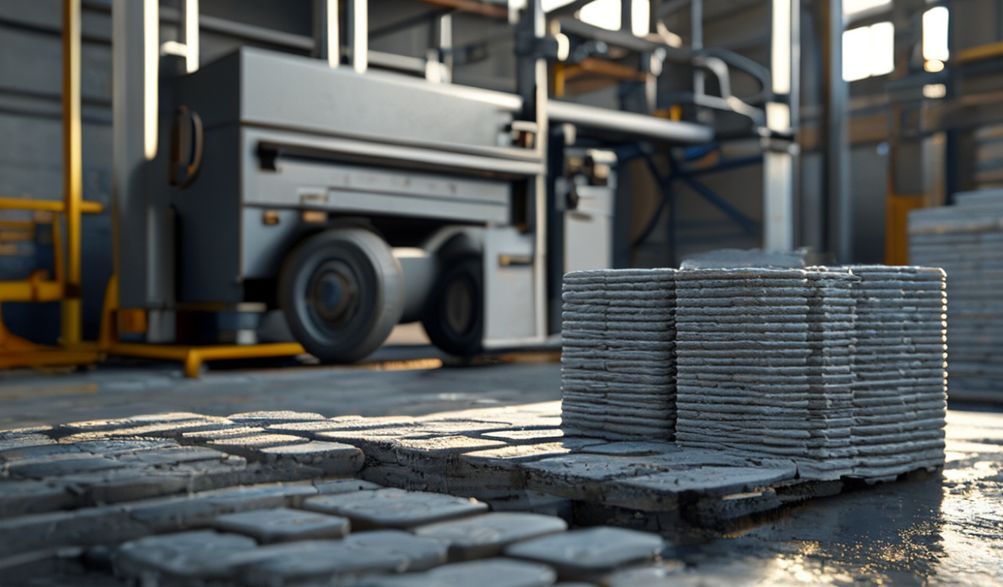
ပြာမှုန့်အုတ်စက်သည် ပြာမှုန့်၊ ဘိလပ်မြေနှင့် အခြားပစ္စည်းများကို ရောစပ်ပြီး မီးဖုတ်ရန်မလိုဘဲ သိပ်သည်းပြီး ညီညာသော အုတ်များအဖြစ် သွန်းလုပ်ပေးသည့် အထူးစက်ကိရိယာတစ်မျိုးဖြစ်သည်။ အပူချိန်မြင့်မြင့်ဖြင့် မီးဖုတ်ရသော ရိုးရာအုတ်လုပ်နည်းများနှင့် မတူဘဲ ဤစက်များသည် ခိုင်မာမှုနှင့် တည်ငြိမ်မှုရရှိရန် စက်ကိရိယာဖိအားမြင့်မြင့်နှင့် တုန်ခါမှုကို အသုံးပြုပါသည်။
အဓိက အစိတ်အပိုင်းများနှင့် စက်ပစ္စည်းများ
စက်ရဲ့ အဓိက အစိတ်အပိုင်းတွေကို နားလည်ခြင်းက လုပ်ငန်းစဉ်ကို ရှင်းလင်းစေပါတယ်။
* ဟိုက်ဒရောလစ်စနစ် The powerhouse. It generates immense pressure (typically 80-200 tons) to compact the raw material mix into a solid brick. The consistency of this pressure is critical for uniform brick quality.
* ကွန်ထရိုးပါနယ် The brain of automatic and semi-automatic machines. It allows operators to set parameters like pressure duration, vibration time, and cycle speed for precision and repeatability.
* မှိုတက်မှာလား သေမှာလား These interchangeable components define the brick’s final shape and size (e.g., solid, hollow, or paver blocks). High-quality, hardened steel molds are essential for longevity and a smooth brick finish.
* Mixing Unit: Often a separate pan or paddle mixer, this ensures a homogeneous blend of fly ash, sand/stone dust, cement, and water—a crucial step for consistent brick strength.
* ကွန်ဗေးယာစနစ် In semi- and fully-automatic setups, conveyors transport raw mix to the machine and move finished bricks to curing areas, drastically reducing manual handling.
The core principle is သိပ်သည်းမှု. By subjecting the moist mix to extreme pressure and often simultaneous vibration, the machine forces out air voids, bringing particles into intimate contact. This triggers a pozzolanic reaction where the fly ash and cement bind, forming a strong, durable matrix.
The Step-by-Step Manufacturing Process
- Raw Material Preparation: The process begins with sourcing and proportioning. Key ingredients are:
- ပြာမှုန့် (၅၀-၆၀%) The primary raw material, a fine powder collected from coal plant exhaust.
- Sand or Stone Dust (30-40%): Acts as a fine aggregate.
- ဘိလပ်မြေ (၈-၁၀%): The binding agent. Lime can be a partial substitute.
- Water (Approx. 10%): Added for hydration and workability.
- ရောနှောခြင်းနှင့် အစာကျွေးခြင်း Materials are fed into the mixer in precise ratios for a uniform, damp mix. This mix is then fed into the machine’s feeding hopper, either manually or via conveyor.
- ဖိသိပ်ခြင်းနှင့် ပုံသွင်းခြင်း The mix is dropped into the mold cavity. The hydraulic ram descends, applying high pressure for a few seconds, often with vibration, to form a compact brick.
- ကုသခြင်း This is where the brick gains strength. Freshly molded bricks are carefully stacked.
- Natural Curing: Bricks are water-sprayed and kept under plastic sheets for 14-28 days. It’s low-cost but slower.
- Steam Curing: Bricks are placed in a steam chamber (60-80°C) for 8-12 hours. This accelerates strength gain, allowing bricks to be market-ready in under 48 hours, but requires more infrastructure.
- Final Output & Testing: After curing, bricks are tested for compressive strength (as per IS 12894 or ASTM C55), water absorption, and dimensional accuracy before being dispatched.
Types of Fly Ash Brick Machines: Choosing the Right One
Selecting the right machine is a balance between scale, budget, and labor. They fall into three main categories.
Manual Fly Ash Brick Machines
These are lever or hand-operated presses with minimal mechanization. The operator fills the mold, applies pressure via a lever, and ejects the brick manually.
* အားသာချက်များ Very low initial investment, simple to operate and maintain, no power required for basic models.
* အားနည်းချက်များ Extremely labor-intensive, low output (200-500 bricks per day), inconsistent quality dependent on operator skill.
* အကောင်းဆုံးဖြစ်သည်။ Micro-enterprises, community projects, or pilot testing in remote areas with limited capital.
Semi-Automatic Fly Ash Brick Machines
This category offers a middle ground, automating key stages like mixing or compression while requiring manual intervention for feeding or brick removal.
* အားသာချက်များ Significantly higher output than manual machines (1,500-4,000 bricks per day), better quality consistency, moderate investment.
* အားနည်းချက်များ Still requires a 3-4 person crew, output is limited by manual handling steps.
* အကောင်းဆုံးဖြစ်သည်။ Small to medium-scale entrepreneurs making a serious entry into the business with a defined market.
Fully Automatic Fly Ash Brick Machines
These are integrated production lines. From raw material feeding and mixing to compression, ejection, stacking, and palletizing, the process is automated with PLC control.
* အားသာချက်များ Very high output (10,000+ bricks per shift), exceptional consistency, minimal labor (1-2 for supervision), highest efficiency.
* အားနည်းချက်များ High capital cost, requires stable three-phase power supply, and needs more technical knowledge for maintenance.
* အကောင်းဆုံးဖြစ်သည်။ Large-scale commercial plants, industrial brick suppliers, and businesses focused on high-volume contracts.
Key Selection Criteria
Beyond type, consider these factors:
* ထုတ်လုပ်မှုစွမ်းရည် Match the machine’s bricks-per-hour output to your sales projections, with room for growth.
* Brick Size and Shape Options: Ensure the manufacturer offers molds for the products in demand in your region (standard, hollow, paving, interlocks).
* ပါဝါလိုအပ်ချက်များ Hydraulic systems are smoother and more controllable than purely mechanical ones. Verify voltage (single/three-phase) compatibility.
* Brand Reputation and After-Sales Service: This is critical. A common mistake is buying solely on price. Prioritize manufacturers who provide installation support, operator training, and ready availability of spare parts.
Cost Analysis: Investment and ROI of a Fly Ash Brick Plant
A clear financial picture is essential. Costs can be broadly divided into machinery and setup.
Breakdown of Machine Costs (Approximate Price Ranges)
Prices are indicative and vary by region, brand, and specifications.
* Manual Machine: ₹75,000 – ₹2,00,000 ($900 – $2,400 USD).
* Semi-Automatic Machine: ₹5,00,000 – ₹15,00,000 ($6,000 – $18,000 USD).
* Fully Automatic Plant: ₹20,00,000 – ₹1,00,00,000+ ($24,000 – $120,000+ USD).
Additional Setup Costs
The machine is just one part. Factor in:
* Land and Shed: Leased or owned. A 5,000-10,000 sq. ft. area is typical for a small plant.
* Raw Material Storage: Silos for fly ash, covered areas for sand and cement.
* အလုပ္သမား 4-6 workers for semi-automatic, 1-2 for fully automatic, plus a supervisor.
* Utilities: Significant power for automatic machines, water for mixing and curing.
* Licensing and Compliance: Business registration, GST, pollution control board consent (often simpler for fly ash utilization projects).
Calculating Profitability and Return on Investment (ROI)
Let’s model a semi-automatic plant scenario:
* Assumed Production: 3,000 bricks per day (22 working days/month = 66,000 bricks).
* Cost per Brick:
* Fly Ash: ₹0.50
* Sand/Stone Dust: ₹0.80
* Cement: ₹1.50
* Power & Labor: ₹0.70
* Total Cost: ~₹3.50 per brick.
* Selling Price: ₹5.00 – ₹6.00 per brick (market dependent).
* Gross Profit per Brick: ₹1.50 – ₹2.50.
* Monthly Gross Profit: 66,000 bricks x ₹2.00 = ₹1,32,000.
* Payback Period: If total plant setup cost is ₹12,00,000, the simple payback period is roughly 9 months, excluding financing and other overheads.
Key Profitability Variables: Proximity to a fly ash source (reduces transport cost), plant efficiency (rejects rate), local market demand, and potential government subsidies for eco-friendly industries.
Top Benefits of Using Fly Ash Brick Machines
Environmental & Sustainability Advantages
- စွန့်ပစ်ပစ္စည်းများ အသုံးချခြင်း Diverts millions of tons of fly ash from hazardous landfills and ash ponds, solving a major disposal problem for power plants.
- Carbon Footprint Reduction: Eliminates the fossil fuel burning required for kiln-firing clay bricks, cutting CO2 emissions by up to 90%.
- သဘာဝအရင်းအမြစ်များ ထိန်းသိမ်းခြင်း Preserves precious agricultural topsoil and reduces quarrying for clay.
- Pollution Control: The process is dust-controlled and produces no sulfur or nitrogen oxides.
Superior Product Quality & Performance
- အလွန်မြင့်မားသော ဖိအားခံနိုင်စွမ်း Ranges from 7.5 MPa to 15 MPa and above, often exceeding clay brick standards.
- Uniformity: Machine precision ensures consistent size and shape, reducing mortar use by 30-40% during construction.
- Better Thermal Insulation: Lower density leads to improved thermal efficiency, reducing heating/cooling costs in buildings.
- Low Water Absorption: Typically under 15%, compared to 20-25% for clay bricks, resulting in better resistance to frost and efflorescence.
Economic & Business Benefits
- အစိုးရမှ ဆုငွေများ ထုတ်ပေးခြင်း Many countries and states offer tax benefits, subsidies, and faster clearances for fly ash-based industries.
- Growing Market Demand: Driven by green building codes (LEED, GRIHA) and conscious developers, demand is rising steadily.
- Lower Production Cost: As the ROI analysis shows, the cost per unit is highly competitive, offering healthy margins.
- အနာဂတ်အတွက်အဆင်သင့်ဖြစ်အောင် Aligns your business with global sustainability trends, enhancing brand value.
Setting Up Your Fly Ash Brick Plant: A Practical Checklist
Pre-Planning Stage
- Conduct Thorough Market Research: Identify local competitors, understand pricing, and secure letters of intent from builders or dealers.
- Develop a Robust Business Plan: Include detailed financial projections, funding sources, and a clear marketing strategy.
- Secure Raw Material Supply: Establish a reliable, cost-effective supply chain for fly ash (from a nearby power plant) and aggregates. Inconsistent fly ash quality is a major operational challenge.
Installation and Commissioning
- Prepare the Site: Ensure a level, compacted floor for the machine and a logical layout for raw material flow, production, and curing yards.
- Professional Installation: Insist on installation by the manufacturer’s technician. Proper machine leveling and electrical connection are vital.
- Conduct Trial Runs: Produce test bricks, adjust mix ratios and machine settings, and send samples to a lab for strength verification before full-scale production.
Operations and Best Practices
- Optimize Raw Material Ratios: Fine-tune the fly ash-sand-cement-water ratio based on your specific materials to maximize strength and minimize cost.
- Implement a Preventive Maintenance Schedule: Daily greasing, weekly checks of hydraulic oil and hoses, and periodic mold inspection prevent costly breakdowns.
- Establish Rigorous QC: Regularly test random brick samples for strength and dimensions. Keep records to build trust with clients.
Frequently Asked Questions (FAQ) About Fly Ash Brick Machines
Q1: What is the difference between fly ash bricks and clay bricks?
| Feature | Fly Ash Bricks | Clay Bricks |
| :— | :— | :— |
| Raw Material | Industrial waste (fly ash), cement, sand | Fertile topsoil |
| Process | Cold compression & curing | Molding & high-temperature kiln firing |
| Compressive Strength | Higher (7.5-15+ MPa) | Lower |
| Shape/Size | Very uniform, reduces mortar use | Less uniform |
| Water Absorption | Lower (<15%), more durable | Higher (20-25%) |
| Environmental Impact | Eco-friendly, uses waste | Depletes soil, causes air pollution |
| Cost | Generally lower production cost | Varies, often higher |
Q2: How much does a fly ash brick machine cost?
As outlined, costs range dramatically from under ₹2 lakhs for a basic manual press to over ₹1 crore for a high-capacity automatic line. Your investment should align with your business plan and target market scale.
Q3: What is the typical strength of a fly ash brick?
According to Indian Standard IS 12894, fly ash bricks are classified into two grades: Grade A (minimum avg. compressive strength 7.5 MPa) and Grade B (5.0 MPa). Well-managed plants easily produce Grade A bricks, with many achieving 10-12 MPa. Strength depends on mix design, compaction pressure, and curing.
Q4: Is a fly ash brick business profitable?
Yes, it can be highly profitable with proper planning. Success hinges on four pillars: a location near cheap fly ash, tight control over raw material costs, selecting an efficient machine matched to your market, and active marketing to builders and contractors.
Q5: What are the main challenges in this business?
Be prepared for: Seasonal demand fluctuations (monsoon slowdown), ensuring consistent quality of fly ash, arranging the initial capital investment, and finding or training skilled labor to operate and maintain the machinery.
နိဂုံး
Fly ash brick machines represent a powerful convergence of environmental stewardship and entrepreneurial opportunity. They offer a proven path to transform an industrial waste product into the very building blocks of our future, creating businesses that are both profitable and sustainable.
The future outlook is bright, with trends pointing towards smarter, more energy-efficient machines, research into new binder materials to further reduce cement use, and increasingly stringent green building policies favoring eco-friendly materials. As you move forward, leverage အတွေ့အကြုံ by visiting running plants and speaking to current owners. Verify ဩဇာတိက္ကမ by choosing manufacturers with ISO certification and strong service records. Ensure ယုံကြည်စိတ်ချရမှု through due diligence—get everything in writing, from performance guarantees to spare part costs.
Ready to take the next step? Download our detailed project report template or contact our team of experts for a personalized consultation on selecting the right fly ash brick machine for your needs.
<