
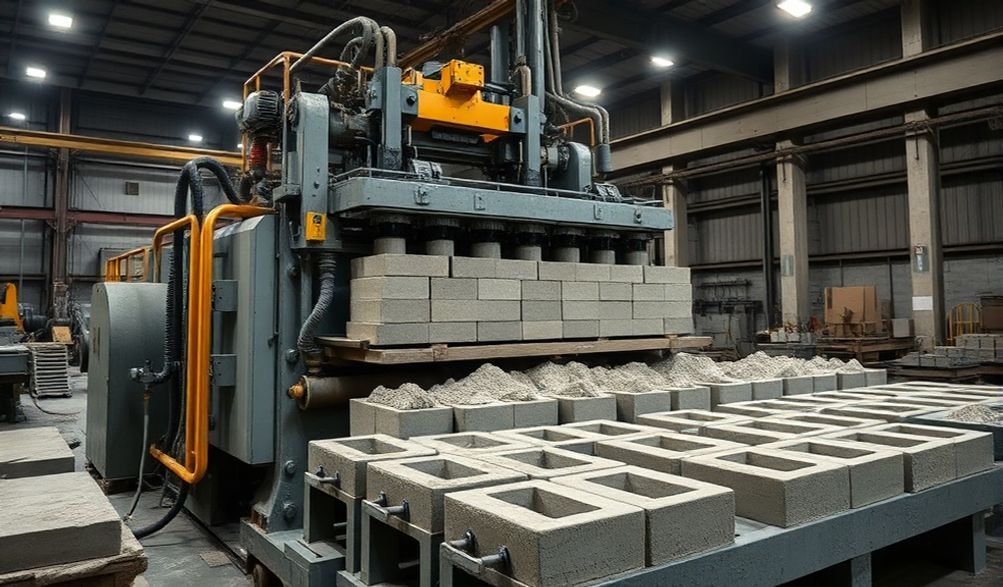
The Ultimate Guide to Big Brick Making Machines: Types, Benefits & How to Choose
မိတ်ဆက်
ကမ္ဘာလုံးဆိုင်ရာ ဆောက်လုပ်ရေးလုပ်ငန်းသည် ကြီးမားသော ကြီးထွားမှုအင်ဂျင်တစ်ခုဖြစ်ပြီး အံ့ဩဖွယ်ကောင်းလောက်အောင် ကြီးမားသော ပမာဏသို့ ရောက်ရှိမည်ဟု ခန့်မှန်းထားသည်။၂၀၃၀ ခုနှစ်တွင် အမေရိကန်ဒေါ်လာ ၁၅.၂ ထရီလီယံ. At the heart of this expansion lies a fundamental building block—literally. As demand for housing, infrastructure, and commercial spaces soars, the need for efficient, high-volume production of quality bricks and blocks has never been greater. This is where automation steps in, transforming traditional brickyards into streamlined industrial powerhouses. For business owners and project managers looking to scale, the decision isn’t ရှိလျှင် to automate, but ဘယ်လိုနေလဲ.
This definitive guide focuses on the core of modern, large-scale production: the big brick making machine. We’re not discussing small manual presses or semi-automatic tabletop models. We’re talking about industrial-grade behemoths engineered to produce thousands of uniform bricks, blocks, or pavers per hour with minimal human intervention. These machines represent a significant strategic investment, and navigating the market requires more than a cursory glance at a brochure.
Compiled from industry specifications, engineering principles, and decades of collective operational knowledge, this guide serves as your comprehensive resource. Whether you’re a procurement specialist for a major development firm or an entrepreneur aiming to dominate a regional supply market, you will leave with a clear understanding of machine types, critical features, return-on-investment factors, and a practical framework for selecting the right equipment to build your future on a solid foundation.
What is a Big Brick Making Machine? Defining Industrial-Scale Production
A big brick making machine is an integrated manufacturing system designed for continuous, high-output production of masonry units. It transcends being a simple “machine”; it is often a complete production line that automates the process from raw material feeding to product stacking, engineered for durability and relentless operation in a factory setting.
Core Components and How It Works (Briefly)
While designs vary, the core process of an industrial brick machine follows a consistent, automated sequence:
- ရောနှောခြင်းနှင့် အစာကျွေးခြင်း Raw materials (like cement, sand, aggregate, fly ash) are precisely batched and mixed with water in a pan or planetary mixer. This homogeneous mix is then conveyed to the machine’s hopper.
- ပုံသွင်းခြင်းနှင့် သိပ်သည်းအောင်လုပ်ခြင်း The heart of the operation. The mix is fed into a mold box. A hydraulic or mechanical system then applies immense pressure—often measured in hundreds of tonnes—to compact the material, expelling air and forming a dense, precise block.
- ထုတ်ခြင်းနှင့် ပြုပြင်ခြင်း The freshly formed, “green” brick is ejected onto a pallet or conveyor. It is then automatically transported to a curing area (like a rack or chamber) where it gains strength under controlled temperature and humidity conditions.
- Pallet Return & Stacking: The empty pallet is cycled back to the mold area, while cured products are automatically stacked for storage or shipment.
Key components that enable this include:
* ကြံ့ကြံ့ခိုင်သောသံမဏိဘောင်ကွင်း Provides the rigidity and stability needed for high-pressure operation.
* ဟိုက်ဒရောလစ် ပါဝါ ပက် The “muscle” of hydraulic machines, comprising pumps, valves, and cylinders that deliver consistent pressure.
* ပရိုဂရမ်လုပ်နိုင်သော ယုတ္တိထိန်းချုပ်ကိရိယာ (PLC) The “brain” that automates the entire cycle, ensuring precision and repeatability.
* Mold Assemblies: High-wear, precision-tooled components that define the shape and size of the final product.
* Pallet Feeder/Conveyor System: The logistics backbone that keeps production flowing without interruption.
Key Distinctions: Big vs. Small-Scale Brick Machines
Understanding the industrial scale is crucial. Here’s how a big machine differs from its smaller counterparts:
- ထုတ်လုပ်မှုစွမ်းရည် This is the most glaring difference. While a small machine might produce 1,000-2,000 bricks per day, a big brick making machine is defined by outputs starting from 8,000-10,000 bricks per 8-hour shift and scaling up to 30,000+ for the largest models.
- အလိုအလျောက်လုပ်ဆောင်မှု အဆင့် Small machines are often manual or semi-automatic, requiring constant operator attention for feeding, molding, and removal. Big machines are predominantly အလိုအလျောက် အပြည့်အစုံ, with operators primarily monitoring and managing the system.
- Footprint and Power: An industrial machine is a fixed installation requiring a significant factory floor space (including curing areas) and a robust, often 3-phase, electrical connection. It’s a permanent piece of plant infrastructure.
- Investment and Scale: The initial capital outlay is substantial, but justified by the dramatic reduction in per-unit cost, labor savings, and the ability to service large contracts or wholesale markets profitably.
Types of Big Brick Making Machines: Finding the Right Technology
Selecting the right technology is the first major decision. The optimal choice depends on your target products, budget, and desired level of operational involvement.
By Operation: Fully Automatic vs. Semi-Automatic Machines
-
အလိုအလျောက် အပြည့်အစုံ စက်များ
- သူတို့ဘယ်လိုအလုပ်လုပ်လဲ The entire process—from material feeding and molding to pallet transfer and product stacking—is controlled by a PLC. Operators supervise, perform quality checks, and handle maintenance.
- အားသာချက်များ Maximum output, exceptional consistency, lowest labor requirement per unit produced, ideal for 24/7 operation.
- အားနည်းချက်များ Highest initial investment, requires more skilled technicians for maintenance, less flexibility for very short, custom runs.
- သင့်လျော်သည်မှာ- Large-scale block yards, suppliers to major construction projects, businesses focused on high-volume standard products.
-
အချိန်ကုန်သက်သာစေသော စက်များ
- သူတို့ဘယ်လိုအလုပ်လုပ်လဲ The core compaction and molding cycle is mechanized, but tasks like feeding the mold, removing the green brick, or pallet placement require manual intervention.
- အားသာချက်များ Lower purchase price, simpler to operate and maintain, more adaptable for frequent product changes or custom batches.
- အားနည်းချက်များ Lower output, higher and more variable labor costs, product consistency can be more dependent on operator skill.
- သင့်လျော်သည်မှာ- Medium-scale businesses, producers of specialty or artistic masonry, markets with lower labor costs.
By Brick Type and Output
The machine must be matched to your product line.
- Hollow Block Making Machines: Designed to produce lightweight, insulating blocks with high void ratios. Essential for modern construction, they require precise control over web thickness and cavity formation.
- Paver Making Machines: Engineered for high-density, interlocking concrete pavers, slabs, and landscaping products. These machines often feature multi-layer coloring systems and high-vibration or dual-pressure systems for exceptional surface finish and wear resistance.
- Solid Brick Making Machines: Used for producing high-density, high-strength solid bricks used in heavy-load bearing applications. They apply extreme pressure to achieve the required compressive strength.
- အထူးစက်များ This category includes machines for curbstones, retaining wall blocks, and even aerated concrete (AAC) blocks, each with unique molding and handling systems.
By Driving System: Hydraulic vs. Mechanical
The source of compaction force defines the machine’s character.
-
Hydraulic Machines:
- သူတို့ဘယ်လိုအလုပ်လုပ်လဲ Use pressurized hydraulic fluid to drive cylinders that compact the material.
- အားသာချက်များ Deliver extremely high and controllable pressure (up to 300+ tonnes), excellent for dense products like solid bricks and pavers. Smooth operation, less vibration, and often quieter. Pressure can be finely tuned for different material mixes.
- အားနည်းချက်များ Generally higher initial cost. The hydraulic system requires skilled maintenance and clean fluid to prevent failures.
- အကောင်းဆုံးဖြစ်သည် High-strength products, versatile raw material mixes (clay, concrete, fly ash).
-
Mechanical (Vibration/Press) Machines:
- သူတို့ဘယ်လိုအလုပ်လုပ်လဲ Use a combination of mechanical vibration (to settle the mix) and a mechanical press or hammer to compact.
- အားသာချက်များ Typically lower purchase and maintenance costs. Simpler mechanical design can be robust.
- အားနည်းချက်များ Limited maximum pressure compared to hydraulics. Can be noisier and cause more vibration. May struggle with very dry or certain raw material mixes.
- အကောင်းဆုံးဖြစ်သည် Standard hollow blocks, markets where initial cost is the primary driver, and material mixes are well-suited to vibration.
Critical Benefits of Investing in a Large-Capacity Brick Machine
Moving to industrial-scale equipment is a strategic leap, not just an equipment purchase. The benefits directly impact your bottom line and market competitiveness.
Unmatched Production Efficiency and Scalability
An automatic big brick machine runs on a precise cycle time, producing a brick every 10-30 seconds, relentlessly. This consistency allows you to:
* Reliably meet tight deadlines for large projects.
* Plan your inventory and deliveries with precision.
* Scale your business output to match demand without exponentially increasing labor or space.
Superior Product Quality and Consistency
Human variability is eliminated from the core molding process. High, repeatable pressure ensures:
* Uniform dimensions and shape, critical for modern construction speed and mortar savings.
* Higher and more consistent compressive strength, leading to better building integrity and compliance with standards (e.g., ASTM C90).
* Lower breakage rates during production, handling, and transport, reducing waste.
Significant Reduction in Labor Costs and Dependency
Where a manual operation might require 10-15 people for a given output, a fully automatic line may need only 2-3. This not only cuts wage bills but also mitigates risks associated with labor shortages, skill gaps, and human fatigue.
Long-Term Cost Savings and Improved ROI
While the upfront cost is high, the total cost of ownership tells the true story:
* Lower per-unit cost due to economies of scale.
* Reduced labor cost per brick.
* Energy-efficient modern designs optimize power use per cycle.
* ခံနိုင်ရည် means a lifespan measured in decades, not years, amortizing the investment.
Versatility in Raw Materials and Product Design
Modern industrial machines are not monolithic. They offer:
* Material Flexibility: Ability to use Portland cement, fly ash (an eco-friendly byproduct), slag, crushed stone, and various aggregates, allowing you to optimize for local material cost and availability.
* Design Agility: Quick mold change systems (often requiring just hours) let you switch between producing hollow blocks, solid bricks, and pavers on the same machine, responding dynamically to market needs.
Key Features to Evaluate When Choosing Your Machine
Look beyond the sales pitch. These technical specifications will determine your daily operation and long-term success.
-
Production Capacity & Cycle Time: Don’t just look at “bricks per hour.” Ask for the cycle time (seconds per mold) and the number of bricks per cycle (mold cavity count). A machine with a 15-second cycle and a 10-cavity mold produces 2,400 bricks per hour under ideal conditions. Factor in realistic efficiency rates (e.g., 85%).
-
Pressure Force (Tonnes): This is critical for final product strength. For standard hollow blocks, 150-200 tonnes may suffice. For solid bricks or high-quality pavers, 250+ tonnes is often necessary. Match the pressure to your target product’s compressive strength requirement.
-
Automation & Control System: A PLC-based system is standard for full automation. Evaluate the user interface—is it intuitive? Can it store recipes for different products? Does it provide fault diagnostics? This is your primary point of interaction with the machine.
-
Mold Quality & Customization: The mold is where your product is born. Insist on:
- High-grade, hardened steel construction.
- Precision machining for dimensional accuracy.
- Reasonable lead times and cost for custom mold designs.
- Efficient mold changeover mechanisms to minimize downtime.
-
Build Quality & After-Sales Support: This is where reputations are made or broken.
- ဘောင်ခတ် Look for heavy, welded steel construction, not bolted-together sections.
- Components: Are hydraulic parts from reputable brands (e.g., Bosch Rexroth, Kawasaki)? Are bearings and guides from quality suppliers?
- Support: What does the warranty cover? Is there a local service technician or a clear protocol for remote support? What is the typical parts delivery time? A machine is only as good as the supplier standing behind it.
The Selection Process: A Step-by-Step Guide for Buyers
Follow this experience-based roadmap to navigate your purchase confidently.
-
Assess Your Production Needs & Goals: Be brutally honest. What is your current and projected 5-year demand? What specific products (size, type, strength) do you need to make? What is your available factory space and power infrastructure? Document everything.
-
Define Your Total Budget: The machine price is just the start. Create a budget that includes:
- Machine cost and import duties.
- Installation, foundation, and electrical work.
- Initial spare parts kit.
- Operator and technician training.
- First-year maintenance costs.
-
Research & Shortlist Reputable Manufacturers: Look for companies with a long track record. Check their client portfolio—do they supply other large, reputable businesses? Look for international certifications (CE, ISO). Read third-party reviews and industry forum discussions.
-
Request & Compare Detailed Specifications: Contact your shortlist. Provide them with your needs document and request a formal quotation with complete technical specifications, not just marketing sheets. Compare them side-by-side on the key features outlined above.
-
Insist on Factory Testing or Site Visits: This is non-negotiable for a major capital investment. If possible, visit the factory to see your machine being built and tested. Even better, ask the supplier to connect you with an existing client in a similar market for a reference visit. Seeing a machine in operation is the ultimate due diligence.
Frequently Asked Questions (FAQ) About Big Brick Making Machines
Q1: What is the typical price range for a fully automatic big brick making machine?
က: Prices vary dramatically based on capacity, automation level, and brand. A entry-level fully automatic line might start around $70,000, while high-capacity, high-pressure systems from leading manufacturers can range from $150,000 to over $300,000. Focus on the total cost of ownership and ROI, not just the sticker price.
Q2: What raw materials can I use with these machines?
က: Most machines are designed for concrete-based products. Common mixes include:
* Cement (OPC or PPC)
* Sand (fine aggregate)
* Crushed stone or gravel (coarse aggregate)
* Industrial by-products like fly ash or slag (which can replace a portion of cement)
* Water
The key is achieving a consistent, well-graded mix with the correct moisture content (typically a semi-dry mix), which is crucial for proper compaction and green strength.
Q3: How much space and what infrastructure is required?
က: You need a comprehensive production area:
* စက်ပစ္စည်း၏ ခြေရာခံဧရိယာ Allow at least 300-500 sq. ft. for the machine and conveyor.
* Curing Area: This is often the largest space requirement. You need covered, temperature-stable space for bricks to cure for 7-28 days. Racking systems can optimize vertical space.
* Raw Material Storage: Space for bulk cement silos and aggregate stockpiles.
* ပါဝါ Typically requires a robust 3-phase electrical supply (380V-440V), with amperage depending on the machine’s power pack.
* Floor: A level, reinforced concrete floor capable of handling the machine’s static weight (often 10-20+ tonnes) and dynamic vibration loads.
Q4: What is the lead time for delivery and installation?
က: From order placement, expect 30 to 90 days for manufacturing, plus shipping time. Installation and commissioning by a factory engineer can take an additional 1-3 weeks. Clear communication with your supplier about timelines and responsibilities (Incoterms) is vital.
Q5: How do I ensure I get reliable after-sales service and parts?
က: Before signing any contract:
* Review the warranty terms in detail (what’s covered, for how long, response time commitments).
* Ask for a list of recommended spare parts to keep in stock.
* Verify the location of the supplier’s parts warehouse (local vs. overseas).
* Get client references and actually call them to ask about service experience.
* Research the brand’s reputation online for long-term support.
Conclusion: Building Your Future on a Solid Foundation
Investing in a big brick making machine is a pivotal decision that positions your business for scale, quality leadership, and long-term profitability. It moves you from being a producer to becoming a manufacturing operation. As we’ve explored, success hinges on understanding the technologies, aligning them with your specific product and output goals, and meticulously evaluating both the machine’s build quality and the manufacturer’s commitment to support.
The final, most critical piece of advice is this: Prioritize robust engineering and reliable after-sales service over the lowest initial price. A slightly more expensive machine from a reputable partner will save you multiples of that difference in avoided downtime, consistent output, and operational peace of mind over its lifespan. Your brick making machine is the foundation of your production; ensure that foundation is unshakeable.
Ready to move from consideration to specification? The next step is to engage with engineering teams, share your detailed project requirements, and begin the process of designing a solution tailored to build your success.
<