
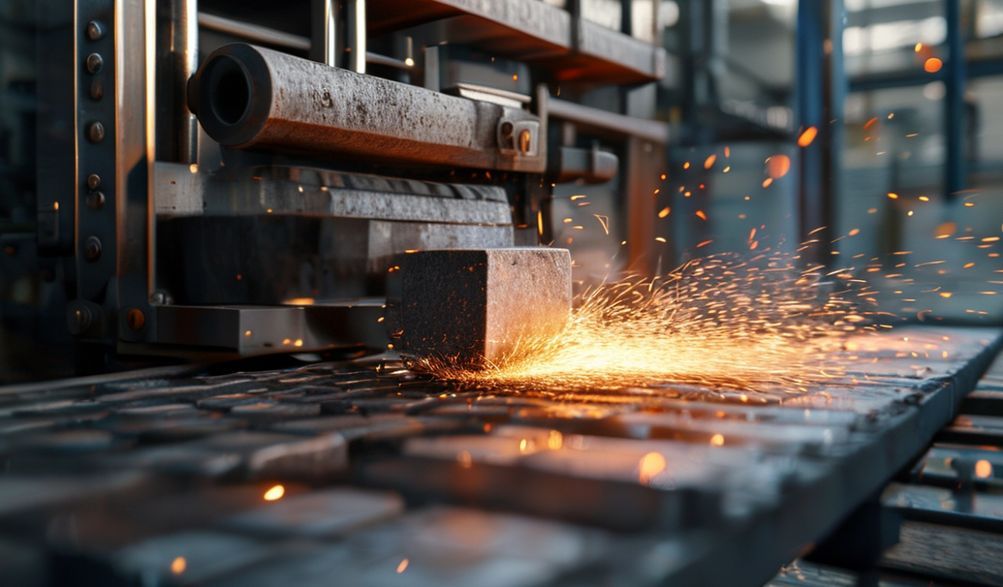
The Ultimate Guide to Blocks and Bricks Machines: Types, Uses, and How to Choose
မိတ်ဆက်
From the humblest home to the tallest skyscraper, bricks and concrete blocks are the fundamental building blocks of our modern world. For centuries, their production was a labor-intensive craft, reliant on manual skill and yielding inconsistent results. Today, the demand for uniformity, speed, and scale in construction has rendered purely manual methods impractical for most projects. The challenges of slow output, variable quality, and high physical labor costs are real obstacles for builders, contractors, and entrepreneurs alike.
Enter the modern blocks and bricks machine: the engineered solution that transforms raw materials into precise, high-strength construction units with remarkable efficiency. This guide is designed to cut through the complexity. Compiled from industry expertise, technical specifications, and practical operational insights, it serves as a comprehensive resource. Whether you’re a construction professional looking to streamline on-site production or an entrepreneur evaluating a block-making business, you will learn about the different types of machinery, their key features, critical selection criteria, and essential operational knowledge to make a confident, informed decision.
Understanding Blocks and Bricks Manufacturing Machines
Before diving into choices, it’s crucial to understand what these machines are and how they fundamentally operate. This foundational knowledge is key to making an educated purchase.
What Are Blocks and Bricks Machines?
At their core, blocks and bricks machines are automated or semi-automated pieces of equipment designed to mold raw materials—primarily concrete, but also clay, fly ash, or other composites—into standardized, dense units for construction. The evolution has been significant: from simple wooden molds filled and tamped by hand, to mechanical lever-operated presses, to today’s computer-controlled plants that integrate mixing, molding, and curing into a seamless, high-volume process. The modern machine is about replicating perfection, thousands of times a day, with minimal variance.
အဓိက အစိတ်အပိုင်းများနှင့် ၎င်းတို့၏ လုပ်ဆောင်ပုံ
While complexity varies, most machines share a common set of core components that facilitate a standard production cycle:
- မစ်ဆာ Where raw materials (cement, aggregate, sand, water) are blended into a homogeneous, workable mix. Consistency here is critical for final block strength.
- Conveyor/Feeder System: Transports the mixed material to the molding area. In automatic systems, this is precisely measured.
- Mold or Hopper: The heart of the machine. This is the cavity that gives the block its shape (hollow, solid, interlocking, etc.). Molds are interchangeable to produce different products.
- ကျစ်လစ်သိပ်သည်းစနစ် This is what creates density. Most common are:
- တုန်ခါမှု High-frequency vibration tables shake the mold to settle the concrete mix and remove air pockets.
- ဟိုက်ဒရောလစ် ဖိအား A hydraulic ram applies immense, controlled pressure to compress the material, often used for paving slabs or very dense bricks.
- ထွက်ခွာရေးစနစ် Once compacted, a mechanism (hydraulic or mechanical) pushes the fresh, “green” block out of the mold and onto a pallet or curing rack.
- Curing System: While sometimes a separate stage, some advanced plants integrate initial curing. Typically, blocks are moved to a controlled area for moisture and temperature management to gain strength.
The Basic Production Cycle: Feeding → Mixing → Molding → Compaction → Ejection → Curing.
Types of Blocks and Bricks Machines: A Detailed Breakdown
The market offers a machine for every need and budget. Understanding these categories is the first step in narrowing your choice.
By Level of Automation
This is often the primary differentiator, directly impacting cost, labor, and output.
- လက်ဖြင့်မောင်းနှင်ရသော စက်များ These are the most basic, often requiring operators to manually fill the mold, engage a lever for compaction, and remove the finished block. They are low-cost and simple to maintain but have very low output (e.g., 200-500 blocks per day) and high physical labor requirements. Ideal for very small-scale, remote projects or for producing specialty blocks infrequently.
- အချိန်ကုန်သက်သာစေသော စက်များ Striking a balance, these machines mechanize the compaction and ejection process (often via a mechanical or small hydraulic system). The operator typically feeds the mix and removes the finished blocks. Output is significantly higher than manual machines (e.g., 1,000 – 3,000 blocks per 8-hour shift) and quality is more consistent. This is the most popular category for small to medium-sized businesses and on-site construction projects.
- အလိုအလျောက် အပြည့်အစုံ စက်များ These are production powerhouses. With programmable logic controllers (PLCs), they automate the entire process from material feeding to block stacking. Labor is minimal (often just 1-2 supervisors), output is very high (e.g., 5,000 – 20,000+ blocks per shift), and product consistency is exceptional. The investment is substantial, but the cost-per-block plummets at high volume, making them ideal for large commercial block yards and major construction material suppliers.
By Production Method & Output
- ရပ်နေသောဘလောက်စက်များ As the name implies, they produce blocks in a fixed position. The “egg-laying” type ejects the block onto the ground and then moves forward slightly to lay the next one in a line. Static machines produce blocks on a pallet that is then moved away. They are versatile and form the basis of most semi- and fully-automatic systems.
- Mobile Block Machines (Block Making Plants): These are heavy-duty machines that move on wheels along a long, prepared concrete production strip. They lay blocks directly on the ground as they move, achieving extremely high output for large-format blocks and bricks. They are a capital-intensive solution for massive infrastructure projects or very large-scale commercial production.
- ရွှံ့အုတ်လုပ်ငန်းသုံးစက်များ Operating on a different principle, these machines use an extrusion process. Prepared clay is forced through a die to create a continuous column of clay, which is then wire-cut into individual bricks. They are specialized for producing traditional fired clay bricks.
By End Product
The mold defines the product. Key machine types include:
- Hollow Block Machines: The most common type for construction. Produces blocks with hollow cavities, reducing weight and material use while maintaining strength. Sizes vary for load-bearing and partition walls.
- Solid Block/Paving Slab Machines: Equipped with strong compaction systems (often hydraulic) to produce dense, solid units for paving, curbstones, and heavy-duty applications.
- အင်တာလော့ခ်အုတ်စက်များ A growing segment focused on sustainable construction. These produce bricks with designed ridges and grooves that lock together without mortar, drastically reducing construction time and material costs. Excellent for affordable housing and certain retaining wall applications.
- ကွန်ကရစ်အုတ်စက်များ Similar to block machines but configured with molds for standard brick sizes.
Key Features to Consider When Choosing a Machine
Beyond basic type, these features will determine if a machine is truly fit for your purpose. A common mistake first-time buyers make is focusing only on the headline price or output.
ထုတ်လုပ်မှုစွမ်းရည် (တစ်နာရီ/တစ်ရက်လျှင် ဘလောက်အရေအတွက်)
Don’t just look at the manufacturer’s maximum rating. Consider တည်တံ့ခိုင်မြဲသော output over an 8-hour shift, accounting for mold changes, maintenance, and operator breaks. Match this to your အစစ်အမှန် demand. For a business, calculate based on market orders. For a project, calculate total block needs divided by your project timeline. Buying an oversized machine drains capital; an undersized one misses deadlines.
Brick/Block Size and Type Versatility
Your market or project may require multiple products. Check the availability and cost of အပြန်အလှန်အသုံးပြုနိုင်သော မှိုများ. A machine that can easily switch from producing 4-inch hollow blocks to 6-inch solid blocks to paving slabs provides tremendous flexibility and protects your investment against changing demand. Ensure the machine’s power and frame can handle the different mold types.
Power Source (Electric, Diesel, Hybrid)
- အီလက်ထရွန်းနစ် Cleaner, quieter, and generally lower operational cost per hour if grid power is reliable and affordable. Requires a stable electrical connection, often three-phase for larger models.
- ဒီဇယ် Offers complete independence from the grid, crucial for remote sites or areas with frequent power cuts. Higher fuel and maintenance costs, and produces emissions/noise.
- Hybrid: Some models offer the best of both worlds, able to switch between power sources for flexibility.
Build Quality and Durability
This is where you assess long-term value. Inspect:
* Steel Grade & Welding: The frame should be made of heavy-duty, reinforced steel with clean, robust welds.
* Vibration Motors: In vibration-based machines, these are critical components. Branded, industrial-grade motors last longer and provide consistent compaction.
* ဟိုက်ဒရောလစ်စနစ် For hydraulic presses, look for reputable pump and valve brands. Seals should be high-quality to prevent leaks.
* Overall Robustness: The machine should feel solid, not flimsy. Shoddy construction leads to constant breakdowns and alignment issues.
After-Sales Support and Availability of Spare Parts
This is arguably the most critical, yet most overlooked, factor. A machine is a long-term asset. Ask:
* Does the supplier offer installation and training?
* Is there a clear warranty?
* How quickly can you get spare parts (wear parts like mold liners, springs, hydraulic seals)?
* Is technical support accessible? A slightly more expensive machine from a supplier with an excellent support network is almost always a better investment than a cheap machine you’re left to maintain alone.
The Business Case: ROI and Operational Insights
For entrepreneurs, this is the core calculation. For contractors, it’s about project efficiency.
Cost Analysis: Investment vs. Long-Term Savings
Look beyond the purchase price (CAPEX) to the total cost of ownership:
* Capital Cost: The machine price, plus delivery, installation, and initial spare parts.
* Operational Cost (OPEX): Power/fuel, raw materials, labor, routine maintenance.
* Labor Savings: A semi-automatic machine can replace 5-10 manual laborers; a fully automatic one, even more. Calculate the wage savings over a year.
* ROI: Divide your total investment by your estimated gross profit per month from block sales (or value of on-site production). A well-planned block yard with a semi-automatic machine can often see ROI in 12-24 months, depending on local market prices and demand.
Raw Materials: From Concrete to Eco-Friendly Options
The machine is only as good as the mix you feed it.
* Standard Mix: Typically a ratio of cement, sand, and aggregate (like crushed stone). Consistency in grading and moisture content is key.
* Eco-Friendly Options: Many modern machines excel at using industrial by-products, reducing cost and environmental impact.
* ပြာမှုန့် A pozzolanic material from coal plants that can replace a significant portion of cement, often resulting in a stronger, more workable block.
* အညစ်အကြေး Similar benefits to fly ash.
* Other: Crushed recycled concrete, certain types of soil, and other locally available materials can be incorporated with the right mix design.
Site Requirements and Setup
Prepare your site properly to avoid operational headaches:
* အာကာသ You need space for the machine, raw material storage (protected from rain), mixing area, block curing area (often the largest), and finished product storage. A flat, level concrete pad is essential for the machine foundation.
* Utilities: Ensure you have the correct power supply (voltage, phase) and a reliable water source for mixing and curing.
* Curing Area: Blocks need to be kept moist and protected from direct sun and wind for proper strength gain. Plan for covered racks or a dedicated curing shed.
Maintenance Best Practices for Longevity
A disciplined maintenance routine prevents costly downtime.
* Daily: Clean the machine thoroughly at the end of each shift, especially the mold and hopper. Check for loose bolts or nuts. Lubricate all moving points as per the manual.
* Weekly: Inspect hydraulic hoses for wear or leaks. Check vibration motor mounts. Tighten any fittings.
* Monthly: Conduct a more thorough inspection of electrical connections, wear parts on the mold, and the compaction system. Keep a log of all maintenance.
Safety and Best Practices for Operating Brick Making Machinery
Safety is non-negotiable. Operating heavy machinery with moving parts and high pressure demands respect and procedure.
Essential Personal Protective Equipment (PPE)
- Safety glasses or goggles to protect eyes from dust and debris.
- Heavy-duty gloves to protect hands during mold handling and block removal.
- Steel-toe boots to protect feet from heavy blocks and equipment.
- Hearing protection, especially in enclosed spaces with loud vibration motors.
- Dust mask or respirator when handling dry cement powder.
Standard Operational Procedures (SOPs)
- Never operate the machine without proper training.
- Always follow the lock-out/tag-out procedure before performing any cleaning or maintenance.
- Keep guards and safety shields in place.
- Ensure the work area is clean and free of trip hazards.
Common Pitfalls and How to Avoid Them
- Improper Mix Ratios: Too much water weakens the block; too little causes poor compaction. Use a consistent, measured mix design.
- Inadequate Curing: Rushing blocks to the job site before they gain sufficient strength (typically 70% of 28-day strength) leads to cracking and failure. Never skip proper curing.
- Neglecting Maintenance: Small issues (a loose bolt, a dirty sensor) escalate into major breakdowns. Adhere to the maintenance schedule religiously.
- Using Worn-Out Molds: A worn mold produces out-of-spec blocks with poor edges. Inspect and replace mold liners promptly.
FAQ Section
Q: What is the average cost of a brick making machine?
က: Costs vary dramatically. A simple manual machine can start at a few thousand dollars. A robust semi-automatic machine typically ranges from $15,000 to $50,000. Fully automatic production lines can cost from $80,000 to several hundred thousand dollars. The price depends on automation level, output capacity, build quality, and brand.
Q: Can I start a brick/block making business with a single machine?
က: Absolutely. Many successful businesses start with one semi-automatic machine. The key is to focus on a local market (construction companies, individual builders), ensure consistent quality, and manage costs effectively. As demand grows, you can scale by adding shifts, then additional machines.
Q: What is the difference between a hydraulic and a vibration press machine?
က: Vibration machines use high-frequency shaking to consolidate the concrete mix, ideal for standard hollow and solid blocks. Hydraulic machines use immense pressure to compress the material, producing extremely dense and strong products like paving stones, kerbstones, and solid bricks. Some machines combine both methods.
Q: How long does it take for blocks to cure properly after production?
က: For full design strength (100%), concrete blocks typically require a 28-day curing period under moist conditions. However, they often reach sufficient strength for handling and shipping (around 70%) within 7-14 days. Accelerated curing methods like steam curing chambers can reduce this time to under 24 hours for initial strength.
Q: Are there machines for making interlocking bricks without mortar?
က: Yes, dedicated interlocking brick machines produce specially designed blocks that fit together like puzzle pieces. This “dry-stack” method eliminates the need for mortar in the bed joints, drastically speeding up construction and reducing material costs, making them popular for affordable housing and landscaping projects.
နိဂုံး
Choosing the right blocks and bricks machine is a strategic decision that directly impacts construction efficiency, product quality, and business profitability. It’s not merely about buying a piece of equipment; it’s about investing in a production system. As this guide has outlined, success hinges on aligning the machine’s capabilities—its type, features, and capacity—with your specific needs, budget, and operational knowledge.
Use this guide as a framework for your research. Prioritize build quality and after-sales support as much as you do price and output. Before making a final decision, consult with reputable manufacturers, request detailed specifications, and, if possible, seek a hands-on demonstration or visit an existing installation. As you move forward, keep an eye on industry trends like increasing automation and the use of sustainable materials, which continue to shape the future of block and brick production. Your foundation starts with the right machine.
<