
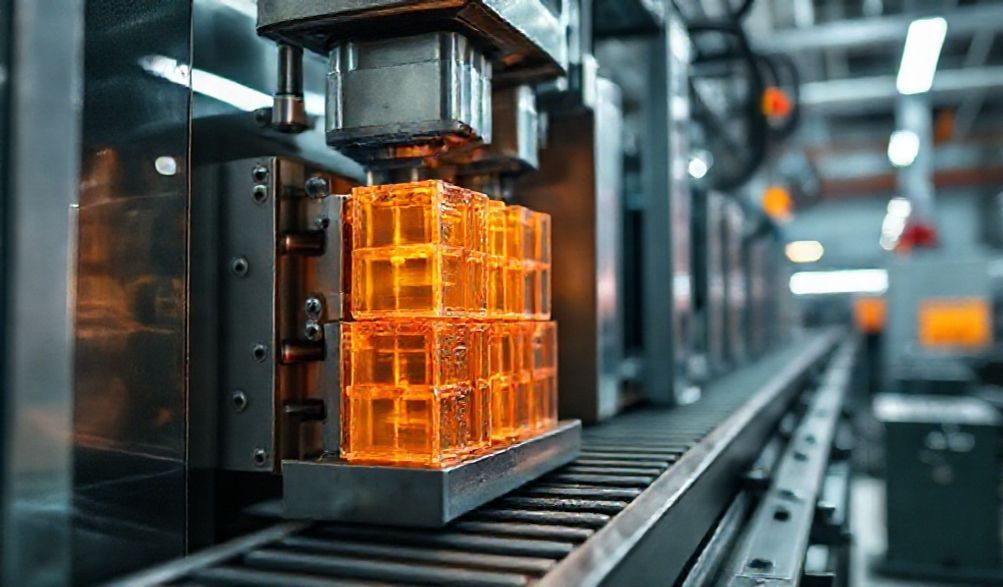
အဆင့်ဆင့်တည်ဆောက်ရေးဘလောက်စက်များ ပြုလုပ်နည်း အပြည့်အစုံလမ်းညွှန် - စိတ်ကူးမှ ထုတ်လုပ်မှုအထိ
ကလေးများ၏ စိတ်ကူးယဉ်အခန်းမှ ရောင်စုံဖန်တီးမှုများမှ စတင်ကာ ပရော်ဖက်ရှင်နယ် ဒီဇိုင်းနာများ၏ ရှုပ်ထွေးသော ဗိသုကာပုံစံများအထိ၊ ရိုးရှင်းသော တည်ဆောက်မှုဘလောက်များသည် ဖန်တီးမှုအတွက် ကမ္ဘာလုံးဆိုင်ရာ ကိရိယာတစ်ခုဖြစ်သည်။ သို့သော် ဤပလတ်စတစ်ဘလောက်များ သန်းပေါင်းများစွာသည် မည်သို့ ပြီးပြည့်စုံစွာ တစ်ထပ်တည်းကျပြီး ချိတ်ဆက်နိုင်အောင် ထုတ်လုပ်ထားသည်ကို သင်အံ့ဩဖူးပါသလား။ ဤအဖြေသည် ခေတ်သစ်ထုတ်လုပ်မှု၏ အံ့ဖွယ်တစ်ခုတွင် တည်ရှိပါသည်-အဆောက်အဦဘလောက်စက်.
This isn’t your average piece of factory equipment. Producing a block that clicks together with satisfying precision, withstands repeated assembly, and meets rigorous global safety standards requires a symphony of engineering excellence. This comprehensive guide, built on insights from mechanical engineering, manufacturing processes, and quality control, will demystify these specialized machines. Whether you’re an entrepreneur exploring manufacturing, a procurement specialist, or simply fascinated by how things are made, you’ll learn about the types of machines, how they work, critical selection criteria, and the industry knowledge needed to understand this precise world of production.
အဆောက်အဦဘလောက်မက်ရှင်ဆိုတာဘာလဲ။ အဓိကနည်းပညာကိုသတ်မှတ်ခြင်း
အခြေခံအားဖြင့်၊အဆောက်အဦဘလောက်စက်အလွန်အထူးပြုလုပ်ထားသော ထိုးသွင်းပုံသွင်းစက်တစ်မျိုးဖြစ်ပြီး ၎င်း၏ တစ်ခုတည်းသော ရည်ရွယ်ချက်မှာ အတိုင်းအတာ အလွန်တိကျမှန်ကန်ကာ ပစ္စည်းဂုဏ်သတ္တိများ တသမတ်တည်းရှိသည့် ပလပ်စတစ် အချင်းချင်း ချိတ်ဆက်နိုင်သော အုတ်ခဲများကို ထုတ်လုပ်ရန်ဖြစ်သည်။
အဓိက လုပ်ဆောင်ချက်နှင့် ရလဒ်
While a standard injection molder might produce anything from bottle caps to automotive parts, a building block machine is fine-tuned for one specific product family. It transforms raw plastic granules into finished, ready-to-pack blocks through a rapid, cyclical process. The output is characterized by its uniformity—every stud, tube, and sidewall must be identical to ensure compatibility across billions of units.
The Importance of Precision
The magic of a great building block lies in its “clutch power”—the secure yet releasable connection between blocks. This is not a matter of chance; it is a matter of microns.
* Tolerances are king: Molds are machined to tolerances within thousandths of an inch (hundredths of a millimeter). A variance even slightly outside this range results in blocks that are too loose or frustratingly tight.
* Impact on Experience: Precision directly affects structural integrity for complex builds, the safety of the blocks (preventing breakage and small parts), and ultimately, the play value. Inconsistent blocks undermine the fundamental promise of the toy.
From Raw Material to Finished Block: A Quick Overview
The fundamental process flow is elegant in its efficiency:
1. အစာကျွေးခြင်း Plastic granules (like ABS) are loaded into the machine’s hopper.
2. Melting: The granules are heated and sheared into a molten state.
3. Injection: This liquid plastic is forcibly injected into a precision mold cavity.
4. Cooling: The plastic cools and solidifies almost instantly into the block’s shape.
5. ထွက်ခွာခြင်း The mold opens, and the finished block is ejected, ready for the next cycle.
Types of Building Block Machines and Their Applications
Not all building block production is created equal. The scale and goals of the operation dictate the type of machinery required.
အလိုအလျောက် ဘလောက်ပြုလုပ်စက်
These are the powerhouses of the industry, representing fully integrated, turnkey production lines.
* ဖော်ပြချက် They are computer-controlled systems where the core injection molding machine is seamlessly linked with robotics for part handling, conveyor systems for transport, and often automated packaging units. Human intervention is primarily for monitoring and quality checks.
* အကောင်းဆုံးဖြစ်သည်။ Large-scale Original Equipment Manufacturers (OEMs) and major brands that require massive, continuous output—think hundreds of thousands to millions of units per day.
* အဓိကအင်္ဂါရပ်များ
* Robotic arms for consistent part removal and placement.
* Integrated vision systems for automated quality inspection.
* High-speed cycling with minimal downtime.
* Significant capital investment but lowest cost per part at high volumes.
Semi-Automatic Block Forming Machines
This category offers a balance between automation and flexibility, making it a popular choice for many manufacturers.
* ဖော်ပြချက် In these setups, the core molding process (injection, cooling) is automated, but tasks like loading raw material bins, removing finished parts from the mold, or placing them on conveyors may be manual or require operator initiation.
* အကောင်းဆုံးဖြစ်သည်။ Medium-scale manufacturers, startups, and companies producing specialized or custom blocks where production runs may be shorter and more varied.
* အဓိကအင်္ဂါရပ်များ
* Lower initial investment and footprint than fully automatic lines.
* Greater flexibility for quick changeovers between different block types or colors.
* Higher reliance on skilled operators.
Small-Scale & Desktop Machines for Prototyping
Innovation in the building block space often starts small.
* ဖော်ပြချက် These are benchtop or small free-standing injection molding machines. They have a much smaller clamp force and shot capacity but are invaluable for research and development.
* အကောင်းဆုံးဖြစ်သည်။ Inventors testing new brick designs, educators in engineering programs, hobbyists, and small businesses producing artisan or niche custom blocks.
* အဓိကအင်္ဂါရပ်များ
* Low volume output (dozens to hundreds of parts per run).
* High design flexibility for mold experimentation.
* Crucial for validating clutch power, aesthetics, and structural design before investing in expensive production tooling.
Key Components and How a Building Block Machine Works
Understanding the major components demystifies the process and highlights where precision is achieved.
The Injection Unit: Melting and Metering
This is where raw material is prepared and delivered.
* ဟော့ပါး Holds the raw plastic granules (which must often be pre-dried to remove moisture).
* Barrel and Heater Bands: A heated cylinder where temperature is precisely controlled in zones.
* Reciprocating Screw: This rotating and moving screw does the critical work: it conveys the granules forward, melts them through shear and heat, homogenizes the melt, and acts as a plunger to inject the molten plastic into the mold.
The Clamping Unit: Mold and Precision
This is the “business end” of the machine, where the part takes shape.
* The Mold (Tooling): The heart of the system. It is a complex, hardened steel assembly consisting of two halves: the cavity (which forms the outer shape) and the core (which forms the inner studs and tubes). It contains cooling channels and ejector pins.
* Clamping Force (Tonnage): This is the force, measured in tons, that the machine uses to hold the mold tightly closed against the immense pressure of injected plastic. Insufficient tonnage causes “flash”—thin layers of plastic to seep out between the mold plates.
The Control System: The Brain of the Operation
Modern consistency is impossible without digital control.
* PLC (Programmable Logic Controller): The industrial computer that runs the machine’s sequential logic—contforming the cycle from mold close to ejection.
* HMI (Human-Machine Interface): The touchscreen panel where operators set and monitor all critical parameters: temperatures at multiple points, injection speed and pressure, cooling time, and cycle time. Fine-tuning these variables is the key to perfect part quality.
The Cycle Step-by-Step
- Mold Closing & Clamping: The two halves of the mold are brought together and locked with high force.
- Injection & Packing: The screw injects the molten plastic into the mold cavity. A “packing” phase applies additional pressure to compensate for material shrinkage as it cools.
- အေးခဲခြင်းနှင့် မာကျောစေခြင်း The plastic cools inside the water-cooled mold until it is solid enough to hold its shape. This is often the longest phase of the cycle.
- Mold Opening & Ejection: The clamp opens, and ejector pins push the finished block(s) out of the mold. The cycle then repeats.
Critical Features to Consider When Selecting a Machine
Choosing the right machine is a strategic decision. Look beyond the price tag to these essential factors.
Mold Design and Compatibility (The Heart of the Product)
The machine is a platform; the mold defines the product.
* Standard vs. Custom: Will you use proprietary, custom-designed molds or produce compatible blocks with standard designs?
* ပုံသွင်းပုံစံ၏ အရည်အသွေး The steel grade, precision of machining (often EDM), and design of cooling channels directly affect part quality, surface finish, and mold lifespan. A cheap mold is a false economy.
* Maintenance: Consider the ease of mold changeover, cleaning, and repair.
Production Capacity: Cycle Time and Shot Size
These numbers define your output potential.
* စက်ဝန်းအချိန် The total time for one complete molding cycle (close, inject, cool, open, eject). A reduction of one second in cycle time can mean thousands more parts per week.
* Shot Size & Cavities: The “shot size” is the maximum volume of plastic the machine can inject. This determines how many mold “cavities” (individual block impressions) you can have in one mold. A 4-cavity mold produces four blocks per cycle.
Energy Efficiency and Total Cost of Ownership
The purchase price is just the beginning.
* Drive Systems: Modern servo-electric motors are far more energy-efficient than traditional hydraulic systems, especially during the idle and clamping phases. They also offer cleaner operation and quieter noise levels.
* Long-Term Costs: Factor in ongoing costs for electricity, preventive maintenance, spare parts, and potential downtime. An energy-efficient, reliable machine may have a higher upfront cost but a lower total cost over 5-10 years.
Safety Features and Regulatory Compliance
Non-negotiable for protecting personnel and ensuring market access.
* Machine Safeguarding: Look for fixed guards, interlocked safety gates that shut down the machine when opened, and emergency stop buttons.
* စည်းမျဉ်းစည်းကမ်းများနှင့်ကိုက်ညီမှု For the machine itself, certifications like the CE mark (Europe) indicate it meets essential health and safety requirements. This is a key trust signal from the manufacturer.
The Role of Materials: More Than Just Plastic
The choice of plastic resin is as critical as the machine itself.
ABS (Acrylonitrile Butadiene Styrene): The Industry Standard
This engineering thermoplastic is the gold standard for a reason.
* Properties: Excellent strength and stiffness, high gloss finish, superb color fidelity for vibrant blocks, and optimal frictional characteristics that provide the ideal clutch power. It strikes the perfect balance between durability and releasability.
PP (Polypropylene) and Other Polymers
Different blocks for different functions.
* PP Use Cases: Often used for softer, more flexible elements like tires, trees, or minifigure accessories. It has good chemical resistance and is a lower-cost alternative for certain non-structural parts.
* Specialty Polymers: Some manufacturers may use PC (polycarbonate) for transparent elements or advanced polymers for specialized technical functions.
Material Quality and Testing: Ensuring Safety
This is paramount for a children’s product.
* Material Purity: Resins must be non-toxic, food-contact grade, and free of heavy metals (like lead or cadmium) and regulated phthalates.
* Safety Standards: Finished blocks must comply with stringent international toy safety standards, which govern both mechanical/physical properties (e.g., no small parts for young ages) and chemical content. Key standards include:
* ASTM F963 (United States)
* EN 71 (European Union)
* ISO 8124 (International)
Maintenance, Troubleshooting, and Maximizing Uptime
A machine is a long-term asset. Proper care is essential for profitability.
Essential Daily and Weekly Maintenance Routines
Prevention is cheaper than repair.
* Daily: Visual inspection for leaks, check hydraulic oil levels and temperature, ensure heaters are functioning.
* Weekly: Lubricate moving parts per the manufacturer’s schedule, clean the mold surfaces, check and tighten electrical connections.
Common Operational Issues and Solutions
- Problem: Short Shots (Incomplete parts).
- Causes: Insufficient material feed, low injection pressure/speed, blocked nozzle.
- Solutions: Increase shot size, raise injection pressure, check and clear the nozzle.
- Problem: Flash (Excess plastic on part edges).
- Causes: Injection pressure too high, clamp force too low, worn or damaged mold.
- Solutions: Reduce injection pressure, increase clamp tonnage if possible, repair the mold.
- Problem: Sink Marks (Depressions on thick sections).
- Causes: Insufficient cooling time or packing pressure, material temperature too high.
- Solutions: Increase packing pressure and time, extend cooling cycle, lower melt temperature.
The Importance of Preventative Maintenance Schedules
Adhering to the manufacturer’s recommended PM schedule is non-negotiable. It involves periodic replacement of wear items (seals, filters), calibration of sensors, and thorough system checks. This proactive approach prevents catastrophic failures, ensures consistent part quality, and can extend the productive life of the machine by years.
FAQ Section
Q1: What is the average cost range for a building block machine?
က: Costs vary dramatically. A small-scale, semi-automatic benchtop machine can start around $20,000 – $50,000. A robust, medium-capacity semi-automatic production machine may range from $80,000 – $200,000. A fully integrated, high-speed automatic production line can easily exceed $500,000. The final price depends on clamp tonnage, level of automation, energy systems, and brand.
Q2: Can one machine produce different block shapes and sizes?
က: Yes, but not simultaneously. A single injection molding machine can produce any block shape if you change the mold/tooling. However, molds are complex, expensive assets. Switching between different block types requires a physical mold changeover, which can take several hours and requires a separate, costly mold for each unique part.
Q3: What are the most common safety standards for the blocks produced?
က: The key standards focus on two areas: physical/mechanical safety and chemical content. In the USA, ASTM F963 is mandatory. In the EU, the EN 71 series is required. Globally, ISO 8124 provides a framework. These standards test for sharp edges, small part hazards, strength, flammability, and the migration of harmful substances.
Q4: How important is after-sales service and technical support from the supplier?
က: It is critically important, often as vital as the machine quality itself. When evaluating a supplier, prioritize their support offering: availability of spare parts, remote diagnostic capabilities, willingness to provide on-site training, and the speed of response for technical support. A reliable partner can drastically reduce costly downtime.
Q5: What is the typical lead time for a custom building block machine?
က: For a custom-configured or new machine, expect a lead time of 3 to 9 months from order to delivery. This timeline encompasses detailed engineering, component sourcing, fabrication, assembly, factory testing, and shipping. Complex systems or high demand at the manufacturer can extend this period.
နိဂုံး
A အဆောက်အဦဘလောက်စက် is far more than a simple plastic maker; it is a pinnacle of precision injection molding where mechanical engineering, advanced material science, and digital control systems converge. Success in this field hinges not just on purchasing equipment, but on cultivating deep expertise in its operation, committing to meticulous maintenance, and upholding an unwavering standard of quality and safety from raw material to finished brick.
As the industry evolves, watch for innovations in sustainable bioplastics, AI-driven process optimization for even greater consistency, and advanced robotics for flexible manufacturing. For anyone embarking on a project in this space, the path forward is clear: conduct thorough research, prioritize total cost of ownership over initial price, and choose to partner with reputable, experienced manufacturers and suppliers. The right foundation in knowledge and technology ensures that what you build is not just a block, but a legacy of quality and creativity.
<