
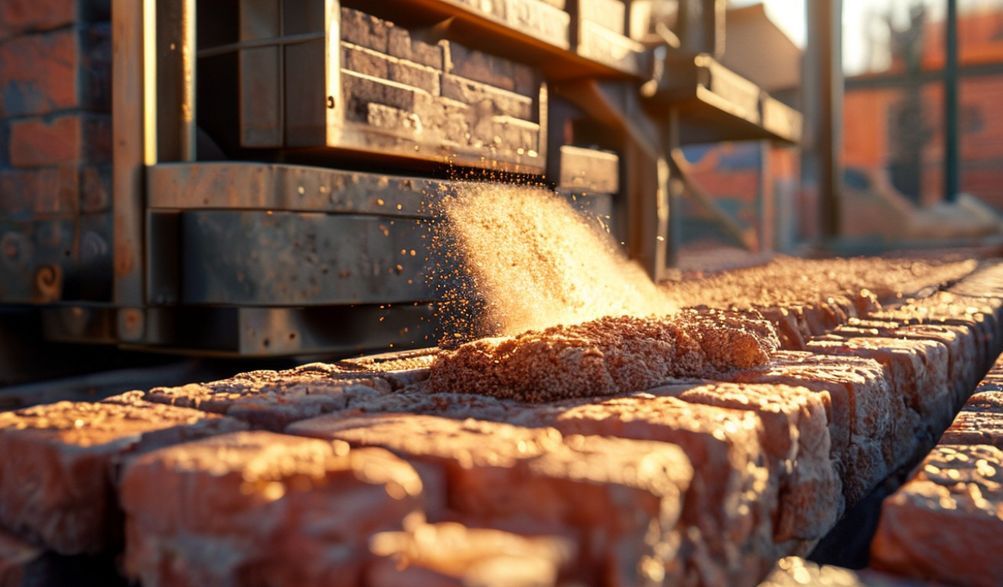
The Ultimate Guide to Solid Brick Machines: Types, Benefits & How to Choose
မိတ်ဆက်
Every builder, contractor, and developer knows the struggle: the relentless pursuit of durable, affordable, and readily available building materials. Delays in supply, fluctuating costs of fired bricks, and concerns over environmental impact can derail a project’s timeline and budget. What if the solution wasn’t just about sourcing better materials, but about producing them yourself, precisely when and where you need them?
Enter the solid brick machine—a transformative piece of technology that is reshaping how construction projects approach one of their most fundamental needs. More than just a tool, it represents a shift towards self-sufficiency, cost control, and sustainable building practices. For entrepreneurs, it opens the door to a viable manufacturing business with steady demand.
This comprehensive guide is built on industry insights, technical analysis, and practical, on-the-ground knowledge. We’ve distilled complex information into a clear roadmap to help you navigate the world of solid brick machines. By the end, you’ll understand the core technology, the different types available, their compelling benefits, and—most importantly—the critical factors to consider when choosing the right machine for your specific goals.
အစိုင်အခဲအုတ်စက်ဆိုတာဘာလဲ။ ဗဟိုနည်းပညာရှင်းပြချက်
At its heart, a solid brick machine is a device that manufactures dense, high-strength bricks or blocks without the need for traditional kiln firing. It replaces the age-old process of molding and baking clay with a more immediate, energy-efficient method of compression.
The Basic Principle: Compression and Hydraulic Force
The core science is straightforward but powerful: compaction through immense pressure.
- လုပ်ငန်းစဉ် Raw material—often soil, clay, stabilized earth (mixed with a small percentage of cement), or industrial by-products like fly ash—is fed into the machine. A hydraulic system (or, in manual machines, a mechanical lever) then exerts extreme force, measured in tons or PSI, onto the material within a confined mold.
- ရလဒ်: This pressure compacts the particles, eliminating air voids and creating a strong mechanical bond. The output is a solid, interlocked brick with significant structural integrity, ready for use after a short curing period. This method is often called “cold pressing” or “hydraulic pressing.”
စံပြစက်ယန္တရား၏ အဓိက အစိတ်အပိုင်းများ
While designs vary, most machines share these fundamental parts:
- ဟော့ပါး The entry point where raw material is loaded.
- မှိုတက်မှာလား သေမှာလား A precision-engineered chamber that defines the brick’s shape, size, and texture. Interchangeable molds allow one machine to produce different brick types.
- ဟိုက်ဒရောလစ်စနစ် The powerhouse. It comprises a pump, cylinders, and valves to generate and control the pressing force. The system’s capacity is a primary indicator of the machine’s capability.
- ကွန်ထရိုးပါနယ် (On automatic/semi-automatic models) Allows the operator to set pressure, cycle time, and other parameters for consistent production.
- ထွက်ခွာရေးစနစ် Mechanically or hydraulically pushes the finished brick out of the mold.
Types of Solid Brick Machines: Finding the Right Fit
Selecting the right machine is a balance between your production goals, budget, and available labor. The market offers a spectrum from simple manual presses to fully automated factories.
Manual Brick Press Machines
Ideal for entry-level users, community projects, or very small-scale construction.
- စစ်ဆင်ရေး Relies on human leverage (a long handle or flywheel) to generate compression force.
- ထွက်ရန် Typically produces 300-800 bricks per day, depending on operator skill and stamina.
- အားသာချက်များ Very low initial investment, minimal maintenance, no power required, highly portable.
- အားနည်းချက်များ Labor-intensive, lower and less consistent output, physical strain on operators, limited by brick size/strength.
- အကောင်းဆုံးဖြစ်သည်။ Startups testing the market, individual homeowners, NGOs in remote areas, and producing bricks for small structures like sheds or boundary walls.
အခွင့်အာဏာပိုင်စက်များဖြင့် အုတ်ထုတ်လုပ်ခြင်း စက်များ
This category offers the sweet spot for many growing businesses and medium-scale construction projects by automating the most strenuous parts of the process.
- စစ်ဆင်ရေး The compression is powered (by electricity or diesel), but feeding raw material or removing finished bricks may require some manual intervention. They often feature a single hydraulic system that automates the press and ejection.
- ထွက်ရန် Can range from 1,500 to 6,000 bricks per 8-hour shift, a significant leap from manual presses.
- အားသာချက်များ Excellent balance of output and cost, consistent brick quality due to uniform pressure, reduces physical labor, good return on investment.
- အားနည်းချက်များ Higher upfront cost than manual presses, requires a power source, needs basic operational training.
- အကောင်းဆုံးဖြစ်သည်။ Small to medium brick manufacturing businesses, contractors undertaking housing projects, and construction companies looking for on-site production.
Fully Automatic Brick Production Lines
These are industrial-grade systems designed for high-volume, commercial brick manufacturing with minimal manual labor.
- စစ်ဆင်ရေး An integrated line that automates the entire process: raw material mixing and conveying, precise feeding into the press, high-tonnage compression, automatic brick ejection, stacking, and even palletizing. Often controlled by a central PLC (Programmable Logic Controller).
- ထွက်ရန် Can exceed 10,000 bricks per shift, with some large lines producing over 50,000.
- အားသာချက်များ Maximum production efficiency, lowest labor cost per brick, exceptional consistency and quality control, scalable output.
- အားနည်းချက်များ Very high capital investment, requires significant space and infrastructure, needs skilled technicians for operation and maintenance.
- အကောင်းဆုံးဖြစ်သည်။ Large-scale brick manufacturing plants, industrial projects with massive material needs, and entrepreneurs targeting major supply contracts.
Top 5 Benefits of Using a Solid Brick Machine
The move to machine-made solid bricks isn’t just about convenience; it delivers tangible, bottom-line advantages.
Unmatched Cost Efficiency & ROI
The economics are compelling. By producing bricks on or near the construction site, you eliminate multiple cost layers:
* Slash Transportation Costs: No more paying to ship heavy bricks over long distances.
* ယူနစ်တစ်ခုစီ၏ ကုန်ကျစရိတ် လျော့နည်းခြင်း After the initial investment, the cost of raw materials (often local soil) is minimal. Over time, the machine pays for itself.
* Reduced Waste: Precise production means less breakage and material loss compared to handling and transporting fired bricks.
Superior Strength and Durability
Don’t let the absence of firing fool you. In practice, bricks from a high-pressure machine often rival or exceed the strength of traditional fired clay bricks.
* High Compression Force: Machines applying 15-30+ tons of pressure create an incredibly dense product with excellent load-bearing capacity, suitable for multi-story buildings.
* Weather Resistance: Properly stabilized and cured bricks exhibit low water absorption, enhancing their frost and weather resistance.
Remarkable Production Speed and Consistency
Time is money on any job site. Operators commonly report that a single semi-automatic machine can output in one day what might take a team of manual laborers a week or more.
* Predictable Output: You can accurately forecast material availability, keeping projects on schedule.
* Dimensional Uniformity: Every brick is identical, leading to faster, cleaner construction with less mortar use and a superior finish.
Eco-Friendly and Sustainable Construction
This is a major driver in modern construction. Solid brick machines align perfectly with green building principles.
* Uses Local & Alternative Materials: Primarily utilizes on-site soil or industrial waste like fly ash, reducing quarrying and landfill use.
* Energy Efficient: The “cold process” requires no coal or wood for firing, drastically cutting the carbon footprint.
* Minimal Waste: Any production waste or broken bricks can be crushed and recycled back into the production cycle.
Operational Flexibility and On-Demand Production
Gain control over your supply chain. You are no longer at the mercy of supplier delays or price hikes.
* Produce to Demand: Make bricks as needed, reducing large, costly inventory and storage issues.
* Customize On-Site: Change molds to produce different brick sizes or interlocking designs for specific project phases.
* Remote Site Viability: With a diesel-powered option, you can set up production in areas with no grid electricity, enabling construction in developing regions.
Critical Factors for Choosing Your Solid Brick Machine
Making an informed choice requires honest assessment. Here are the key areas to scrutinize.
Assessing Your Production Requirements
Start by asking the fundamental questions:
* What is my daily or monthly brick requirement? (Be realistic about your project size or market demand).
* What brick size, shape, and finished strength (PSI) are needed? Check local building codes.
* Is this for a one-off project or continuous business? This determines the required machine durability.
Raw Material Compatibility Analysis
The machine must match your dirt. This is a non-negotiable step.
* Soil Testing is Crucial: The clay/silt/sand composition of your local soil determines if it can be used directly or needs stabilization (typically with 5-10% cement).
* Machine Versatility: Can the machine handle additives like fly ash, crushed stone, or a higher cement ratio if needed? Discuss your material with the manufacturer.
Power Source: Electric, Diesel, or Hybrid?
Your site conditions dictate the best option.
* အီလက်ထရွန်းနစ် Cleaner, quieter, and lower operating cost where grid power is stable and available.
* ဒီဇယ် Essential for remote locations or areas with frequent power cuts. Offers total independence but has higher fuel costs and emissions.
* Hybrid: Offers the flexibility to switch between power sources, providing valuable backup.
Budgeting: Machine Cost vs. Long-Term Value
The cheapest machine can be the most expensive in the long run.
* Look Beyond the Price Tag: Consider the cost of wear parts, expected maintenance, and energy consumption.
* Build Quality: A machine with a robust steel frame, quality hydraulic seals, and hardened steel molds will have a much longer lifespan and less downtime.
* စုစုပေါင်းပိုင်ဆိုင်မှုကုန်ကျစရိတ် (TCO) over 3-5 years is a more useful figure than the purchase price alone.
Manufacturer Reputation and After-Sales Support
ဒါကဒီနေရာပါ။trustworthiness and experience in the industry become paramount. Your relationship with the manufacturer is critical.
* Proven Expertise: Choose a supplier with a track record, not just a brochure. Can they provide references or case studies?
* Comprehensive Support: Ensure they offer installation guidance, operator training, and clear manuals.
* Parts & Service Availability: Confirm that wear parts (molds, seals, etc.) are readily available and that technical support is accessible. A long-term warranty is a strong sign of confidence in their product.
Operating and Maintaining Your Machine for Longevity
A well-maintained machine is a productive and safe asset. These practices, drawn from on-site observations, will maximize your investment.
Essential Safety Protocols for Operators
- Always wear safety glasses, gloves, and steel-toe boots.
- Never place hands in the mold area during the compression cycle.
- Ensure all safety guards and emergency stop buttons are functional.
- Lock out the power source before performing any maintenance.
Daily and Weekly Maintenance Checklist
- Daily: Lubricate all moving parts as per the manual. Clean excess material from the mold, hopper, and frame. Check hydraulic oil levels and for any leaks.
- Weekly: Inspect the mold for wear or damage. Tighten any loose bolts and fittings. Check hydraulic hose condition.
Troubleshooting Common Issues
- Bricks Cracking: Often caused by incorrect moisture content in the raw material (too wet or too dry) or excessive pressure. Adjust the water ratio or pressure setting.
- Low Pressure/Weak Bricks: Check hydraulic oil level and for pump issues. Ensure the material is properly graded and not overly sandy.
- Bricks Sticking in the Mold: Usually indicates a worn mold needing repair or replacement, or insufficient mold release agent (often a light oil or water mist).
Frequently Asked Questions (FAQ) About Solid Brick Machines
Q: What is the typical lifespan of a solid brick machine?
က: With proper maintenance and operation, a well-built machine can last 10 to 20 years. The longevity heavily depends on build quality, maintenance rigor, and production volume.
Q: Can I use ordinary soil from my site, or does it need treatment?
က: You can often use on-site soil, but it usually requires testing and stabilization. Most soils need a stabilizer like Portland cement (typically 5-10%) to achieve waterproofing and required strength. Pure sandy or organic soil may not be suitable.
Q: How much skilled labor is required to operate a semi-automatic machine?
က: A semi-automatic machine can typically be operated by 2-3 people with basic training. One person may feed material, while another handles brick removal and stacking. Technical troubleshooting requires more familiarity, which good manufacturer training should provide.
Q: What is the approximate payback period for the investment?
က: This varies widely based on machine cost, local brick prices, and production volume. For a small business or contractor, a semi-automatic machine often sees a payback period of 6 to 18 months based on consistent production and sales.
Q: Are the bricks produced waterproof and suitable for foundations?
က: Properly stabilized and cured bricks have low water absorption and are highly durable. They are absolutely suitable for foundations, load-bearing walls, and other structural applications. Always ensure the brick’s compressive strength meets or exceeds the engineering specifications for your project.
နိဂုံး
Investing in a solid brick machine is more than a purchase; it’s a strategic decision towards greater efficiency, control, and sustainability in your building projects or business venture. From the fundamental compression technology to the choice between manual, semi-automatic, and fully automatic systems, the key is to align the machine’s capabilities with your specific production needs, raw materials, and budget.
The journey to successful brick production starts with diligent research and partnering with a reputable and experienced manufacturer. Prioritize suppliers who demonstrate proven expertise, offer comprehensive after-sales support, and are invested in your long-term success. We recommend taking concrete next steps: send your soil sample for a free test analysis, request live equipment demonstrations, and consult directly with technical experts to get your specific questions answered.
Ready to transform your construction approach or launch your manufacturing business? Contact our team of specialists today for a personalized consultation and a detailed specification sheet tailored to your requirements.
<