
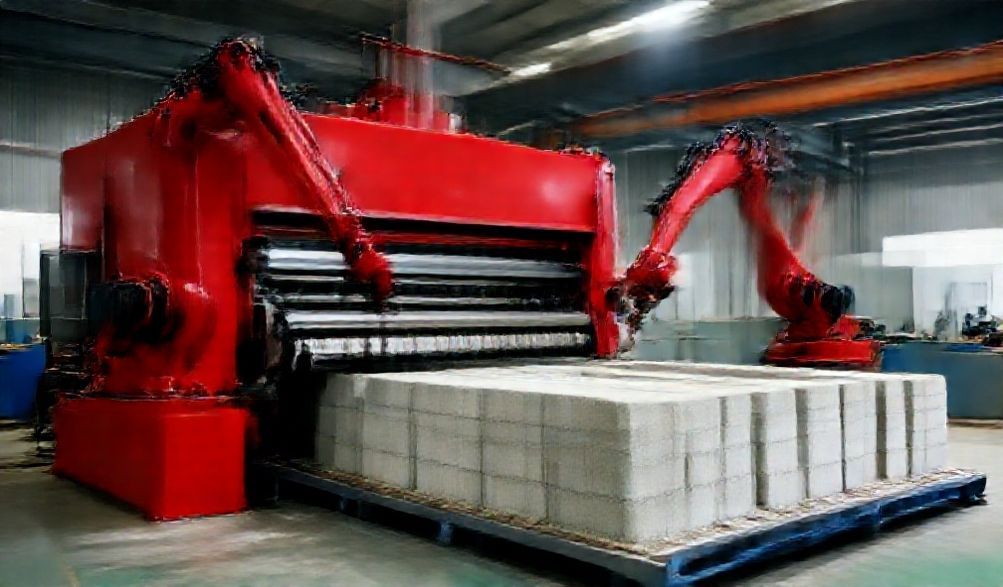
The Ultimate Guide to the QT10-15 Automatic Brick Making Machine: Wholesale Insights from FUDA Factory
မိတ်ဆက်
The global construction industry is in a perpetual race. A race to build faster, smarter, and more affordably. At the heart of this race lies a fundamental need: a consistent, high-quality supply of building blocks. For entrepreneurs, construction firms, and wholesalers looking to secure their own supply or launch a lucrative brick manufacturing business, the choice of machinery is the single most critical decision. Enter the world of automated brick production, where efficiency meets economy.
This guide focuses on a standout champion in this arena: the QT10-15 automatic brick making machine. Renowned for its robust output, intelligent automation, and exceptional value, this model represents a sweet spot for medium to large-scale production. Our analysis is built on a thorough review of industry trends, deep dives into technical specifications, and an understanding of the complex B2B machinery procurement journey. This isn’t just a product overview; it’s a strategic resource designed to equip wholesalers and business investors with the knowledge needed to make a confident, informed decision.
As a prominent name in construction machinery manufacturing, the ဖူဒါ အုတ်လုပ်ငန်း has established itself as a key source for this technology. This guide will dissect the china wholesale qt10-15 brick making machine automatic-FUDA brick making factory proposition, balancing its notable advantages with the crucial due diligence required in international trade. We are committed to providing factual, balanced insights to guide your purchasing process, always noting that final specifications, pricing, and terms must be confirmed through direct factory consultation.
ဤလမ်းညွှန်အဆုံးသတ်တွင် သင်နားလည်ရမည့်အချက်များ
* The core technical capabilities and automation level of the QT10-15.
* The tangible benefits of sourcing wholesale directly from a manufacturer.
* A detailed breakdown of features that impact your return on investment.
* A practical checklist for vetting suppliers and evaluating total costs.
* Key considerations for installation, operation, and after-sales support.
Understanding the QT10-15 Automatic Brick Making Machine
What is the QT10-15 Machine? Core Function and Design
At its core, the QT10-15 is a fully hydraulic, automatic stationary block-making machine. It’s engineered for stability and continuous production. The “QT” series designation is widely recognized in the industry, with the numbers often relating to its production capacity in blocks per shift.
The machine is designed as a complete system. It typically integrates a mixer, a belt conveyor, a host molding machine, a pallet feeder, and a brick stacker. Its primary function is to transform raw, readily available materials—like cement, fly ash, sand, and stone dust—into high-density, precisely formed construction products. It operates on a pallet-based system, where a steel pallet carries the molded block through the curing and stacking process.
Key Technical Specifications and Production Capacity
Understanding the specs is key to planning your project. Here are the typical core specifications for a standard QT10-15 model:
- ပါဝါ Approximately 40-45 kW (depending on configuration).
- Molding Cycle: 10-15 seconds, which drives its high output.
- ပလပ်စတစ်ပလက်တင် အရွယ်အစား Standard is 1100×540 mm, suitable for a wide array of block sizes.
- Molding Pressure: High hydraulic pressure ensures block density and strength.
- Machine Weight: ~10,000 kg, indicating its robust, industrial-grade construction.
- အတိုင်းအတာများ Requires a plant space of approximately 60m x 15m for smooth operation, including curing area.
The most critical spec: Production Output.
For a standard 400mm x 200mm x 200mm hollow block, the QT10-15 can produce approximately 12,000 to 15,000 pieces in an 8-hour shift under optimal conditions. This output is what makes it a favorite for businesses targeting serious market supply or large-scale projects.
Level of Automation: What “Automatic” Really Means
“Automatic” in this context signifies a significant reduction in manual labor and a major boost in consistency. It’s crucial to differentiate it from semi-automatic (requiring manual feeding or block removal) and manual machines.
In the QT10-15, automation typically covers:
1. အစုလိုက် ရောနှောခြင်းနှင့် ရောစပ်ခြင်း Raw materials are proportioned and mixed uniformly without constant operator intervention.
2. ပုံသွင်းခြင်း The hydraulic system automatically compresses the mix into the mold with precise pressure and vibration.
3. Pallet Feeding & Block Ejection: The system automatically feeds empty pallets and ejects finished blocks onto them.
4. အထပ်လိုက်ထည့်သွင်းခြင်း An automatic stacker lifts and arranges the cured blocks onto racks or carts, ready for transportation.
This integrated automation directly translates to lower labor costs (often requiring only 3-5 personnel per shift) and a dramatically more consistent product quality, batch after batch.
Why Source from a China Wholesale Supplier Like FUDA?
The Cost-Benefit Advantage of Wholesale Direct
China has solidified its position as the world’s workshop for industrial machinery, and construction equipment is no exception. Sourcing wholesale directly from a factory like FUDA offers a compelling cost-benefit advantage.
- Eliminated Intermediary Margins: Purchasing directly from the manufacturer removes the markups added by local distributors or trading companies.
- စီးပွားရေးအရ စကေးအကျိုးကျေးဇူး Large-scale manufacturers benefit from bulk purchasing of components and optimized production lines, savings they can pass on.
- Advanced Technology at Competitive Price: You gain access to modern, automated technology (like PLC control systems) at a price point often unmatched by domestic suppliers in many regions.
The value proposition isn’t just about a lower sticker price; it’s about acquiring higher-capacity, more productive technology for your investment dollar.
FUDA Factory’s Role in Manufacturing and Quality Control
An established factory like FUDA brings institutional expertise to the table. As a specialized manufacturer, their entire process is geared towards building brick-making machinery.
A reputable factory will have structured processes:
* Standardized Production Lines: For models like the QT10-15, this ensures consistency in build quality.
* အရည်အသွေးထိန်းချုပ်မှု စစ်ဆေးချက်များ This should occur at multiple stages: incoming parts inspection, in-process assembly checks, and a final comprehensive performance test before shipment.
* Use of Standard Components: Machines built with widely available brand-name components (for bearings, hydraulics, PLCs) simplify future maintenance and spare parts sourcing globally.
Navigating the Wholesale Process: From Inquiry to Delivery
Understanding the standard workflow demystifies international procurement:
- Inquiry (RFQ): You provide your detailed requirements (block types, desired output, voltage).
- Quotation & Negotiation: The factory provides a proforma invoice detailing price, specs, and terms. Negotiate Incoterms (FOB, CIF), payment (typically 30% T/T deposit, 70% before shipment), and warranty.
- Production & Inspection: Upon deposit, production begins. This is the time to arrange a third-party inspection.
- Shipping & Logistics: The factory arranges loading. For FOB, you handle sea freight from the Chinese port. For CIF, they quote to your nearest port.
- Customs Clearance & Delivery: You manage import duties and inland transportation from your destination port.
- After-sales: Installation support (remote or on-site), training, and spare parts supply commence.
Critical Features and Benefits for Your Business
High Efficiency and Robust Output for ROI
The QT10-15 is an investment, and its return is measured in blocks produced. Its high cycle speed and reliable hydraulic system are engineered for continuous operation, minimizing downtime.
- အဆင့်မြှင့်နိုင်မှု The output allows you to service large contracts or supply multiple construction sites simultaneously.
- ခံနိုင်ရည် The heavy-duty steel frame and industrial components are built for a long operational lifespan, protecting your capital.
- Fast Payback Period: For businesses with steady demand, the combination of high output and lower labor costs can lead to a relatively quick return on investment.
ကုန်ပစ္စည်းအမျိုးအစားများတွင် စွမ်းဆောင်ရည်စုံလင်ခြင်း
This machine is not a one-trick pony. Its true power lies in its mold-based system. By investing in different mold sets, you can diversify your product catalog to meet market demands:
- အစိုင်အခဲနှင့် အခေါင်းပေါက် ဘလောက်များ Standard construction blocks in various sizes and void percentages.
- အပြန်အလှန်ချိတ်ဆက်ထားသော ကြွေပြားများ For landscaping, driveways, and walkways.
- Curbs, Kerbstones, and Garden Edging.
- အထူးပုံစံများ Some suppliers offer custom mold design.
This versatility allows you to pivot with market trends and maximize the utility of your machinery investment.
Ease of Operation and Maintenance
Automation shouldn’t mean complexity. A well-designed QT10-15 prioritizes user-friendliness.
- PLC ထိန်းချုပ်စနစ် The programmable logic controller is the machine’s brain, offering an intuitive interface (often a touchscreen) for operators to set parameters and monitor operations.
- ကျယ်ပြန့်သော လေ့ကျင့်မှု Reliable suppliers provide detailed operation manuals, electrical diagrams, and video tutorials. On-site or video call training is a standard expectation.
- Accessible Maintenance: Design should allow for easy access to key components like the hydraulic system and vibrators. A clear spare parts list with common item codes is essential for smooth long-term upkeep.
Making an Informed Wholesale Purchase Decision
Pre-Purchase Checklist: Questions to Ask Your Supplier
Go beyond the sales brochure. Use these questions to gauge professionalism and service quality:
- “Can you provide a detailed list of all brand-name components used (hydraulic pump, PLC, bearings)?”
- “What is the exact warranty period and what does it cover? What is excluded?”
- “Do you provide a complete spare parts list with codes? What is your standard lead time for shipping spare parts?”
- “What documentation is included? (English manuals, electrical schematics, foundation drawings)”
- “What are the options for installation support? Is on-site technician dispatch available, and at what cost?”
- “Can the machine be customized for our local voltage (e.g., 415V/50Hz)?”
Evaluating Total Cost of Ownership (Beyond the Sticker Price)
The machine price is just the beginning. A savvy buyer budgets for the complete picture:
- Upfront Costs: Shipping & insurance, import duties & taxes, cost of a concrete foundation, electrical and water hookup, initial raw material stockpile.
- စစ်ဆင်ရေးကုန်ကျစရိတ်များ Electricity consumption, routine maintenance supplies, wear parts (mold liners, pallets), labor.
- Contingency Costs: Budget for unexpected spare parts and potential technical support fees.
The Importance of Factory Visits and Third-Party Inspection
If physically possible, visiting the factory is invaluable. You can assess build quality, workshop organization, and ask direct questions. If travel isn’t feasible, insist on a live video tour of the production facility and a running machine.
For absolute peace of mind, hire a third-party inspection company (like SGS, BV, or Intertek) to conduct a pre-shipment inspection. They will verify materials, workmanship, assembly, and performance against the agreed specifications, protecting your investment before it leaves China.
Installation, Operation, and After-Sales Support
Setting Up Your QT10-15 for Optimal Performance
Proper installation is foundational. The factory should provide detailed civil drawings for the machine foundation, which must be level and capable of handling significant vibration.
- Space Planning: Ensure your plant layout accommodates the machine, raw material storage, mixing area, curing racks, and finished product storage.
- Utility Hookup: Confirm power supply matches the machine’s requirements. Plan for a reliable water source for the mixing process.
- နည်းပညာအထောက်အပံ့ Clarify the level of installation support. Will they provide remote video guidance, or can you contract their technicians to travel for on-site setup and training?
Securing Reliable After-Sales Service and Technical Support
The relationship with your supplier truly begins after the machine arrives. Define “after-sales service” clearly before ordering.
- Remote Support: The supplier should be responsive via WhatsApp, email, or video call to troubleshoot operational issues.
- Documentation & Training: High-quality, translated manuals and video guides are non-negotiable.
- Spare Parts Supply Chain: This is critical. Ensure they have (or can source) key spare parts and understand the shipping methods and costs to your location. A 24-hour breakdown should not mean a 3-month wait for a proprietary part.
FAQ Section
Q1: What is the exact production output of the QT10-15 per day?
A: The output varies based on block type and size. For a standard 400x200x200mm hollow block, it can produce approximately 12,000 – 15,000 pieces in an 8-hour shift under optimal conditions. Smaller, solid blocks will yield a higher count.
Q2: What raw materials can the QT10-15 use?
A: It is designed for cement-based products. Common materials include Portland cement, sand (river sand or crushed stone sand), stone chips (3-8mm), industrial waste like fly ash or slag powder, and water. The specific mix ratio is crucial for final block strength and quality.
Q3: Does the FUDA factory provide installation guidance and training?
A: Reputable manufacturers like FUDA typically provide detailed installation manuals, electrical diagrams, foundation drawings, and video guides. On-site technician dispatch is often negotiable for an additional fee, and remote video training is a common and expected service included in the purchase.
Q4: What is the lead time for a wholesale order?
A: Lead time depends on the factory’s production schedule and any customizations. For standard QT10-15 models, it typically ranges from 25 to 45 days after deposit confirmation, excluding international shipping time.
Q5: How do we handle machine breakdowns or spare parts needs?
A: Before purchasing, confirm the supplier’s specific after-sales policy. Ensure they provide a comprehensive parts manual with item codes and exploded-view diagrams. Reliable suppliers maintain an inventory of critical spare parts and can ship them via express air freight for urgent needs or sea freight for cost-effective larger orders.
နိဂုံး
The QT10-15 automatic brick making machine stands as a formidable solution for businesses aiming to secure a high-volume, consistent, and profitable brick production capability. Its blend of robust output, true automation, and product versatility makes it a strategic asset in the construction materials sector.
Sourcing this technology through a china wholesale qt10-15 brick making machine automatic-FUDA brick making factory channel presents a clear value proposition: accessing advanced industrial machinery at a highly competitive price point through direct manufacturer engagement. However, this opportunity must be paired with diligent partnership building.
As your final takeaway, let this guide serve as your framework for action. Success hinges on thorough due diligence. Verify factory credentials through business licenses and past customer references. Request and compare detailed quotations. Clarify every term related to payment, warranty, and support. Use the checklist provided to separate marketing promises from operational reality.
Begin your journey by requesting a customized quotation from shortlisted factories like FUDA, specifying your local requirements and project goals. An informed investment today lays the foundation for a stronger, more self-reliant business tomorrow.
<