A Comprehensive Guide to Interlocking Block Machinery
Defining the Technology: Beyond Conventional Block Making
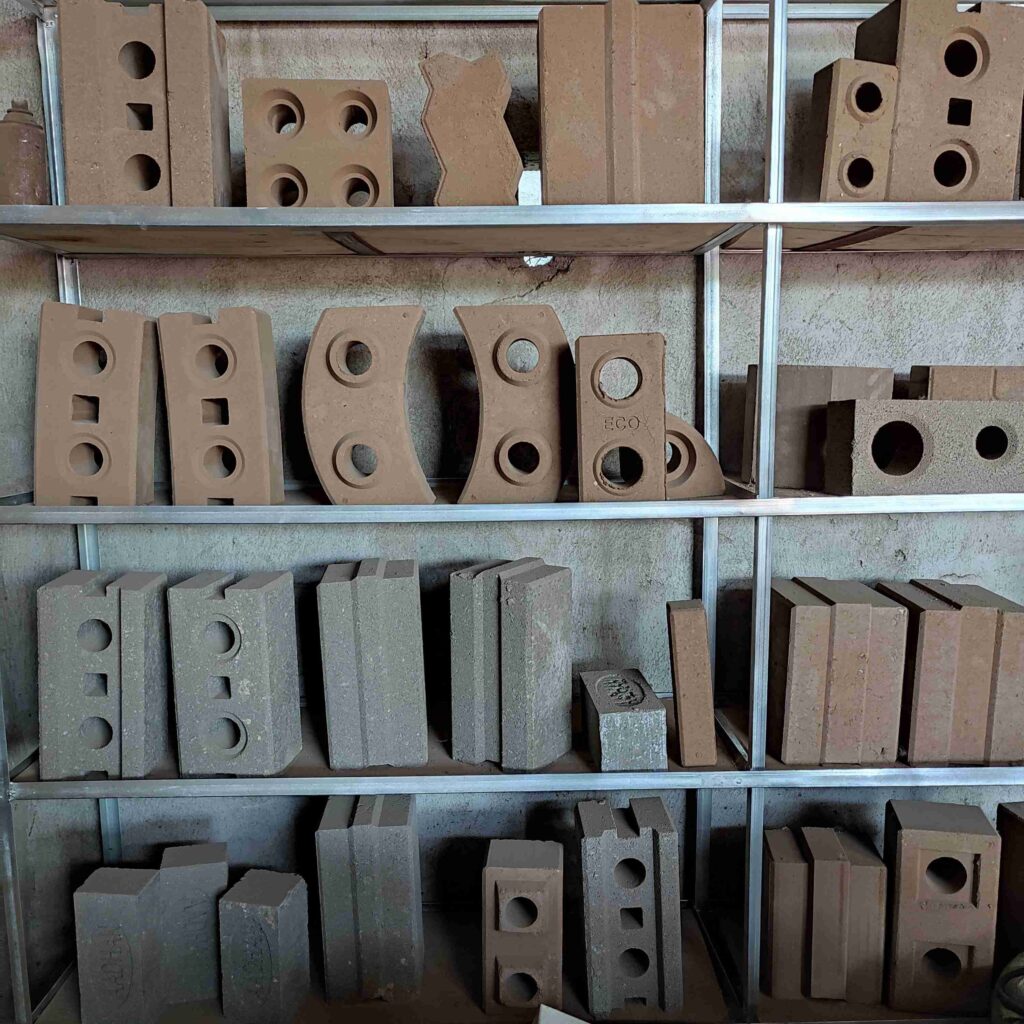
An interlocking block machine is a specialized type of block production equipment engineered to manufacture concrete or soil-cement units featuring integral, precision-formed alignment systems. These systems typically consist of geometric protrusions (knobs, keys, or tongues) and corresponding indentations (grooves, sockets, or recesses) on the top, bottom, and sides of each block. The core innovation lies in this design: when stacked, the blocks mechanically lock together, creating stable, aligned walls without the continuous horizontal mortar joints that characterize conventional masonry.
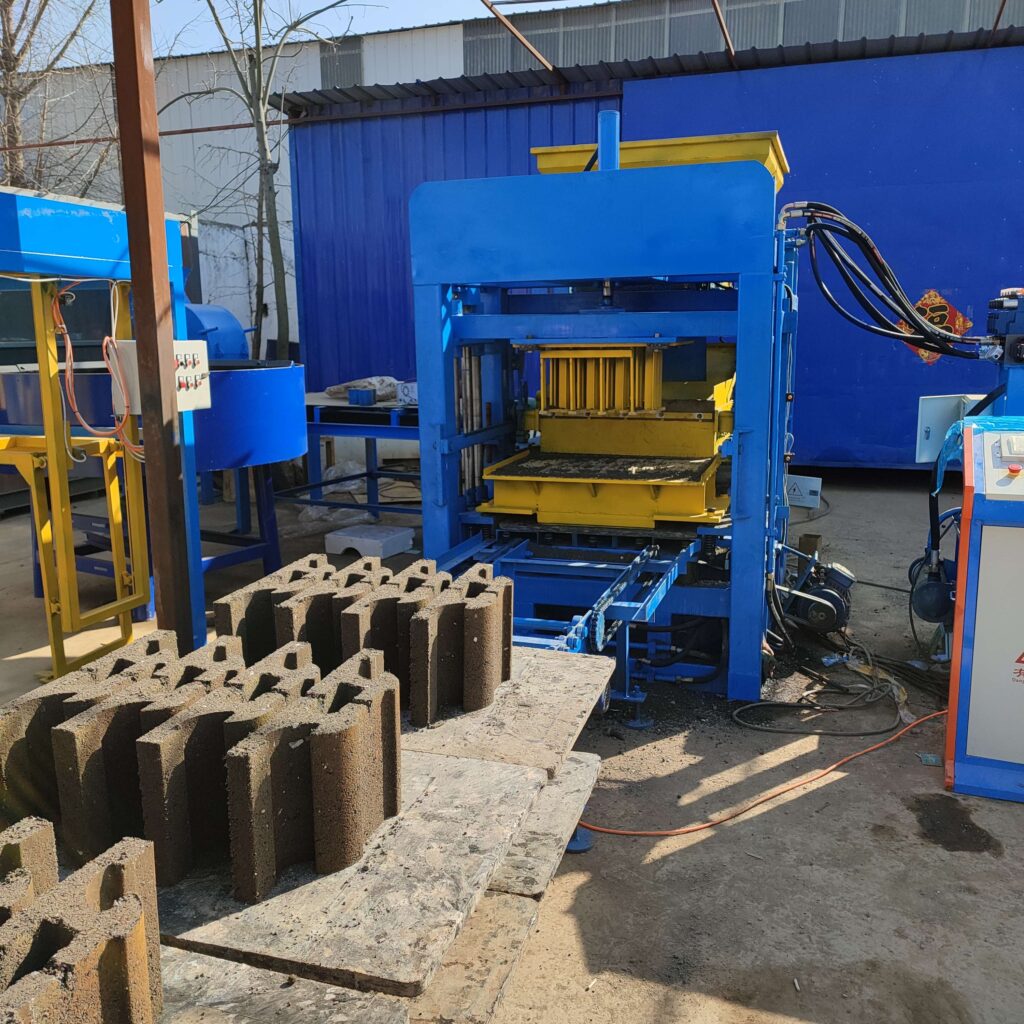
This demands a machine of exceptional precision. Tolerances for interlocking features are far stricter than for standard blocks, as inaccuracies of even a millimeter can compromise the entire wall’s alignment and structural integrity. Consequently, these machines incorporate advanced molding technology, high-pressure compaction systems (often hydraulic), and robust control mechanisms to ensure each unit is a perfect replica of the last. The product is not just a building component; it is part of a integrated dry-stack or thin-mortar construction system that offers distinct advantages in speed, cost, and labor skill requirements.
Core Operational Principles and Machine Design
The manufacturing process for interlocking blocks shares the basic stages of standard block production—feeding, compacting, molding, and ejecting—but with critical enhancements to achieve the necessary precision and feature complexity.
Precision Mold and Core Systems
The heart of the machine is its mold, which is exponentially more complex than a standard rectangular box.
- Multi-Part Mold Assemblies: To form the undercuts and intricate geometries of the interlocks, molds often employ sophisticated core-pulling mechanisms. Side cores may retract horizontally, and top cores may lift at precise angles to release the block without damaging the delicate features.
- High-Wear Material Specifications: Given the complex shapes and need for absolute dimensional stability, mold liners and cores are fabricated from premium through-hardened or case-hardened alloy steels. This ensures longevity and consistent block quality over hundreds of thousands of cycles.
- Advanced Release Systems: To prevent the freshly pressed block from sticking in the intricate mold, systems may include pneumatic or hydraulic ejector pins, specialized vibration sequences, or surface treatments on the mold walls.
High-Pressure Compaction for Dimensional Stability
The interlocking principle relies on consistent block size. Any significant variation due to poor compaction or spring-back will cause misalignment.
- Hydraulic Press Dominance: The vast majority of interlocking block machines utilize high-tonnage hydraulic presses. The intense, controllable pressure ensures maximum density, minimizes the “elastic recovery” or spring-back of the concrete after ejection, and guarantees that every block shrinks uniformly during curing.
- Dual Vibration and Pressure: Like high-end standard block machines, they combine controlled vibration to settle the mix with static pressure to achieve final density. The synchronization of these forces is crucial for filling the complex mold features completely.
Integrated Quality Assurance
Given the critical nature of tolerances, many advanced machines feature integrated check systems.
- Pallet Positioning Sensors: Ensure every pallet is placed with micron-level accuracy before the mold closes, as misplacement would distort the block’s base.
- Pressure and Cycle Monitoring: The PLC continuously monitors compaction pressure and cycle times, rejecting a cycle or alerting the operator if parameters fall outside a set window, indicating a potential fault in material feed or system performance.
The Product Spectrum: Types of Interlocking Blocks Produced
The machinery is designed around specific block profiles, each suited to particular construction applications.
Vertical Interlock Systems
The most common type, designed primarily for load-bearing wall construction.
- Shear Key Design: Blocks have a patterned top and bottom surface (e.g., a series of knobs and cavities). When stacked, these keys transfer vertical load and prevent horizontal displacement (shear). This design is ideal for single-wythe structural walls in residential and low-rise commercial buildings.
- Pinned Systems: Some blocks are produced with vertical holes that align when stacked. Steel reinforcing bars can be inserted into these channels, which are then grouted solid, combining the speed of dry-stacking with the strength of reinforced masonry.
Horizontal Interlock Systems
Focus on creating a mechanical bond between blocks in the same course.
- Lego®-Style Design: Blocks feature side protrusions and sockets that snap together laterally. This is particularly valuable for retaining walls, landscape edging, and non-load-bearing partitions, as it provides immediate stability during construction without waiting for adhesive or mortar to set.
Combined 3D Interlock Systems
The most advanced type, incorporating both vertical and horizontal interlocks.
- Omni-Directional Locking: These blocks interlock on all faces—up, down, left, and right—creating an incredibly stable, monolithic wall structure once assembled. They represent the pinnacle of dry-stack masonry technology, offering high seismic and lateral load resistance.
Strategic Advantages for the Construction Market
The adoption of interlocking block systems, enabled by this specialized machinery, delivers transformative benefits across the project lifecycle.
Dramatically Accelerated Construction Speed
- Elimination of Mortar Joints: The most time-consuming aspect of traditional bricklaying—spreading mortar and aligning each unit—is removed. Workers simply place and tap blocks together.
- Reduced Skill Dependency: The interlocking guides make proper alignment almost intuitive, reducing the need for highly skilled masons and allowing for a faster-trained workforce.
- All-Weather Construction: Without wet mortar, construction is less susceptible to delays from cold or damp weather.
Enhanced Structural and Thermal Performance
- Inherent Alignment: The mechanical lock ensures perfect plumb and level walls as they rise, reducing errors.
- Continuous Insulation: Without thick mortar joints that act as thermal bridges, walls built with interlocking blocks can have significantly better and more uniform thermal insulation properties.
- Grout-Core Reinforcing: For pinned systems, the continuous vertical cavities allow for easy integration of rebar and high-strength grout, creating a reinforced concrete column within the wall at precise intervals.
Economic Efficiency and Sustainability
- Material Savings: Elimination of approximately 90% of mortar usage translates to direct cost savings on materials, transport, and site storage.
- Labor Cost Reduction: Construction speed directly reduces on-site labor costs, a major factor in project budgets.
- Waste Minimization: Precise manufacturing and construction result in virtually no cut waste or mortar spoilage on-site.
- Potential for Localized Production: The systems are ideal for on-site or near-site production using local soils or aggregates, further reducing transport carbon footprint and supporting local economies.
Implications for Equipment Distributors and the Supply Chain
For industry professionals, the rise of interlocking block technology presents distinct opportunities and considerations.
- Consultative Selling: Success requires selling a construction system, not just a machine. Distributors must understand building codes, reinforcement strategies, and architectural details related to interlocking block walls.
- Training as a Value-Added Service: Offering comprehensive training on machine operation, mix design for interlocking blocks, and basic construction techniques becomes a critical differentiator and revenue stream.
- Partnership with System Providers: Aligning with companies that provide full architectural plans, engineering details, and construction manuals for their block profiles creates a powerful, turnkey offering for clients.
- After-Sales Support Complexity: The precision nature of the machinery necessitates a higher level of technical support, readily available spare parts for complex molds, and potentially remote diagnostics to minimize downtime.
နိဂုံး
The interlocking block machine is far more than a piece of factory equipment; it is the genesis of a streamlined, efficient, and robust construction methodology. By producing precision-engineered units that marry at the point of assembly, this technology addresses some of the most persistent challenges in traditional masonry: speed, cost, skill dependency, and material waste. For the forward-thinking distributor or procurement expert, embracing this technology signifies a move beyond commodity equipment into the realm of solution-based innovation.
Mastering the intricacies of interlocking block machinery allows you to guide clients toward investments that do not just replace old production capacity but open doors to entirely new market opportunities—from disaster-relief housing and affordable development to high-performance architectural walls. In an industry increasingly pressured to build faster, better, and greener, the interlocking block machine stands as a testament to intelligent engineering, and your expertise in it positions you at the vanguard of construction’s future. The blocks it produces interlock to form walls; your knowledge and support interlock to build successful, future-ready businesses.
FAQ
Q1: Are walls built with interlocking blocks as strong as traditional mortared walls?
A: When properly engineered and constructed, they can be equally strong or stronger. The key is in the system design. For load-bearing walls, the interlock transfers compressive load efficiently. Many systems are designed to be grouted and reinforced, where the hollow cores are filled with concrete and rebar, creating a reinforced concrete matrix that often exceeds the strength of conventional masonry. The structural performance is certified through engineering tests and must comply with local building codes, which any reputable system provider will have addressed.
Q2: What type of concrete mix is required, and is it different from standard blocks?
A: The mix is often more precise and may have different requirements. A well-graded, consistent aggregate is crucial to ensure the intricate mold features fill completely. The water-cement ratio is tightly controlled to achieve high strength and minimal shrinkage. Some systems may use a slightly sand-rich mix for optimal surface finish on the interlocking features. The machine manufacturer or block system designer will provide a certified mix design that is essential to follow.
Q3: Can these blocks be used for curved walls or architectural features?
A: Yes, but this depends on the specific block design. Some systems offer specialized radial or corner blocks designed for constructing curves, arches, and pillars. The versatility varies by system, so it’s important to review the available block profiles from the system provider. Standard straight blocks are not suitable for curves.
Q4: How does plumbing and electrical conduit get installed in a dry-stack interlocking wall?
A: This is a common consideration. The installation is straightforward and often faster than in traditional masonry. For electrical conduit and smaller pipes, channels can be easily cut into the block faces using a power grinder or saw before or after stacking. For larger plumbing, blocks in a course can be omitted to create a chase, which is later boxed in. The absence of mortar makes cutting and channeling cleaner and easier.
Q5: Is the initial investment in an interlocking block machine significantly higher than for a standard block machine of similar output?
A: Typically, yes. The increased cost reflects the higher precision engineering, more complex mold technology, and advanced control systems required. However, the investment must be evaluated against the total value proposition. The machine enables the production of a higher-value product that sells at a premium due to its labor-saving benefits for the end-user (the builder). The business case is based on selling a construction system, not a commodity block. The return on investment is often attractive when marketing and sales are aligned with the system’s unique advantages.