
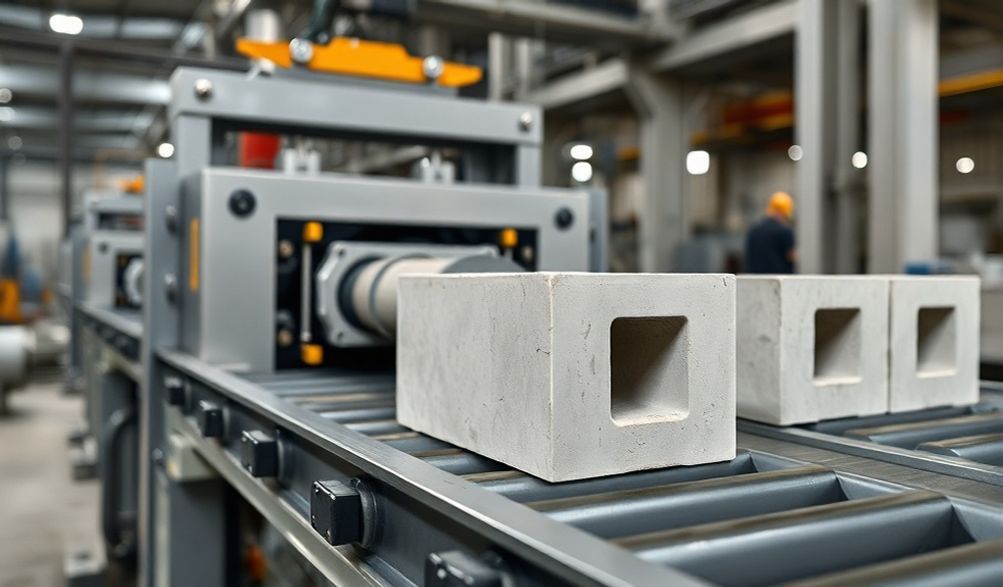
The Ultimate Guide to Block Moulding Machines: Powering Modern Construction
မိတ်ဆက်
In the world of construction and manufacturing, efficiency and consistency aren’t just advantages—they’re necessities. At the heart of producing the very building blocks of our infrastructure lies a pivotal piece of equipment: the block moulding machine. These machines have revolutionized how we create concrete blocks, paving stones, and masonry units, transforming a labor-intensive, variable process into a streamlined, high-output operation.
Whether you’re a contractor managing a large-scale development, an entrepreneur launching a block supply business, or a civil engineer overseeing infrastructure projects, understanding this technology is paramount. The right machine can be the engine of your profitability and productivity, while the wrong choice can lead to costly downtime and subpar materials. This comprehensive guide synthesizes industry expertise to provide a clear, trustworthy roadmap. We’ll dissect the types of machines, their applications, and the critical factors in choosing one, empowering you to make an informed investment that delivers lasting value and performance.
Understanding Block Moulding Machines
What is a Block Moulding Machine?
A block moulding machine is a mechanical device engineered to fabricate concrete blocks by compacting a mixture of cement, sand, aggregate (like gravel or crushed stone), and water into specific, uniform shapes within a mould. This process automates what was historically done by hand in wooden frames, bringing unprecedented levels of speed, precision, and repeatability to block production.
The core value proposition is standardization. By controlling pressure, vibration, and mix composition, these machines produce blocks with consistent dimensions, density, and compressive strength—critical factors for structural integrity and compliance with building codes.
The Core Working Principle
The operation follows a cyclical process, though the level of automation within that cycle defines the machine type. The fundamental steps are:
- Mould Filling: The prepared concrete mix is fed into a hollow mould cavity of the desired shape (e.g., hollow block, solid block).
- သိပ်သည်းခြင်း High pressure is applied to compress the mix. This is achieved through:
- တုန်ခါမှု High-frequency vibrations shake the particles into a tight arrangement, removing air pockets.
- ဟိုက်ဒရောလစ် ဖိအား A hydraulic ram exerts tremendous force from above (or sometimes below) to compress the mix.
- A Combination: Most modern machines use both vibration and hydraulic pressure for optimal density and strength.
- ထွက်ခွာခြင်း The newly formed, compacted block is pushed out of the mould onto a pallet, conveyor belt, or curing area.
- ကုသခြင်း The block is left to harden and gain strength, often in a controlled environment, before being used in construction.
The speed and efficiency of this “fill-compact-eject” cycle directly determine the machine’s output capacity.
Types of Block Moulding Machines
Choosing a machine starts with understanding the spectrum of available technology, from simple manual units to fully automated production lines.
Manual Block Moulding Machines
- Operation & Characteristics: These are the most basic type, relying almost entirely on human labor. Operators manually mix the concrete, fill the mould, and use a lever mechanism to apply compression force. Ejection is also typically manual.
- အကောင်းဆုံးဖြစ်သည်။ Extremely small-scale projects, individual homeowners, DIY enthusiasts, or regions with very limited access to capital and unreliable electricity.
- အကျိုးရှိခြင်းနှင့် အကျိုးမရှိခြင်း
- အားသာချက်များ Very low initial cost, simple design with minimal maintenance, no power requirement.
- အားနည်းချက်များ Very low output (200-500 blocks per day), highly labor-intensive, product quality and consistency depend heavily on operator skill, physically demanding work.
Semi-Automatic Block Moulding Machines
- Operation & Characteristics: This category strikes a balance. While raw material feeding is often manual, the compression (via an electric vibration motor and/or hydraulic system) and ejection cycles are automated. They are usually electrically powered and may include a simple control panel.
- အကောင်းဆုံးဖြစ်သည်။ Small to medium-sized businesses, start-up block manufacturing enterprises, and contractors with steady, moderate demand.
- အကျိုးရှိခြင်းနှင့် အကျိုးမရှိခြင်း
- အားသာချက်များ Significantly higher and more consistent output than manual machines, better block density and strength, reasonable cost-to-output ratio.
- အားနည်းချက်များ Still requires manual labor for feeding and sometimes pallet handling, output is limited by the speed of manual operations.
Fully Automatic Block Moulding Machines
- Operation & Characteristics: These are industrial-grade production plants. They feature automated systems for material feeding (from a mixer via conveyor), precise mould filling, high-pressure compaction, ejection, and even block stacking or palletizing. They are controlled by sophisticated Programmable Logic Controllers (PLC).
- အကောင်းဆုံးဖြစ်သည်။ Large-scale commercial block production plants, major construction projects with on-site batching plants, and industrial manufacturers supplying regional markets.
- အကျိုးရှိခြင်းနှင့် အကျိုးမရှိခြင်း
- အားသာချက်များ Exceptionally high output (thousands of blocks per shift), unparalleled consistency and quality, dramatically reduced labor costs, high level of process control.
- အားနည်းချက်များ Very high initial capital investment, requires significant space and stable high-capacity power, more complex maintenance requiring specialized technicians.
Mobile Block Machines
- Operation & Characteristics: These are self-contained, trailer-mounted units designed for on-site production. They are often diesel-powered and combine mixing and moulding functions, allowing blocks to be made directly where they are needed.
- အကောင်းဆုံးဖြစ်သည်။ Large, remote infrastructure projects (dams, roads, railways), rural housing developments, and any project where transporting finished blocks over long distances is cost-prohibitive.
- အကျိုးရှိခြင်းနှင့် အကျိုးမရှိခြင်း
- အားသာချက်များ Eliminates transport costs for finished blocks, provides ultimate flexibility for project location, reduces block damage from handling and transit.
- အားနည်းချက်များ Generally has a lower output than stationary automatic plants, requires on-site organization for raw materials and curing, initial cost can be high.
Key Applications and Outputs
Block moulding machines are versatile, capable of producing a wide array of products that serve multiple sectors.
Common Products Manufactured
- အတွင်းပိုင်းအခေါင်းပါဘိလပ်မြေအုတ်များ The most common product, used for constructing load-bearing and non-load-bearing walls in buildings. Their hollow cores provide insulation and reduce weight.
- အခိုင်အမာ ကွန်ကရစ်တုံးများ Dense, strong blocks used for foundations, pavements, retaining walls, and any application requiring high structural strength and mass.
- ကတ္တရာချပ်ချပ်များနှင့် အတွင်းသော့ခတ်ဘလောက်များ Used for driveways, walkways, patios, and public squares. Interlocking designs allow for flexible, permeable surfaces without mortar.
- Curbstones, Grass Pavers, and Specialty Shapes: Machines with custom moulds can produce blocks for civil engineering (curbs, channels) and architectural features.
Industry Sectors Served
- Construction & Real Estate Development: For erecting residential, commercial, and industrial buildings.
- Infrastructure & Civil Engineering: For bridges, roads, drainage systems, and ports.
- Landscaping & Urban Planning: For public parks, pedestrian zones, and aesthetic hardscaping.
- Entrepreneurial Manufacturing: Small businesses that produce and supply blocks to local markets, playing a vital role in local economies.
Critical Factors for Choosing a Machine
Selecting a block moulding machine is a strategic decision. Here are the key areas to evaluate.
Assessing Your Production Needs
- Required Output: Calculate your average daily or weekly block requirement based on project timelines or sales forecasts. Don’t buy a massive automatic plant for sporadic use, nor a manual machine for a tight-deadline project.
- Block Type & Size Variety: List all the products you need to make. Verify that the machine can accommodate interchangeable moulds for these shapes and that the changeover process is feasible for your operation.
- Site Constraints: Measure your available space. Check your facility’s electrical supply (voltage, phase) or hydraulic power capacity to ensure compatibility.
Machine Specifications and Build Quality
- Pressure & Vibration: Higher compaction pressure and efficient vibration systems produce denser, stronger blocks faster. This is a key indicator of machine capability.
- Mould Durability: Moulds experience extreme wear. Look for machines with moulds made from high-grade, hardened steel. The quality of the mould directly affects block finish and longevity.
- စက်ဝန်းအချိန် Ask for the demonstrated cycle time (time per block or per pallet of blocks). This is the most direct measure of output potential.
- အလိုအလျောက်စနစ်၏ အဆင့် Be honest about your available labor and technical skill. More automation means higher output with fewer people but requires more capital and technical understanding.
Supplier Evaluation and Support
This is often the most overlooked yet critical factor.
- Manufacturer Reputation: Research how long they’ve been in business, client testimonials, and their presence in your region.
- Parts & Service: Inquire about the availability of spare parts (wearing parts like moulds, liners, seals) and the responsiveness of their service network. Downtime is lost revenue.
- Warranty & Support: A comprehensive warranty on core components is essential. Evaluate the quality of their after-sales support—will they provide installation supervision and troubleshooting?
- Training: Ensure they offer thorough operational and safety training for your team. Proper training prevents accidents and ensures optimal machine performance.
Operational Best Practices and Maintenance
A machine is only as good as its operation and upkeep.
Essential Safety Protocols
- ကျယ်ပြန့်သော လေ့ကျင့်မှု No operator should use the machine without complete training on its functions and hazards.
- Mandatory PPE: Safety glasses, hearing protection, heavy-duty gloves, and steel-toe boots are non-negotiable.
- Safety Features: Never disable machine guards, light curtains, or emergency stop buttons. Regularly test these features.
Routine Maintenance Checklist
Adhering to the manufacturer’s schedule is crucial for longevity.
- Daily: Clean all moulds, platens, and feed hoppers to prevent concrete buildup. Check hydraulic oil levels and look for leaks. Visually inspect for loose bolts or parts.
- Weekly: Lubricate all moving joints, bearings, and guide rails as specified. Check the tightness of vibration motor mounts and electrical connections.
- Monthly: Conduct a thorough inspection of hydraulic hoses for cracks and fittings for leaks. Check electrical wiring for damage. Verify pressure gauge calibration.
Optimizing Block Quality and Mix Design
The machine is just one part of the equation.
- Consistent Raw Materials: Use a well-graded mix with the correct cement-to-aggregate ratio. Inconsistent sand moisture content is a common culprit for poor quality.
- Proper Curing: Blocks must be kept moist and at a stable temperature to gain strength. Automatic plants often use steam curing chambers for rapid, controlled curing.
- Troubleshooting: Learn to diagnose common issues:
- Blocks Breaking: Often due to improper mix (too little cement, too much water) or insufficient compaction pressure.
- Poor Surface Finish: Can indicate worn moulds, incorrect mix consistency, or lack of mould release agent.
- Dimensional Inaccuracy: Caused by worn moulds, misalignment, or excessive wear on the compression system.
မကြာခဏ မေးလေ့ရှိသော မေးခွန်းများ (FAQ)
Q1: What is the average production capacity of a standard block moulding machine?
A: There is no true “standard” capacity—it varies by type. A manual machine might produce 200-400 blocks in an 8-hour shift. A semi-automatic machine could produce 800-2,000. A fully automatic plant can range from 3,000 to over 10,000 blocks in the same period. Capacity must be matched to your specific definition of “need.”
Q2: Can one machine produce different types and sizes of blocks?
A: Yes, through interchangeable moulds. However, changing moulds requires time, labor, and often careful realignment of the machine. If you need to switch products frequently, discuss “quick-change” mould systems with your supplier, which are designed to minimize downtime.
Q3: What is the typical lifespan of a block moulding machine?
A: With rigorous maintenance and proper operation, a high-quality machine from a reputable manufacturer can last 10 to 20 years or more. Lifespan is heavily influenced by build quality, the abrasiveness of the raw materials used, and how well maintenance schedules are followed.
Q4: How much technical knowledge is required to operate and maintain these machines?
A: Manual and semi-automatic machines require basic mechanical aptitude. Fully automatic machines with PLC controls require operators trained specifically on that system, which the supplier should provide. Daily maintenance is generally straightforward, but major repairs and electrical/hydraulic system work should be left to qualified technicians.
Q5: What are the most common operational challenges and how can they be avoided?
A: Key challenges include block sticking (prevent with correct mix moisture and mould release agent), inconsistent density (ensure consistent feed volume and maintained pressure), and rapid wear of parts (follow the lubrication and inspection schedule religiously). A proactive, preventative approach is always cheaper than reactive repairs.
နိဂုံး
Investing in a block moulding machine is a decision that lays the foundation for your project’s or business’s efficiency and success. The journey from a manual starter unit to a fully automated production line offers a solution for every scale and budget. By thoroughly assessing your production needs, prioritizing machine build quality and supplier reliability, and committing to safe operation and diligent maintenance, you do more than purchase equipment—you invest in a long-term partner for growth.
Let this guide serve as your starting point. Use it to formulate precise questions and define your requirements. Then, consult directly with established, reputable manufacturers or distributors. Their expertise, applied to your specific context, will be the final, crucial step in selecting the block moulding machine that will power your productivity for years to come.
<