
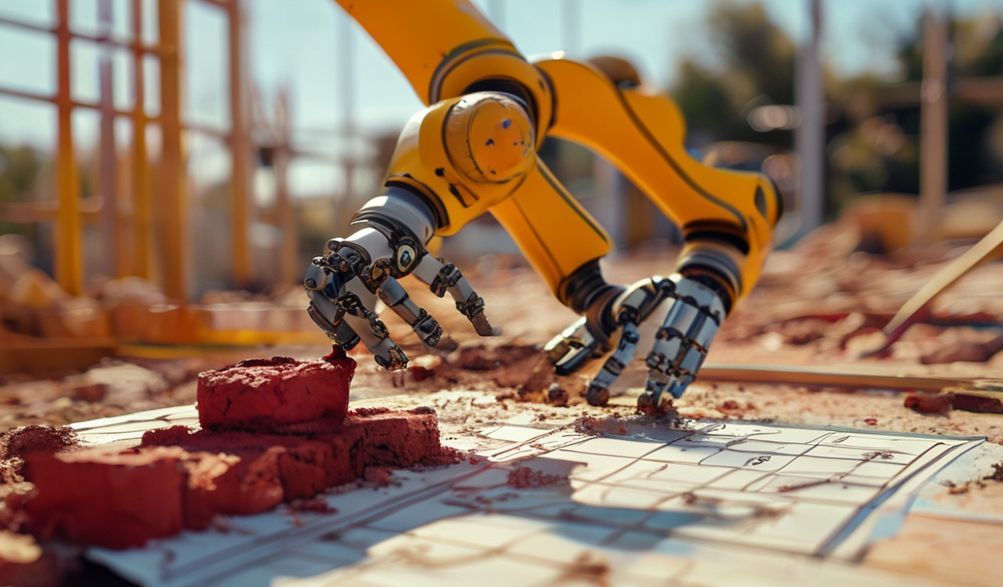
ဩစတြေးလျတွင် အုတ်စီစက် (၂၀၂၆) ဝယ်ယူရန် သင့်အတွက် အပြည့်အစုံလမ်းညွှန်
မိတ်ဆက်
The Australian construction industry is a powerhouse, yet it faces a relentless pressure point: the need to build more, faster, and with fewer hands. With a projected skilled labour shortfall of over 100,000 workers and a national ambition to deliver 1.2 million new homes in the coming years, traditional methods are being pushed to their limit. For builders, contractors, and developers, the age-old challenge of bricklaying—a process synonymous with time-intensive labour, soaring costs, and physical strain—demands a modern solution.
အလိုအလျောက် အုတ်စီစက်ကို မိတ်ဆက်လိုက်ပါပြီ။ တစ်ခါက အနာဂတ်မျှော်မှန်းချက်သက်သက်ဖြစ်ခဲ့သော ဤနည်းပညာသည် ယခုအခါ တစ်နိုင်ငံလုံးရှိ ဆောက်လုပ်ရေးလုပ်ငန်းခွင်များတွင် ထိတွေ့ကိုင်တွယ်နိုင်ပြီး ပြောင်းလဲမှုဖြစ်စေနိုင်သော ရင်းနှီးမြုပ်နှံမှုတစ်ခုဖြစ်လာသည်။ ၎င်းသည် လုပ်ငန်း၏ အရေးတကြီးဖြေရှင်းရမည့် ပြဿနာများအတွက် စွဲမက်ဖွယ်အဖြေတစ်ခုကို ပေးစွမ်းလျက် လူ့လုပ်အားသက်သက်မှ တိုးမြှင့်ထားသော ထုတ်လုပ်မှုစွမ်းအားဆီသို့ ဗျူဟာမြောက် ပြောင်းလဲမှုတစ်ရပ်ကို ကိုယ်စားပြုနေပါသည်။
This guide is not a sales pitch. Compiled from in-depth industry analysis, manufacturer specifications, and a clear understanding of the unique demands of the Australian construction landscape—from our specific materials and climate to stringent building codes (AS 3700)—it serves as your comprehensive, unbiased resource. Whether you’re a volume builder eyeing estate work or a bespoke contractor tackling high-end projects, we will walk you through the types of machines available, their real-world benefits, critical buying considerations, and where to find them. Our goal is to equip you with the knowledge to make a confident, informed investment that strengthens your business for years to come.
အုတ်စီစက်များကို နားလည်ခြင်း- အခြေခံအလိုအလျောက်မှ စက်ရုပ်အပြည့်အစုံအထိ
"အုတ်စီစက်" ဟူသော ဝေါဟာရသည် နည်းပညာစက်ကွင်းတစ်ခုလုံးကို ခြုံငုံပါဝင်သည်။ ၎င်း၏ အခြေခံသဘောတွင်၊ ထိုစက်သည် အုတ်စီခြင်းလုပ်ငန်းစဉ်၏ တစ်စိတ်တစ်ပိုင်း သို့မဟုတ် အားလုံးကို အလိုအလျောက်လုပ်ဆောင်ပေးသည့် ကိရိယာတစ်ခုဖြစ်ပြီး၊ အုတ်ကြားလိမ်းခြင်း၊ အတိအကျအုတ်ထားခြင်းနှင့် တစ်ခါတစ်ရံ ညီညာမှုနှင့် တန်းညှိခြင်းများပါဝင်သည်။ ဤစက်များကိုထုတ်လုပ်မှု မြှင့်တင်ရေး အချက်များနှင့်တိကျသောကိရိယာများသူတို့ကို သင့်အဖွဲ့ရဲ့ လုပ်ဆောင်နိုင်စွမ်းတွေကို မြှင့်တင်ပေးဖို့ ရည်ရွယ်ပါတယ်။ ထပ်တလဲလဲလုပ်ရတဲ့၊ လေးလံတဲ့ အလုပ်တွေကို ကိုင်တွယ်ဆောင်ရွက်ပေးပြီး ကျွမ်းကျင်လုပ်သားတွေကို ပိုမိုရှုပ်ထွေးပြီး တန်ဖိုးပိုမိုဖြည့်ဆည်းပေးနိုင်တဲ့ အလုပ်တွေအတွက် လွတ်မြောက်စေပါတယ်။
အုတ်စီစက်ဆိုတာဘာလဲ? အခြေခံအကျဉ်းချုပ်
Think of a bricklaying machine as a force multiplier for your team. It takes a digital design file and translates it into physical, mortar-bound brickwork with remarkable consistency. The level of human involvement varies greatly by model, from machines that require constant feeding and guidance to fully autonomous systems that require only supervision. The common thread is the use of mechanical or robotic systems to place bricks and mortar with speed and accuracy unattainable by even the most skilled human team over a sustained period.
ဩစတြေးလျစျေးကွက်တွင် ရရှိနိုင်သော စက်ပစ္စည်းအမျိုးအစားများ
စျေးကွက်ကို လမ်းကြောင်းရှာဖွေရာတွင် အဓိက အမျိုးအစားများကို နားလည်ရန် လိုအပ်ပါသည်။ သင့်ပရောဂျက်၏ အတိုင်းအတာ၊ ရှုပ်ထွေးမှုနှင့် ဘတ်ဂျက်သည် မည်သည့်အမျိုးအစားက အကောင်းဆုံးဖြစ်ကြောင်း ဆုံးဖြတ်ပေးပါလိမ့်မည်။
-
Semi-Automatic Mortar Slingers & Brick Placers: These are the entry point into automation. A mortar-slinging pump delivers a consistent mortar bed at high speed, while simple placers or conveyors help position bricks. They don’t lay the wall autonomously but drastically reduce the physical labour of carrying, buttering, and placing. Ideal for smaller builders looking to boost their crew’s output without a massive capital outlay.
-
Static Robotic Bricklaying Arms: This category includes machines like the well-known SAM (Semi-Automated Mason). These are robotic arms, typically mounted on a stationary platform or a modified telehandler. They are fed bricks and mortar by an attendant and can lay bricks at a steady, rapid pace according to a programmed path. They excel in controlled environments and are well-suited for custom home builds, complex layouts, and projects where setup can be optimised for a specific wall section.
-
Fully Mobile Robotic Systems: This is the cutting edge, epitomised by Australian-made technology like the Hadrian X from Perth-based FBR Ltd. These are self-contained, track-based systems that work directly from a 3D CAD model. They can lay bricks, blocks, and even masonry units with specialised adhesive on a moving vehicle, making them engineered for volume and speed on large-scale projects like housing estates and commercial buildings. Their ability to work from a digital blueprint minimises layout errors and rework.
-
On-Site vs. Off-Site (Prefab) Solutions: It’s also worth noting the rise of panelised systems. Here, walls are assembled from brick or block panels in a factory-controlled environment using automation, then transported to site for craning into place. This method offers extreme weather independence and quality control but requires significant logistics planning.
Key Benefits of Investing in a Brick Laying Machine in Australia
The decision to invest in this technology is driven by concrete returns. For Australian businesses, these benefits address our specific market challenges head-on.
Dramatically Increased Productivity and Speed
The numbers speak for themselves. While a highly proficient human bricklayer might lay 300-500 bricks in a day, robotic systems are measured in bricks per နာရီ. For instance, assistive machines can help a small crew double its daily output, while advanced robotic systems can lay over 200 bricks per hour continuously. This compresses build timelines, allows you to take on more projects per year, and improves cash flow through faster completion and payment milestones.
Addressing the Skilled Labour Shortage
This is perhaps the most strategic benefit. These machines do not eliminate the need for skill; they transform it. By automating the repetitive laying process, one experienced bricklayer or machine operator can oversee the output equivalent of several manual layers. This allows you to deploy your most skilled personnel to manage quality, handle complex architectural details (corners, arches, lintels), and supervise multiple machines or workfaces, thereby maximising the impact of your scarce human expertise.
Unmatched Consistency, Precision, and Waste Reduction
Every brick is placed with machine-level precision. Mortar beds are perfectly consistent in thickness and coverage, and every course is laser-aligned. This results in:
* Structurally superior walls with uniform compression.
* Aesthetic perfection, with straight, plumb walls and even joints.
* Significant reduction in material waste—often 15-25% less mortar and fewer damaged bricks.
* Inherent compliance with the tolerances and specifications required by Australian Standards (AS 3700 for masonry structures), reducing the risk of certification issues.
Improving Worksite Safety and Reducing Physical Strain
Construction is a high-risk industry. Bricklaying machines enhance safety by:
* Removing workers from repetitive strain injuries associated with constant bending, lifting, and twisting.
* Reducing the time crews need to spend on scaffolding and at height.
* Minimising the handling of heavy materials.
* Creating a less physically demanding work environment, which can improve overall worker well-being and retention.
Critical Factors Before You Buy: An Australian Buyer’s Checklist
A successful purchase is based on rigorous self-assessment and due diligence. This checklist, grounded in practical Australian site experience, will guide your evaluation.
Project Scope & Volume Analysis
Start with your business case. Ask yourself:
* What is the average square meterage of brickwork per project?
* What is our annual brick volume across all projects?
* Are we focused on repetitive, high-volume estate work or bespoke, one-off designs?
* Is the machine for a single, large project, or will it need to be transportable between multiple sites in, say, Victoria and New South Wales?
Machine Specifications & Compatibility
Don’t assume one size fits all. You must verify:
* အုတ်အမျိုးအစားများ Does it handle Australian standard clay bricks, concrete blocks, lightweight Hebel (AAC), or all of the above? Check tolerances for brick size variation.
* Mortar Requirements: Some machines use standard site-mixed mortar, while others (like the Hadrian X) require a specialised adhesive. Factor in the availability and cost of this consumable.
* Site Requirements: Assess power needs (240V single-phase vs. 415V three-phase), ground bearing capacity for track-based systems, and the physical space required for setup, operation, and material delivery.
Total Cost of Ownership (TCO) – Beyond the Sticker Price
The purchase price is just the beginning. Your TCO analysis must include:
* Purchase price or lease terms.
* Import duties, GST, and shipping to your Australian state.
* Installation, commissioning, and on-site training costs.
* Ongoing maintenance contracts and software subscription fees.
* Availability and cost of spare parts within Australia.
* Operational costs: specialised mortar/adhesive, power consumption, and dedicated labour.
Training, Support, and Service Networks in Australia
This is non-negotiable for long-term success. A machine is useless if it’s down waiting for a part or a technician from overseas.
* Prioritise suppliers with established local support. Does the manufacturer have a technical support team in Australia or an authorised partner with certified engineers?
* What is the response time for service calls, and what are the guaranteed Service Level Agreement (SLA) terms?
* Is training provided for your operators and supervisors on Australian soil?
* Companies like FBR Ltd. (Hadrian X) have built their service network here, a critical factor for trust and uptime.
Where to Find Brick Laying Machines for Sale in Australia
Direct from Manufacturers and Their Australian Distributors
This is often the best route for new technology. You get direct access to product experts and the latest models.
* FBR Ltd. (ASX: FBR) for the Hadrian X. As an Australian company, they have direct sales and operational teams.
* Construction Robotics for the SAM system, which is sold and supported through a network of regional partners.
* Engage with their sales teams for detailed demonstrations and project-specific proposals.
Specialised Construction Equipment Dealers
Major national and state-based equipment dealers are increasingly adding construction technology to their portfolios. These dealers can offer financing options and may bundle the machine with other equipment. Research dealers who focus on advanced concrete or scaffolding equipment, as they often branch into adjacent automation tech.
Industry Trade Shows and Exhibitions
There is no substitute for seeing a machine in action. Australian trade shows are ideal for hands-on comparison.
* Construct Expo (Sydney, Melbourne)
* National Manufacturing Week
* Brick & Block Layering Association (BBLA) events.
Attending these shows allows you to talk to engineers, see live demos, and gauge the industry’s direction.
Important Due Diligence Tips
Before signing any contract:
1. Demand a Live Demonstration: Insist on seeing the machine build a test wall, preferably using your chosen brick type.
2. Check Australian References: Ask the supplier for contact details of 2-3 Australian companies who have purchased the machine. Call them and ask about their real-world experience, downtime, and ROI.
3. Scrutinise the Warranty and SLA: Understand exactly what is covered, for how long, and what the support process entails. Pay special attention to exclusions.
Frequently Asked Questions (FAQ) About Brick Laying Machines in Australia
Q1: What is the average price range for a brick laying machine in Australia?
က: The range is vast, reflecting the different technologies. Semi-automatic assistive tools can start from AUD $50,000 to $200,000. Static robotic arm systems typically range from AUD $300,000 to $700,000. Fully mobile, large-scale robotic systems represent a multi-million dollar investment. The final cost is driven by capability, automation level, and support packages.
Q2: Can these machines work with Australian standard brick sizes and materials?
က: Yes, but you must confirm specifications with each manufacturer. Leading machines are designed to handle common Australian clay and concrete bricks (76mm height) and blocks. However, always provide samples of your specific brick to the manufacturer for compatibility testing, as variations in size, texture, and tolerance can affect performance.
Q3: How quickly can I expect a return on investment (ROI)?
က: ROI is project-dependent. A simple framework is: (Value of increased weekly output) – (Weekly operating costs) = Weekly profit gain. Divide the total machine cost by this weekly gain for a timeline. For a high-volume builder using a robotic system on estate work, ROI can be achieved in 12-24 months. For smaller contractors with assistive machines, it may be 2-4 years, based on sustained utilisation.
Q4: Do I still need skilled bricklayers if I purchase a machine?
က: Absolutely. Their role evolves from manual layer to machine operator, supervisor, and quality controller. You will need tradespeople to set up the machine, feed it, handle complex architectural elements, install wall ties and insulation, and ensure the final product meets all standards. It’s a shift from labour-intensive skill to technology-management skill.
Q5: What are the biggest operational challenges in the Australian context?
က: Key challenges include:
* Site Access & Ground Conditions: Ensuring stable, level ground for track-based systems, especially on new estate sites.
* Weather: While more resilient than human crews, extreme heat can affect mortar setting times, and heavy rain may halt operations.
* Dust and Debris: Managing site dust to prevent interference with the machine’s sensors and moving parts.
* Digital Workflow: Ensuring your architectural drawings are accurate and correctly translated into the machine’s programming language is critical. “Garbage in, garbage out” applies fully here.
Conclusion & Final Recommendation
The journey through this guide underscores a clear conclusion: automated bricklaying machines are no longer a novelty but a viable, powerful tool for the future-focused Australian builder. They offer a proven path to overcoming the trifecta of labour shortages, cost pressures, and tight deadlines.
However, this is a significant capital decision that must be rooted in a clear-eyed business case, not technological fascination. The most critical step is not writing a cheque—it’s engaging in thorough due diligence.
Our final recommendation is this: Go back to the Australian Buyer’s Checklist in Section 3. Conduct an honest analysis of your project pipeline, volume, and operational constraints. Use that analysis to shortlist potential machines. Then, take the decisive action: contact suppliers, demand comprehensive demonstrations on Australian soil, and speak directly to local businesses who have already made the investment. Their firsthand experience is your most valuable data point.
Adopting this technology positions your company as a leader in modern, efficient, and sustainable construction. It’s an investment not just in a machine, but in the resilience and competitiveness of your business for the decade ahead.
Ready to take the next step? Bookmark this guide for reference, reach out to manufacturers for project-specific quotes, and start building your case for the future of bricklaying.
<