
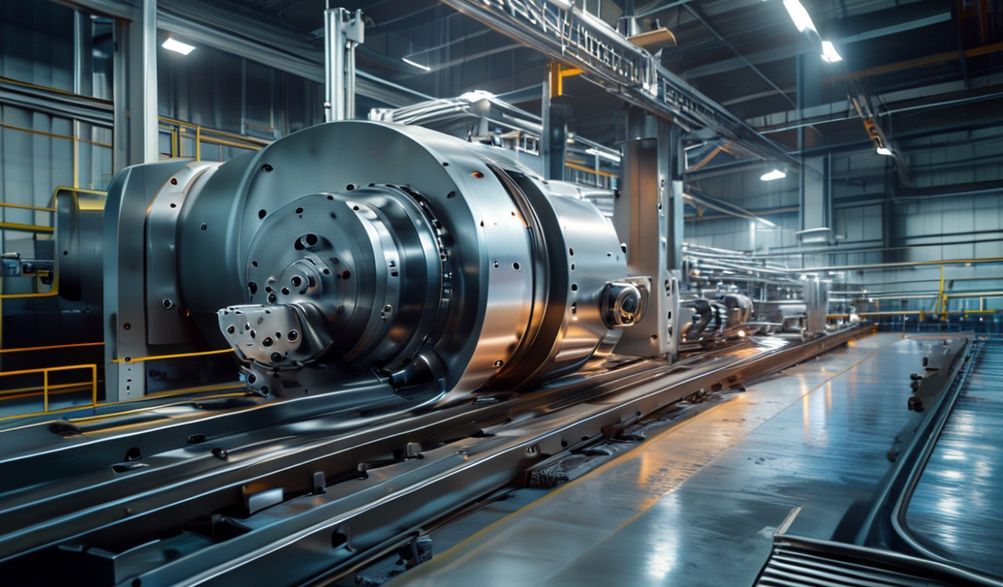
Your Ultimate Guide to Block & Brick Press Machine Factories: How to Choose a Trusted Manufacturer
In the world of construction, the foundation of a great project isn’t just the concrete in the ground—it’s often the humble block or brick in the wall. The quality, consistency, and affordability of these fundamental materials hinge on one critical factor: the machinery that produces them. Choosing the right block brick press machine factory isn’t a simple procurement task; it’s a strategic decision that directly impacts your product durability, production efficiency, and long-term business profitability.
This guide serves as your expert, unbiased resource. Whether you’re a business owner scaling up production, a project manager sourcing equipment for a large development, or a procurement specialist navigating global markets, our goal is to arm you with authoritative knowledge. We cut through the marketing noise to provide a trustworthy framework for evaluating manufacturers, ensuring you can build a partnership as solid as the blocks their machines produce. We’ll navigate the landscape of global manufacturing, break down the core criteria for factory trustworthiness, and outline the due diligence needed for a successful investment.
Let’s begin your journey to finding a premier block brick press machine factory.
Understanding the Landscape of Block & Brick Press Machine Manufacturing
The market for block-making machinery is diverse, with manufacturers ranging from small family-run workshops to sprawling industrial complexes. Understanding this spectrum is your first step toward a wise selection.
Types of Factories: From Specialized Workshops to Integrated Plants
Not all factories are created equal. Their scale and focus offer different advantages.
-
Specialized Workshops/Small-Scale Factories:
- အားသာချက်များ Often excel at customization for niche products or specific local materials. They can be more agile, offer personalized service, and may have lower overhead costs. Ideal for startups or businesses with unique, non-standard production needs.
- အားနည်းချက်များ May have limitations in volume output, advanced R&D, and the breadth of their after-sales support network. Their financial stability and ability to handle large, complex orders can be a concern.
-
Large, Integrated Manufacturing Plants:
- အားသာချက်များ These are full-service facilities that design, cast, machine, and assemble entire production lines. They offer high-volume capacity, rigorous quality control processes, and comprehensive after-sales services including training and global spare parts networks. They invest heavily in R&D for automation and efficiency.
- အားနည်းချက်များ Can be less flexible on small-batch custom orders. The purchasing process may be more formalized, and the initial investment is typically higher.
Global Hubs vs. Local Manufacturers: Weighing Your Options
Geography plays a pivotal role in cost, technology, and support.
-
Key Global Manufacturing Hubs:
- Asia (e.g., China): Known for highly competitive pricing and a vast range of options, from basic models to technologically advanced lines. The key differentiator is quality control; top-tier Chinese factories rival global standards, while the lower end can be inconsistent.
- Europe (e.g., Germany, Italy): Synonymous with precision engineering, advanced automation, and premium durability. Factories here are leaders in innovation and sustainable technology but command a significantly higher initial investment.
- Other Regions (e.g., Turkey, India): Offer a compelling middle ground, often blending good engineering with more accessible pricing than Western Europe and better support proximity than East Asia for many markets.
-
Local/Domestic Manufacturers:
- အားသာချက်များ Unmatched proximity for service, spare parts, and understanding of local market needs, regulations, and raw material characteristics. Communication is seamless.
- အားနည်းချက်များ Options may be limited, and pricing can be higher due to smaller scale and local labor costs.
The Decision: Weigh cost against long-term value. A cheaper machine from a distant hub can be undermined by crippling downtime if support is slow. Conversely, a local manufacturer with excellent support might justify a higher price for peace of mind.
Core Criteria for Evaluating a Factory’s Expertise and Trustworthiness
Beyond brochures and websites, you must assess the substance behind the sales pitch. Focus on these pillars of a reputable block brick press machine factory.
Proven Experience and Industry Reputation
A factory’s history is a testament to its resilience and ability to satisfy clients.
* လုပ်ဆောင်ချက်မှတ်တမ်း How many years has the company been manufacturing these specific machines? A decade or more of operation suggests refined processes and industry knowledge.
* Client Portfolio: Ask for a list of reference projects. Look for clients in similar climates or who produce similar products (e.g., hollow blocks, paving stones, interlocking bricks). A factory that has successfully supplied machines for large infrastructure projects has passed a severe test.
* Case Studies & Testimonials: Detailed case studies that show before/after scenarios, problem-solving, and quantifiable results (increased output, reduced waste) are powerful indicators of real-world expertise.
Manufacturing Standards and Quality Certifications
Certifications are not just paperwork; they are evidence of a systematic approach to quality.
* ISO 9001: This is the baseline. It certifies that the factory has a documented Quality Management System (QMS) for consistent design, production, and service.
* CE Marking (for Europe): Indicates the machine complies with EU health, safety, and environmental standards. It requires rigorous technical documentation and risk assessment.
* Local Safety Certifications: Depending on your region, other certifications (e.g., UL, AS) may be critical. Always ask what standards the machine is built to.
Technical Expertise and R&D Capability
The best factories are engineering partners, not just vendors.
* In-House Engineering Team: Can they modify a standard design to suit your specific raw material mix, like high-fly ash content or local soil? This capability is crucial for optimizing your production.
* R&D Investment: Inquire about their recent innovations. Are they developing more energy-efficient systems, smarter PLC controls, or using advanced simulation software for frame stress analysis? A factory that invests in R&D is building your future competitiveness.
Key Machine Features to Discuss with Any Factory
Arm yourself with technical knowledge. These are the non-negotiable points to clarify.
Press Type and Force: Matching Machine to Product
The core of the machine defines your product’s quality.
* ယန္တရား Vibration presses are common for standard blocks, hydraulic presses offer higher pressure for denser, stronger products (like paving stones), and static presses are used for specialized applications. Many modern machines combine vibration and hydraulic action.
* Tonnage (Pressure): This directly correlates to block density and compressive strength. A factory engineer should help you determine the required tonnage based on your target product specifications (e.g., producing a C30 concrete block requires significant force).
* Output Specifications: Be precise. Provide your required blocks per hourထိုprecise dimensions of your products, and the raw material mix you will use.
Automation Level: From Semi-Automatic to Fully Robotic Lines
Automation is a spectrum that balances labor cost with capital investment.
* အချို့အလိုအလျောက် Requires operators to feed pallets and remove finished blocks. Lower initial cost, higher labor requirement.
* လုံးဝအလိုအလျောက် Incorporates pallet feeders, stackers, and conveyors. Delivers consistent output with minimal labor, ideal for multi-shift operations.
* Robotic Lines: Use robotic arms for precise handling and palletizing. The pinnacle of efficiency for high-volume, 24/7 production with flawless consistency.
Durability and Maintenance: Design for Longevity
A machine is a long-term asset. Its design should reflect that.
* Construction Quality: Ask about the grade and thickness of structural steel, the brand and specification of hydraulic pumps and cylinders, and the quality of the electrical components (e.g., Siemens, Schneider). The frame should be massively overbuilt to withstand decades of vibration.
* ထိန်းသိမ်းမှု လက်လှမ်းမီနိုင်မှု Are lubrication points easy to reach? Can wear parts like moulds and liners be replaced without dismantling half the machine? Good design minimizes downtime.
* Wear Parts Availability: Ensure the factory stocks and can quickly supply high-wear items specific to their machines.
The Due Diligence Process: Ensuring a Successful Partnership
The final step is verification. Never buy based on promises alone.
Conducting Effective Factory Audits (Virtual or In-Person)
An audit is your window into real operations.
* Virtual Audit Checklist: Request a live video tour. Focus on:
* The organization and cleanliness of the production floor.
* Welding techniques—look for clean, consistent welds.
* The quality control station—are there gauges, testing equipment?
* The assembly area for finished machines.
* Key Questions: “Can you show me your raw material inspection process for incoming steel?” “How do you test the pressure and leakage of each hydraulic assembly?” “What is your process for run-testing a machine before crating?”
Analyzing After-Sales Service and Support Structures
The true cost of a machine is its purchase price plus the cost of downtime. Robust support is insurance.
* Comprehensive Support Includes: Installation supervision (engineers sent to your site), detailed operator and maintenance training, multilingual manuals and schematics, a clear warranty (typically 12 months on core parts), and a reliable spare parts supply chain.
* Verify Responsiveness: Ask for the contact details of their service department. Test response times with a technical question before you buy. Do they have a system for remote troubleshooting?
Securing Clear Contracts and Performance Guarantees
Protect your investment with unambiguous documentation.
* Essential Contract Clauses:
* Appendix A – Detailed Technical Specifications: Every component, model number, capacity, and material grade listed.
* Delivery Timeline: A firm date with defined penalties for delays.
* Payment Terms: Clear milestones (e.g., 30% down, 60% before shipment, 10% after successful commissioning).
* Warranty Details: Exactly what is covered, for how long, and the process for claims.
* Performance Guarantee: A clause guaranteeing the machine will produce X blocks per hour meeting X strength standard, with a remediation plan if it fails.
* Legal Review: For large investments, have the contract reviewed by a legal professional familiar with international machinery trade.
Frequently Asked Questions (FAQ) About Block Brick Press Machine Factories
Q1: What is the typical lead time for a machine from order to delivery?
က: Lead times vary widely from 30 to 120+ days, depending on machine complexity, level of customization, and the factory’s current order book. Standard models are faster; fully customized, automated lines take longer. Always get a written delivery guarantee in your contract.
Q2: How do I verify the quality claims made by a factory?
က: Go beyond words. Request material certificates for the steel used, test reports for hydraulic components, and videos of the machine under load performing a factory acceptance test (FAT). The most powerful verification is speaking directly to past clients, especially those in a similar region to you.
Q3: Can factories provide help with plant layout and foundation drawings?
က: A reputable factory must provide this. As part of their technical proposal, you should receive detailed foundation drawings with load requirements, electrical schematics, and utility (air, water) connection points. This is a basic marker of a professional and experienced supplier.
Q4: What are the most common hidden costs when importing machinery?
က: Budget beyond the FOB price. Common additions include: Sea freight and marine insurance, import duties and taxes (vary by country), customs clearance and agent fees, costs for on-site installation (cranes, local labor), and potential expenses for electrical transformers or compatibility work.
Q5: How critical is local language support for after-sales service?
က: It is highly critical for resolving urgent technical issues. Evaluate the factory’s solution: Do they have fluent English-speaking engineers on call? Do they partner with a competent local agent in your country? At a minimum, ensure manuals and control panel interfaces are available in a language your technicians understand.
နိဂုံး
မှန်ကန်တဲ့ရွေးချယ်မှုလုပ်ဖို့block brick press machine factory is a multifaceted decision that balances Experience, Expertise, Authoritativeness, and Trustworthiness. It requires looking past the initial price tag to evaluate a manufacturer’s proven track record, technical depth, certified quality processes, and the robust support structure that will sustain your operation for years to come.
This investment is the cornerstone of your production capability. By using this guide as a checklist, you move from being a passive buyer to an informed partner. Prioritize factories that demonstrate a commitment to building a lasting relationship, not just making a sale. Your due diligence today is the foundation for your productivity and profitability tomorrow.
Ready to start your sourcing journey? Use this guide to prepare a detailed inquiry, shortlist potential partners, and engage with confidence, knowing you have the framework to identify a true industry leader.
<