
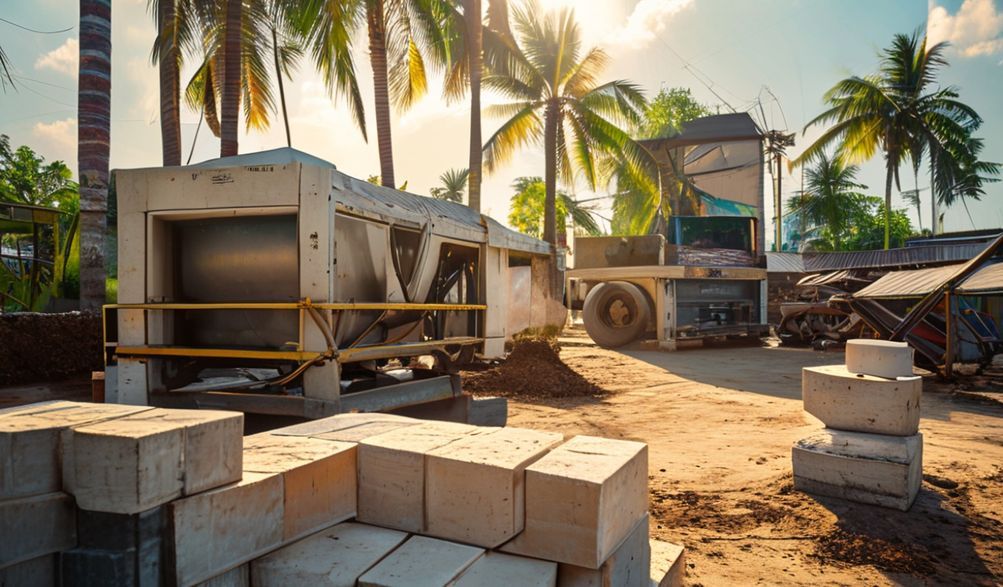
Your Ultimate Guide to Cement Block Making Machine Suppliers in Sri Lanka (2026)
မိတ်ဆက်
Sri Lanka’s skyline is a testament to a construction sector in a constant state of growth and renewal. From ambitious urban developments in Colombo to vital infrastructure projects and housing schemes across the island, the demand for robust, reliable building materials has never been higher. At the heart of this building boom lies a fundamental component: the humble cement block. As the primary building block for walls, foundations, and pavements, its quality and availability directly impact the strength, cost, and timeline of virtually every construction project.
However, for builders, contractors, and entrepreneurs looking to invest in their own production capability, sourcing the right cement block making machine can be a daunting challenge. The market presents a maze of options—from manual presses to fully automated plants—and a range of suppliers with varying levels of credibility. How do you ensure you’re investing in a machine that won’t break down after six months? How do you find a supplier who will provide genuine spare parts and timely technical support, not just a sales receipt? The risks of choosing poorly are high, leading to project delays, wasted capital, and operational headaches.
This guide is designed to be your definitive compass. We cut through the noise to provide a clear, comprehensive, and impartial overview of the cement block making machine landscape in Sri Lanka. Our goal is to arm you with the knowledge to make an informed, confident decision by understanding your needs, identifying reputable suppliers, and asking the right questions. This resource is built on an analysis of the market, supplier capabilities, and the practical realities of construction in Sri Lanka, prioritizing factual and actionable information to serve your best interests.
Understanding Your Needs: Types of Cement Block Making Machines
Before contacting a single supplier, it’s crucial to define what you need. The “best” machine is the one that perfectly aligns with your production goals, budget, and operational context.
လက်ဖြင့်မောင်းနှင်သော စက်များ၊ အချို့အလိုအလျောက်မောင်းနှင်သော စက်များနှင့် အပြည့်အဝအလိုအလျောက်မောင်းနှင်သော စက်များ
The level of automation is the primary differentiator, impacting cost, output, and labor.
-
လက်ဖြင့် အုတ်ခဲပြုလုပ်သည့် စက်များ
- စစ်ဆင်ရေး Entirely human-powered. The operator manually mixes concrete, fills the mold, and uses a lever to compress the block.
- ရင်းနှီးမြှုပ်နှံမှုကုန်ကျစရိတ် Very low. The most affordable entry point.
- ထုတ်လုပ်နိုင်စွမ်း Low (typically 300-500 blocks per 8-hour day).
- လုပ်သားလိုအပ်ချက်များ: High. Labor-intensive and physically demanding.
- အကောင်းဆုံးဖြစ်သည်။ Micro-enterprises, very small-scale projects, or as a secondary backup machine. Ideal for producing specialized or custom blocks in low volumes.
-
အချို့အလိုအလျောက် ဘလောက်ပြုလုပ်သည့်စက်များ
- စစ်ဆင်ရေး Mechanized vibration and compression (often via an electric motor), but material feeding and block removal may be manual or partially automated.
- ရင်းနှီးမြှုပ်နှံမှုကုန်ကျစရိတ် Moderate. A significant step up in price from manual machines.
- ထုတ်လုပ်နိုင်စွမ်း Medium to High (can range from 1,000 to 4,000+ blocks per 8-hour shift, depending on model).
- လုပ်သားလိုအပ်ချက်များ: Moderate. Requires 2-4 operators for feeding, removal, and curing.
- အကောင်းဆုံးဖြစ်သည်။ Small to medium-sized block manufacturing yards, contractors supplying multiple projects, and entrepreneurs seeking a balance between investment and productivity. This is often the “sweet spot” for the Sri Lankan market.
-
အလိုအလျောက် အပြည့်အစုံ ဘလောက်ပြုလုပ်သည့် စက်များ
- စစ်ဆင်ရေး Computer-controlled systems that automate the entire process: batching, mixing, conveying, molding, curing, and stacking. Often part of a complete plant.
- ရင်းနှီးမြှုပ်နှံမှုကုန်ကျစရိတ် High. A major capital investment.
- ထုတ်လုပ်နိုင်စွမ်း Very High (can exceed 10,000 blocks per shift).
- လုပ်သားလိုအပ်ချက်များ:နိမ့်သည်။ အဓိကအားဖြင့် ကြီးကြပ်ရေးနှင့် ထိန်းသိမ်းရေးအတွက်ဖြစ်သည်။
- အကောင်းဆုံးဖြစ်သည်။ Large-scale block production factories supplying regional markets, major construction companies, and industrial parks. Requires consistent, high-volume demand to justify the investment.
Key Machine Specifications to Consider
Beyond automation, drill down into these critical specs:
- ဘလော့ခ်အမျိုးအစားများ Ensure the machine can produce the blocks you need to sell.
- Hollow Blocks (4″, 5″, 6″, 9″)
- အခိုင်မာသောဘလောက်များ
- Pavers (Interlocking, decorative)
- Designer Blocks
- ထုတ်လုပ်မှုစွမ်းရည် Don’t just look at “blocks per hour” in a brochure. Understand the sustainable daily output under real working conditions, accounting for curing time.
- Power Source: Electric motors are common, but diesel-powered or hybrid options are vital for sites with unreliable grid power.
- Mobility: Stationary machines are for fixed yards. Mobile block makers (often on a trailer) can be moved between job sites—a key advantage for some contractors.
The Sri Lankan Context: What Works Best?
Local conditions heavily influence the ideal choice. Semi-automatic machines are overwhelmingly popular due to their optimal balance of cost, output, and tolerance for the variable power supply found in some areas. Their mechanical simplicity also makes them easier to maintain locally. The demand is primarily for standard hollow and solid blocks, so a machine that excels at these core products is essential. Fully automatic plants are rare and are typically only considered by the largest industrial producers.
Criteria for Selecting a Reputable Supplier in Sri Lanka
The machine is only half the equation. The supplier you choose will determine your long-term operational success. Evaluate them against these pillars of E-E-A-T (Experience, Expertise, Authoritativeness, Trustworthiness).
Proven Industry Experience & Local Expertise
A supplier with a decade of operation in Sri Lanka has weathered economic cycles, understands local cement and aggregate qualities, and has adapted to common soil conditions affecting block recipes. They’ve built relationships and, crucially, have a track record you can investigate. Ask: “How long have you been supplying block machines in Sri Lanka? Can you share examples of projects your machines are used in?”
Technical Expertise & Product Knowledge
A reputable supplier should act as a consultant. Their sales team should be able to explain the mechanics of the machine, recommend the right model for your specific output goals, and advise on the optimal concrete mix design. Beware of suppliers who only talk price and cannot answer detailed technical questions. The ability to troubleshoot over the phone is invaluable.
Authoritativeness: Certifications, Partnerships & Brand Associations
This is about formal credibility. Look for:
* Official Dealerships: Are they an authorized dealer for reputable international brands (e.g., from India, China, Germany)? This often ensures access to genuine parts and original manufacturing support.
* အသိအမှတ်ပြုလက်မှတ်များ Do they hold relevant ISO certifications (e.g., ISO 9001 for quality management)?
* Industry Memberships: Are they members of recognized bodies like the Chamber of Construction Industry Sri Lanka (CCISL)?
Building Trust: After-Sales Service & Customer Support
This is non-negotiable. A machine is a long-term asset. Clarify:
* Warranty: What is covered (parts, labor)? For how long?
* Spare Parts: Is a comprehensive inventory of wear parts (molds, vibrator motors, liners) maintained locally in Sri Lanka? What is the typical lead time for special parts?
* တပ်ဆင်ခြင်းနှင့် လေ့ကျင့်သင်ကြားခြင်း Do they provide on-site installation and comprehensive training for your operators?
* ဝန်ဆောင်မှု ကွန်ရက် Do they have dedicated service engineers who can travel to your site for repairs? What are the response time guarantees?
Spotlight on Cement Block Machine Suppliers in Sri Lanka
(Note: This section is based on a model of common supplier types in the market. We encourage you to use this framework to evaluate any supplier you encounter.)
Supplier Type A: The Established International Brand Dealer
- Overview: These suppliers focus on distributing machines from well-known global manufacturers. They typically offer a range from semi-automatic to fully automatic systems, emphasizing build quality and technological features.
- E-E-A-T Highlights:
- Experience & Expertise: Their technical staff often receive factory training from the original manufacturer. They bring global engineering standards to the local market.
- ဩဇာတိက္ကမ Their authority is derived from their official dealership agreements, which are usually public and verifiable. They may prominently display brand logos and certifications.
- ယုံကြည်စိတ်ချရမှု Service structures are often well-defined, with warranty terms backed by the international brand. However, verify the location of spare parts warehouses.
Supplier Type B: The Leading Local Manufacturer
- Overview: These companies design and manufacture machines within Sri Lanka, often tailoring them specifically for local conditions, power standards, and popular block sizes.
- E-E-A-T Highlights:
- Experience & Expertise: Deep, indigenous understanding of the Sri Lankan construction sector. They can often offer high levels of customization because they control the manufacturing process.
- ဩဇာတိက္ကမ Their authority is built on a long history of local operation, a large installed base of machines across the island, and potentially, awards or recognition within the national industry.
- ယုံကြည်စိတ်ချရမှု A major strength can be rapid after-sales service, as all engineering and parts fabrication is local. They can quickly adapt solutions to on-ground problems.
Supplier Type C: The Comprehensive Construction Machinery Provider
- Overview: These are larger suppliers or conglomerates that offer a wide array of construction machinery—from concrete mixers and excavators to block making machines. They are a one-stop-shop.
- E-E-A-T Highlights:
- Experience & Expertise: They have broad market exposure and understand how block production fits into the larger construction workflow.
- ဩဇာတိက္ကမ Demonstrated by their scale, multiple showrooms, and extensive fleet. They are often financially stable entities.
- ယုံကြည်စိတ်ချရမှု They may offer package deals and integrated support. However, ensure their block machine division has dedicated specialists, not just general equipment salespeople.
Essential Questions to Ask Potential Suppliers
Arm yourself with this checklist during meetings or calls:
- “What is the country of origin for the core components of this machine?”
- “Can you provide a list of 3-5 local clients (with similar capacity needs) who have purchased this model in the last two years? May I contact them?”
- “Please provide a detailed, written quotation that breaks down the cost of the machine, delivery, installation, and any mandatory training.”
- “What does the standard warranty cover, and what are the common exclusions?”
- “Where is your primary spare parts inventory located? What is the availability and price of key wear items like mold sets?”
- “Do you provide on-site operator training? Is there a manual available in Sinhala/Tamil?”
- “What is your standard response time for a technical breakdown, and what are the service charges after the warranty period?”
- “Are your machines designed to comply with relevant Sri Lanka Standards (SLS) for block production?”
Investment & Operational Considerations
Cost Analysis: Machine Price vs. Total Cost of Ownership
The purchase price is just the beginning. Consider:
* စစ်ဆင်ရေးကုန်ကျစရိတ်များ Electricity/diesel consumption, labor wages, and raw material (cement, sand, metal) costs.
* ထိန်းသိမ်းစရိတ်များ Regular servicing and replacement of wear parts.
* Efficiency Impact: A more efficient, reliable machine reduces block waste and downtime, improving your effective return on investment (ROI) over 5-10 years.
Navigating Import Procedures (If Applicable)
If you are considering importing a machine directly, you must factor in:
* Import duty, VAT, Port and Customs charges, and freight costs.
* The complexity of clearing customs and arranging inland transportation.
* A key advantage of using a local supplier is that they handle all these complexities, and the landed, installed cost is clearly stated in your quote.
Tips for Maximizing Productivity and Machine Lifespan
- Raw Material: Invest in a good quality mixer and consistently use a well-graded, clean aggregate mix. Poor-quality sand can damage molds and vibrators.
- Preventive Maintenance: Follow the supplier’s maintenance schedule religiously. Grease bearings, check hydraulic oil, and tighten bolts regularly.
- Operator Skill: Well-trained operators who understand the machine’s limits and sounds are your first line of defense against major breakdowns.
မကြာခဏ မေးလေ့ရှိသော မေးခွန်းများ (FAQ)
Q1: What is the average price range for a cement block making machine in Sri Lanka?
က: Prices vary dramatically. A basic manual machine can start around LKR 300,000. A robust semi-automatic machine suitable for a small business may range from LKR 1.5 million to LKR 4 million. Fully automatic plants can cost LKR 10 million and far beyond. Always get detailed, itemized quotes.
Q2: Can I get financing options or payment plans from suppliers?
က: Some established suppliers do offer installment payment plans or have partnerships with leasing companies and banks. This should be a direct point of inquiry during your negotiations.
Q3: How important is local after-sales service, and how can I verify it?
က: It is absolutely critical. To verify, insist on speaking to recent customers. Ask them about response times, spare parts availability, and the overall professionalism of the service team. If possible, visit the supplier’s service center.
Q4: What are the most common block sizes and types produced for the Sri Lankan market?
က: The 9″x9″x9″ (hollow) and 9″x9″x4.5″ (half-block) are extremely common for walls. Solid blocks (e.g., 9″x9″x3″) are used for foundations. Ensure your chosen machine’s mold kit includes these standard sizes.
Q5: Are there any government regulations or standards for block making machines or blocks?
က: While machine-specific regulations may be limited, the blocks produced should ideally conform to Sri Lanka Standard (SLS) specifications for compressive strength and dimensions (e.g., SLS 855). Reputable suppliers will be aware of these standards and can advise on mix designs to achieve them.
နိဂုံး
Selecting a cement block making machine and its supplier is a strategic decision that forms the foundation of your production capability. By first thoroughly understanding your own needs—scale, budget, block types—you create a clear benchmark. Then, by rigorously evaluating suppliers against the criteria of Experience, Expertise, Authoritativeness, and Trustworthiness (E-E-A-T), you dramatically increase your chances of a successful, long-term partnership.
Use this guide as your structured framework. Move beyond glossy brochures and move towards concrete verification: visit supplier workshops, speak to their existing clients, and test their technical knowledge with your prepared questions. Due diligence today prevents costly operational failures tomorrow.
Begin your search with confidence, equipped to engage suppliers in productive, detailed discussions. Your goal is not just to buy a machine, but to secure a productive asset backed by reliable support, ensuring your venture in Sri Lanka’s vibrant construction sector is built on a solid foundation.
<