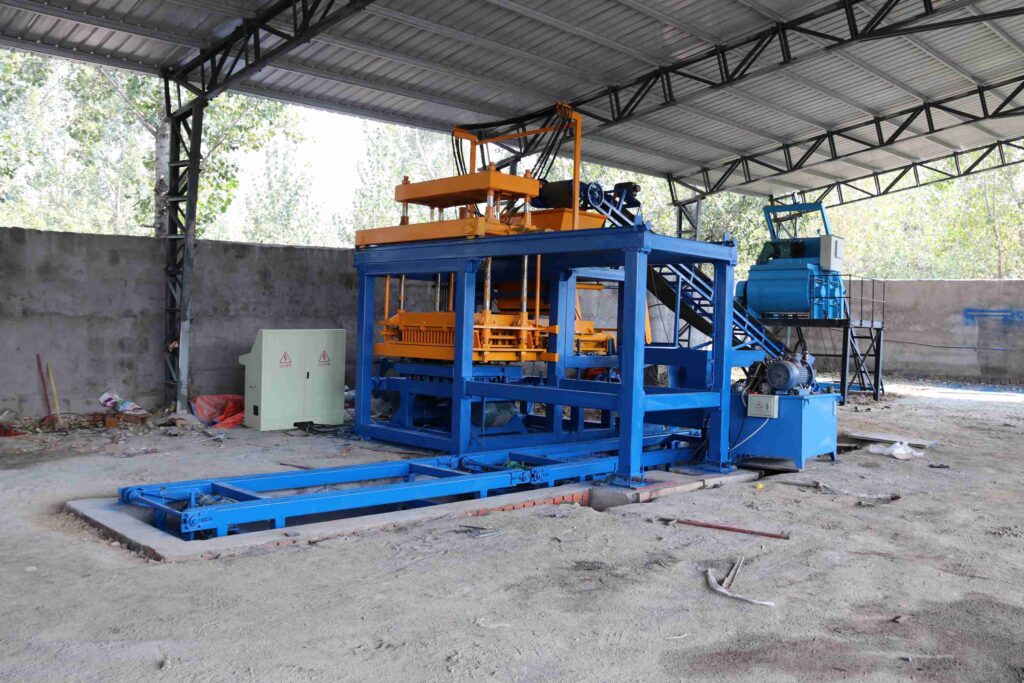
1. Inleiding
Gujarat, a leading industrial and economic hub in western India, stands at the forefront of the country’s construction boom. Fueled by robust infrastructure development, rapid urbanization, and a thriving manufacturing sector, the state’s demand for high-quality, cost-effective bricks has surged exponentially. As traditional manual brick-making struggles to meet the scale, consistency, and sustainability requirements of modern construction, brick making machines have emerged as a cornerstone of Gujarat’s building materials industry.
2. Lichaam
2.1 Gujarat’s Construction Ecosystem: Driving Demand for Brick Making Machines
Gujarat’s construction sector is a key driver of India’s economic growth, contributing over 8% to the state’s GDP. Several interconnected factors have created an unprecedented demand for brick making machines, making Gujarat a high-priority market for distributors and purchasers:
2.1.1 Infrastructure Development Initiatives
The Government of Gujarat has launched ambitious infrastructure projects worth over $100 billion, including the Delhi-Mumbai Industrial Corridor (DMIC), Ahmedabad-Mumbai High-Speed Rail, new airports, ports, and road networks. These large-scale projects require millions of high-strength bricks for load-bearing structures, retaining walls, and paving. For example, the DMIC’s Gujarat segment alone is expected to consume over 500 million bricks by 2030, creating a sustained demand for automated brick making machines that can deliver consistent quality and high output. Distributors targeting infrastructure projects should prioritize machines with production capacities of 5,000+ bricks per hour and the ability to produce load-bearing bricks with compressive strength exceeding 20 MPa.
2.1.2 Urbanization and Residential Construction
Gujarat’s urban population is growing at a CAGR of 3.2%, with cities like Ahmedabad, Surat, Vadodara, and Rajkot expanding rapidly. This urbanization has fueled a residential construction boom, with demand for affordable housing, luxury apartments, and integrated townships. The state government’s “Pradhan Mantri Awas Yojana (PMAY)” aims to construct 1.2 million affordable houses in Gujarat by 2025, each requiring thousands of bricks. Additionally, the rise of nuclear families and increasing disposable incomes have boosted demand for mid-range and premium residential projects, driving the need for decorative bricks, interlocking paving stones, and eco-friendly bricks. Distributors serving the residential segment should offer a diverse range of machines—from small-scale models for local builders to medium-scale automated lines for real estate developers.
2.1.3 Industrial and Commercial Growth
Gujarat’s status as India’s manufacturing hub (home to over 50% of India’s petrochemical plants, 30% of textile mills, and major automobile and engineering units) has spurred industrial construction. Factories, warehouses, logistics parks, and industrial estates require durable, heat-resistant bricks for walls, floors, and chimneys. The state’s growing commercial sector—including shopping malls, office complexes, and hotels—demands aesthetically pleasing bricks for facades, interiors, and landscaping. For example, Ahmedabad’s upcoming “GIFT City” (Gujarat International Finance Tec-City) is a $20 billion project that will require specialized bricks for high-rise buildings and sustainable infrastructure. Distributors catering to industrial and commercial clients should focus on machines that produce high-strength, fire-resistant, and customizable bricks.
2.1.4 Sustainable Construction Mandates
Gujarat has emerged as a leader in sustainable construction, with the government mandating green building standards for all public projects and offering incentives for private projects adopting eco-friendly practices. The state’s “Gujarat Green Building Rules” require 30% of construction materials to be recycled or eco-friendly, driving demand for bricks made from fly ash, construction waste, and other industrial byproducts. Brick making machines that use these sustainable raw materials not only comply with regulations but also qualify for tax benefits and subsidies. Distributors offering eco-friendly brick making machines have a significant competitive advantage in Gujarat’s market, as more builders and developers prioritize sustainability to reduce carbon footprints and secure green certifications.
2.2 Regional Advantages: Why Gujarat is Ideal for Brick Making Machine Investments
Gujarat offers unique advantages that make it a lucrative market for brick making machines, from raw material availability to logistical connectivity and policy support:
2.2.1 Abundant Raw Material Resources
Brick making relies heavily on raw materials like clay, sand, cement, aggregates, and industrial byproducts—all of which are readily available in Gujarat:
- Clay: Gujarat’s northern and central regions (e.g., Mehsana, Patan, Sabarkantha) have vast clay deposits, ideal for manufacturing traditional clay bricks and fly ash-clay composite bricks.
- Vliegas: The state is home to 12 thermal power plants (including NTPC’s Mundra and Sikka plants) that generate over 15 million tons of fly ash annually. Fly ash is a key raw material for eco-friendly bricks, reducing reliance on clay and lowering production costs by 20-30%.
- Sand and Aggregates: The Sabarmati, Mahi, and Narmada rivers provide ample sand and aggregates, while crushed stone from Gujarat’s Aravalli and Satpura mountain ranges is readily available for concrete bricks.
- Cement: Gujarat has 8 major cement plants (e.g., Ambuja Cements, UltraTech Cement) with a combined production capacity of 50 million tons per year, ensuring a steady supply of high-quality cement at competitive prices.
This abundant raw material availability reduces transportation costs for brick manufacturers, making Gujarat’s brick making machines more cost-effective compared to other Indian states. Distributors can leverage this advantage to offer competitive pricing and higher profit margins.
2.2.2 Favorable Government Policies and Incentives
The Government of Gujarat has implemented several policies to promote the brick making machine industry and sustainable construction:
- Subsidies for Eco-Friendly Machines: Distributors and manufacturers investing in brick making machines that use fly ash, recycled aggregates, or energy-efficient technologies are eligible for subsidies of 20-30% of the machine cost under the “Gujarat Pollution Control Board (GPCB)” incentives.
- Tax Benefits: The state offers a 10-year tax holiday for industries in special economic zones (SEZs) and industrial parks, including brick making machine manufacturers and distributors. Additionally, GST on brick making machines is 18%, lower than the 28% rate for many other industrial equipment.
- Ease of Doing Business: Gujarat ranks first in India’s Ease of Doing Business Index, with streamlined approval processes for setting up manufacturing units, obtaining environmental clearances, and accessing land. This reduces red tape for distributors looking to establish local assembly or distribution centers.
- Skill Development Support: The government’s “Gujarat Skill Development Mission” provides training programs for machine operators and technicians, ensuring a skilled workforce for brick making units—a key benefit for distributors offering after-sales support.
These policies lower the entry barrier for distributors and purchasers, making Gujarat an attractive market for investing in brick making machines.
2.2.3 Strategic Logistical Connectivity
Gujarat’s world-class infrastructure ensures seamless transportation of brick making machines, raw materials, and finished products:
- Roads: The state has over 190,000 km of roads, including 3,000 km of national highways (e.g., NH 48, NH 64) and 10,000 km of state highways, connecting major cities, industrial hubs, and raw material sources.
- Railways: Gujarat’s railway network (over 5,000 km) includes key lines like the Western Railway and Central Railway, facilitating bulk transportation of machines and bricks to other Indian states.
- Ports: Gujarat has 42 ports (including Mundra, Kandla, and Hazira), India’s largest port network, enabling easy import of machine components and export of finished bricks to neighboring countries like Pakistan, Bangladesh, and Oman.
- Airports: Ahmedabad, Surat, and Vadodara airports have international connectivity, allowing distributors to import high-tech brick making machines from global manufacturers efficiently.
This logistical advantage enables distributors to reach customers across Gujarat and beyond, expanding their market reach and reducing delivery times.
2.3 Machine Types Best Suited for Gujarat’s Market
Gujarat’s diverse construction needs, raw material availability, and climate conditions (hot and dry, with temperatures ranging from 10°C to 45°C) require brick making machines that are durable, efficient, and adaptable. Below are the most suitable machine types for Gujarat’s market:
2.3.1 Fly Ash Brick Making Machines
Fly ash brick making machines are the most in-demand type in Gujarat, driven by the state’s abundant fly ash supply and sustainable construction mandates. These machines produce bricks using a mixture of fly ash (60-70%), cement (10-15%), sand (10-15%), and water. Key advantages for Gujarat’s market include:
- Cost-Effectiveness: Fly ash is available at low cost (₹500-₹800 per ton) or even free from power plants, reducing raw material costs by 20-30% compared to clay bricks.
- Sustainability: Fly ash bricks are eco-friendly, reducing carbon emissions by 30% and conserving clay resources. They comply with GPCB regulations and qualify for green building certifications.
- Durability: Fly ash bricks have a compressive strength of 15-25 MPa, making them suitable for load-bearing structures. They are also resistant to moisture and heat, ideal for Gujarat’s climate.
- Production Efficiency: Medium-scale fly ash brick making machines can produce 3,000-5,000 bricks per hour, meeting the high demand from infrastructure and residential projects.
Distributors should prioritize fly ash brick making machines with automatic raw material feeding, mixing, and curing systems, as these reduce labor costs and improve product consistency.
2.3.2 Clay Brick Extrusion Machines
Clay brick extrusion machines are popular in Gujarat’s regions with abundant clay deposits (e.g., Mehsana, Patan). These machines use extrusion technology to produce traditional clay bricks, which are still in demand for low-cost housing and rural construction. Key features suited to Gujarat’s market:
- High Production Capacity: Large-scale extrusion machines can produce 8,000-12,000 clay bricks per hour, catering to bulk orders from government housing projects.
- Energy Efficiency: Modern extrusion machines use diesel or electric heating systems, with energy consumption of 20-30 kW per hour—cost-effective given Gujarat’s relatively low electricity rates (₹7-₹9 per kWh).
- Adaptability: Clay brick machines can be modified to use 20-30% fly ash, making them more sustainable and eligible for government subsidies.
- Low Maintenance: Extrusion machines have a simple design with fewer moving parts, reducing maintenance costs in Gujarat’s dusty environment.
Distributors targeting rural and semi-urban markets should offer small to medium-scale clay brick extrusion machines, as these are affordable for local brick manufacturers.
2.3.3 Hydraulic Interlocking Brick Machines
Hydraulic interlocking brick machines are gaining traction in Gujarat’s commercial and residential construction sectors, where aesthetic appeal and durability are priorities. These machines produce interlocking bricks that do not require mortar for installation, reducing construction time and costs. Key advantages for Gujarat’s market:
- Aesthetic Versatility: Interlocking bricks come in various shapes, colors, and patterns, suitable for landscaping, driveways, and building facades. They are in high demand for premium residential projects and commercial complexes.
- High Strength: Hydraulic pressure (100-200 tons) ensures interlocking bricks have a compressive strength of 25-35 MPa, making them ideal for high-traffic areas and load-bearing structures.
- Water Conservation: Interlocking bricks have permeable designs that allow rainwater infiltration, addressing Gujarat’s water scarcity issues and complying with the state’s rainwater harvesting mandates.
- Cost Savings: Interlocking bricks reduce construction costs by 15-20% (no mortar, faster installation), making them attractive to builders and developers.
Distributors should offer hydraulic interlocking brick machines with interchangeable molds, allowing customers to produce different brick designs without investing in multiple machines.
2.3.4 Concrete Block Making Machines
Concrete block making machines are used to produce hollow concrete blocks, solid blocks, and paving blocks—essential for industrial construction, warehouses, and infrastructure projects in Gujarat. Key features suited to the state’s market:
- Raw Material Flexibility: Concrete block machines can use recycled aggregates from construction waste, which is abundant in Gujarat’s urban areas (e.g., Ahmedabad, Surat) due to ongoing demolition and renovation projects.
- High Load-Bearing Capacity: Concrete blocks have a compressive strength of 20-40 MPa, suitable for industrial buildings and high-rise structures.
- Thermal Insulation: Hollow concrete blocks provide better thermal insulation than traditional bricks, reducing energy consumption for air conditioning in Gujarat’s hot climate.
- Fast Production: Medium-scale concrete block machines can produce 4,000-6,000 blocks per hour, meeting the urgent demands of infrastructure projects with tight deadlines.
Distributors targeting industrial and commercial clients should prioritize concrete block making machines with automatic stacking and curing systems, as these improve operational efficiency.
2.4 ROI Analysis and Profitability in Gujarat’s Market
Investing in brick making machines in Gujarat offers attractive ROI due to high demand, low raw material costs, and government incentives. Below is a detailed ROI analysis for different machine types, based on Gujarat’s local market conditions:
2.4.1 Initial Investment and Operational Costs
- Fly Ash Brick Making Machine (Medium-Scale):
- Initial Investment: ₹15-25 lakh ($18,000-$30,000) for a machine with 4,000 bricks per hour capacity, including molds, mixer, and curing chamber.
- Operational Costs (per 1,000 bricks): Raw materials (fly ash, cement, sand) = ₹1,200; Labor = ₹300; Energy = ₹200; Maintenance = ₹100. Total = ₹1,800 per 1,000 bricks.
- Clay Brick Extrusion Machine (Small-Scale):
- Initial Investment: ₹8-12 lakh ($9,600-$14,400) for a machine with 2,000 bricks per hour capacity.
- Operational Costs (per 1,000 bricks): Raw materials (clay, water) = ₹800; Labor = ₹400; Energy = ₹300; Maintenance = ₹150. Total = ₹1,650 per 1,000 bricks.
- Hydraulic Interlocking Brick Machine (Medium-Scale):
- Initial Investment: ₹20-30 lakh ($24,000-$36,000) for a machine with 3,000 bricks per hour capacity.
- Operational Costs (per 1,000 bricks): Raw materials (concrete, aggregates, pigments) = ₹2,500; Labor = ₹400; Energy = ₹300; Maintenance = ₹200. Total = ₹3,400 per 1,000 bricks.
2.4.2 Revenue and Profit Margin
- Fly Ash Bricks: Selling price = ₹3-₹4 per brick (₹3,000-₹4,000 per 1,000 bricks). Profit margin = 40-55% (₹1,200-₹2,200 per 1,000 bricks).
- Clay Bricks: Selling price = ₹2-₹3 per brick (₹2,000-₹3,000 per 1,000 bricks). Profit margin = 21-82% (₹350-₹1,350 per 1,000 bricks).
- Interlocking Bricks: Selling price = ₹8-₹12 per brick (₹8,000-₹12,000 per 1,000 bricks). Profit margin = 57-72% (₹4,600-₹8,600 per 1,000 bricks).
2.4.3 ROI Projection
Assuming a medium-scale fly ash brick making machine operates 8 hours a day, 25 days a month:
- Monthly Production: 4,000 bricks/hour × 8 hours/day × 25 days = 800,000 bricks.
- Monthly Revenue: 800,000 bricks × ₹3.5 = ₹28 lakh ($33,600).
- Monthly Operational Costs: 800,000 bricks × ₹1.8 = ₹14.4 lakh ($17,280).
- Monthly Profit: ₹13.6 lakh ($16,320).
- ROI: Initial Investment (₹20 lakh) ÷ Monthly Profit (₹13.6 lakh) × 12 = 1.76 months (≈2 months).
For a small-scale clay brick extrusion machine:
- Monthly Production: 2,000 bricks/hour × 8 hours/day × 25 days = 400,000 bricks.
- Monthly Revenue: 400,000 bricks × ₹2.5 = ₹10 lakh ($12,000).
- Monthly Operational Costs: 400,000 bricks × ₹1.65 = ₹6.6 lakh ($7,920).
- Monthly Profit: ₹3.4 lakh ($4,080).
- ROI: Initial Investment (₹10 lakh) ÷ Monthly Profit (₹3.4 lakh) × 12 = 3.53 months (≈4 months).
These projections demonstrate the high profitability of brick making machines in Gujarat, with ROI ranging from 2 to 12 months depending on the machine type and scale. Distributors can leverage these numbers to persuade potential purchasers and secure sales.
2.5 Procurement and Distribution Strategies for Gujarat’s Market
To succeed in Gujarat’s competitive brick making machine market, distributors and purchasers need tailored procurement and distribution strategies:
2.5.1 Local Sourcing vs. Importing
- Local Sourcing: Gujarat has several manufacturers of brick making machines (concentrated in Ahmedabad, Surat, and Rajkot) that offer cost-effective, regionally adapted machines. Local sourcing provides advantages like lower transportation costs, faster delivery, and easy access to after-sales support. Distributors should partner with local manufacturers to customize machines for Gujarat’s raw materials and climate (e.g., dust-resistant components, energy-efficient motors).
- Importing: For high-tech machines (e.g., hydraulic interlocking brick machines with advanced PLC control), importing from countries like China, Germany, or Italy may be viable. Gujarat’s ports (Mundra, Kandla) offer smooth import processes, and the state’s low import duties (10-15% for industrial equipment) make this cost-effective. However, distributors should factor in lead times (30-60 days) and ensure compatibility with local raw materials and power supply (230V, 50Hz).
2.5.2 Targeting Key Customer Segments
- Government Contractors: Gujarat’s government infrastructure projects are the largest buyers of bricks. Distributors should bid for tenders from the Gujarat Infrastructure Development Board (GIDB), Gujarat State Road Development Corporation (GSRDC), and urban local bodies. Offering machines that produce eco-friendly bricks (eligible for subsidies) and meet project specifications (e.g., high strength, quick delivery) is critical.
- Real Estate Developers: Major developers like Tata Housing, DLF, and local firms (e.g., Adani Realty, Savvy Group) require large quantities of bricks for residential and commercial projects. Distributors should offer customized solutions (e.g., interlocking bricks for landscaping, fly ash bricks for load-bearing structures) and long-term supply agreements.
- Small-Scale Brick Manufacturers: Gujarat has over 5,000 small-scale brick manufacturers, primarily in rural areas. Distributors should offer affordable, easy-to-operate machines (e.g., small-scale clay brick extrusion machines) with flexible payment terms (e.g., EMIs, down payment + installments) to cater to this segment.
- Industrial Units: Factories and industrial parks require specialized bricks (e.g., fire-resistant bricks, concrete blocks). Distributors should partner with industrial associations (e.g., Gujarat Chamber of Commerce and Industry) to reach these clients and offer machines that produce high-strength, heat-resistant bricks.
2.5.3 After-Sales Support and Service Networks
After-sales support is a key differentiator in Gujarat’s market, as most brick manufacturers lack technical expertise. Distributors should:
- Establish service centers in major cities (Ahmedabad, Surat, Vadodara, Rajkot) to provide quick maintenance and repair services.
- Train local technicians to handle common issues (e.g., mold replacement, motor repairs) and offer on-site support within 24-48 hours.
- Stock spare parts (e.g., molds, bearings, motors) locally to reduce downtime for customers.
- Provide operator training programs, either in partnership with the Gujarat Skill Development Mission or through in-house trainers.
2.5.4 Marketing and Brand Building
- Participate in Trade Shows: Gujarat hosts major construction trade shows like “Gujarat Build Tech” and “India International Construction Equipment Expo (IICEE)” in Ahmedabad. Distributors should exhibit at these events to showcase machines, network with potential customers, and generate leads.
- Digital Marketing: Leverage local SEO (targeting keywords like “brick making machine in Gujarat,” “fly ash brick machine Gujarat”) and social media (Facebook, WhatsApp, LinkedIn) to reach customers in rural and urban areas. Create video content demonstrating machine operation, production efficiency, and product quality.
- Referral Programs: Incentivize existing customers (e.g., brick manufacturers, developers) to refer new clients with discounts on spare parts or maintenance services. Word-of-mouth is a powerful marketing tool in Gujarat’s close-knit business community.
2.6 Regulatory Compliance and Challenges in Gujarat’s Market
Distributors and purchasers must navigate regulatory requirements and address key challenges to operate successfully in Gujarat:
2.6.1 Regulatory Compliance
- Environmental Clearances: Brick making units must obtain a No Objection Certificate (NOC) from the Gujarat Pollution Control Board (GPCB). Machines that use fly ash or recycled materials are exempt from certain emissions norms, but distributors should ensure machines meet GPCB’s air and water pollution standards.
- Quality Standards: Bricks must comply with Indian Standards (IS) such as IS 1725 (clay bricks), IS 3495 (fly ash bricks), and IS 2185 (concrete blocks). Distributors should provide test certificates from recognized laboratories (e.g., Gujarat Engineering Research Institute) to verify product quality.
- Taxation: GST on brick making machines is 18%, and GST on finished bricks is 12% (for fly ash bricks) or 28% (for clay bricks). Distributors should educate customers on tax implications and offer invoices with proper GST documentation.
2.6.2 Key Challenges and Mitigation Strategies
- Raw Material Price Volatility: Sand and cement prices in Gujarat fluctuate seasonally (e.g., sand prices rise by 30-40% during monsoons). Distributors should help customers source raw materials from reliable suppliers and explore alternatives (e.g., recycled sand, fly ash) to reduce costs.
- Power Supply Issues: Gujarat has a stable power supply, but rural areas may face occasional outages. Distributors should offer machines with diesel backup options or solar-powered systems to ensure uninterrupted production.
- Competition from Unorganized Sector: The unorganized sector (manual brick making) still accounts for 30% of Gujarat’s brick production. Distributors should highlight the advantages of automated machines (cost savings, quality, sustainability) to convert manual brick manufacturers to automated production.
- Climate Conditions: Gujarat’s hot and dusty climate can affect machine performance. Distributors should offer machines with dust-proof enclosures, heat-resistant components, and regular maintenance schedules tailored to the climate.
3. Conclusion
Gujarat’s thriving construction sector, abundant raw materials, favorable government policies, and strategic logistical connectivity make it a high-potential market for brick making machines. For distributors, distributors, and purchasers, investing in Gujarat’s brick making machine market offers substantial profitability, driven by sustained demand from infrastructure, residential, industrial, and commercial projects. By selecting machine types tailored to Gujarat’s needs—such as fly ash brick making machines, clay brick extrusion machines, hydraulic interlocking brick machines, and concrete block making machines—stakeholders can capitalize on regional advantages and meet market demand effectively.
This guide has provided a comprehensive framework for navigating Gujarat’s brick making machine market, covering market dynamics, regional advantages, machine selection, ROI analysis, procurement strategies, and regulatory compliance. By leveraging local raw material resources, government incentives, and targeted distribution channels, distributors can establish a strong presence in Gujarat and expand their business to other Indian states and international markets.
As Gujarat continues to lead India’s construction boom and prioritize sustainable development, the demand for advanced, eco-friendly brick making machines will only grow. Distributors and purchasers who adapt to market trends, prioritize customer support, and comply with regulatory requirements will be well-positioned to thrive in this dynamic and profitable market.
4. FAQ
4.1 What are the most in-demand brick making machine types in Gujarat?
Fly ash brick making machines are the most in-demand due to Gujarat’s abundant fly ash supply, sustainable construction mandates, and cost-effectiveness. Hydraulic interlocking brick machines are growing in popularity for commercial and premium residential projects, while clay brick extrusion machines remain popular in rural areas with clay deposits.
4.2 Are there government subsidies available for brick making machines in Gujarat?
Yes, the Gujarat government offers subsidies of 20-30% on eco-friendly brick making machines (e.g., fly ash brick machines, recycled aggregate machines) under GPCB incentives. Additionally, machines used in SEZs and industrial parks qualify for a 10-year tax holiday.
4.3 What raw materials are easily available for brick making in Gujarat?
Gujarat has abundant supplies of fly ash (from thermal power plants), clay (northern/central regions), sand and aggregates (rivers and mountain ranges), and cement (local cement plants). These raw materials are cost-effective and readily accessible, reducing production costs for brick manufacturers.
4.4 What is the typical ROI for a brick making machine in Gujarat?
ROI varies by machine type and scale: medium-scale fly ash brick machines have an ROI of 2-4 months, small-scale clay brick machines have an ROI of 4-8 months, and hydraulic interlocking brick machines have an ROI of 6-12 months. High demand and low operational costs drive quick returns in Gujarat’s market.
4.5 How can distributors provide after-sales support in Gujarat’s rural areas?
Distributors can establish service centers in major cities, train local technicians, stock spare parts locally, and offer on-site support within 24-48 hours. Partnering with the Gujarat Skill Development Mission to train operators and technicians also helps address rural areas’ technical expertise gap.
4.6 What quality standards must bricks meet in Gujarat?
Bricks in Gujarat must comply with Indian Standards (IS): IS 1725 (clay bricks), IS 3495 (fly ash bricks), IS 2185 (concrete blocks), and IS 15658 (interlocking bricks). Distributors should provide test certificates from recognized laboratories to verify compliance.
4.7 Can brick making machines in Gujarat use solar power?
Yes, many modern brick making machines in Gujarat are compatible with solar power systems. Solar-powered machines reduce energy costs (critical given Gujarat’s high solar irradiance) and are eligible for additional government subsidies under the state’s solar energy policies.
4.8 What are the key distribution channels for brick making machines in Gujarat?
Key distribution channels include government tenders (GIDB, GSRDC), partnerships with real estate developers and industrial units, direct sales to small-scale brick manufacturers, and participation in local trade shows. Digital marketing (local SEO, social media) is also effective for reaching rural and urban customers.