
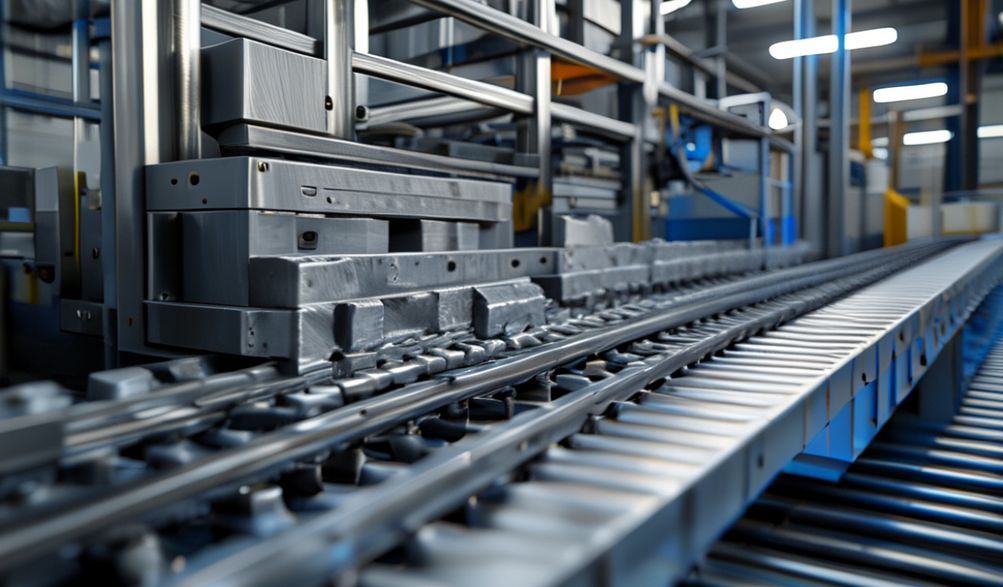
ਸੀਮੈਂਟ ਬਲਾਕ ਬਣਾਉਣ ਵਾਲੀ ਮਸ਼ੀਨ ਖਰੀਦਣ ਦੀ ਪੂਰੀ ਗਾਈਡ | ਫੁਡਾ ਫੈਕਟਰੀ ਤੋਂ ਮਾਹਿਰਾਂ ਦੀਆਂ ਸਲਾਹਾਂ
ਉਸਾਰੀ ਅਤੇ ਨਿਰਮਾਣ ਸਮੱਗਰੀ ਦੇ ਉਤਪਾਦਨ ਦੀ ਦੁਨੀਆ ਵਿੱਚ, ਤੁਹਾਡੀ ਮਸ਼ੀਨਰੀ ਸਿਰਫ਼ ਇੱਕ ਸੰਦ ਨਹੀਂ ਹੈ - ਇਹ ਤੁਹਾਡੀ ਉਤਪਾਦਕਤਾ, ਗੁਣਵੱਤਾ ਅਤੇ ਅੰਤ ਵਿੱਚ, ਤੁਹਾਡੀ ਮੁਨਾਫ਼ੇ ਦੀ ਰੀੜ੍ਹ ਦੀ ਹੱਡੀ ਹੈ। ਸੀਮੈਂਟ ਬਲਾਕ ਬਣਾਉਣ ਵਾਲੀ ਮਸ਼ੀਨ ਖਰੀਦਣ ਦਾ ਫੈਸਲਾ ਇੱਕ ਮਹੱਤਵਪੂਰਨ ਪੂੰਜੀ ਨਿਵੇਸ਼ ਹੈ ਜੋ ਕਿਸੇ ਕਾਰੋਬਾਰ ਨੂੰ ਅੱਗੇ ਵਧਾ ਸਕਦਾ ਹੈ ਜਾਂ ਲਗਾਤਾਰ ਸੰਚਾਲਨ ਸਿਰਦਰਦੀ ਦਾ ਕਾਰਨ ਬਣ ਸਕਦਾ ਹੈ। ਸਪਲਾਇਰਾਂ, ਤਕਨੀਕੀ ਸ਼ਬਦਾਵਲੀ ਅਤੇ ਵੱਖ-ਵੱਖ ਕੀਮਤ ਬਿੰਦੂਆਂ ਦੇ ਵਿਸ਼ਾਲ ਬਾਜ਼ਾਰ ਵਿੱਚ ਘੁੰਮਣਾ ਔਖਾ ਹੋ ਸਕਦਾ ਹੈ, ਜਿਸ ਨਾਲ ਤੁਹਾਨੂੰ ਇਹ ਸੋਚਣਾ ਪੈਂਦਾ ਹੈ ਕਿ ਇੱਕ ਸਮਝਦਾਰ, ਸੂਚਿਤ ਖਰੀਦਦਾਰੀ ਕਿਵੇਂ ਕੀਤੀ ਜਾਵੇ ਜੋ ਮਜ਼ਬੂਤ ਨਿਵੇਸ਼ ਲਾਭ ਦੇਵੇ।
ਇਹ ਵਿਆਪਕ ਗਾਈਡ ਸ਼ੋਰ-ਸ਼ਰਾਬੇ ਵਿੱਚੋਂ ਸੱਚਾਈ ਨੂੰ ਬਾਹਰ ਕੱਢਣ ਲਈ ਤਿਆਰ ਕੀਤੀ ਗਈ ਹੈ। ਦਹਾਕਿਆਂ ਦੇ ਹੱਥੀਂ ਤਜਰਬੇ ਤੋਂ ਇਕੱਠੀ ਕੀਤੀ ਗਈਅਨੁਭਵਅਤੇ ਤਕਨੀਕੀਮਾਹਰਤਾਇੰਜੀਨੀਅਰਾਂ ਅਤੇ ਉਤਪਾਦਨ ਮਾਹਿਰਾਂ ਵਿੱਚੋਂਫੂਦਾ ਬਲਾਕ ਬਣਾਉਣ ਦਾ ਕਾਰਖਾਨਾਇਹ ਸਰੋਤ ਤੁਹਾਡੀ ਅਥਾਰਟੀ ਵਾਲੀ ਰੋਡਮੈਪ ਦਾ ਕੰਮ ਕਰਦਾ ਹੈ। ਅਸੀਂ ਮੁੱਖ ਚੁਣੌਤੀਆਂ ਨੂੰ ਸਮਝਦੇ ਹਾਂ: ਤਕਨੀਕੀ ਨਿਰਧਾਰਨਾਂ ਦੀ ਤੁਲਨਾ ਕਰਨਾ, ਅਸਲ ਦੀਰਘਕਾਲੀ ਲਾਗਤ ਦਾ ਮੁਲਾਂਕਣ ਕਰਨਾ, ਭਰੋਸੇਯੋਗ ਨਿਰਮਾਤਾਵਾਂ ਦੀ ਪਛਾਣ ਕਰਨਾ, ਅਤੇ ਉਹਨਾਂ ਖਰਚੀਲੀਆਂ ਗਲਤੀਆਂ ਤੋਂ ਬਚਣਾ ਜੋ ਕਿਸੇ ਪ੍ਰੋਜੈਕਟ ਨੂੰ ਪਟੜੀ ਤੋਂ ਉਤਾਰ ਸਕਦੀਆਂ ਹਨ।
ਸਾਡਾ ਵਾਅਦਾ ਹੈ ਕਿ ਅਸੀਂ ਤੁਹਾਨੂੰ ਇੱਕ ਸਪੱਸ਼ਟ, ਕਦਮ-ਦਰ-ਕਦਮ ਢਾਂਚਾ ਪ੍ਰਦਾਨ ਕਰਾਂਗੇ। ਅਸੀਂ ਤੁਹਾਡੀਆਂ ਲੋੜਾਂ ਨੂੰ ਸਮਝਣ, ਮਹੱਤਵਪੂਰਨ ਮਸ਼ੀਨ ਨਿਰਧਾਰਨਾਂ ਨੂੰ ਸਮਝਣ, ਮਾਲਕੀ ਦੀ ਅਸਲ ਕੁੱਲ ਲਾਗਤ ਦੀ ਗਣਨਾ ਕਰਨ ਅਤੇ ਇੱਕ ਪੇਸ਼ੇਵਰ, ਸਥਾਪਿਤ ਫੈਕਟਰੀ ਨੂੰ ਅਸਲ ਵਿੱਚ ਕਿਸ ਚੀਜ਼ ਨੇ ਵੱਖਰਾ ਬਣਾਇਆ ਹੈ, ਇਸ 'ਤੇ ਰੋਸ਼ਨੀ ਪਾਉਣ ਵਿੱਚ ਤੁਹਾਡੀ ਮਦਦ ਕਰਾਂਗੇ। ਭਾਵੇਂ ਤੁਸੀਂ ਇਹ ਲੱਭ ਰਹੇ ਹੋ ਕਿ...ਸੀਮੈਂਟ ਬਲਾਕ ਬਣਾਉਣ ਵਾਲੀ ਮਸ਼ੀਨ ਖਰੀਦੋਇੱਕ ਵੱਡੇ ਪੈਮਾਨੇ ਦੇ ਵਪਾਰਕ ਉੱਦਮ ਜਾਂ ਇੱਕ ਵਧ ਰਹੇ ਸਥਾਨਕ ਕਾਰੋਬਾਰ ਲਈ, ਇਹ ਗਾਈਡਫੂਦਾ ਬਲਾਕ ਬਣਾਉਣ ਦਾ ਕਾਰਖਾਨਾਤੁਹਾਨੂੰ ਆਤਮਵਿਸ਼ਵਾਸ ਨਾਲ ਨਿਵੇਸ਼ ਕਰਨ ਦਾ ਗਿਆਨ ਪ੍ਰਦਾਨ ਕਰੇਗਾ।
ਤੁਹਾਡੀਆਂ ਬਲਾਕ ਪ੍ਰੋਡਕਸ਼ਨ ਦੀਆਂ ਲੋੜਾਂ ਅਤੇ ਮਸ਼ੀਨ ਦੀਆਂ ਕਿਸਮਾਂ ਨੂੰ ਸਮਝਣਾ
ਮਾਡਲਾਂ ਦੀ ਤੁਲਨਾ ਕਰਨ ਜਾਂ ਕੋਟੇਸ਼ਨਾਂ ਦੀ ਬੇਨਤੀ ਕਰਨ ਤੋਂ ਪਹਿਲਾਂ, ਸਭ ਤੋਂ ਮਹੱਤਵਪੂਰਨ ਕਦਮ ਆਪਣੀਆਂ ਆਪਰੇਸ਼ਨਲ ਲੋੜਾਂ ਨੂੰ ਸਪੱਸ਼ਟ ਤੌਰ 'ਤੇ ਪਰਿਭਾਸ਼ਿਤ ਕਰਨਾ ਹੈ। ਇੱਕ ਉੱਚ-ਵਾਲੀਅਮ ਸ਼ਹਿਰੀ ਪ੍ਰੋਜੈਕਟ ਲਈ ਸੰਪੂਰਣ ਮਸ਼ੀਨ ਇੱਕ ਛੋਟੇ ਗ੍ਰਾਮੀਣ ਉੱਦਮ ਲਈ ਜ਼ਰੂਰਤ ਤੋਂ ਵੱਧ ਅਤੇ ਅਕੁਸ਼ਲ ਹੋ ਸਕਦੀ ਹੈ। ਤੁਹਾਡੀਆਂ ਲੋੜਾਂ ਅਤੇ ਮਸ਼ੀਨ ਦੀਆਂ ਸਮਰਥਾਵਾਂ ਵਿਚਕਾਰ ਇਹ ਸੰਬੰਧ ਇੱਕ ਲਾਭਦਾਇਕ ਨਿਵੇਸ਼ ਦੀ ਬੁਨਿਆਦ ਹੈ।
ਆਪਣੇ ਪ੍ਰੋਜੈਕਟ ਦੇ ਦਾਇਰੇ ਦੀ ਪਰਿਭਾਸ਼ਾ: ਆਉਟਪੁੱਟ, ਬਲਾਕ ਕਿਸਮ, ਅਤੇ ਪੈਮਾਨਾ
ਇਹਨਾਂ ਮੁੱਢਲੇ ਸਵਾਲਾਂ ਦਾ ਜਵਾਬ ਦੇ ਕੇ ਸ਼ੁਰੂਆਤ ਕਰੋ। ਤੁਹਾਡੇ ਜਵਾਬ ਸਿੱਧੇ ਤੌਰ 'ਤੇ ਤੁਹਾਨੂੰ ਲੋੜੀਂਦੀ ਮਸ਼ੀਨ ਦੀ ਕਿਸਮ ਅਤੇ ਆਕਾਰ ਨਿਰਧਾਰਤ ਕਰਨਗੇ।
- ਦੈਨਿਕ/ਹਫ਼ਤਾਵਾਰੀ ਉਤਪਾਦਨ ਮਾਤਰਾਤੁਹਾਡਾ ਟਾਰਗੇਟ ਆਉਟਪੁੱਟ ਕੀ ਹੈ? ਕੀ ਤੁਸੀਂ ਪ੍ਰਤੀ ਦਿਨ 1,000 ਬਲਾਕ ਪੈਦਾ ਕਰ ਰਹੇ ਹੋ ਜਾਂ 10,000? ਆਪਣੀ ਮੌਜੂਦਾ ਮੰਗ ਅਤੇ ਅਨੁਮਾਨਤ ਵਿਕਾਸ ਦੋਵਾਂ ਬਾਰੇ ਹਕੀਕਤੀ ਬਣੋ।
- ਬਲਾਕਾਂ ਦੀਆਂ ਕਿਸਮਾਂ:ਤੁਸੀਂ ਕਿਹੜੇ ਉਤਪਾਦ ਬਣਾਓਗੇ? ਆਮ ਕਿਸਮਾਂ ਵਿੱਚ ਸ਼ਾਮਲ ਹਨ:
- ਸਾਲਿਡ ਬਲਾਕ
- ਖੋਖਲੇ ਬਲਾਕ (ਵੱਖ-ਵੱਖ ਗੁਫਾ ਦੇ ਪ੍ਰਤੀਸ਼ਤ)
- ਪੇਵਿੰਗ ਸਟੋਨ ਤੇ ਇੰਟਰਲਾਕਿੰਗ ਪੇਵਰ
- ਕਰਬਸਟੋਨ
- ਵਿਸ਼ੇਸ਼ ਡਿਜ਼ਾਈਨ ਬਲਾਕ
- ਉਪਲਬਧ ਬੁਨਿਆਦੀ ਢਾਂਚਾਕੀ ਤੁਹਾਡੇ ਕੋਲ ਸਮਰਪਿਤ ਫੈਕਟਰੀ ਦੀ ਜਗ੍ਹਾ ਹੈ? ਇਸਦੇ ਆਕਾਰ ਕੀ ਹਨ? ਤੁਹਾਡੀ ਉਪਲਬਧ ਬਿਜਲੀ ਸਪਲਾਈ ਕੀ ਹੈ (ਆਮ ਤੌਰ 'ਤੇ ਆਟੋਮੈਟਿਕ ਮਸ਼ੀਨਾਂ ਲਈ ਤਿੰਨ-ਫੇਜ਼ ਉਦਯੋਗਿਕ ਬਿਜਲੀ ਦੀ ਲੋੜ ਹੁੰਦੀ ਹੈ)?
- ਮਜ਼ਦੂਰੀ ਦੀ ਉਪਲਬਧਤਾ ਅਤੇ ਲਾਗਤਤੁਸੀਂ ਕਿੰਨੇ ਓਪਰੇਟਰ ਅਲਾਟ ਕਰ ਸਕਦੇ ਹੋ? ਇਹ ਕਾਰਕ ਮੈਨੂਅਲ, ਸੈਮੀ-ਆਟੋਮੈਟਿਕ ਅਤੇ ਪੂਰੀ ਤਰ੍ਹਾਂ ਆਟੋਮੈਟਿਕ ਸਿਸਟਮਾਂ ਵਿਚਕਾਰ ਚੋਣ ਨੂੰ ਬਹੁਤ ਪ੍ਰਭਾਵਿਤ ਕਰਦਾ ਹੈ।
ਸੀਮੈਂਟ ਬਲਾਕ ਬਣਾਉਣ ਵਾਲੀ ਮਸ਼ੀਨਾਂ ਦੀਆਂ ਕਿਸਮਾਂ ਬਾਰੇ ਵਿਆਖਿਆ
ਸੀਮੈਂਟ ਬਲਾਕ ਮਸ਼ੀਨਾਂ ਨੂੰ ਆਮ ਤੌਰ 'ਤੇ ਉਹਨਾਂ ਦੇ ਆਟੋਮੇਸ਼ਨ ਦੇ ਪੱਧਰ ਦੇ ਆਧਾਰ 'ਤੇ ਸ਼੍ਰੇਣੀਬੱਧ ਕੀਤਾ ਜਾਂਦਾ ਹੈ, ਜੋ ਸਿੱਧੇ ਤੌਰ 'ਤੇ ਆਉਟਪੁੱਟ, ਮਜ਼ਦੂਰੀ ਦੀਆਂ ਲੋੜਾਂ ਅਤੇ ਨਿਵੇਸ਼ ਨਾਲ ਜੁੜਿਆ ਹੁੰਦਾ ਹੈ।
- ਮੈਨੂਅਲ ਬਲਾਕ ਬਣਾਉਣ ਵਾਲੀਆਂ ਮਸ਼ੀਨਾਂ:ਪੂਰੀ ਤਰ੍ਹਾਂ ਹੱਥੀਂ ਲੀਵਰ ਵਿਧੀ ਨਾਲ ਚਲਾਇਆ ਜਾਂਦਾ ਹੈ। ਇਹ ਘੱਟ ਕੀਮਤੀ, ਪੋਰਟੇਬਲ ਅਤੇ ਬਿਨਾਂ ਬਿਜਲੀ ਦੇ ਕੰਮ ਕਰਦੇ ਹਨ। ਪਰ, ਆਉਟਪੁੱਟ ਬਹੁਤ ਘੱਟ ਹੁੰਦੀ ਹੈ, ਇਕਸਾਰਤਾ ਵਿੱਚ ਭਿੰਨਤਾ ਹੋ ਸਕਦੀ ਹੈ, ਅਤੇ ਇਹ ਮਿਹਨਤ-ਭਰਪੂਰ ਹਨ। ਬਹੁਤ ਛੋਟੇ ਪੱਧਰ ਦੇ, ਸਾਈਟ 'ਤੇ ਪ੍ਰੋਜੈਕਟਾਂ ਲਈ ਢੁੱਕਵੇਂ ਹਨ।
- ਸੈਮੀ-ਆਟੋਮੈਟਿਕ ਬਲਾਕ ਬਣਾਉਣ ਵਾਲੀਆਂ ਮਸ਼ੀਨਾਂ:ਇਹ ਛੋਟੇ ਤੋਂ ਦਰਮਿਆਨੇ ਕਾਰੋਬਾਰਾਂ ਲਈ ਕੰਮ ਕਰਨ ਵਾਲੇ ਮੁੱਖ ਉਪਕਰਨ ਹਨ। ਮਿਲਾਉਣ, ਹਿਲਾਉਣ ਅਤੇ ਦਬਾਉਣ ਦੇ ਮੁੱਖ ਕਾਰਜ ਬਿਜਲੀ (ਆਮ ਤੌਰ 'ਤੇ ਇਲੈਕਟ੍ਰਿਕ ਮੋਟਰ ਅਤੇ ਹਾਈਡ੍ਰੌਲਿਕ ਸਿਸਟਮ ਰਾਹੀਂ) ਨਾਲ ਚੱਲਦੇ ਹਨ, ਪਰ ਬਲਾਕਾਂ ਨੂੰ ਠੀਕ ਕਰਨ ਵਾਲੇ ਖੇਤਰ ਵਿੱਚ ਹੱਥੀਂ ਲਿਜਾਇਆ ਜਾਂਦਾ ਹੈ। ਇਹ ਸਸਤੇ ਨਿਵੇਸ਼, ਚੰਗੇ ਉਤਪਾਦਨ (ਜਿਵੇਂ, 8-ਘੰਟੇ ਦੀ ਸ਼ਿਫਟ ਵਿੱਚ 2,000 – 8,000 ਬਲਾਕ) ਅਤੇ ਚੱਲਣ ਦੀ ਲਚਕਤਾ ਦਾ ਵਧੀਆ ਸੰਤੁਲਨ ਪੇਸ਼ ਕਰਦੇ ਹਨ।
- ਪੂਰੀ ਤਰ੍ਹਾਂ ਆਟੋਮੈਟਿਕ ਬਲਾਕ ਬਣਾਉਣ ਵਾਲੀਆਂ ਮਸ਼ੀਨਾਂ:ਇਹ ਮੁਕੰਮਲ ਉਤਪਾਦਨ ਲਾਈਨਾਂ ਹਨ। ਇਹ ਕਨਵੇਅਰ ਬੈਲਟਾਂ ਅਤੇ ਪ੍ਰੋਗਰਾਮੇਬਲ ਲਾਜ਼ਿਕ ਕੰਟਰੋਲਰਾਂ (PLCs) ਰਾਹੀਂ ਆਟੋਮੈਟਿਕ ਸਮੱਗਰੀ ਫੀਡਿੰਗ, ਬਲਾਕ ਮੋਲਡਿੰਗ, ਪ੍ਰੈਸਿੰਗ, ਕਿਊਰਿੰਗ ਪੈਲਟ ਹੈਂਡਲਿੰਗ, ਅਤੇ ਬਲਾਕ ਸਟੈਕਿੰਗ ਨੂੰ ਇਕਸਾਰ ਕਰਦੀਆਂ ਹਨ। ਇਹਨਾਂ ਵਿੱਚ ਘੱਟ ਮਜ਼ਦੂਰੀ ਦੀ ਲੋੜ ਹੁੰਦੀ ਹੈ, ਸਭ ਤੋਂ ਵੱਧ ਅਤੇ ਇਕਸਾਰ ਆਉਟਪੁੱਟ (10,000+ ਬਲਾਕ ਪ੍ਰਤੀ ਸ਼ਿਫਟ) ਪ੍ਰਦਾਨ ਕਰਦੀਆਂ ਹਨ, ਪਰ ਇਹਨਾਂ ਦੀ ਸ਼ੁਰੂਆਤੀ ਨਿਵੇਸ਼ ਕਾਫੀ ਜ਼ਿਆਦਾ ਹੁੰਦਾ ਹੈ। ਵੱਡੇ ਪੈਮਾਨੇ ਦੇ, ਨਿਰੰਤਰ ਉਤਪਾਦਨ ਲਈ ਆਦਰਸ਼।
- ਮੋਬਾਈਲ ਬਲਾਕ ਮਸ਼ੀਨਾਂ:ਇੱਕ ਬਹੁਪ੍ਰਯੋਗੀ ਉਪ-ਕਿਸਮ, ਜੋ ਅਕਸਰ ਟ੍ਰੇਲਰ 'ਤੇ ਲਗਾਇਆ ਜਾਂਦਾ ਹੈ। ਇਹ ਕੰਮ ਵਾਲੀ ਥਾਂ 'ਤੇ ਸਿੱਧੇ ਬਲਾਕ ਪੈਦਾ ਕਰ ਸਕਦੇ ਹਨ, ਵੱਡੇ ਪ੍ਰੋਜੈਕਟਾਂ ਲਈ ਆਵਾਜਾਈ ਦੀਆਂ ਲਾਗਤਾਂ ਨੂੰ ਖਤਮ ਕਰਦੇ ਹਨ। ਇਹ ਆਮ ਤੌਰ 'ਤੇ ਅਰਧ-ਆਟੋਮੈਟਿਕ ਕਾਰਜ ਵਾਲੇ ਹੁੰਦੇ ਹਨ।
Core Machine Mechanisms: Vibrating, Pressing, and Molding Systems
The quality of a block is determined by its density and strength, which are direct results of the machine’s core mechanisms.
- ਵਾਈਬ੍ਰੇਸ਼ਨ ਸਿਸਟਮ: High-frequency, powerful vibration is essential to compact the raw concrete mix and remove air pockets, leading to a dense, strong block. Look for machines with durable vibration motors and a well-designed vibration table that ensures even distribution.
- Pressing System (Hydraulic): Hydraulic pressure further compacts the vibrated mix in the mold. A robust hydraulic system with stable, high pressure is key for achieving consistent block height, sharp edges, and immediate demolding strength. The quality of the hydraulic pump, valves, and cylinders is a major indicator of machine reliability.
- ਮੋਲਡ ਸਿਸਟਮ: The mold gives the block its shape and dimensions. Precision-machined, heat-treated steel molds are critical. They must withstand immense pressure and abrasion. A quality mold produces blocks with smooth surfaces, precise tolerances, and a long service life before needing refurbishment.
Key Technical Specifications You Must Evaluate
When you receive a brochure or specification sheet, these are the non-negotiable metrics you need to scrutinize. They tell the real story behind the marketing claims.
Production Capacity & Cycle Time: Interpreting the Numbers
Suppliers often state a “theoretical” maximum output. Your job is to find the realistic, sustainable output.
- ਸਾਈਕਲ ਟਾਈਮ: This is the total time (in seconds) the machine takes to complete one full process: feeding material, vibrating, pressing, and ejecting the block. A shorter cycle time means higher potential output.
- Realistic Calculation: If a machine has a 20-second cycle time, it can theoretically produce 3 blocks per minute, or 1,440 blocks in an 8-hour shift (non-stop). In reality, you must factor in time for mold changes, maintenance breaks, and operator efficiency. A realistic output might be 1,000-1,200 blocks in that shift. Always ask suppliers for real-world data from similar client projects.
Power & Hydraulic Systems: The Heart of Reliability
This is the engine room of your machine. Compromising here leads to downtime.
- ਮੋਟਰ ਪਾਵਰ: Rated in kilowatts (kW). A more powerful motor can drive higher vibration and hydraulic pressure, but it must be matched efficiently to the machine’s design. Ensure the motor is from a reputable brand (e.g., Siemens, WEG) for longevity.
- ਹਾਈਡ੍ਰੌਲਿਕ ਸਿਸਟਮ: Don’t just look at maximum pressure. Inquire about the brand of the hydraulic pump and valves (e.g., Rexroth, Yuken). A system with quality components, proper filtration, and efficient cooling will run cooler, last longer, and require less maintenance than a cheaper, generic alternative. Ask about the design of the hydraulic circuit—is it stable and precise?
Mold Quality and Customization Options
Your ability to diversify your product line depends on this.
- Mold Material & Construction: Insist on molds made from high-chromium alloy steel that has been heat-treated (hardened). This resists wear far better than mild steel. The inner surfaces should be precision-machined to a smooth finish.
- Interchangeability: A well-designed machine allows for relatively quick and easy mold changes. Ask how long it takes to switch from producing hollow blocks to pavers, for example.
- Custom Mold Development: A strong factory like FUDA will have in-house mold design and fabrication capabilities. This means you can order custom block shapes or sizes to meet specific market demands or architectural requirements, giving you a competitive edge.
Beyond the Machine: The Total Cost of Ownership (TCO)
The purchase price is just the entry ticket. The true cost of owning and operating the machine over 5-10 years is what determines your real profit margin.
Initial Investment vs. Long-Term Operational Costs
A holistic cost breakdown includes:
- ਸ਼ੁਰੂਆਤੀ ਖਰਚੇ: Machine Price (FOB or CIF), International Shipping & Insurance, Import Duties & Taxes, In-country Transportation, Foundation & Installation, Initial Operator Training.
- Long-Term Operational Costs: Regular Maintenance (filters, hydraulic oil), Spare Parts (wear parts like mold liners, vibration motors), Energy Consumption, Labor, and Raw Material Waste.
A slightly more expensive machine from a quality manufacturer often has significantly lower long-term operational costs due to higher efficiency, durability, and less downtime.
Energy Efficiency and Raw Material Consumption
A well-engineered machine is optimized to do more with less.
- Energy: An efficient hydraulic system and well-balanced vibration motors consume less electricity per block produced. This is a direct, recurring cost saving.
- ਕੱਚਾ ਮਾਲ: Through optimal vibration and pressure, a good machine achieves maximum density with the ideal cement-to-aggregate ratio. This means you use less expensive cement per block without compromising strength, directly boosting your material cost profitability.
The Critical Role of After-Sales Support and Service
This is arguably the most critical ਭਰੋਸੇਯੋਗਤਾ factor. A machine without support is a liability.
- What to Expect: Comprehensive operation and maintenance manuals (in your language), detailed installation drawings, remote troubleshooting via video call, readily available spare parts with a clear parts catalog, and training for your technicians.
- The Red Flags: Suppliers who are vague about support, cannot provide a spare parts list, or do not offer any form of post-purchase guidance. A professional factory will have a dedicated after-sales service team.
Why Choosing an Established Factory Matters: The FUDA Advantage
In a global market, it’s easy to find a trader selling a machine. Finding the actual manufacturer with skin in the game is harder and far more valuable. Here’s what sets a true factory partner apart.
Manufacturing Expertise and In-House R&D
ਵਿਚਫੂਦਾ, our machines are born from the factory floor. Our engineering team doesn’t just design on paper; they work alongside our production and quality control staff. This ਅਨੁਭਵ means every design iteration is tested against real-world production challenges. We incorporate direct feedback from our global client network into continuous product improvement, ensuring our machines solve actual problems and boost productivity. This deep, practical ਮਾਹਰਤਾ is something a mere reseller cannot offer.
Quality Control from Raw Materials to Final Testing
ਅਧਿਕਾਰਤਾ is built through rigorous processes. Our commitment to quality is not a slogan; it’s a documented system.
* ਮੈਟੀਰੀਅਲ ਸੋਰਸਿੰਗ: We procure steel plates, hydraulic components, and electrical parts from certified, reputable suppliers.
* In-House Manufacturing: Key components like frames, molds, and vibration tables are fabricated and machined within our controlled facility.
* Assembly & Testing: Every machine is assembled by experienced technicians. Before shipment, it undergoes a rigorous 48-72 hour no-load and load test, producing sample blocks to verify performance, stability, and output against its specifications.
Building Trust Through Transparency and Client Partnerships
ਭਰੋਸੇਯੋਗਤਾ must be demonstrated, not just claimed. We build it through:
* Verifiable Evidence: We encourage and facilitate factory audits, either in-person or via live video tour. You can see our production lines, our inventory, and our team.
* Client Proof: We provide authentic, contactable client references and detailed case studies from projects similar to yours.
* Clear Communication: We provide transparent quotations with detailed breakdowns, explain technical details patiently, and are clear about what is and isn’t included. Our goal is a long-term partnership, not a one-time transaction.
The Smart Buyer’s Checklist: Steps Before You Purchase
Follow this actionable checklist to methodically narrow down your options and make a secure decision.
Step 1: Conduct Thorough Supplier Due Diligence
- Verify they are a true factory. Ask for their business license, factory address, and production videos.
- Request 2-3 client references in a region similar to yours and actually contact them.
- Research their company history and reputation online. How long have they been manufacturing?
Step 2: Request and Analyze a Detailed Quotation
A professional quote should include:
* Detailed machine model and technical specifications.
* Clear Price Terms: Is it EXW (Ex-Works), FOB (Free On Board), or CIF (Cost, Insurance, Freight)? This drastically affects your final cost.
* Package Details: What is included? Standard molds (which sizes?), pallets, control cabinet, etc.
* Warranty Period (typically 12 months for machinery, 3-6 months for wear parts like molds).
* Payment Terms (e.g., 30% deposit, 70% before shipment).
* Estimated Production Lead Time.
Step 3: Plan for Installation, Commissioning, and Training
- Preparation: Ensure your foundation is poured according to the factory’s drawings.
- Commissioning: Plan for the arrival. Will you need a local technician, or will the factory dispatch an engineer (often at an additional cost but highly recommended for automatic lines)?
- ਟ੍ਰੇਨਿੰਗ Ensure your core operators are present during commissioning for hands-on training. Document the process.
Frequently Asked Questions (FAQ)
Q1: What is the average price range for a cement block making machine?
A: Prices vary dramatically based on automation and capacity. A small manual machine can cost a few thousand dollars, a robust semi-automatic machine may range from $15,000 to $50,000, and a fully automatic production line can start from $80,000 and go well into the hundreds of thousands. The only way to get an accurate price is to provide your requirements for a detailed quotation.
Q2: How do I choose between a semi-automatic and a fully automatic machine?
A: Consider three factors: Budget, Labor, and Output. Choose a ਸੈਮੀ-ਆਟੋਮੈਟਿਕ machine if you have a moderate budget, available labor, and need flexibility for multiple block types in smaller batches. Choose a ਪੂਰੀ ਤਰ੍ਹਾਂ ਆਟੋਮੈਟਿਕ machine if your priority is maximizing output with minimal labor, you have a higher initial budget, and you require consistent, high-volume production of a standard product mix.
Q3: What kind of after-sales service should I expect from a reputable factory like FUDA?
A: You should expect: 1) Detailed English operation and maintenance manuals with diagrams. 2) Installation layout drawings. 3) Remote troubleshooting support via WhatsApp/Video call. 4) A comprehensive spare parts catalog with part numbers. 5) Priority access to spare parts. 6) The option to have a factory engineer dispatched for on-site installation and training (service fee applies).
Q4: Can the machine produce different types and sizes of blocks?
A: Absolutely. This is achieved by changing the mold set. A standard machine is usually quoted with one or two mold sets (e.g., for hollow block and solid block). You can purchase additional mold sets for pavers, curbstones, or custom designs. A quality machine is designed for relatively straightforward mold interchangeability.
Q5: What raw materials (mix design) are required for optimal block quality?
A: A standard mix design is roughly 1 part cement, 3-6 parts sand/aggregate (depending on aggregate size and desired strength), and sufficient water for a semi-dry consistency. However, the optimal mix depends heavily on your local materials. A responsible factory will provide general guidance and work with you to adjust the mix design based on samples of your local sand and cement for the best results.
Conclusion
Purchasing a cement block making machine is a strategic decision that hinges on aligning precise technical capabilities with your specific business goals. By thoroughly understanding your production needs, scrutinizing the core technical specifications, and calculating the true total cost of ownership, you move from being a hopeful buyer to an informed investor.
Ultimately, this decision is about forging a long-term partnership. The most critical factor for ensuring success, maximizing your ROI, and achieving peace of mind is selecting a manufacturer with proven ਅਨੁਭਵਡੂੰਘਾ ਤਕਨੀਕੀਮਾਹਰਤਾ, demonstrable industry ਅਧਿਕਾਰਤਾ, and a transparent track record of ਭਰੋਸੇਯੋਗਤਾ. At FUDA Factory, we build more than machines; we build the foundation for our clients’ growth and success.
Ready to discuss your specific project needs with our engineering team? Contact FUDA Factory today for a personalized consultation and a detailed quotation tailored to your production goals.
<