
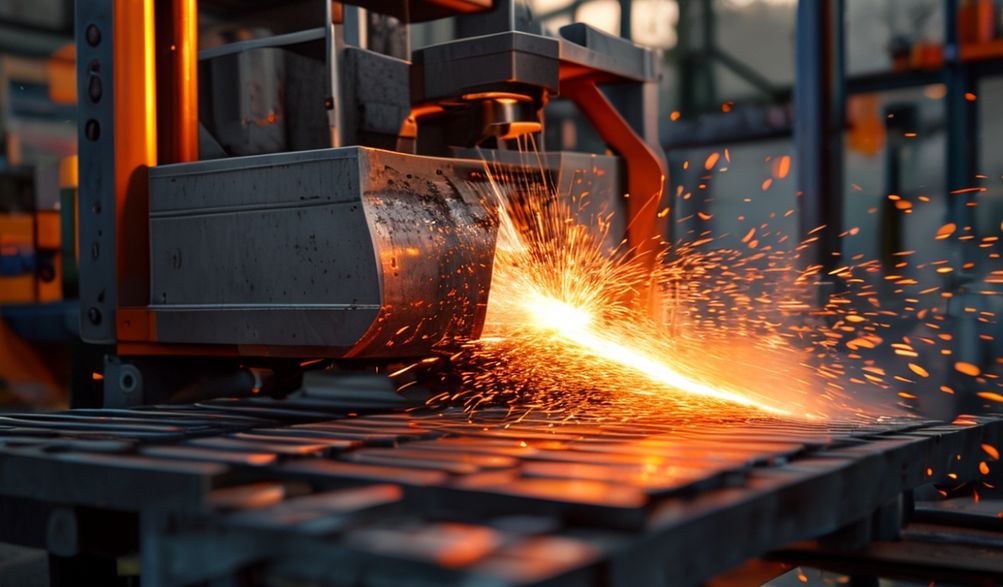
ਬਲਾਕ ਮੋਲਡਿੰਗ ਮਸ਼ੀਨਾਂ ਦੀ ਅੰਤਮ ਗਾਈਡ: ਕਿਸਮਾਂ, ਵਰਤੋਂ, ਅਤੇ ਚੋਣ ਕਿਵੇਂ ਕਰੀਏ
ਪਰਿਚਯ
ਗਲੋਬਲ ਨਿਰਮਾਣ ਉਦਯੋਗ 40 ਬਿਲੀਅਨ ਟਨ ਕਾਰਬਨ ਡਾਈਆਕਸਾਈਡ ਦਾ ਉਤਸਰਜਨ ਕਰਦਾ ਹੈ।ਹਰ ਸਾਲ 5 ਅਰਬ ਕੰਕਰੀਟ ਬਲਾਕ, ਆਧੁਨਿਕ ਬੁਨਿਆਦੀ ਢਾਂਚੇ ਦੀ ਮੁੱਢਲੀ ਰੀੜ੍ਹ ਦੀ ਹੱਡੀ ਬਣਦੇ ਹੋਏ। ਹਰ ਮਜ਼ਬੂਤ ਕੰਧ, ਟਿਕਾਊ ਫੁੱਟਪਾਥ ਅਤੇ ਲਚਕੀਲੇ ਭਵਨ ਦੇ ਪਿੱਛੇ ਇੱਕ ਮਸ਼ੀਨ ਹੁੰਦੀ ਹੈ ਜੋ ਸ਼ੁੱਧਤਾ ਅਤੇ ਸ਼ਕਤੀ ਲਈ ਤਿਆਰ ਕੀਤੀ ਗਈ ਹੈ। ਸਹੀ ਉਪਕਰਣ ਚੁਣਨਾ ਸਿਰਫ਼ ਖਰੀਦਦਾਰੀ ਨਹੀਂ ਹੈ; ਇਹ ਇੱਕ ਮਹੱਤਵਪੂਰਨ ਵਪਾਰਕ ਫੈਸਲਾ ਹੈ ਜੋ ਤੁਹਾਡੀ ਉਤਪਾਦਨ ਸਮਰੱਥਾ, ਉਤਪਾਦ ਦੀ ਗੁਣਵੱਤਾ ਅਤੇ ਲੰਬੇ ਸਮੇਂ ਦੀ ਮੁਨਾਫ਼ਾਦਾਰੀ ਨੂੰ ਨਿਰਧਾਰਤ ਕਰਦਾ ਹੈ।
ਉਸਾਰੀ ਉਪਕਰਣ ਨਿਰਮਾਣ ਅਤੇ ਤਕਨੀਕੀ ਸਲਾਹ-ਮਸ਼ਵਰੇ ਵਿੱਚ ਦੋ ਦਹਾਕਿਆਂ ਤੋਂ ਵੱਧ ਦੇ ਤਜ਼ਰਬੇ ਨਾਲ, ਅਸੀਂ ਆਪਣੀਆਂ ਅੱਖਾਂ ਨਾਲ ਦੇਖਿਆ ਹੈ ਕਿ ਕਿਵੇਂ ਸਭ ਤੋਂ ਵਧੀਆਬਲਾਕ ਮੋਲਡਿੰਗ ਮਸ਼ੀਨਕਿਸੇ ਵਪਾਰ ਦੀ ਸਫਲਤਾ ਨੂੰ ਉਤਪ੍ਰੇਰਿਤ ਕਰ ਸਕਦਾ ਹੈ, ਜਦੋਂ ਕਿ ਇੱਕ ਅਣਫਿੱਟ ਚੋਣ ਨਿਰਾਸ਼ਾਜਨਕ ਰੁਕਾਵਟਾਂ ਪੈਦਾ ਕਰ ਸਕਦੀ ਹੈ। ਇਹ ਗਾਈਡ ਉਸ ਹੱਥੀਂ ਕੀਤੇ ਤਜ਼ਰਬੇ ਤੋਂ ਤਿਆਰ ਕੀਤੀ ਗਈ ਹੈ, ਜੋ ਕਿ ਰੌਲੇ-ਰੱਪੇ ਨੂੰ ਕੱਟ ਕੇ ਤੁਹਾਨੂੰ ਸਪਸ਼ਟ ਅਤੇ ਕਾਰਗਾਰ ਸਮਝ ਪ੍ਰਦਾਨ ਕਰਨ ਲਈ ਤਿਆਰ ਕੀਤੀ ਗਈ ਹੈ।
A ਬਲਾਕ ਮੋਲਡਿੰਗ ਮਸ਼ੀਨਇੱਕ ਵਿਸ਼ੇਸ਼ ਉਪਕਰਨ ਹੈ ਜੋ ਕੰਕਰੀਟ, ਫਲਾਈ ਐਸ਼, ਜਾਂ ਮਿੱਟੀ ਵਰਗੇ ਕੱਚੇ ਮਾਲ ਨੂੰ ਵਾਈਬ੍ਰੇਸ਼ਨ ਅਤੇ ਦਬਾਅ ਹੇਠ ਇੱਕ ਢਾਲੇ ਹੋਏ ਮੋਲਡ ਵਿੱਚ ਜਮਾ ਕੇ ਕੰਕਰੀਟ ਬਲਾਕ, ਪੇਵਰ, ਇੱਟਾਂ ਅਤੇ ਹੋਰ ਚਿਣਾਈ ਇਕਾਈਆਂ ਬਣਾਉਂਦਾ ਹੈ। ਇਹ ਲੇਖ ਤੁਹਾਡੇ ਲਈ ਇੱਕ ਵਿਆਪਕ ਅਤੇ ਭਰੋਸੇਯੋਗ ਸਰੋਤ ਹੈ। ਭਾਵੇਂ ਤੁਸੀਂ ਇੱਕ ਕਾਰੋਬਾਰੀ ਮਾਲਕ ਹੋ ਜੋ ਵਿਸਥਾਰ ਕਰ ਰਿਹਾ ਹੈ, ਇੱਕ ਉਸਾਰੀ ਪ੍ਰਬੰਧਕ ਜੋ ਸਾਈਟ ਉਤਪਾਦਨ ਨੂੰ ਅਨੁਕੂਲ ਬਣਾ ਰਿਹਾ ਹੈ, ਜਾਂ ਇੱਕ ਉੱਦਮੀ ਜੋ ਉਸਾਰੀ ਸਮੱਗਰੀ ਬਾਜ਼ਾਰ ਵਿੱਚ ਦਾਖਲ ਹੋ ਰਿਹਾ ਹੈ, ਅਸੀਂ ਤੁਹਾਨੂੰ ਵੱਖ-ਵੱਖ ਕਿਸਮਾਂ ਦੀਆਂ ਮਸ਼ੀਨਾਂ, ਉਨ੍ਹਾਂ ਦੇ ਵਿਸ਼ਾਲ ਉਪਯੋਗਾਂ, ਅਤੇ ਬੁੱਧੀਮਾਨ ਨਿਵੇਸ਼ ਕਰਨ ਲਈ ਮਹੱਤਵਪੂਰਨ ਕਾਰਕਾਂ ਨੂੰ ਸਮਝਣ ਦਾ ਗਿਆਨ ਪ੍ਰਦਾਨ ਕਰਾਂਗੇ।
ਬਲਾਕ ਮੋਲਡਿੰਗ ਮਸ਼ੀਨ ਕੀ ਹੈ ਅਤੇ ਇਹ ਕਿਵੇਂ ਕੰਮ ਕਰਦੀ ਹੈ?
ਇਸ ਦੇ ਮੂਲ ਵਿੱਚ, ਇੱਕ ਬਲਾਕ ਮੋਲਡਿੰਗ ਮਸ਼ੀਨ ਚਿਣਾਈ ਇਕਾਈਆਂ ਬਣਾਉਣ ਦੀ ਪੁਰਾਣੀ ਪ੍ਰਕਿਰਿਆ ਨੂੰ ਆਟੋਮੇਟ ਅਤੇ ਸੁਧਾਰਦੀ ਹੈ। ਇਹ ਇੱਕ ਢਿੱਲੇ, ਸੁੱਕੇ ਕੰਕਰੀਟ ਮਿਸ਼ਰਣ ਨੂੰ ਇੱਕ ਸੰਘਣੇ, ਜਿਓਮੈਟ੍ਰਿਕ ਤੌਰ 'ਤੇ ਸੰਪੂਰਨ ਬਲਾਕ ਵਿੱਚ ਬਦਲਦੀ ਹੈ ਜੋ ਸਖ਼ਤ ਹੋਣ ਲਈ ਤਿਆਰ ਹੁੰਦਾ ਹੈ। ਇਸ ਦੇ ਮੂਲ ਕਾਰਜ ਨੂੰ ਸਮਝਣਾ ਇਸ ਦੀ ਮਹੱਤਤਾ ਅਤੇ ਗੁੰਝਲਦਾਰਤਾ ਦੀ ਕਦਰ ਕਰਨ ਲਈ ਮੁੱਖ ਹੈ।
ਕੋਰ ਕੰਪੋਨੈਂਟਸ ਅਤੇ ਮਕੈਨਿਕਸ
ਜਦੋਂ ਕਿ ਡਿਜ਼ਾਈਨ ਵੱਖ-ਵੱਖ ਹੁੰਦੇ ਹਨ, ਪਰ ਜ਼ਿਆਦਾਤਰ ਮਸ਼ੀਨਾਂ ਵਿੱਚ ਇਹ ਜ਼ਰੂਰੀ ਭਾਗ ਸਾਂਝੇ ਹੁੰਦੇ ਹਨ:
- ਮੋਲਡ ਜਾਂ ਮੋਲਡ ਕੈਵਿਟੀ:ਮਸ਼ੀਨ ਦਾ ਦਿਲ। ਇਹ ਇੱਕ ਸ਼ੁੱਧਤਾ ਨਾਲ ਤਿਆਰ ਕੀਤਾ ਗਿਆ ਸਟੀਲ ਬਕਸਾ ਹੈ ਜੋ ਬਲਾਕ ਦੀ ਸ਼ਕਲ ਅਤੇ ਆਕਾਰ ਨੂੰ ਨਿਰਧਾਰਤ ਕਰਦਾ ਹੈ (ਜਿਵੇਂ ਕਿ ਖੋਖਲਾ ਬਲਾਕ, ਪੇਵਰ)। ਇਹ ਬਦਲਣ ਯੋਗ ਹੈ, ਜਿਸ ਨਾਲ ਇੱਕ ਮਸ਼ੀਨ ਵੱਖ-ਵੱਖ ਉਤਪਾਦ ਤਿਆਰ ਕਰ ਸਕਦੀ ਹੈ।
- ਵਾਈਬ੍ਰੇਸ਼ਨ ਸਿਸਟਮ:ਆਮ ਤੌਰ ’ਤੇ, ਇੱਕ ਇਲੈਕਟ੍ਰਿਕ ਮੋਟਰ ’ਤੇ ਅਸੈਂਟ੍ਰਿਕ ਭਾਰ ਲਗਾਏ ਹੁੰਦੇ ਹਨ। ਇਹ ਸਿਸਟਮ ਉੱਚ-ਆਵਿਰਤੀ ਵਾਲੀਆਂ ਕੰਪਨਾਂ ਪੈਦਾ ਕਰਦਾ ਹੈ, ਜੋ ਮੋਲਡ ਟੇਬਲ ’ਤੇ ਟ੍ਰਾਂਸਫਰ ਕੀਤੀਆਂ ਜਾਂਦੀਆਂ ਹਨ।
- ਸੰਕੁਚਨ ਪ੍ਰਣਾਲੀਇਹ ਇੱਕ (can be a)ਹਾਈਡ੍ਰੌਲਿਕ ਪ੍ਰੈੱਸ(ਤਰਲ ਸ਼ਕਤੀ ਦੀ ਵਰਤੋਂ ਕਰਦੇ ਹੋਏ) ਜਾਂਮਕੈਨੀਕਲ ਪ੍ਰੈਸ (using leverage or cams) that applies downward force on the material in the mold.
- ਫੀਡਿੰਗ ਸਿਸਟਮ: A hopper that holds the raw material and a feeder that distributes it evenly into the mold cavities. In automatic machines, this is precisely controlled by the system.
- Pallet Circulation System: Steel or wooden pallets are fed onto the machine bed. The block is formed on this pallet, which then carries it through to the curing area, ensuring the green (uncured) block maintains its shape.
- ਕੰਟਰੋਲ ਪੈਨਲ: Houses the electrical controls, from simple manual switches to advanced PLC (Programmable Logic Controller) systems that manage the entire production cycle in automatic models.
The basic production cycle is a continuous loop: Feeding > Compaction & Vibration > Ejection > Pallet Return.
The Role of Vibration and Compression
The synergy of vibration and compression is what creates a strong, durable block with a smooth finish.
- ਵਾਈਬ੍ਰੇਸ਼ਨ As the dry mix is fed into the mold, the vibration system activates. This high-frequency shaking causes the concrete particles to settle densely, eliminating air pockets and ensuring the mix fills every corner of the mold. Proper vibration is critical for achieving uniform strength and preventing weak spots.
- ਸੰਕੁਚਨ Simultaneously or immediately after vibration, the press head descends onto the material in the mold. Hydraulic systems offer immense, adjustable pressure, while mechanical systems provide consistent force. This compression further densifies the mix, giving the block its load-bearing capacity and crisp, sharp edges upon ejection.
The best machines perfectly balance the amplitude (force) and frequency (speed) of vibration with the tonnage of the press to suit the specific raw material mix being used.
Types of Block Molding Machines: Finding the Right Fit
The market offers a spectrum of machines categorized by their level of automation and mobility. Your choice here will fundamentally shape your operation’s scale, labor needs, and output.
ਮੈਨੂਅਲ ਬਲਾਕ ਮੋਲਡਿੰਗ ਮਸ਼ੀਨਾਂ
- ਵੇਰਵਾ: These are the simplest and most labor-intensive machines. Operators manually fill the mold, often engage a lever to apply vibration and pressure, and then remove the formed block by hand or with a lever.
- ਆਦਰਸ਼ ਵਰਤੋਂ ਦੇ ਮਾਮਲੇ: Perfect for small-scale projects, DIY enthusiasts, community-based building initiatives, or entrepreneurs testing the market with minimal capital. They are commonly used for producing compressed earth blocks (CEBs) and simple concrete bricks.
- ਫਾਇਦੇ:
- Very low initial investment cost.
- Simple to operate and maintain with minimal technical skill.
- Low power consumption.
- ਨੁਕਸਾਨ:
- Very low production output (typically 200-500 blocks per day).
- High physical labor requirement leads to operator fatigue.
- Inconsistency in block density and finish due to human variables.
Semi-Automatic Block Molding Machines
- ਵੇਰਵਾ: These machines automate the core processes of vibration and compression, often with a hydraulic system and electric controls. However, tasks like feeding raw material into the hopper, placing pallets, and removing finished blocks for curing are typically done manually.
- ਆਦਰਸ਼ ਵਰਤੋਂ ਦੇ ਮਾਮਲੇ: The sweet spot for small to medium-sized businesses, block yards, and construction companies looking for a balance between output and affordability. They offer a significant productivity jump from manual machines.
- ਫਾਇਦੇ:
- Good production capacity (1,000 to 4,000 blocks per 8-hour shift).
- Consistent block quality due to automated pressing/vibration.
- More affordable than fully automatic systems while offering much higher output than manual ones.
- ਨੁਕਸਾਨ:
- Still requires a crew of 3-5 operators for material handling and block removal.
- Production speed is limited by manual handling steps.
Fully Automatic Block Molding Machines
- ਵੇਰਵਾ: These are complete concrete block making plants. They integrate automated material handling (via conveyors or forklift), robotic pallet feeders, block stacking systems, and central PLC control. The entire process from raw material to stacked, cured blocks requires minimal human intervention.
- ਆਦਰਸ਼ ਵਰਤੋਂ ਦੇ ਮਾਮਲੇ: Large-scale block manufacturing plants, industrial operations supplying major construction projects, and businesses focused on maximizing volume and minimizing unit cost.
- ਫਾਇਦੇ:
- Very high production capacity (5,000 to 15,000+ blocks per shift).
- Exceptional consistency and quality control.
- Dramatically reduced labor costs per block produced.
- Integrated systems for efficient material and product flow.
- ਨੁਕਸਾਨ:
- High capital investment cost.
- Requires significant space, stable power supply, and skilled technicians for maintenance.
- Less flexibility for very short production runs of specialized products.
Mobile vs. Stationary Block Machines
- ਮੋਬਾਈਲ ਬਲਾਕ ਮਸ਼ੀਨਾਂ: Mounted on a trailer or wheels, these are designed for on-site production. They eliminate transport costs for finished blocks and are ideal for large, remote projects like dams, road construction, or rural housing developments. They are typically semi-automatic.
- ਸਟੇਸ਼ਨਰੀ ਬਲਾਕ ਮਸ਼ੀਨਾਂ: Installed in a fixed location like a factory or yard. They form the core of a permanent production facility and can be of any automation level. They benefit from stable foundations, optimized workflow layouts, and easier connection to utilities.
Key Applications and Products Made
The versatility of a block molding machine lies in its interchangeable molds. By simply swapping the mold box, a single machine can become a multi-product manufacturing hub.
ਸਟੈਂਡਰਡ ਕੰਸਟ੍ਰਕਸ਼ਨ ਬਲਾਕਸ
This is the primary application, forming the essential building blocks of structures worldwide.
* ਹੋਲੋ ਬਲਾਕ: The most common product, used for load-bearing and non-load-bearing walls. Their hollow cores reduce weight and improve insulation.
* ਸਾਲਿਡ ਬਲਾਕ: Used for foundations, pavements, and areas requiring extreme strength and mass.
* ਫਲਾਈ ਐਸ਼ ਇੱਟਾਂ: An eco-friendly alternative using fly ash (a coal combustion byproduct), cement, and sand. They offer good strength and a smoother finish.
Paving and Landscaping Products
This lucrative market segment allows for high-value products.
* ਇੰਟਰਲਾਕਿੰਗ ਪੇਵਰਸ: For driveways, walkways, and parking lots. Their interlocking design eliminates the need for mortar and allows for creative patterns.
* Curbs and Kerbstones: For road edging and landscape definition.
* Garden Slabs and Retaining Wall Blocks: For decorative and functional landscaping projects.
Specialized Masonry Units
Advanced molds and material mixes enable production of niche, high-performance products.
* Lightweight Aerated Blocks: Made with a foaming agent, these blocks offer excellent thermal insulation and are easy to cut and handle.
* Insulated Concrete Blocks: Often have integrated foam inserts for superior energy efficiency in buildings.
* Decorative and Architectural Blocks: Featuring textured faces, split-face designs, or special shapes for aesthetic appeal.
Critical Factors for Choosing Your Block Molding Machine
Moving beyond basic types, selecting the right machine requires a deep dive into your specific operational parameters. This is where expert guidance is invaluable.
ਤੁਹਾਡੀਆਂ ਉਤਪਾਦਨ ਸਮਰੱਥਾ ਦੀਆਂ ਲੋੜਾਂ ਦਾ ਮੁਲਾਂਕਣ ਕਰਨਾ
Don’t guess—calculate. A common mistake is buying an oversized machine that runs inefficiently or an undersized one that can’t meet demand.
* ਵਿਧੀ: Estimate your current and projected future daily block requirement. Consider your market size, project pipeline, and growth goals.
* Key Metric: Blocks Per Hour (BPH). Machine specifications list this. Remember, an 8-hour shift rarely yields 8 hours of pure production. Factor in time for mold changes, maintenance breaks, and material loading. Choose a machine with a BPH rating 15-20% above your calculated average need to accommodate peaks.
Raw Material Compatibility
Not all machines work optimally with all mixes. The composition of your raw material is a primary selection driver.
* Standard Concrete Mix: (Cement, sand, aggregate). Works with most machines. Vibration and pressure settings are standard.
* Fly Ash Mix: Requires efficient vibration to properly compact the finer fly ash particles. Ensure the machine’s vibration system is robust.
* Soil (for CEBs): Requires high compression pressure (often a mechanical press) and very low moisture content. Specific ਕੰਪਰੈਸਡ ਅਰਥ ਬਲਾਕ (CEB) ਮਸ਼ੀਨਾਂ are engineered for this.
* Lightweight Mixes: (With polystyrene, pumice). May require adjustments to vibration frequency to avoid segregation of materials.
Automation Level and Labor Requirements
This is a classic cost-benefit analysis between capital expenditure (CapEx) and operational expenditure (OpEx).
* Manual/Semi-Auto: Lower CapEx, but higher, ongoing OpEx in the form of wages for multiple laborers, along with management overhead.
* ਪੂਰੀ ਤਰ੍ਹਾਂ ਆਟੋਮੈਟਿਕ High upfront CapEx, but significantly lower OpEx per block produced. The ROI period must be calculated based on your labor costs and production volume.
Machine Durability and After-Sales Support
This factor is non-negotiable for protecting your investment. A cheap machine with no support is the most expensive machine you can buy.
* ਟਿਕਾਊਤਾ: Look for a robust frame, high-quality steel in molds and wear parts, and reputable brand components (e.g., Siemens PLCs, Rexroth hydraulics). The machine should feel substantial, not flimsy.
* After-Sales Support: Before purchasing, verify:
* Availability of Spare Parts: Are they stocked locally or must they be shipped from overseas with long lead times?
* ਤਕਨੀਕੀ ਸਹਾਇਤਾ Does the supplier offer installation supervision, operator training, and troubleshooting assistance?
* Warranty: What is covered, and for how long? A clear, comprehensive warranty is a sign of a trustworthy manufacturer.
Operational Best Practices and Maintenance
A well-maintained machine is a productive and safe machine. These insights come from years of field experience.
Daily and Weekly Maintenance Checklist
Preventative maintenance is far cheaper than reactive repairs.
* Daily:
* Clean the mold box, press head, and pallets thoroughly after each shift to prevent concrete buildup, which can damage surfaces and affect block dimensions.
* Check hydraulic oil levels and look for any leaks.
* Inspect electrical connections for tightness.
* Lubricate all moving parts (guide rods, bearings) as per the manual.
* Weekly:
* Check the tension of drive belts or chains.
* Inspect vibration motors for loose bolts or unusual noise.
* Examine the condition of the mold liners and wear parts for signs of excessive wear.
Common Operational Issues and Troubleshooting
- Problem: Blocks Breaking or Crumbling After Ejection.
- Likely Cause: Insufficient vibration or compression, or a raw material mix with too little cement or too much water.
- Solution: Check vibration motor function and pressure settings. Re-calibrate your mix design; it should be dry, not wet.
- Problem: Poor Surface Finish or Rough Edges.
- Likely Cause: Worn mold liners, insufficient lubrication on mold walls, or a mix with too many large aggregates.
- Solution: Inspect and replace worn mold components. Apply a recommended mold release agent. Screen your aggregates to the proper size.
- Problem: Slow Cycling or Machine Stalling.
- Likely Cause: Low hydraulic pressure, a failing pump, or an electrical fault in the control system.
- Solution: Check hydraulic fluid and filters. Consult the machine’s error codes (if equipped) and involve a qualified technician for electrical issues.
The Investment Perspective: Costs and ROI
Understanding the Price Range
Prices vary dramatically based on type, capacity, and origin of manufacture. Use these as very broad brackets for budgeting (prices are in USD and can fluctuate):
* ਮੈਨੂਅਲ ਮਸ਼ੀਨਾਂ: $1,000 – $5,000
* ਸੈਮੀ-ਆਟੋਮੈਟਿਕ ਮਸ਼ੀਨਾਂ: $10,000 – $50,000
* ਪੂਰੀ ਤਰ੍ਹਾਂ ਆਟੋਮੈਟਿਕ ਪਲਾਂਟ: $60,000 – $300,000+
Remember, the machine cost is only part of the initial investment. Factor in costs for foundation, power connection, raw material storage, curing area, and material handling equipment (like mixers and forklifts).
Calculating Your Potential Return on Investment
A simplified ROI framework helps justify the investment:
1. Calculate Revenue: (Number of blocks produced per month) x (Selling price per block).
2. Calculate Operating Costs: (Cost of raw materials per block + Labor cost per block + Power & maintenance cost per block) x (Total blocks).
3. Calculate Gross Profit: Monthly Revenue – Monthly Operating Costs.
4. Determine Payback Period: (Total Machine Investment + Setup Costs) / (Monthly Gross Profit).
Example: If your net profit is $0.15 per block and you produce 20,000 blocks monthly, your monthly gross profit from the machine is $3,000. For a $30,000 semi-automatic machine, the simple payback period would be approximately 10 months, not accounting for other business overheads. This demonstrates the powerful potential of a well-run block-making operation.
FAQ Section
Q: What is the production capacity of a standard block molding machine?
A: There is no single “standard” capacity. It ranges from about 1,000 blocks per 8-hour shift for a basic semi-automatic model to over 10,000 blocks per shift for a fully automatic plant. The key is to match the machine’s rated “Blocks Per Hour” (BPH) to your specific business needs.
Q: Can I use a block molding machine for fly ash brick production?
A: Absolutely. Many concrete block machines are perfectly suited for fly ash brick production. The critical points are to ensure the machine has a strong vibration system to compact the finer fly ash particles and that you have or can source the correct mold for the brick size you want to produce. The mix design (ratio of fly ash, cement, sand) is also crucial.
Q: What is the difference between a block molding machine and a brick making machine?
A: The terms are often used interchangeably, but there is a nuance. “Brick making machine” can be a broader term that includes manual clay brick presses. In the context of concrete products, a ਬਲਾਕ ਮੋਲਡਿੰਗ ਮਸ਼ੀਨ typically refers to equipment designed for larger units like hollow blocks and pavers. However, most modern block machines can produce both standard bricks and larger blocks simply by changing the mold cavity.
Q: How much space is needed to install a semi-automatic block machine?
A: For smooth operation, you should plan for a minimum covered area of about 1,500 to 2,500 square feet (approx. 140-230 sq m). This space must accommodate the machine itself, raw material storage (sand, aggregate, cement), a mixing area, a curing area (where blocks gain strength for 7-14 days), and finished product storage. Always consult the manufacturer’s recommended layout.
Q: Are there eco-friendly options for block production?
A: Yes, and they are increasingly popular. Two excellent options are:
1. ਫਲਾਈ ਐਸ਼ ਇੱਟ ਮਸ਼ੀਨਾਂ: They utilize fly ash, an industrial waste product, reducing landfill use and the carbon footprint compared to traditional clay bricks.
2. Compressed Earth Block (CEB) Machines: These use locally sourced soil stabilized with a small amount of cement or lime. CEBs have very low embodied energy, excellent thermal mass, and are perfectly suited for sustainable building projects.
Conclusion
Selecting the ideal ਬਲਾਕ ਮੋਲਡਿੰਗ ਮਸ਼ੀਨ hinges on a clear understanding of your production goals, material resources, and financial parameters. From the hands-on simplicity of a manual press to the streamlined efficiency of a fully automatic plant, the right machine is the engine of your block-making business. We’ve covered the essential journey: from the core mechanics of how these machines work, through the detailed breakdown of types and applications, to the critical selection factors and maintenance wisdom that ensure long-term success.
Our expertise, built on years of industry experience, is committed to providing you with reliable, transparent information. This decision is a significant step for your business, and generic advice only goes so far.
Choosing the right equipment requires a nuanced analysis of your unique project. Contact our team of equipment specialists today for a personalized consultation. We can help you analyze your production requirements, material availability, and site conditions to recommend the optimal block molding machine solution for a profitable and sustainable operation.
<