
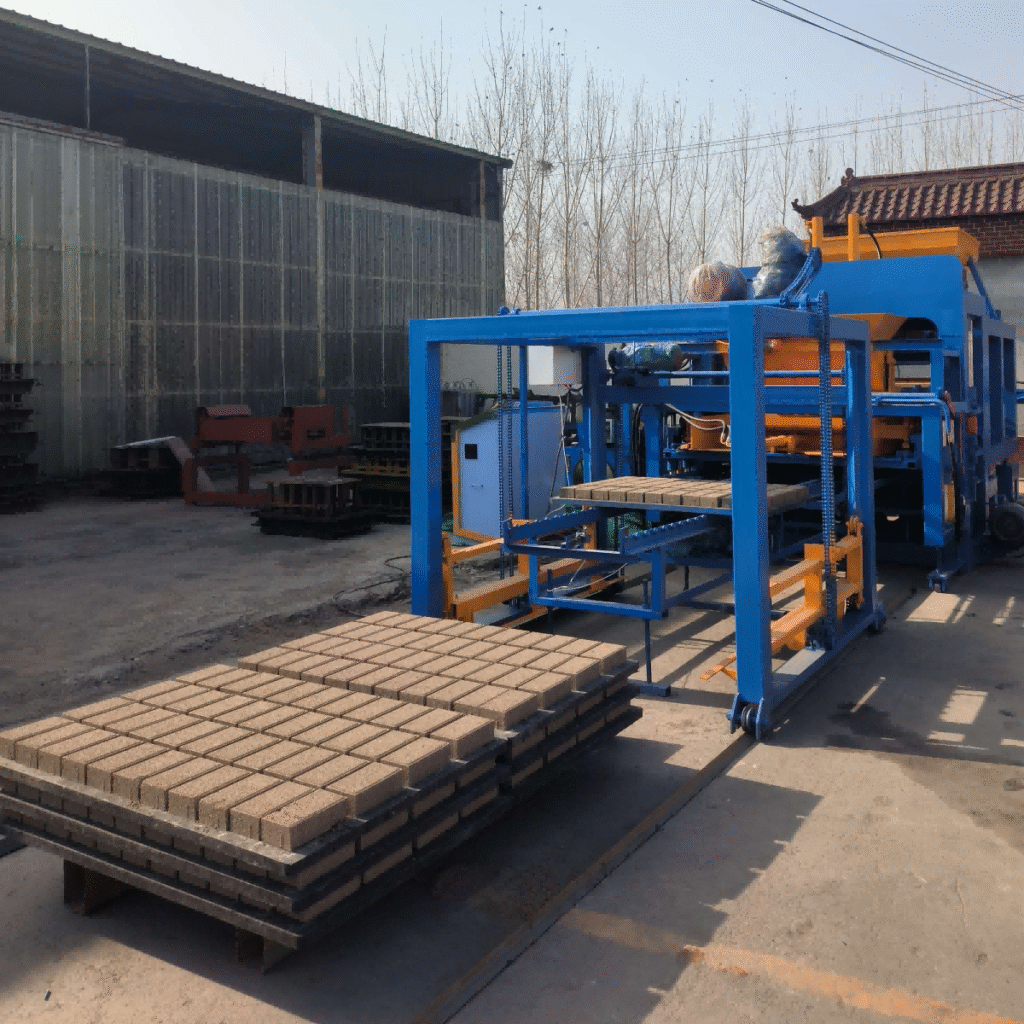
A Strategic Marketing Framework of Block Making Business
Success requires a multi-channel approach that addresses the distinct needs of different audience segments, from large-scale contractors to procurement specialists.
1. Defining Your Unique Value Proposition (UVP)
Before any tactical execution, you must crystallize what sets your business apart. This is not just “quality blocks,” but a specific, compelling promise.
- 1.1. Identifying Core Strengths: Is it unparalleled product consistency backed by third-party certification? Is it specialized mix designs for high-strength or architectural applications? Is it flexible, small-batch production for custom projects, or superior technical support and after-sales service for machinery?
- 1.2. Articulating the Benefit: Translate the strength into a client benefit. For example: “We guarantee on-time delivery of ASTM-certified blocks, so your project stays on schedule and passes inspection without delay,” or, “Our machinery’s quick-change mold system lets you produce multiple block types on one line, maximizing your asset ROI.”
2. Target Audience and Channel Strategy
Your marketing efforts must be tailored to the specific decision-makers you aim to influence.
- 2.1. For Block Manufacturers (Selling to Distributors & Contractors):
- Key Audience: Masonry contractors, general contractors, construction procurement officers, and building material distributors.
- Primary Channels:
- Professional Networking & Associations: Active membership and participation in associations like the National Concrete Masonry Association (NCMA), local Home Builders Associations, and Construction Specifications Institute (CSI) events.
- Direct Sales & Relationship Building: A skilled sales team that understands construction sequencing and can provide timely quotes, technical data sheets, and mix design submittals.
- Digital Presence with a Professional Focus: A website optimized not for generic traffic, but for specifiers. It must host easily downloadable Product Data Sheets, ASTM Test Reports, CAD Details, and Spec Guides. Search Engine Optimization (SEO) should target keywords like “ASTM C90 blocks [Your City],” “commercial masonry supplier,” or “architectural block.”
- Project-Based Marketing: Use case studies and project spotlights. Document successful projects with high-quality photos and details: “10,000 units supplied for the new City Hospital retaining wall, delivered on a 12-week phased schedule.”
- 2.2. For Machinery Manufacturers/Distributors (Selling to Producers):
- Key Audience: Existing block plant owners looking to upgrade, and entrepreneurs entering the market.
- Primary Channels:
- Demonstrations & Plant Visits: Nothing sells machinery like seeing it run. Host open houses or schedule live demos at trade shows or your facility.
- Content Marketing as Education: Publish in-depth articles, whitepapers, and videos that address operational challenges: “How to Calculate ROI on a New Block Machine,” “Preventing Common Machine Jams,” “Optimizing Mix Design for Higher Yield.” This positions you as an expert, not just a vendor.
- Industry Trade Shows: Exhibit at major industry trade shows. Focus on showcasing machine reliability, ease of operation, and after-sales service packages.
- Testimonials & ROI Calculators: Feature video testimonials from satisfied owners discussing improved production rates or lower maintenance costs. Provide interactive online calculators that help prospects model their potential production increase and payback period.
3. Building Trust Through Proof and Credibility
In a B2B industry, trust is the ultimate currency.
- 3.1. Certification and Documentation: For product sales, prominently display third-party certifications (NCMA, ISO). For machinery, highlight warranties, service network maps, and availability of genuine spare parts.
- 3.2. Technical Support as a Marketing Tool: Offer free, no-obligation site assessments or production audits. Providing genuine, helpful advice before a sale builds immense goodwill and demonstrates your commitment to the client’s success, not just a transaction.
- 3.3. Leverage Existing Relationships: Encourage and incentivize referrals from your best clients. A recommendation from a respected contractor or fellow producer is more powerful than any advertisement.
Conclusion: Marketing as an Investment in Growth
Marketing a block making business is a continuous process of communication, education, and relationship-building. It requires a clear understanding of your unique value, a strategic focus on the right professional audiences through appropriate channels, and an unwavering commitment to building credibility through proof and expertise. By shifting from a reactive sales model to a proactive marketing-driven strategy, you position your business not as a mere supplier of commodities or equipment, but as a valued partner in your clients’ projects and profitability. This approach builds a resilient brand that can withstand market fluctuations and command premium value, ensuring long-term growth and industry leadership.
FAQ
Q1: We are a small, local block producer. Can we effectively compete with large national brands in marketing?
A: Absolutely. Your local presence is a key advantage. Market your strengths as local reliability, faster delivery times, personalized service, and the ability to handle custom or small-batch orders that large plants may not prioritize. Build deep relationships with local contractors, home builders, and municipalities. Your marketing message should be “Your Local Masonry Partner.”
Q2: What is the most effective type of content for our website?
A: Technical and problem-solving content. For product sellers, this includes detailed specification PDFs, CAD files, and case studies. For machinery sellers, it’s maintenance guides, troubleshooting tips, and ROI analysis templates. This content attracts serious, qualified buyers who are in the research or specification phase of their project.
Q3: Is social media useful for a B2B block business?
A: Yes, but choose the platform and purpose wisely. LinkedIn is highly effective for connecting with contractors, engineers, and procurement managers. Use it to share company news, project completions, and industry articles. Instagram or Facebook can be used to showcase the visual appeal of your blocks in finished projects (for product marketing) or to show your machinery in action at a client’s site (for equipment marketing).
Q4: How much should we budget for marketing?
A: Treat it as a necessary investment, not a cost. A common B2B benchmark is 5-10% of gross revenue. For a new business or a new product launch, it may be higher. Allocate budget across key areas: website development/maintenance, content creation, trade show participation, and professional association memberships. Track which channels generate the most qualified leads to optimize spending.
Q5: How do we handle price competition as a marketing strategy?
A: Compete on value, not just price. While competitive pricing is important, leading with the lowest price is a race to the bottom. Your marketing should emphasize ਕੁੱਲ ਮਲਕੀਅਤ ਦੀ ਲਾਗਤ: your block’s consistency reduces waste and rework on site; your machine’s durability lowers lifetime maintenance costs; your reliable delivery prevents expensive project delays. Educate your client on why paying a slight premium for superior quality and service saves them money in the long run.
