
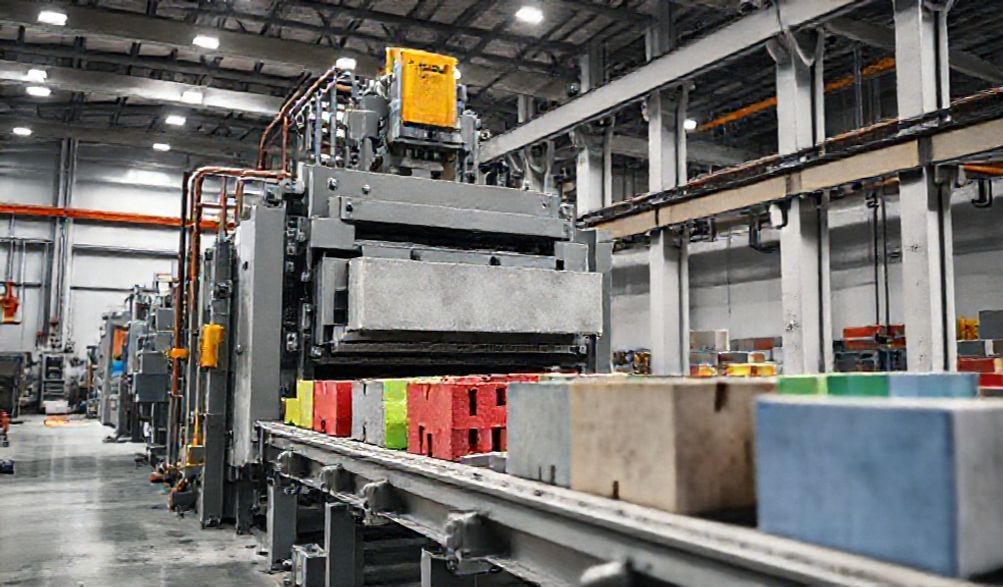
Your Ultimate Guide to Block Machine Manufacturers: An In-Depth Look at FUDA Brick Machine Factory
ਪਰਿਚਯ
For construction businesses, real estate developers, and industrial entrepreneurs, the backbone of any successful project or venture often lies in the foundation—literally. Producing high-quality, consistent, and affordable concrete blocks, pavers, and curbstones is a fundamental need. Yet, the pivotal challenge isn’t the desire to produce; it’s the daunting task of selecting the right production machinery from a sea of global block machine manufacturers.
The decision is fraught with complexity. It goes beyond just the sticker price to encompass critical factors like machine durability, production efficiency, automation levels, and the often-overlooked pillar of long-term viability: after-sales support. Choosing poorly can lead to crippling downtime, spiraling maintenance costs, and failed business plans.
This guide is designed to cut through the noise. We will provide you with a comprehensive, objective framework for evaluating block machine manufacturers, arming you with the right questions and checklists. To ground this framework in reality, we will conduct a detailed case study analysis of a prominent player in the field: ਫੂਡਾ ਇੱਟ ਮਸ਼ੀਨ ਫੈਕਟਰੀ. Our analysis is based on industry operational principles, publicly available manufacturer specifications, and procurement best practices to help you make a truly informed decision.
Understanding the Block Machine Manufacturing Landscape
Navigating the world of block machine manufacturing requires a clear understanding of what separates a reliable partner from a mere supplier. The market ranges from small-scale workshops to large, integrated industrial factories, each with its own strengths and target audiences.
Key Factors When Choosing a Block Machine Manufacturer
Before focusing on any single brand, establish your evaluation criteria. Here are the non-negotiable aspects to scrutinize:
- Build Quality & Material Durability: This is paramount. The machine must withstand immense, repetitive pressure and vibration.
- Look for: Heavy-duty steel frames, high-grade wear-resistant materials for molds and core components, and robust welding.
- Range of Machinery & Customization Options: Your needs may evolve. Does the manufacturer offer a portfolio that can grow with you?
- Scope: From simple manual egg-laying machines to fully automatic stationary lines. Can they provide complementary equipment like mixers or pallet feeders for a complete solution?
- Level of Automation (Semi-Automatic vs. Fully Automatic): This choice directly impacts labor costs, output consistency, and initial investment.
- ਸੈਮੀ-ਆਟੋਮੈਟਿਕ Lower upfront cost, requires more manual intervention (feeding, block removal). Ideal for medium-scale or start-up operations.
- ਪੂਰੀ ਤਰ੍ਹਾਂ ਆਟੋਮੈਟਿਕ Higher investment, but delivers maximum output with minimal labor. Features automated material feeding, molding, curing, and stacking. Best for large-scale, high-volume production.
- Production Capacity & Output Specifications: Match the machine to your actual business plan.
- Go beyond “blocks per hour.” Understand the cycle time, the variety of block types (solid, hollow, interlocking) it can produce, and the required block dimensions.
The Importance of Support & Service in Heavy Machinery
A machine is only as good as the support behind it. Exceptional post-purchase service is what defines a top-tier manufacturer.
- Technical Documentation & Training: Clear, comprehensive manuals (in your language) and structured training for your operators are essential for safe and efficient use.
- Spare Parts Supply Chain: Inquire about the inventory of spare parts, their cost, and most importantly, the lead time for delivery. A local agent or warehouse is a significant advantage.
- ਇੰਸਟਾਲੇਸ਼ਨ ਅਤੇ ਕਮਿਸ਼ਨਿੰਗ Will the manufacturer send engineers to install, calibrate, and commission the machine on-site? This ensures it runs correctly from day one.
- Warranty & Service Network: Read the warranty terms carefully. What is covered, and for how long? Is there a network of service technicians, or must you rely solely on remote support?
Spotlight on a Leading Manufacturer: FUDA Brick Machine Factory
As a case study to apply our evaluation framework, let’s examine FUDA Brick Machine Factory, a known manufacturer in the global block machinery market.
Company Overview and Industry Positioning
FUDA Brick Machine Factory is a China-based manufacturer specializing in concrete block making machinery and production lines. The company positions itself as a provider of cost-effective solutions for a wide range of production scales, from small business start-ups to large industrial projects. Their core philosophy appears centered on offering a broad product portfolio to cater to diverse global market needs, particularly in developing regions where a balance of performance and price is critical.
Analyzing FUDA’s Product Portfolio
A deep dive into a manufacturer’s product range reveals their capabilities and target market.
Concrete Block Making Machines
FUDA’s lineup typically includes:
* ਸਟੇਸ਼ਨਰੀ ਬਲਾਕ ਮਸ਼ੀਨਾਂ: These are the workhorses for high-volume production. Models like the QT series (e.g., QT4-15, QT6-15) are common, with numbers often indicating the output per cycle. They are designed for producing a wide array of hollow blocks, solid blocks, and paving stones.
* ਮੋਬਾਈਲ ਬਲਾਕ ਮਸ਼ੀਨਾਂ: Often referred to as “egg-laying” machines, these are popular for their lower cost and ability to produce blocks directly on the ground. They suit small to medium enterprises and are a staple in many markets.
Paver, Curbstone, and Interlocking Brick Machines
Beyond standard blocks, specialized products require dedicated machinery. FUDA manufactures equipment for:
* ਇੰਟਰਲਾਕਿੰਗ ਪੇਵਰਸ: For eco-friendly, strong paving surfaces.
* Curbs and Gutters: For road construction and landscaping.
* Special Shape Blocks: For architectural and decorative purposes.
Complementary Equipment
To offer turnkey solutions, manufacturers like FUDA often also supply:
* Concrete Mixers: Pan mixers or planetary mixers for consistent raw material preparation.
* Batching Plants: For automated measurement of cement, aggregate, and water.
* Pallet Feeders & Stackers: To automate the handling and curing process in a production line.
Technological Expertise and Innovation
When evaluating technological depth, consider these core systems:
* ਵਾਈਬ੍ਰੇਸ਼ਨ ਸਿਸਟਮ: The heart of block density and strength. FUDA machines typically employ a high-frequency, dual-vibration system (table and mold vibration) to ensure thorough compaction of concrete.
* ਹਾਈਡ੍ਰੌਲਿਕ ਸਿਸਟਮ: Responsible for the pressing force. A reliable, sealed hydraulic system with quality pumps and valves is crucial for stability and low maintenance.
* ਕੰਟਰੋਲ ਸਿਸਟਮ: From simple relay logic to more advanced PLC (Programmable Logic Controller) panels. PLC systems offer better reliability, easier troubleshooting, and sometimes semi-automatic operation modes.
Evaluating FUDA Against Industry Benchmarks
A balanced evaluation looks at both strengths and practical considerations.
Strengths and Competitive Advantages
Based on public data and market presence, potential advantages include:
* ਲਾਗਤ-ਪ੍ਰਭਾਵਸ਼ੀਲਤਾ: Often positioned as a competitive price point, making machinery accessible for businesses with tighter capital budgets.
* Broad Product Range: The ability to supply everything from a single mobile machine to a full automated line provides a one-stop-shop appeal.
* Robust Design for Demanding Environments: Machines are often built with an emphasis on durability suitable for various international operational conditions.
Considerations for Potential Buyers
Transparency is key. Prospective buyers should be mindful of:
* Market Suitability: FUDA’s offerings may be particularly well-suited for specific regional markets or certain scales of operation. It is vital to match the machine model precisely to your local demand, raw material quality, and labor context.
* The Imperative of Direct Inquiry: This cannot be overstated. Specifications, prices, and availability change. Always contact the factory or an authorized agent directly to get the latest, detailed quotation, clarify technical parameters, and confirm the exact scope of supply and services included.
* Verifying Local Support: Investigate the presence and reputation of local dealers or service agents. Their proximity and capability will dramatically affect your long-term operational success.
Making an Informed Purchase Decision
This framework empowers you to evaluate any manufacturer, including FUDA, objectively.
Step-by-Step Procurement Checklist
- Define Your Needs: Precisely list required block types, sizes, daily output (in 8-hour shifts), and available space/power.
- Shortlist & Request Quotes: Identify 3-5 manufacturers. Request detailed, itemized quotations specifying model numbers, technical data, included accessories, and EXW/FOB/CIF pricing terms.
- Due Diligence: Ask for customer references in a similar region or business scale. If feasible, visit a working installation to see the machine in operation.
- Logistics & Legal Scrutiny: Understand shipping costs, insurance, import duties, and payment terms (e.g., T/T, L/C). Ensure all warranties and service agreements are clearly stated in the contract.
Questions to Ask Any Manufacturer (Including FUDA)
Prepare this technical checklist:
* “What is the exact cycle time for producing [X] blocks, and what is the cured block density achieved?”
* “Can you provide the electrical and hydraulic system schematic diagrams for maintenance purposes?”
* “What is the list of wearing parts (like mold liners, vibration motors), their expected lifespan, and their unit cost?”
* “What is the lead time for the supply of critical spare parts to [Your Country]?”
* “Does the price include installation, commissioning, and on-site operator training? If not, what is the cost?”
* “Can the control system interface be provided in [Your Language]?”
Frequently Asked Questions (FAQ)
Q1: What are the main types of block machines manufactured by companies like FUDA?
A: The primary types are Stationary Machines (for high-volume, fixed-location production), Mobile “Egg-Laying” Machines (for on-ground production, lower cost), and Fully Automatic Lines (integrated systems with automated material handling, pressing, and stacking). The choice depends on your scale, budget, and automation needs.
Q2: How do I determine the right production capacity for my block making business?
A: Analyze your local market demandਇਹscale of projects you aim to supply, your available startup capital, and your factory space. It’s often wiser to start with a machine that has slightly more capacity than your initial needs to allow for business growth without immediate reinvestment.
Q3: What is the typical lead time for receiving a block machine from an international manufacturer?
A: Lead times vary widely but generally range from 30 to 90 days after order confirmation. This includes manufacturing, testing, packing, and sea freight. Always confirm the specific timeline with your manufacturer, as it depends on model complexity, order queue, and shipping route.
Q4: Can block machine manufacturers provide training for my operators?
A: Yes, reputable manufacturers typically offer training. This should cover machine operation, routine maintenance, safety procedures, and basic troubleshooting. Clarify whether training is provided on-site at your facility, at their factory, or via video, and if it’s included in the purchase price.
Q5: What after-sales services are most critical for block machine operation?
A: The three most critical services are: 1) Guaranteed availability of spare parts with reasonable delivery times, 2) Remote technical support (via phone, video call) for troubleshooting, and 3) Access to comprehensive, clear technical manuals and diagrams for your maintenance team.
Conclusion
Selecting a block machine manufacturer is a strategic decision that will impact your productivity, product quality, and profitability for years to come. It requires moving beyond brochures and price tags to a thorough evaluation of quality, technology, and—most critically—long-term support.
As our analysis shows, manufacturers like ਫੂਡਾ ਇੱਟ ਮਸ਼ੀਨ ਫੈਕਟਰੀ represent significant players with extensive portfolios that can serve a wide array of needs, particularly where value is a key driver. However, due diligence remains non-negotiable. Use the framework, checklist, and questions provided in this guide to conduct your own rigorous assessment.
Your final step must be to contact multiple manufacturers directly with your specific project requirements. Request updated catalogs, detailed quotations, and verifiable customer testimonials. By taking a measured, informed approach, you invest not just in a machine, but in the solid foundation of your business’s future.
<