
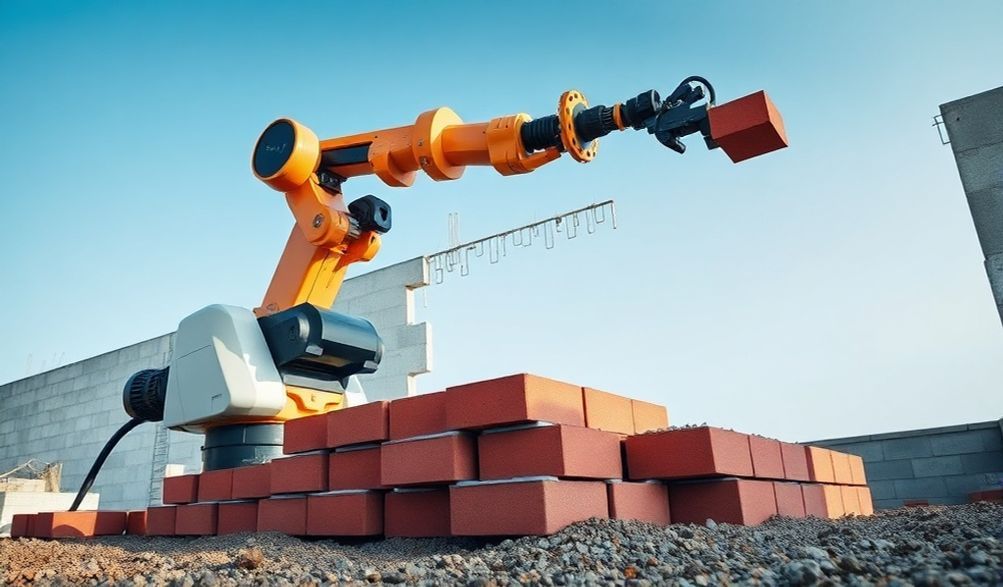
The Ultimate Guide to Brick Construction Machines: Types, Uses & Buying Tips
The humble brick remains a cornerstone of global construction. But behind every sturdy wall and enduring structure is a powerful force of modern engineering: the brick construction machine. Moving far beyond manual labor, these machines are the engines of efficiency, precision, and scale in today’s building industry. Whether you’re a contractor planning your next big project, a developer looking to optimize costs, or simply fascinated by construction technology, understanding this equipment is crucial.
This comprehensive guide will delve into the world of brick construction machinery. We’ll explore the different types, their specific applications, and provide expert insights to help you make informed decisions. Our goal is to ensure your projects are built on a foundation of knowledge and quality.
Understanding Brick Construction Machinery: Core Concepts and Evolution
To appreciate the power of modern equipment, it’s essential to understand its core purpose and the journey of innovation that created it.
What is a Brick Construction Machine? (A Detailed Definition)
A brick construction machine is a broad category of equipment designed to automate, assist, or enhance any stage of working with bricks and blocks. This includes machinery for:
- Manufacturing: Creating bricks from raw materials like clay or concrete.
- Handling: Moving, stacking, and transporting bricks efficiently.
- ਲੇਟਣਾ Precisely placing bricks and applying mortar.
- Cutting & Finishing: Shaping bricks and refining the final structure.
This stands in stark contrast to traditional, manual bricklaying. Where a mason once relied solely on skill, a trowel, and immense physical stamina, today’s technology introduces speed, relentless consistency, and superhuman scale.
A Brief History: From Hand-Molding to Full Automation
The evolution of brickmaking and laying is a story of humanity’s drive for better tools.
- Ancient Beginnings: For millennia, bricks were hand-molded from mud or clay and sun-dried. The first major leap was the brick kiln, allowing for fired, weather-resistant bricks.
- ਉਦਯੋਗਿਕ ਕ੍ਰਾਂਤੀ: The 19th century introduced steam-powered presses. These machines could apply immense, consistent pressure, leading to stronger, more uniform bricks produced in greater volumes.
- 20th Century Automation: The advent of hydraulic systems and electric motors birthed the first automatic brick making machines. Conveyor belts, automated mixers, and palletizers turned brick production into a continuous, factory-line process.
- The Digital Age: Today, computer-controlled systems manage everything from material ratios and curing temperatures to the precise robotic placement of each brick on-site. The focus has shifted from mere production to integrated, intelligent construction solutions.
Key Benefits of Using Specialized Machinery in Construction
Why has this technology become indispensable? The benefits are transformative:
- Dramatically Increased Productivity & Speed: A single automated brick making machine can produce thousands of bricks or blocks per hour—a output level utterly unattainable by manual labor. On-site, robotic layers can operate continuously, dramatically accelerating project timelines.
- Unmatched Consistency & Precision: Machines eliminate human variance. Every brick from a quality press has identical dimensions and density. Every joint laid by a robotic arm follows the exact same specification. This precision translates directly to structural integrity, reduced material waste, and a superior finish.
- Significant Labor and Cost Efficiency: While the initial investment is substantial, machinery reduces long-term reliance on large, skilled crews. It mitigates labor shortages and, over the lifespan of the machine, provides a compelling return on investment through faster project completion and lower per-unit costs.
- Enhanced Worker Safety: Machinery takes over the most physically taxing and repetitive tasks: heavy lifting, constant bending, and exposure to dust. This significantly reduces the risk of musculoskeletal injuries and creates a safer worksite.
Types of Brick Construction Machines and Their Specific Applications
The ecosystem of brick machinery is diverse. Let’s break it down by function, from creation to completion.
Brick Manufacturing Machines: Creating the Building Blocks
This is where the process begins, transforming raw materials into the building blocks of construction.
- Brick Making Machines (Clay/Concrete): These are the workhorses of production.
- ਕਲੇ ਬ੍ਰਿਕ ਮਸ਼ੀਨਾਂ: Typically use an extrusion process. Clay is forced through a die to form a continuous column, which is then wire-cut into individual bricks before firing.
- ਕੰਕਰੀਟ ਬਲਾਕ ਮਸ਼ੀਨਾਂ: Use vibration and high pressure to compact concrete mix into molds. They can produce a vast array of products, from standard bricks to complex interlocking blocks.
- Block Making Machines: A subset often focused on larger units. They can be stationary (for large plant production) or mobile (for on-site manufacturing). Key outputs include hollow core blocks for insulation, solid load-bearing blocks, and paving slabs.
- Brick Kilns & Curing Systems: The final step in giving bricks their strength.
- Kilns: Used for clay bricks, these high-temperature ovens (tunnel kilns are common) fire the bricks to achieve hardness and durability.
- Curing Chambers: For concrete blocks, controlled heat and humidity (often via steam curing) accelerate the chemical hardening process, allowing blocks to reach handling strength in hours instead of weeks.
Brick Handling and Logistics Equipment
Efficiency doesn’t stop at production. Moving bricks without damage or wasted effort is critical.
- Brick Palletizers and Depalletizers: These robotic arms or automated systems neatly stack bricks onto wooden or plastic pallets for secure transport. Depalletizers reverse the process at the job site, feeding bricks to masons or laying machines, eliminating back-breaking manual handling.
- Brick Forklifts and Conveyors: Specialized forklifts with clamp attachments can move entire pallets of bricks safely. Belt or roller conveyors can create a continuous supply line from the delivery drop-point directly to the work area, minimizing on-site movement.
On-Site Brick Laying and Placement Machinery
This is where the most visible transformation of the worksite occurs.
- Brick Laying Machines / Robotic Bricklayers: These range from semi-automatic assistive devices to fully autonomous systems.
- ਸੈਮੀ-ਆਟੋਮੈਟਿਕ Machines that hold bricks and apply mortar, allowing the mason to simply place them. They drastically reduce fatigue.
- Fully Robotic (e.g., SAM100, Hadrian X): These groundbreaking systems use a robotic arm on a track, guided by a 3D CAD model. They pick bricks, apply mortar, and place them with millimeter precision, working around the clock.
- Mortar Mixers and Sprayers: Consistent mortar is key to quality laying. Modern mortar mixers ensure a uniform batch every time. Mortar sprayers or pumps can then deliver the mix directly to the wall or the bricklaying machine’s applicator, creating a seamless workflow.
Cutting and Finishing Equipment
Even with precise manufacturing, on-site adjustments are necessary for a perfect build.
- Brick Saws and Cutters: Essential for creating openings for windows, doors, or pipes, and for fitting bricks at the end of a course.
- Wet Saws: Use a diamond blade with a water feed to cut cleanly while suppressing dust. Ideal for precise, clean cuts on all brick types.
- Dry Saws: Use specialized abrasive blades for quicker, more portable cuts, but generate significant dust requiring extraction systems.
- Brick Grinders and Cleaning Tools: Angle grinders with masonry wheels can smooth rough edges or shape bricks. After construction, high-pressure water sprayers and specialized acid washes (for mortar residue) are used to clean the finished wall.
How to Choose the Right Brick Construction Machine: A Buyer’s Checklist
Selecting the wrong equipment can be a costly mistake. Use this structured approach to make a confident, informed decision.
Assessing Your Project Requirements
Start by looking inward at your specific needs.
- Project Scale & Type: Are you building single-family homes, large commercial complexes, or industrial plants? Volume and project duration are key drivers.
- Brick/Block Type: The material (clay, concrete, lightweight aggregate) and size/shape of your primary unit will dictate compatible machinery.
- Desired Output: Be realistic about your required production (blocks per shift) or laying speed (bricks per day). Factor in both current and potential future needs.
- Site Conditions: Do you have reliable three-phase power, or will you need a diesel-powered machine? Is space for the machine and material flow constrained?
ਮੁੱਖ ਮਸ਼ੀਨ ਸਪੈਸੀਫਿਕੇਸ਼ਨਾਂ ਦੀ ਜਾਂਚ ਕਰਨ ਲਈ
Once you know your needs, dive into the machine’s hard data.
- ਉਤਪਾਦਨ ਸਮਰੱਥਾ: Never rely on a manufacturer’s “maximum” rating alone. Seek verified, real-world output under normal working conditions.
- ਪਾਵਰ ਸੋਰਸ: Electric machines are cleaner and quieter for indoor plants. Diesel offers mobility and independence from the grid. Hydraulic systems provide powerful, smooth operation.
- ਆਟੋਮੇਸ਼ਨ ਪੱਧਰ: Balance cost with labor savings. Manual machines are cheaper but slow. Fully automatic lines are fast but require higher investment and technical know-how.
- Durability & Build Quality: Inspect the steel frame thickness, the quality of the hydraulic cylinders, and the brand of critical components (e.g., PLCs, motors). A heavier, well-built machine will withstand years of punishment.
The Total Cost of Ownership: Beyond the Sticker Price
The purchase price is just the entry fee.
- Operating Costs: Calculate estimated fuel or electricity consumption, routine part replacement (like molds or wear plates), and lubricants.
- Maintenance & Support: How easy is it to access and service key components? Is there a local dealer or technician? Are spare parts readily available and affordable?
- Operator Training: Factor in the cost and time to properly train your team. A well-trained operator prevents damage and downtime.
- ਸਕੇਲੇਬਿਲਟੀ (ਵਿਸਤਾਰਯੋਗਤਾ): Can the machine be upgraded or modified for different products in the future? This protects your investment.
Vetting Manufacturers and Suppliers
Your relationship with the supplier is as important as the machine itself.
- Reputation & History: Prioritize manufacturers with a long track record and a strong presence in your region. Research their financial stability.
- Customer Proof: Demand verifiable customer references, case studies, or videos of their machines in operation. Be wary of suppliers with only stock photos.
- After-Sales Support: A comprehensive warranty, clear technical manuals, and responsive customer service are non-negotiable. Ask about their troubleshooting process.
- Demonstration: If possible, insist on a live demonstration using a material similar to yours. “Test before you invest” is a golden rule.
Best Practices for Operation, Safety, and Maintenance
Owning the machine is step one. Operating it safely and maintaining it diligently is what ensures longevity and a safe worksite.
Essential Operator Training and Safety Protocols
- ਵਿਆਪਕ ਸਿਖਲਾਈ Every operator must be formally trained on the specific machine model. This includes understanding all controls, safety interlocks, and emergency stop procedures.
- Mandatory PPE: Safety glasses, hearing protection, gloves, steel-toe boots, and dust masks/respirators (for cutting/grinding) are essential.
- Site Safety: Ensure the machine is on stable, level ground. Establish clear safety zones around operating machinery. Follow lock-out/tag-out procedures during maintenance.
Routine Maintenance Schedules for Longevity
Adherence to the manufacturer’s schedule is critical. A general framework includes:
- Daily: Clean the machine thoroughly to prevent material buildup. Check and top up lubricants in all grease points. Inspect for loose bolts, hydraulic leaks, or worn components.
- Weekly/Monthly: Check hydraulic fluid levels and filters. Inspect belts for tension and wear. Clean sensors and electrical connections.
- Annually: Schedule a major service with a qualified technician for a full system check, fluid changes, and component overhaul as needed.
Troubleshooting Common Operational Issues
- Poor Brick Quality (Cracking, Weak): Likely causes are incorrect material mix, improper moisture content, or insufficient compaction/vibration pressure.
- Hydraulic Issues (Slow Operation, Leaks): Check fluid levels and filters first. Look for visible leaks. Persistent issues require a technician—never ignore hydraulic problems.
- Electrical/Control Faults: Reset the PLC according to the manual. Check for loose wiring connections. Complex faults need expert diagnosis.
The Future of Brick Construction: Automation and Sustainable Innovation
The industry is not standing still. The next wave of innovation is focused on intelligence and sustainability.
The Rise of Robotics and AI in Bricklaying
Robotic bricklayers are becoming more adaptive. Future systems will integrate:
- Advanced Sensors: Using LiDAR and computer vision to scan the site in real-time, adjusting the bricklaying plan for imperfections.
- Machine Learning: Algorithms that optimize mortar application and placement patterns to minimize waste and maximize speed.
- Human-Machine Collaboration: The worker’s role will evolve from laborer to supervisor, programmer, and quality controller, overseeing multiple automated processes.
Eco-Friendly Machines and Sustainable Materials
The green building revolution is driving machine innovation.
- ਮੈਟੀਰੀਅਲ ਲਚਕਤਾ: New machines are designed to efficiently use recycled aggregates, fly ash, and other industrial by-products to create sustainable blocks.
- ਊਰਜਾ ਦੀ ਕੁਸ਼ਲਤਾ: Variable-speed drives, regenerative hydraulic systems, and solar-powered options are reducing the carbon footprint of brick production.
- Closed-Loop Systems: Modern plants feature water recycling for mixing and cutting, and capture systems for heat from kilns to pre-heat incoming air or water.
Frequently Asked Questions (FAQ) About Brick Construction Machines
Q1: What is the average cost of a brick making machine?
A: There’s a massive range. A small, manual or semi-automatic machine for a small business can cost between $3,000 and $20,000. A mid-range stationary automatic machine may be $50,000 to $150,000. Large, fully integrated automatic production lines with handling systems can easily exceed $500,000. The key is to match the machine’s capacity to your specific business model.
Q2: Can brick laying machines work with all types of bricks and mortar?
A: Not universally. Most robotic bricklayers are engineered for standard, modular brick sizes and specific, pumpable mortar mixes. Using custom-shaped bricks, very rough surfaces, or traditional lime-based mortars may require significant adaptation or may not be feasible. Always confirm compatibility with the machine manufacturer.
Q3: How much faster is a robotic bricklayer compared to a human crew?
A: In optimal conditions, a single robotic bricklaying system can often place 3 to 5 times the number of bricks a skilled human crew can in a day. However, this doesn’t account for the time required for machine setup, programming, and the constant replenishment of bricks and mortar, which requires a supporting crew. The benefit is in continuous, precise output and reduced physical labor.
Q4: What are the most important maintenance tips for a brick machine?
A: The golden rules are: 1) Clean it daily to prevent hardened material from causing damage. 2) Lubricate religiously according to the schedule. 3) Use only recommended fluids and parts. 4) Listen to your machine; unusual vibrations, sounds, or performance drops are early warnings—address them immediately.
Q5: Where can I find reputable brick machine manufacturers?
A: Start by researching major international construction equipment expos (like bauma in Germany or CONEXPO in the USA). Industry-specific directories and trade publications are also valuable. Most importantly, seek peer recommendations from construction associations and network with other business owners in your region. Always verify a manufacturer’s claims with independent customer reviews.
Conclusion
Investing in the right brick construction machine is not merely a purchase; it’s a strategic decision that impacts your project’s timeline, budget, and final quality. From the raw material processing in a ਬਲਾਕ ਬਣਾਉਣ ਵਾਲੀ ਮਸ਼ੀਨ to the precise placement by an automated brick laying machine, this technology is reshaping the built environment.
By understanding the different types of equipment, carefully evaluating your needs against key specifications, and committing to proper operation and maintenance, you can harness this power effectively. The future of construction is one of intelligent collaboration between human expertise and mechanical precision.
Making informed choices today positions you at the forefront of that future, building with greater efficiency, safety, and excellence.
Ready to explore your options? Start by clearly defining your project scope and output goals. Then, use the checklist in this guide to systematically evaluate manufacturers and models. Don’t hesitate to reach out to suppliers with detailed questions—a reputable company will be eager to demonstrate their expertise and help you find the perfect machine for your needs.
<