
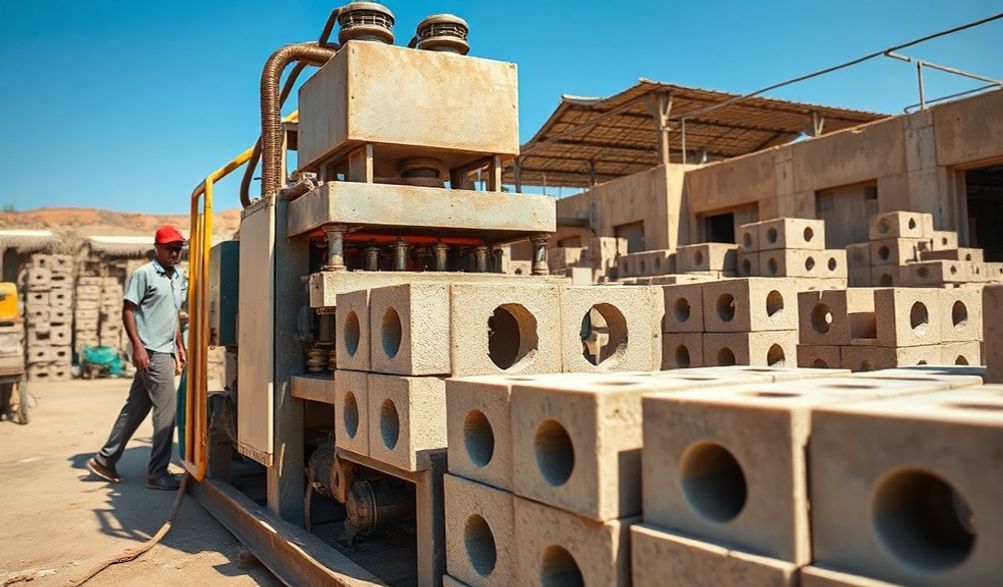
Your Ultimate Guide to Block Machine Manufacturers in Ethiopia (2024)
ਪਰਿਚਯ
Ethiopia’s skyline is transforming. From the bustling expansion of Addis Ababa to ambitious government-led infrastructure projects across the regions, the construction industry is not just booming—it’s foundational to the nation’s growth. At the heart of this modern building revolution lies a humble yet critical component: the concrete block. As the preferred material for affordable, durable, and rapid construction, the demand for quality blocks has never been higher.
For contractors, builders, and entrepreneurs, this demand presents a golden opportunity. However, capitalizing on it hinges on one crucial decision: sourcing the right block-making machinery. The market is filled with options, but navigating it can be daunting. How do you balance cost with quality? How can you ensure the machine won’t break down in six months? Where can you find reliable after-sales service and technical support?
This comprehensive guide is designed to be your definitive resource. We cut through the noise to provide you with expert insights, practical checklists, and industry analysis. Our goal is to empower you with the knowledge needed to make a confident, informed investment in a block machine from a reputable manufacturer in Ethiopia. We’ve built this guide on a foundation of technical understanding and a commitment to ਅਨੁਭਵ, ਮਾਹਰਤਾ, ਅਥਾਰਟੀ, ਅਤੇ ਭਰੋਸੇਯੋਗਤਾ (ਈ-ਈ-ਏ-ਟੀ), ensuring you receive actionable information to build a successful business.
Understanding the Ethiopian Block Machine Market
Market Overview and Growth Drivers
Ethiopia’s construction sector is a primary engine of its economy, consistently showing significant growth. This surge is fueled by powerful, interconnected drivers:
- ਤੇਜ਼ੀ ਨਾਲ ਸ਼ਹਿਰੀਕਰਨ: Cities are expanding at an unprecedented rate, creating massive demand for residential housing, commercial spaces, and urban amenities.
- Government Infrastructure Focus: Large-scale public projects—from roads and railways to industrial parks and affordable housing programs—require vast quantities of construction materials.
- Rising Housing Demand: A growing population and an emerging middle class are increasing the demand for quality, permanent housing solutions beyond traditional materials.
This perfect storm of demand makes investing in block production a strategically sound business decision. The need for a reliable, local supply of high-quality blocks is acute and growing.
Types of Block Machines Available
Choosing the right machine starts with understanding the types available. Your choice should align with your business scale, budget, and production goals.
-
ਮੈਨੂਅਲ ਬਲਾਕ ਮਸ਼ੀਨਾਂ: Operated entirely by hand levers, these are the most affordable entry point.
- ਸਭ ਤੋਂ ਵਧੀਆ: Startups, very small-scale projects, or community-based initiatives with limited capital.
- ਆਉਟਪੁੱਟ: Low (e.g., 300-500 blocks per day).
- ਫਾਇਦੇ: Low cost, simple operation, no power required.
- ਨੁਕਸਾਨ: Labor-intensive, inconsistent block quality, low production rate.
-
ਸੈਮੀ-ਆਟੋਮੈਟਿਕ ਬਲਾਕ ਮਸ਼ੀਨਾਂ: These machines use a mechanical or hydraulic system to compress the concrete mix, but blocks are moved and cured manually.
- ਸਭ ਤੋਂ ਵਧੀਆ: Small to medium-sized businesses looking to scale. They offer an excellent balance between output, cost, and automation.
- ਆਉਟਪੁੱਟ: Medium (e.g., 1,000 – 4,000 blocks per 8-hour shift).
- ਫਾਇਦੇ: Good production rate, improved block consistency, reasonable investment.
- ਨੁਕਸਾਨ: Requires some operator skill and more space for block curing.
-
ਪੂਰੀ ਤਰ੍ਹਾਂ ਆਟੋਮੈਟਿਕ ਬਲਾਕ ਮਸ਼ੀਨਾਂ: Computer-controlled systems that handle mixing, molding, compaction, curing, and stacking with minimal human intervention.
- ਸਭ ਤੋਂ ਵਧੀਆ: Large-scale commercial production, industrial plants, and suppliers to major contractors or government projects.
- ਆਉਟਪੁੱਟ: High (e.g., 8,000 – 20,000+ blocks per shift).
- ਫਾਇਦੇ: Maximum output, superior and consistent block quality, high efficiency.
- ਨੁਕਸਾਨ: High initial investment, requires skilled technicians, significant power and space needs.
-
ਮੋਬਾਈਲ ਬਲਾਕ ਮਸ਼ੀਨਾਂ: Mounted on trailers, these machines can produce blocks directly on a construction site.
- ਸਭ ਤੋਂ ਵਧੀਆ: Large contractors building remote projects, reducing transport costs for blocks.
- ਫਾਇਦੇ: Eliminates block transportation costs and damage.
- ਨੁਕਸਾਨ: Limited production compared to stationary automatic plants.
Key Block Products (Hollow, Solid, Interlocking, Pavers)
Your machine’s mold determines your product line. Here are the most common block types in Ethiopia:
- ਹੋਲੋ ਬਲਾਕ: The most widely used. Their hollow cores reduce weight and material cost while providing excellent insulation. Used for walls in buildings.
- ਸਾਲਿਡ ਬਲਾਕ: Dense and heavy, used for load-bearing walls, foundations, and structures requiring high strength.
- ਇੰਟਰਲਾਕਿੰਗ ਬਲਾਕ: Designed with grooves and ridges that lock together without mortar. They enable faster construction and are popular for cost-effective housing.
- ਪੇਵਰਸ: Used for hard landscaping—driveways, walkways, parking lots, and patios. They come in various shapes and colors.
How to Choose the Right Manufacturer in Ethiopia
Core Selection Criteria
Your relationship with the manufacturer is as important as the machine itself. Evaluate potential partners against these critical criteria:
- Machine Quality & Durability: This is non-negotiable. Inspect the frame (heavy-duty steel is best), the hydraulic or pneumatic system (look for reputable component brands), and the mold quality (hardened steel for longevity). A flimsy machine will cost you more in downtime and repairs than you save upfront.
- ਉਤਪਾਦਨ ਸਮਰੱਥਾ ਅਤੇ ਆਉਟਪੁੱਟ: Be realistic about your needs. Match the machine’s stated output (blocks per hour) with your sales projections and business growth plan. It’s better to have a slightly larger capacity than to be constantly overwhelmed by demand.
- Automation Level & Ease of Use: Consider the skill level of your operators. A complex, fully automatic machine requires trained technicians. A semi-automatic machine might be more suitable if you’re building a new team. Ask about the training provided.
- ਅਫਟਰ-ਸੇਲਜ਼ ਸਰਵਿਸ ਅਤੇ ਤਕਨੀਕੀ ਸਹਾਇਤਾ: This is arguably the most critical factor. A machine will need maintenance and repairs.
- Does the supplier have a local service team?
- Are spare parts readily available in Ethiopia, or must they be shipped from abroad (causing weeks of delay)?
- What is the warranty period and what does it cover?
- Cost Considerations & ROI: Look at the ਕੁੱਲ ਮਲਕੀਅਤ ਦੀ ਲਾਗਤ, not just the purchase price. A cheaper machine with no service support and a short lifespan is more expensive than a slightly pricier, durable machine backed by strong service. Calculate your potential Return on Investment (ROI) based on block prices in your area.
Red Flags to Avoid
Protect your investment by walking away if you encounter:
- No Physical Presence: A manufacturer or supplier with no office, showroom, or workshop you can visit.
- Lack of Verifiable References: An unwillingness to connect you with previous customers or show you real, working installations.
- “Too Good to Be True” Pricing: Extremely low prices almost always indicate substandard materials, poor craftsmanship, or a complete lack of after-sales support.
- Vague Warranties: A warranty that isn’t in writing, is full of loopholes, or lasts for an unreasonably short period (e.g., 3 months).
Spotlight on Leading Block Machine Manufacturers & Suppliers in Ethiopia
(This guide provides a framework for evaluation, as specific brand recommendations require your own due diligence.)
Established Local Manufacturers
Working with a reputable local manufacturer offers distinct advantages:
* Local Knowledge: They understand Ethiopian soil conditions, common material grades, and typical project requirements.
* Easier Communication: Direct interaction without language or time-zone barriers.
* Potentially Faster Service: Proximity can mean quicker response times for service calls and spare parts delivery.
E-E-A-T Actionable Advice: Always visit the factory. See the production process, assess the build quality of machines on the floor, and insist on speaking to at least two existing customers. Ask them about machine performance and the supplier’s responsiveness to service requests.
International Suppliers with Local Presence
Many global block machine brands have established distributors or service centers in Ethiopia.
* ਲਾਭ: Access to advanced, proven technology, rigorous international quality control standards, and globally recognized durability.
* Considerations: The initial cost may be higher. Crucially, verify the strength of their local service operation. An international brand is only as good as its local support network.
Key Questions to Ask Any Supplier
Arm yourself with this checklist during meetings:
1. “Can I visit your manufacturing facility or assembly workshop?”
2. “What is the exact warranty period and what components are covered?”
3. “Do you provide on-site installation and commissioning?”
4. “What kind of operator training do you include?”
5. “Where are your spare parts stocked, and what is the typical delivery time for a critical part?”
6. “Can you provide contact details for three recent customers?”
7. “What is the lead time from order to delivery?”
Beyond the Purchase: Installation, Operation, and Maintenance
Successful Machine Installation & Commissioning
The work begins once your machine arrives.
* Proper Foundation: Ensure a level, solid concrete foundation as per the manufacturer’s specifications to prevent vibration and misalignment.
* Supplier Supervision: A reputable supplier will send a technician to supervise installation, calibrate the machine, and ensure it runs correctly.
* ਵਿਆਪਕ ਸਿਖਲਾਈ This is part of the package. Your operators must be trained on safe operation, daily checks, and basic troubleshooting.
Routine Maintenance Checklist
Preventive maintenance is the key to longevity.
* Daily: Clean the machine thoroughly after use, check hydraulic oil levels, inspect for loose bolts or nuts.
* Weekly: Lubricate all moving parts as per the manual, check wear parts like mold liners and seals.
* Monthly: Perform a more thorough inspection of the hydraulic system, electrical connections, and compaction system.
Sourcing Raw Materials for Optimal Blocks
The best machine cannot compensate for poor materials.
* ਸੀਮਿੰਟ: Use fresh, high-grade cement (e.g., Dangote, Derba, or other reputable brands). Check for lumps.
* Aggregates: Sand and gravel should be clean, hard, and well-graded. Remove any soil or organic matter. The aggregate size should suit your block type.
* ਪਾਣੀ Use clean, potable water.
* Mix Design: Follow standard ratios (e.g., 1 part cement : 4-6 parts mixed aggregate). Consistency is key—the mix should be cohesive, not too wet or dry.
The Business Case: Profitability and Success Strategies
Calculating Your Investment Return (ROI)
Create a simple business plan:
* Costs: Machine price, installation, raw materials (per block), labor, electricity/fuel, rent for space.
* Revenue: Number of blocks produced per month x selling price per block in your local market.
* ROI: Subtract monthly costs from monthly revenue to find your profit. The time it takes for total profit to equal your initial machine investment is your payback period.
Marketing Your Block Production Business
- Quality is Your Best Marketing: Produce consistent, strong, and well-shaped blocks. Satisfied contractors will become repeat customers and refer others.
- Network Locally: Introduce yourself to local builders, contractors, and hardware shops. Offer samples.
- Consider Government Tenders: Many public projects require local material suppliers. Ensure your blocks can meet the required standards (e.g., Ethiopian Standards – ES).
Frequently Asked Questions (FAQ)
Q1: What is the average cost of a block machine in Ethiopia?
A: Prices vary dramatically. A basic manual machine can start from a few thousand Birr, while semi-automatic machines may range from ETB 200,000 to over ETB 1 million. Fully automatic plants can cost several million Birr. Focus on value and total cost of ownership, not just the sticker price.
Q2: Can I get financing for a block machine purchase in Ethiopia?
A: Yes, options exist. Some local manufacturers offer installment plans. Commercial banks and microfinance institutions may provide business loans for equipment purchase. Prepare a solid business plan to support your application.
Q3: What after-sales support should I expect from a reputable manufacturer?
A: Expect a clear warranty (1 year or more on core parts), on-site installation and training, a detailed operation manual, access to a technical support hotline, and a reliable supply of commonly needed spare parts within the country.
Q4: How do I ensure the blocks I produce meet Ethiopian quality standards?
A: Use the correct mix design and quality materials. For official verification, you can have sample blocks tested for compressive strength at recognized construction material laboratories in Addis Ababa or other major cities. Refer to relevant Ethiopian Standards (ES) for construction materials.
Q5: What is the typical lead time for receiving a machine after ordering?
A: For machines in stock with a local manufacturer, it could be a few weeks. For semi-knocked-down (SKD) kits or fully imported machines, it can take 2 to 4 months, including shipping and customs clearance. Always get a written delivery timeline before finalizing payment.
Conclusion
Investing in a block-making machine is a significant step toward participating in Ethiopia’s dynamic construction future. The path to success involves careful planning: understanding your production needs, meticulously vetting manufacturers based on machine quality and after-sales service, and committing to proper operation and maintenance.
Let this guide serve as your checklist. The principles of ਈ-ਈ-ਏ-ਟੀ apply to your own due diligence—seek ਅਨੁਭਵ from other customers, verify the supplier’s ਮਾਹਰਤਾ, establish their ਅਧਿਕਾਰਤਾ in the market, and build a relationship based on ਭਰੋਸਾ.
Your next step is to take action. Shortlist 3-5 potential suppliers from your research, schedule visits to their facilities, and ask the hard questions outlined here. Witness the machines in operation and speak directly to their clients.
With the right partner and equipment, your block production business can lay a solid foundation for long-term profitability and contribute to building the future of Ethiopia.
<