
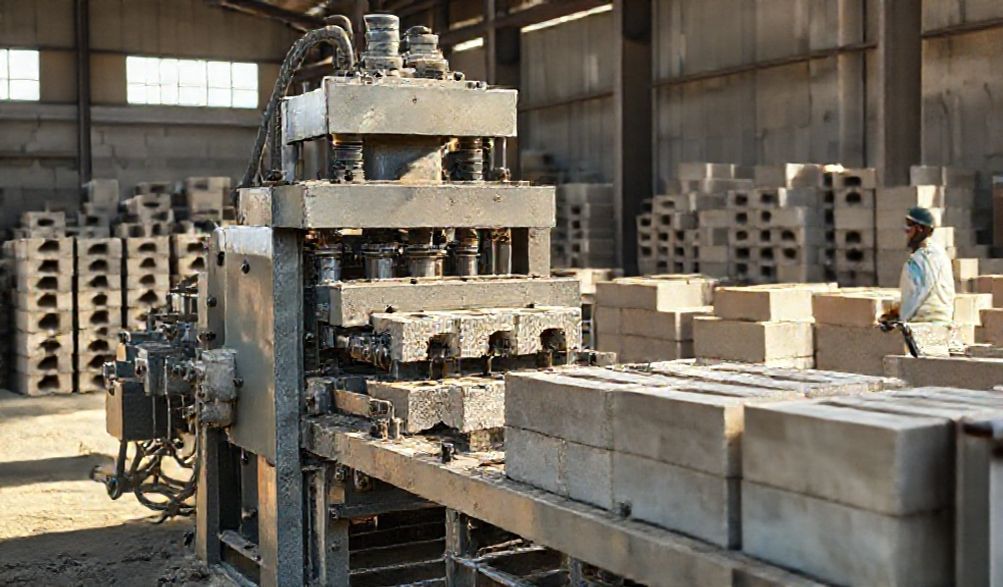
Your Ultimate Guide to Block Machine Ethiopia Manufacturers: Spotlight on FUDA Block Making Machine Factory
ਪਰਿਚਯ
Ethiopia is building its future. From ambitious infrastructure projects to a booming demand for housing, the nation’s skyline is transforming. At the heart of this construction revolution lies a fundamental component: the humble concrete block. For contractors, developers, and entrepreneurs, the choice of equipment to produce these blocks is not just a purchase—it’s a pivotal investment in productivity and quality.
Navigating the market for machinery can be daunting. This guide cuts through the noise. We provide a comprehensive analysis of block machine Ethiopia manufacturers, with a dedicated focus on the industry-leading ਫੂਦਾ ਬਲਾਕ ਬਣਾਉਣ ਵਾਲੀ ਮਸ਼ੀਨ ਫੈਕਟਰੀ.
You’ll gain insights into market dynamics, learn the hallmarks of a trustworthy manufacturer, and discover how FUDA’s engineering excellence and support structures align perfectly with the needs of the Ethiopian builder. Let’s build a foundation for your informed decision.
Understanding the Ethiopian Block Machine Market
Ethiopia’s economic narrative is increasingly written in concrete and steel. Understanding the local context is the first step to making a smart machinery investment.
The Demand for Construction Machinery in Ethiopia’s Growing Economy
Ethiopia’s growth trajectory is heavily supported by massive public and private construction projects. The government’s focus on infrastructure—roads, dams, industrial parks, and affordable housing schemes—creates a sustained demand for building materials.
Simultaneously, rapid urbanization is driving a residential construction boom. This dual demand has catalyzed a significant shift. There’s a move away from traditional, labor-intensive methods toward mechanized block production. The reasons are clear:
- ਸਥਿਰਤਾ ਅਤੇ ਗੁਣਵੱਤਾ: Machines produce uniform blocks that meet engineering standards, ensuring structural integrity.
- ਸਪੀਡ ਅਤੇ ਸਕੇਲ Mechanization allows for the high-volume output needed to keep pace with project timelines.
- ਲਾਗਤ-ਕੁਸ਼ਲਤਾ: Over time, reduced labor dependency and material waste lead to a better bottom line.
This environment makes the block machine a cornerstone asset for any serious player in the construction sector.
Key Considerations When Sourcing Machinery in Ethiopia
Importing machinery requires looking beyond the brochure. Success in the Ethiopian context hinges on three critical factors:
- Local Support & After-Sales Service: This is non-negotiable. A machine is a long-term asset. You must prioritize manufacturers or their representatives who offer accessible technical support, a reliable spare parts pipeline, and maintenance services within Ethiopia. Downtime is lost revenue.
- Machine Adaptability: Not all machines are created equal for all conditions. Your chosen equipment must be compatible with locally available raw materials (variations in sand, aggregate gradation, and cement quality) and resilient to local power supply fluctuations.
- ਕੁੱਲ ਮਲਕੀਅਤ ਦੀ ਲਾਗਤ (TCO): The cheapest machine can become the most expensive. Smart buyers evaluate:
- Initial purchase price.
- Operational costs (energy consumption, labor required).
- Durability and maintenance frequency.
- Expected lifespan and return on investment (ROI).
What Makes a Reliable Block Machine Manufacturer?
In a market flooded with options, distinguishing a true partner from a mere seller is crucial. Reliability is built on a foundation of expertise and transparent operations.
Hallmarks of Expertise and Quality Manufacturing
A reputable manufacturer’s commitment is evident in its processes:
- Engineering & R&D Investment: Look for a company that innovates. Continuous improvement in vibration systems, hydraulic efficiency, and control software indicates a forward-thinking partner, not just an assembler.
- ਉਤਪਾਦਨ ਮਾਨਕ ਅਤੇ ਗੁਣਵੱਤਾ ਨਿਯੰਤਰਣ: The machine’s bones matter. Inquire about the grade of steel used in the frame, the brand and specification of hydraulic components and PLCs, and the welding techniques. Rigorous testing protocols before shipment are a sign of pride in workmanship.
- Compliance & Certifications: While not the only indicator, adherence to international standards (like CE for export) demonstrates a formal commitment to safety, quality, and environmental management systems.
Building Trust Through Proven Experience
Trust is earned, not advertised. Evaluate a manufacturer’s track record:
- Portfolio & Project History: A diverse range of machines—from manual to fully automatic lines—shows depth of experience. Ask for examples of installations, especially those with similar output goals to yours.
- Client Testimonials & Case Studies: Authentic feedback from existing clients, particularly in African or similar emerging markets, is invaluable. It provides real-world evidence of machine performance, durability, and supplier responsiveness.
- Transparency in Communication: A trustworthy partner provides clear, detailed specifications, honest assessments of machine capabilities (and limitations), and straightforward pricing without hidden costs. They educate, rather than just sell.
Spotlight on FUDA Block Making Machine Factory
As a prominent name in global block machinery, FUDA Block Making Machine Factory warrants a detailed examination. Their approach often aligns well with the requirements of growth-focused markets like Ethiopia.
FUDA’s Legacy and Manufacturing Expertise
FUDA has established itself as a specialized manufacturer with a focus on concrete block making machinery. Their operations are scaled for industrial production, leveraging substantial manufacturing facilities that integrate modern CNC machinery, automated welding, and assembly lines.
The company’s philosophy typically centers on providing “turnkey solutions,” aiming to deliver not just a machine, but a production system. Their quality assurance process is built around staged inspections—from raw material intake to final performance testing—ensuring each unit meets defined performance criteria before leaving the factory.
Range of Block Machines Suitable for Ethiopia
FUDA’s catalog caters to the entire spectrum of Ethiopian block producers, from the entrepreneurial startup to the large-scale industrial plant:
- ਮੈਨੂਅਲ ਅਤੇ ਸੈਮੀ-ਆਟੋਮੈਟਿਕ ਮਸ਼ੀਨਾਂ: These are the workhorses for small to medium enterprises. They offer a lower entry cost, are simple to operate and maintain, and are perfect for rural projects or urban small businesses. They require more labor but provide excellent flexibility.
- ਪੂਰੀ ਤਰ੍ਹਾਂ ਆਟੋਮੈਟਿਕ ਬਲਾਕ ਬਣਾਉਣ ਵਾਲੀਆਂ ਮਸ਼ੀਨਾਂ: For high-volume production supplying major construction projects or precast yards, fully automatic lines are key. They feature automatic material feeding, block molding, curing, and stacking/palletizing, maximizing output with minimal manual intervention.
- ਮੋਬਾਈਲ ਬਲਾਕ ਮਸ਼ੀਨਾਂ: A game-changer for large construction sites. Producing blocks directly on-site slashes transportation costs for finished blocks and allows for just-in-time production. FUDA’s mobile models bring the factory to the project.
- Customization Options: A significant advantage is the ability to tailor machines. Whether you need to produce standard hollow blocks, solid blocks, interlocking soil bricks, or paving stones, manufacturers like FUDA can often configure molds and systems to match your specific product lineup and local material characteristics.
Why Ethiopian Buyers Choose FUDA Machines
Based on industry feedback and operational principles, here’s how FUDA positions itself to meet Ethiopian market needs:
- Durability for Demanding Conditions: Machines are engineered with robust frames and heavy-duty components to withstand continuous, high-intensity operation, which is essential for profitable block yards.
- Energy Efficiency & Operational Economy: Designs often incorporate efficient hydraulic systems and motors to reduce electricity consumption—a critical factor for operating cost control.
- Ease of Operation & Training: Recognizing the importance of skill transfer, they typically provide comprehensive operational and maintenance training, both at the factory and during on-site installation, ensuring your team can run the machine confidently.
- After-Sales Service Network: For Ethiopian clients, the service model is paramount. Prospective buyers should explicitly discuss FUDA’s support structure: the availability of installation supervisors, the warranty process, the lead time for spare parts delivery to Ethiopia, and the availability of remote technical support.
Making an Informed Investment Decision
Armed with market and manufacturer knowledge, you can now approach your purchase with a structured, professional methodology.
Step-by-Step Guide to Selecting Your Block Machine
- Assess Your Production Needs Objectively: Calculate your required daily/weekly output. Define the types and sizes of blocks you need. Establish a realistic budget that includes machine, shipping, installation, and initial raw material costs.
- Research and Shortlist Manufacturers: Use the “Hallmarks of Expertise” (see section above) as a checklist. Prioritize manufacturers who demonstrate strong E-E-A-T (Experience, Expertise, Authoritativeness, Trustworthiness) signals through their content, client lists, and transparency.
- Request and Compare Detailed Quotations: Ask for a proforma invoice that itemizes everything: machine price, FOB/CIF costs, recommended spare parts list, training fees, and installation supervision costs. Compare what is included, not just the bottom line.
- Seek Verifiable References: Ask shortlisted manufacturers for contact information of 2-3 clients in similar markets (East Africa preferred). A brief conversation with a current user is worth a thousand brochures.
- Plan for Installation and Operations: Before the machine arrives, prepare your site. Ensure you have adequate space, a level foundation, the correct power supply, a reliable source of water and raw materials, and identified machine operators for training.
Essential Questions to Ask Any Manufacturer
Prepare this list for your discussions:
- “What is your specific experience with exporting, installing, and supporting machines in Ethiopia or neighboring East African countries?”
- “Can you provide a detailed list of client references, preferably with contactable clients in Africa?”
- “What is the exact warranty period and scope? What components are covered, and what is excluded?”
- “What is your protocol for after-sales support? How are spare parts ordered, paid for, and shipped to Addis Ababa? What are typical delivery times?”
- “Do you provide an engineer for on-site installation and training, and what are the associated costs and duration?”
Frequently Asked Questions (FAQ)
Q1: What is the average price range for a block making machine in Ethiopia?
A: Prices vary dramatically. A basic manual block mold can cost a few thousand USD. A semi-automatic machine may range from $15,000 to $50,000. Fully automatic block making plants start from around $70,000 and can exceed $200,000+, depending on capacity and automation level. Always correlate price with production output and long-term reliability.
Q2: How do I ensure I get genuine spare parts for my machine in Ethiopia?
A: Your best safeguard is purchasing from the original manufacturer or their authorized distributor. Before buying, get a written commitment on parts supply, including a catalogue with part numbers and prices. Ask if they stock critical parts locally or their guaranteed shipment timeframe from the factory.
Q3: Can FUDA block machines use locally sourced Ethiopian raw materials?
A: Reputable manufacturers design for adaptability. When discussing with FUDA (or any supplier), provide samples or specifications of your local sand, aggregate, and cement. They should be able to advise on optimal mix designs and confirm if any machine adjustments are needed for your materials.
Q4: What kind of training is provided with a new block machine?
A: Comprehensive training should cover four areas: 1) Safe Operation, 2) Daily Maintenance and Lubrication, 3) Basic Troubleshooting for common issues, and 4) Mix Design Principles to achieve the best block strength with your local materials. This is typically provided during installation.
Q5: What is the typical lead time for delivery and installation of a block machine from China to Ethiopia?
A: For a standard model, expect 30-45 days for manufacturing after order confirmation. Sea freight to Djibouti and land transport to Addis Ababa can take 4-6 weeks. Installation and commissioning may take 1-2 weeks. For complex custom lines, the entire process can take 4-6 months. A reliable manufacturer provides a detailed project timeline.
Conclusion
ਸਹੀ ਚੋਣ ਕਰਨਾblock machine Ethiopia manufacturer is a strategic decision that reverberates through the quality of your blocks, the efficiency of your site, and the profitability of your enterprise. It is an investment in a partnership defined by support and shared success.
This guide has underscored the importance of prioritizing manufacturers that embody ਅਨੁਭਵ, ਮਾਹਰਤਾ, ਅਥਾਰਟੀ, ਅਤੇ ਭਰੋਸੇਯੋਗਤਾ (ਈ-ਈ-ਏ-ਟੀ). The ਫੂਦਾ ਬਲਾਕ ਬਣਾਉਣ ਵਾਲੀ ਮਸ਼ੀਨ ਫੈਕਟਰੀ, with its dedicated manufacturing ethos and client-focused model, represents the type of supplier that can become such a partner.
Your path forward is clear. Conduct meticulous due diligence, use the essential questions we’ve outlined as your script, and choose a partner whose reputation for building durable machinery is as unwavering as the structures your blocks will help create. The foundation for your next successful project begins with this informed choice.
Ready to explore your options? Begin your research with manufacturers who have a documented, verifiable history in markets like Ethiopia. Request detailed information, speak to past clients, and invest in a solution that grows with your business.
<