
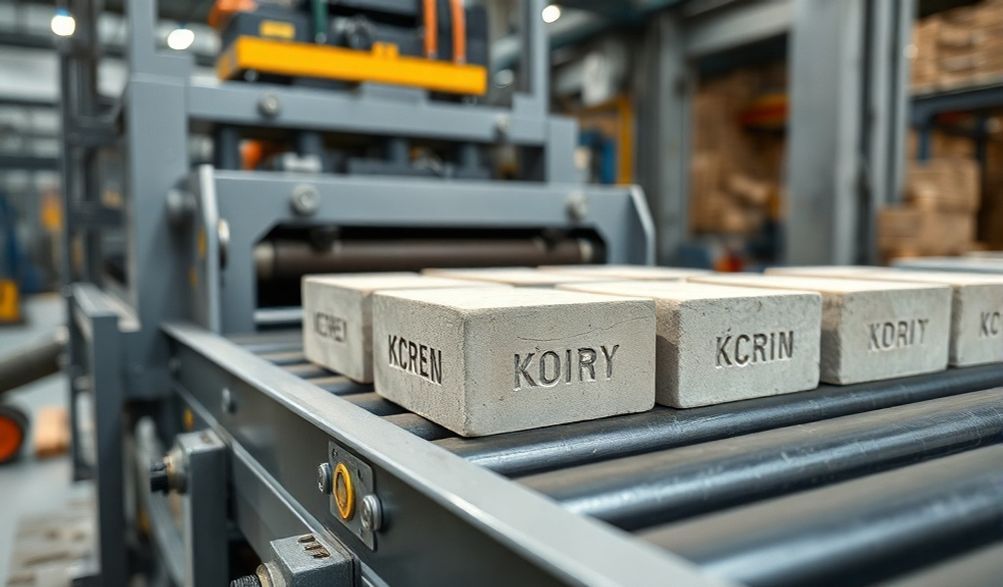
Brick Manufacturing Machine Price: A 2024 Buyer’s Guide & Cost Breakdown
Investing in a brick manufacturing machine is a major decision for entrepreneurs and construction businesses. Unpredictable costs and hidden expenses can easily derail your project budget and turn a promising venture into a financial strain. You’re not just buying a piece of equipment; you’re making a capital investment that will define your production capacity, product quality, and profitability for years to come.
This guide serves a clear purpose: to cut through the ambiguity of online price lists and provide you with a transparent, detailed, and authoritative breakdown of what truly determines the cost of a brick manufacturing machine. We understand that your journey involves weighing complex factors—balancing upfront cost against long-term output, and initial savings against future reliability.
Prices in this industry are not arbitrary. They are directly tied to a machine’s production capacity, its level of automation, the quality of its components, and the specific type of brick it produces. By the end of this 2024 guide, you will have a firm grasp of realistic price ranges for every machine type, a clear understanding of the key factors that drive those costs, and—most importantly—the framework to evaluate the ਕੁੱਲ ਮਲਕੀਅਤ ਦੀ ਲਾਗਤ (ਟੀ.ਸੀ.ਓ.), moving far beyond the sticker price to make a truly informed investment.
Understanding the Core Factors That Determine Price
To make a smart purchase, you must first understand the engineering and commercial logic behind the price tag. A machine’s cost is a direct reflection of its capabilities, durability, and technological sophistication.
ਉਤਪਾਦਨ ਸਮਰੱਥਾ ਅਤੇ ਆਉਟਪੁੱਟ (ਬਲਾਕ ਪ੍ਰਤੀ ਘੰਟਾ)
This is the most straightforward cost driver. The price scales almost directly with a machine’s hourly or daily output capacity.
* Low-Capacity Machines (1,000 – 3,000 blocks/hour): Ideal for startups, small construction projects, or local supply. These have a lower initial cost but limit scaling.
* Medium-Capacity Machines (3,000 – 8,000 blocks/hour): The workhorses for small to medium enterprises (SMEs) aiming to supply multiple sites or become regional suppliers.
* High-Capacity Plants (10,000+ blocks/hour): These are industrial-grade, fully automatic lines designed for large-scale commercial production. The investment is significant, but the per-unit production cost plummets.
ਆਟੋਮੇਸ਼ਨ ਦਾ ਪੱਧਰ: ਮੈਨੂਅਲ, ਅਰਧ-ਆਟੋਮੈਟਿਕ, ਪੂਰੀ ਤਰ੍ਹਾਂ ਆਟੋਮੈਟਿਕ
Automation is the primary differentiator in both function and price. Your choice here dictates your labor costs and operational consistency.
- ਮੈਨੂਅਲ ਮਸ਼ੀਨਾਂ: The most affordable entry point. Operators handle mixing, feeding, molding, and curing. While capital-cheap, they are labor-intensive, slower, and can have variable product quality.
- ਸੈਮੀ-ਆਟੋਮੈਟਿਕ ਮਸ਼ੀਨਾਂ: Offer the best balance for many businesses. Key processes like compaction and vibration are automated, but pallet handling or block removal may be manual. They significantly boost output and consistency over manual models without the premium of full automation.
- ਪੂਰੀ ਤਰ੍ਹਾਂ ਆਟੋਮੈਟਿਕ ਮਸ਼ੀਨਾਂ: Command the highest price. They integrate Programmable Logic Controller (PLC) systems, robotic pallet feeders, stackers, and conveyor belts. Labor is primarily for supervision and maintenance. The premium price buys you maximum output, minimal labor costs, and exceptional product uniformity.
Machine Type & Brick Specification
Not all brick machines are created equal. The end product dictates the machine’s design, which in turn influences its cost.
Concrete Block Making Machine
The most common and versatile type. Prices vary significantly based on the mold configuration and the complexity of the block produced.
* Standard Hollow/Solid Blocks: Most economical molds.
* Pavers, Interlocking, and Retaining Wall Blocks: More complex mold designs and often require higher vibration and pressure, increasing machine cost.
Clay Brick Making Machine
This category often involves a higher initial investment as it may encompass the entire process from extrusion to firing.
* Extruders shape the clay column.
* Kilns (tunnel or Hoffman) are a major additional cost but are essential for firing. The system’s energy efficiency is a critical long-term cost factor.
Fly Ash Brick Machine
Growing in popularity due to eco-friendly credentials, these machines use a high percentage of fly ash (a waste product from coal plants). The machine design is optimized for this material mix, often requiring precise pressure and curing control, which can affect the price point.
ਮੁੱਖ ਹਿੱਸੇ ਅਤੇ ਬਿਲਡ ਕੁਆਲਿਟੀ
This is where “cheap” can become very expensive. The quality of core components determines durability, maintenance frequency, and uptime.
- ਹਾਈਡ੍ਰੌਲਿਕ ਸਿਸਟਮ: The heart of the machine. High-quality pumps, valves, and cylinders from reputable brands (e.g., Bosch Rexroth, Kawasaki) cost more but ensure consistent pressure, fewer leaks, and a longer lifespan.
- ਵਾਈਬ੍ਰੇਸ਼ਨ ਸਿਸਟਮ: Critical for block density and strength. Powerful, balanced vibration motors mounted on a robust vibration table are essential. Cheap motors burn out quickly and produce weak blocks.
- Frame and Structure: The machine must withstand constant, heavy vibration. A frame built from high-grade steel (e.g., ST-52) is non-negotiable for long-term stability.
- ਕੰਟਰੋਲ ਪੈਨਲ: A well-sealed panel with quality electrical components (e.g., Siemens, Schneider) prevents dust ingress and electrical failures.
The Trustworthy Advice: Opting for a machine with inferior components to save 10-15% upfront often leads to double that cost in repairs and production downtime within the first two years. Invest in build quality.
2024 Price Ranges for Different Brick Machine Types
As of 2024, based on global manufacturer quotations and industry benchmarks, here are the typical price brackets. Remember, these are for the machine itself; additional costs are covered in the next section.
Manual & Small-Scale Machines
- ਕੀਮਤ ਸੀਮਾ: $1,000 – $10,000
- ਵਰਤੋਂ ਕੇਸ: Perfect for individual entrepreneurs, very small startups, or on-site production for a single construction project. Output is typically below 2,000 blocks per 8-hour shift.
ਸੈਮੀ-ਆਟੋਮੈਟਿਕ ਇੱਟ ਬਣਾਉਣ ਵਾਲੀਆਂ ਮਸ਼ੀਨਾਂ
- ਕੀਮਤ ਸੀਮਾ: $10,000 – $50,000
- ਵਰਤੋਂ ਕੇਸ: The “sweet spot” for most small to medium businesses. For example, a quality semi-automatic machine producing 3,000-5,000 solid blocks per hour might cost between $25,000 and $40,000. This range includes machines with automatic vibration and compression but manual material feeding or block removal.
Fully Automatic Brick Manufacturing Plants
- ਕੀਮਤ ਸੀਮਾ: $50,000 – $300,000+
- ਵਰਤੋਂ ਕੇਸ: For established businesses targeting high-volume commercial supply. A basic fully automatic line starts around $70,000. A $150,000+ system would include integrated mixers, automated conveyor belts, robotic pallet handling, and computerized stackers, requiring minimal human intervention.
Mobile Brick Machines
- ਕੀਮਤ ਸੀਮਾ: $15,000 – $80,000
- ਵਰਤੋਂ ਕੇਸ: Contractors or businesses that need to produce bricks directly at multiple construction sites. You pay a premium for the integrated trailer, engine, and compact design. Output is generally lower than stationary models of equivalent price.
Beyond the Sticker Price: Calculating Total Cost of Ownership (TCO)
The invoice price is just the beginning. An experienced buyer budgets for the complete picture of bringing a machine online and running it profitably.
Hidden Costs to Budget For
- Shipping, Customs, and Insurance: For international purchases, freight (sea or air), import duties, taxes, and insurance can add 15-40% to the machine cost. Always clarify Incoterms like FOB (Free on Board) or CIF (Cost, Insurance, and Freight).
- Foundation & Shed: A stable, leveled concrete foundation is mandatory. A production shed for weather protection and raw material storage is often a necessary infrastructure cost.
- Initial Raw Material Stock: You’ll need to purchase your first bulk loads of cement, aggregate, and pigment to begin production.
- Spare Parts Kit: A starter kit of common wear parts (seals, gaskets, filter elements) is a prudent initial investment to minimize early downtime.
Operational Costs: Power, Labor, and Maintenance
- ਪਾਵਰ ਖਪਤ: Fully automatic plants with multiple heavy motors have higher power demands than a small manual machine. Factor in your local electricity rates.
- ਮਜ਼ਦੂਰੀ ਦਾ ਖਰਚਾ: This is the major trade-off. A $10,000 manual machine may require 6-8 workers. A $80,000 semi-automatic might need 3-4. A $200,000 fully automatic line could run with 1-2. Calculate the wage savings over 3-5 years.
- Preventive Maintenance: Regular lubrication, part inspection, and system checks are not optional. Budget 2-5% of the machine’s initial cost annually for maintenance and parts.
The Importance of After-Sales Service & Warranty
This has a direct, tangible financial value. A reliable manufacturer will offer:
* Clear Warranty: Typically 12-24 months on core components.
* ਤਕਨੀਕੀ ਸਹਾਇਤਾ Availability of engineers for remote troubleshooting.
* ਭਾਗਾਂ ਦੀ ਉਪਲਬਧਤਾ: A guarantee that wear parts are in stock and can be shipped promptly.
A cheaper machine with no accessible support network can become a costly paperweight when it breaks down.
How to Get the Best Value for Your Investment
Armed with knowledge, your procurement strategy should be methodical and requirement-driven.
Define Your Project Requirements Clearly
Before contacting a single supplier, document:
* Brick Type: Solid, hollow, paver, interlocking?
* Daily Output Target: Based on market demand.
* Available Space & Power: Physical and electrical constraints.
* Available Budget: Include a +25% buffer for hidden and initial costs.
Research and Compare Reputable Manufacturers
- Check business history (aim for 10+ years in operation).
- Scrutinize client testimonials and ask for references from your region.
- If feasible, visit the factory or see a working installation. There is no substitute for seeing build quality firsthand.
Request a Detailed Quotation (Pro Forma Invoice)
A professional quote should be itemized and include:
1. Machine model and detailed specifications.
2. Itemized price list.
3. Shipping terms (FOB Port, CIF Your Port).
4. Warranty terms and scope.
5. List of included spare parts.
6. Installation and commissioning guidelines.
7. Training offered (on-site or at factory).
Consider Financing and ROI Projections
- Many manufacturers offer financing partnerships. Explore local small business loans as well.
- Calculate a simple ROI: (Total Investment / (Monthly Profit – Monthly Operational Costs)) = Months to ROI. Be conservative in your profit estimates.
Frequently Asked Questions (FAQ) on Brick Machine Prices
Q1: What is the cheapest brick making machine available?
A: Small, manual, single-block machines can be found for as low as $1,000 to $3,000. However, it’s crucial to understand the trade-offs: very low output, high physical labor requirements, and inconsistent product quality. For any serious business, the ਕੁੱਲ ਮਲਕੀਅਤ ਦੀ ਲਾਗਤ of such a machine is often unfavorable.
Q2: How much does a fully automatic interlocking brick machine cost?
A: As of 2024, a fully automatic stationary plant dedicated to interlocking bricks typically ranges from $70,000 to $150,000. The final cost depends on the output (e.g., 5,000 vs. 10,000 blocks/hour) and the level of integration (e.g., with or without an automatic color feeder and robotic stacker).
Q3: Are used brick manufacturing machines a good option to save money?
A: They can be, but caution is paramount. Only consider it if you can have a qualified technician perform a thorough mechanical inspection. Critically, verify that spare parts for that specific model are still available from the manufacturer. Understand the machine’s service history. The potential savings come with higher risk.
Q4: Does the price include installation and training?
A: This varies drastically by supplier. Many quotes are for FOB (Free on Board) at their factory, meaning you bear all shipping, insurance, installation, and training costs. Always explicitly ask: “Does this quoted price include installation, commissioning, and on-site operator training?” Get the answer in writing.
Q5: How long does it take to see a return on investment (ROI)?
A: There’s no universal timeline. ROI depends on your machine utilization, local brick selling prices, operational efficiency, and cost control. A well-run semi-automatic operation in a region with good demand might see ROI in 12-24 months. A larger, underutilized plant could take 3-5 years. Create a detailed business plan with realistic numbers.
Conclusion
The price of a brick manufacturing machine is ultimately a reflection of the value it provides: the capability to produce, the reliability to operate consistently, and the durability to last. The right choice is never just the cheapest option; it is the machine that offers the optimal balance of initial investment and long-term productivity for your specific business needs.
Use this guide as your framework. Let it empower you to have informed, technical discussions with suppliers, to ask the right questions, and to see beyond the marketing gloss. Your goal is to build a profitable, sustainable business. That foundation starts with a smart, value-driven investment in the right equipment.
Your Next Step: Prepare a detailed project requirement sheet based on the sections above. Then, request comprehensive, itemized quotations from 3-4 verified and reputable manufacturers. A clear comparison will reveal the true best value for your venture.
<