
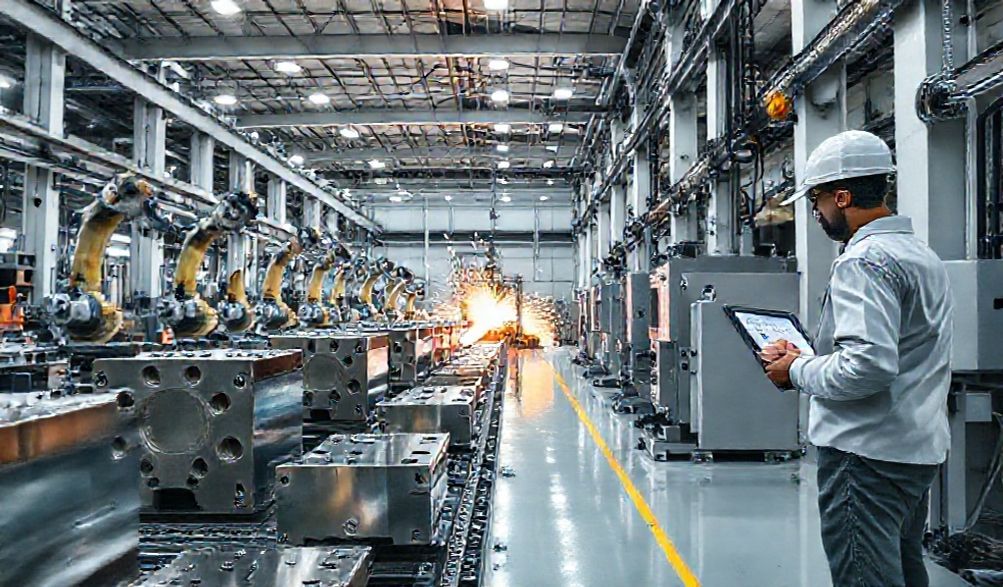
Inside a Leading Block Machine Factory: How FUDA Builds Quality & Innovation
The world of construction is built on a foundation of precision and reliability, much of which originates in the unassuming yet critical hubs of manufacturing known as block machine factories. These facilities are where engineering ambition meets raw material, transforming concrete, fly ash, or cement into the standardized, durable building blocks of our homes, roads, and cities. For contractors, builders, and entrepreneurs, selecting the right manufacturing partner is not merely a purchase—it’s a strategic decision that affects project timelines, structural integrity, and bottom-line profitability. This article provides an insider’s perspective into the exacting world of a premier block machine factory, using the operational excellence and industry benchmarks set by leaders like the ਫੂਡਾ ਬਲਾਕ ਮਸ਼ੀਨ ਫੈਕਟਰੀ as our guide. We will dissect the core principles that separate adequate manufacturers from exceptional ones, equipping you with the expert knowledge necessary to make a confident, informed investment for your business.
What Defines a World-Class Block Machine Factory?
The difference between a functional block machine and a transformative asset for your business is often forged on the factory floor. A world-class block machine factory is not defined by its size alone, but by a steadfast adherence to principles of precision, innovation, and quality control that permeate every stage of production. It’s an ecosystem where robust design, advanced research, and meticulous craftsmanship converge to build machinery capable of performing in demanding, high-volume environments day after day.
Core Manufacturing Principles at FUDA
At the heart of any leading factory like FUDA are non-negotiable manufacturing standards. These principles ensure that every machine leaving the facility is a testament to durability and performance.
- Precision Engineering & Tolerances: Superior block machines are built with microscopic attention to detail. Critical components like vibration tables, hydraulic systems, and mold frames are machined to exacting tolerances. This precision ensures consistent block density, smooth surface finish, and dimensional accuracy for every single unit produced, which is paramount for efficient, waste-free construction.
- Integration of Robust and Durable Materials: The relentless stress of block production demands the best materials. A top-tier factory uses high-grade steel for frames and structures, wear-resistant alloys for mold liners and wear plates, and industrial-grade hydraulics and electronics. This commitment to material quality directly translates to longer machine lifespans, reduced downtime, and lower total cost of ownership.
- Standardized Assembly Line Protocols: Consistency is key. Reputable factories employ standardized, documented assembly procedures. Each station on the line has specific tasks and quality checkpoints, from welding and machining to electrical panel wiring and final testing. This process-oriented approach minimizes human error and guarantees that every machine, whether the first or the hundredth of a model, meets the same high standard.
The Role of R&D in Block Machine Innovation
A factory that merely assembles is soon left behind. True industry leaders are characterized by a dynamic Research and Development (R&D) department focused on pushing the boundaries of what’s possible.
- Continuous Improvement of Machine Efficiency: R&D teams constantly analyze machine performance data to find gains. This can mean redesigning vibration systems for faster compaction with less energy, optimizing hydraulic cycles for quicker mold movement, or integrating smarter PLC (Programmable Logic Controller) software for seamless automation and diagnostics.
- Developing Solutions for Diverse Block Types: Modern construction requires variety. Beyond standard hollow blocks, a forward-thinking factory develops specialized solutions for producing paving slabs, interlocking bricks, curb stones, and insulated blocks. This requires innovative mold design and machine adjustments to handle different material flows and compaction profiles.
- Adapting to New Materials and Sustainability Standards: The global shift towards sustainable construction is driving innovation. R&D departments are crucial for adapting machines to work efficiently with new material mixes, such as higher ratios of recycled aggregates or industrial by-products like fly ash, without compromising block strength or production speed.
A Closer Look at FUDA Block Machine Factory’s Product Ecosystem
A hallmark of a true industry leader is the ability to provide a tailored solution for virtually any client need, from a small-scale startup to a national construction firm. A comprehensive product portfolio demonstrates deep market understanding and engineering versatility. Here is a breakdown of the core machinery categories you can expect from a full-service factory like FUDA.
Automatic and Semi-Automatic Block Making Machines
This category represents the core of modern block production, balancing human oversight with mechanical efficiency.
- ਮੁੱਖ ਵਿਸ਼ੇਸ਼ਤਾਵਾਂ: These machines are defined by their output capacity (blocks per hour/shift), level of automation (from operator-fed to fully robotic), and the sophistication of their control systems. Modern automatic machines are governed by intuitive PLC and HMI (Human-Machine Interface) touchscreens, allowing for precise parameter setting, fault diagnosis, and production data tracking.
- ਆਦਰਸ਼ਕ ਐਪਲੀਕੇਸ਼ਨਾਂ: Fully automatic lines are the backbone of large-scale block production plants and major infrastructure projects requiring immense, consistent output. Semi-automatic models offer a perfect balance for medium-sized businesses, providing high productivity with a lower initial investment and simpler maintenance.
Mobile and Stationary Block Machines
The choice between mobility and fixed power is a fundamental one, and a good factory offers robust options for both strategies.
- Comparing Benefits: Mobile block machines (often egg-layers or small stationary units on trailers) offer unparalleled flexibility for on-site production, eliminating transport costs for blocks. Stationary plants, in contrast, are engineered for dedicated, high-volume production in a fixed location, offering greater stability, higher output, and more advanced automation.
- Use Cases: A mobile machine is ideal for a remote construction site, a disaster recovery project, or a business serving a localized area. A stationary factory setup is the choice for establishing a permanent block supply business, supplying multiple contractors from a central location, or producing a wide variety of block types.
Essential Supporting Equipment
The block making machine is the star, but it cannot perform without a capable supporting cast. A holistic factory provides the entire production ecosystem.
- Mixers and Batching Plants: Consistent block quality starts with a perfectly homogenous raw material mix. Computer-controlled batching plants and high-shear mixers ensure the exact ratio of cement, aggregate, and water is achieved every time, which is critical for block strength and curing.
- Block Handling Systems: Efficiency doesn’t stop at production. Automated palletizers, stackers, and conveyor systems handle the heavy lifting—literally. They transport green blocks to the curing area, stack them for storage, and load them for shipment, dramatically reducing labor costs and physical strain.
- Molds and Accessories: The mold defines the block. Leading factories have in-house mold fabrication workshops capable of producing not only standard molds but also custom designs for unique architectural shapes, textures, or sizes, allowing clients to differentiate their products in the market.
The FUDA Factory Advantage: Beyond the Machine
Purchasing a machine is a transaction; partnering with a superior factory is an investment in long-term success. The most critical differentiator often lies in what happens after the sale. A factory like FUDA builds trust by ensuring their clients are supported, trained, and equipped for maximum uptime and profitability throughout the machine’s lifecycle.
Comprehensive Technical Support and Training
- On-site Installation and Commissioning: The partnership begins with expert engineers from the factory traveling to your site to supervise installation, calibrate the machine, and run its first production cycles. This ensures the machine is set up correctly from day one.
- Detailed Operational and Maintenance Training: Your team is trained thoroughly on safe operation, daily maintenance routines, basic troubleshooting, and optimal production parameters. Empowering your staff is the best way to prevent minor issues from becoming major downtime.
- Availability of Remote Diagnostic Support: With modern internet connectivity, factory technicians can often connect remotely to the machine’s PLC to diagnose issues, update software, or guide your local team through repair procedures, saving valuable time.
Robust After-Sales Service and Parts Supply
- Guaranteed Availability of Genuine Spare Parts: A reliable factory maintains a comprehensive inventory of original spare parts, from hydraulic seals and vibration motors to control boards. Using genuine parts ensures compatibility and preserves the machine’s designed performance and warranty.
- Service Network and Response Time Commitments: Top factories outline clear service level agreements. This includes having trained service agents in key regions or committing to specific response times for dispatching technical support, minimizing production interruptions.
- Preventive Maintenance Programs: Many factories offer scheduled maintenance plans. Their technicians will perform periodic, in-depth inspections and servicing, proactively replacing wear parts before they fail, which is the most cost-effective strategy for maximizing machine uptime.
How to Select the Right Block Machine Factory Partner
Armed with an understanding of what makes a factory exceptional, you can approach your selection process with a critical, informed eye. Use the standards exemplified by leaders like FUDA as your benchmark when evaluating potential partners.
Critical Evaluation Criteria
- Assessing Factory Certifications and Industry Reputation: Look for international quality management certifications (like ISO). Research their history, years in business, and presence in global markets. A long-standing reputation is a strong indicator of reliability.
- Verifying Machine Performance Data and Client Testimonials: Request detailed specification sheets and, if possible, third-party verified test reports. Ask for case studies or contact references from past clients in a similar business or region to hear about their real-world experience.
- The Importance of Factory Visits or Virtual Tours: If feasible, visit the factory. A tour reveals the organization, cleanliness, and technological level of the production floor. If travel isn’t possible, insist on a detailed live virtual tour—a reputable factory will have nothing to hide.
Key Questions to Ask Any Manufacturer
Prepare a list of pointed questions. The answers will reveal their commitment to customer success.
- Questions about Machine Warranty and Guarantees: “What is the comprehensive warranty period for different components (mechanical, electrical, hydraulic)? What does the warranty cover and, just as importantly, what does it exclude?”
- Inquiries into Energy Consumption and Operational Costs: “Can you provide estimated power consumption data for a standard production cycle? What are the most common wear parts and what is their typical lifespan and cost?”
- Understanding Lead Times and Logistics Support: “What is the current production lead time for my chosen model? Do you handle export documentation, shipping, and customs clearance (FOB, CIF, etc.), or is that the buyer’s responsibility?”
Frequently Asked Questions (FAQ)
Q1: What is the typical production output range for a FUDA automatic block making machine?
A: Output is highly model-dependent. A standard fully automatic block making machine from a leading factory can typically produce between 3,000 to over 12,000 standard hollow blocks (e.g., 400x200x200mm) per 8-hour shift. Specific output is determined by block size, machine model, and the level of automation.
Q2: Can a block machine factory customize machines for specific block designs?
A: Absolutely. Reputable factories with strong engineering departments, like FUDA, specialize in customization. They can design and fabricate custom molds for unique shapes, sizes, textures, and even special inserts. Discuss your specific design requirements early in the consultation process.
Q3: What kind of after-sales support should I expect from a top factory?
A: You should expect a structured support system: a clear, written warranty; comprehensive operation and maintenance manuals (often with parts diagrams); a dedicated contact for technical queries; a reliable supply chain for genuine spare parts; and access to service engineers, either remotely or on-site for major issues.
Q4: Are block machines from a factory like FUDA suitable for starting a small business?
A: Yes, they cater to all scales. Factories offer a range of models, from manual and affordable semi-automatic machines perfect for small business owners or community projects, to fully automated lines. The key is to openly discuss your business plan, budget, and growth projections with their sales team to identify the most suitable and scalable entry point.
Conclusion
Selecting a block machine factory is one of the most consequential decisions for anyone in the construction materials or building sector. It is an investment that directly influences your product quality, operational efficiency, and competitive edge. By prioritizing manufacturers that embody a deep well of engineering ਮਾਹਰਤਾ, proven manufacturing ਅਨੁਭਵ, recognized industry ਪ੍ਰਮਾਣਿਕਤਾ, and unwavering client ਭਰੋਸੇਯੋਗਤਾ—qualities clearly demonstrated in the operational paradigm of the ਫੂਡਾ ਬਲਾਕ ਮਸ਼ੀਨ ਫੈਕਟਰੀ—you do more than buy a machine. You forge a partnership for progress. Choose a partner whose commitment extends beyond the delivery truck, one that provides the comprehensive solutions, continuous innovation, and steadfast support to ensure your investment builds a foundation for profitability and growth for years to come.
<