
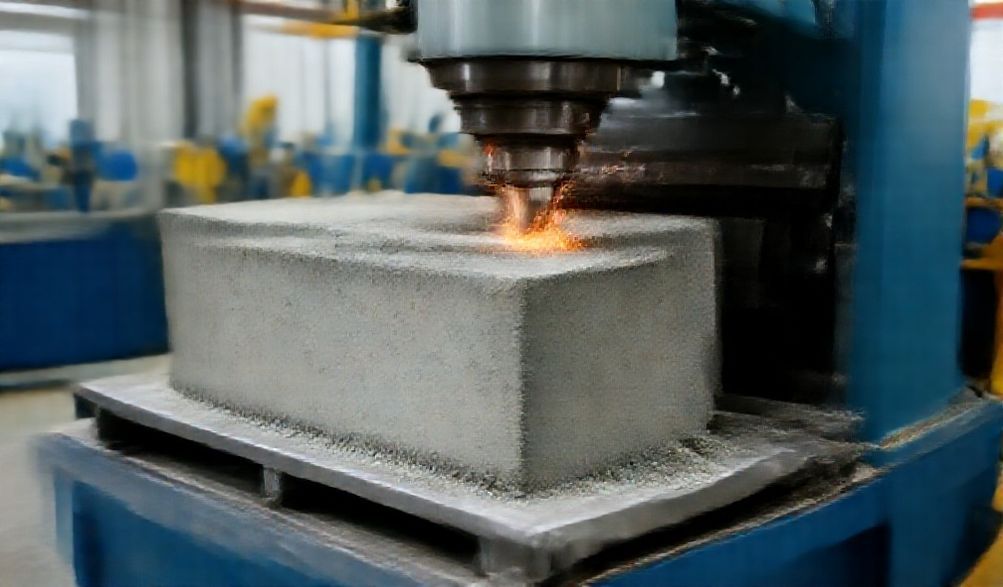
The Complete Cement Bricks Making Machine Manual: A Guide from FUDA Block Making Factory Experts
ਪਰਿਚਯ
Welcome to the definitive guide for operating and maintaining your cement bricks making machine. This isn’t just a reprint of a technical datasheet. This comprehensive manual is crafted from the decades of hands-on experience at the FUDA block making factory. We are not just manufacturers; we are practitioners who have operated, maintained, and optimized these machines daily to produce high-quality cement bricks and blocks.
This guide merges official technical specifications with real-world, on-the-factory-floor expertise. Our goal is to provide you with an authoritative and trustworthy resource that ensures your machine operates at peak efficiency, safely, and for years to come.
Whether you’re a new operator learning the controls or a seasoned manager looking to optimize output, this manual delivers the practical knowledge you need. Let’s begin by understanding the machine itself.
Understanding Your Cement Brick Making Machine: Core Components
To operate your machine effectively, you must first understand its key systems. Think of it as getting to know a new team member—understanding their strengths and how they function leads to better results.
The Hydraulic System: The Heart of the Machine
The hydraulic system is the powerhouse. It provides the immense pressure required to compact the raw concrete mix into a dense, strong block.
- ਫੰਕਸ਼ਨ: It converts electrical energy into controlled mechanical force.
- ਮੁੱਖ ਹਿੱਸੇ:
- Hydraulic Pump: The component that creates flow and pressure.
- Control Valves: Direct the flow of hydraulic oil to control the speed and sequence of operations.
- Cylinders: The actuators that do the physical work of lifting, pressing, and ejecting.
- Importance of Pressure: Consistent and correct hydraulic pressure is non-negotiable. It directly determines the block’s compressive strength and dimensional stability. Fluctuating pressure leads to weak or cracked products.
The Mold and Vibrating System: Shaping Your Blocks
This is where your raw material becomes a defined product. The mold gives the shape, and vibration ensures it’s solid.
- Mold Types: Interchangeable molds allow for product versatility.
- Hollow Blocks (for structural walls)
- Solid Bricks
- Paving Stones & Interlocking Blocks
- Vibration Mechanism: High-frequency vibrations are applied during filling and compaction. This action removes air pockets, ensures the mix fills every corner of the mold, and is critical for achieving a smooth surface finish and high density.
The Control Panel & Electrical Systems: Operator Interface
This is your command center. A modern control panel brings precision and repeatability to the block-making process.
- Overview: Typically features a programmable logic controller (PLC) or a series of relays and timers.
- Controls: Allows you to set vibration time, pressing time, and cycle parameters.
- Safety: Includes emergency stop buttons, safety interlocks, and fault indicators to protect both the operator and the machine.
The Feeding and Conveying System: Material Flow
Efficiency hinges on a consistent and well-calibrated material feed. This system moves the raw mix from the hopper to the mold.
- ਹੌਪਰ: Stores the prepared concrete mix. Must be kept clear of hardened material.
- Feeder: Precisely meters the amount of mix delivered to the mold cavity. An incorrect feed leads to under-filled or over-filled blocks.
- Conveyor Belt: Transports the freshly pressed blocks from the machine to the curing area. Proper tension and alignment are crucial to prevent damage to green blocks.
Step-by-Step Operational Manual for Your Block Making Machine
Theory is good, but practice is everything. Follow these steps, born from daily factory routines, to ensure smooth and safe operation.
Pre-Operation Checklist and Safety Protocols
Never skip the pre-start check. This 10-minute routine prevents 90% of operational issues.
Daily Inspection Points:
* Check hydraulic oil level and look for any leaks.
* Inspect all belts for proper tension and wear.
* Tighten any loose bolts or nuts, especially around the mold and frame.
* Ensure the mold is clean and properly secured.
* Verify that all safety guards are in place.
Mandatory Personal Protective Equipment (PPE):
* Safety glasses or goggles.
* Hearing protection (vibration can be loud).
* Steel-toe boots.
* Heavy-duty gloves for handling blocks and molds.
Machine Safety Zone: Clearly mark and enforce a zone around the machine where only authorized operators are allowed during operation.
Startup, Calibration, and First Batch Procedure
- Power-Up Sequence: Engage the main power, then turn on the control panel. Allow the hydraulic system to initialize.
- Calibration: Input your initial settings. A standard starting point for a solid block might be 8-12 seconds of vibration and medium-high pressure. This will need fine-tuning based on your specific mix.
- The First Batch: Run a cycle without material to ensure all movements are correct. Then, run your first batch of blocks.
- Quality Check: Examine the first blocks.
- Good Compaction? The block should be dense, with sharp edges.
- Surface Finish Smooth? If pitted, vibration time may need increasing.
- Easy Ejection? If sticking, check mold cleanliness and release agent.
Optimal Raw Material Mix Design for Machine Efficiency
The machine can only work with what you feed it. A consistent, well-proportioned mix is half the battle.
- Standard Ratio: A common starting mix is 1 part cement, 3 parts fine sand, and 5 parts coarse aggregate (e.g., 6mm stone chips).
- Water Content: This is critical. The mix should be just wet enough to bind when squeezed in your hand, with no excess water dripping. Too dry = poor compaction. Too wet = blocks slump and lose shape.
- Impact on Machine: A harsh, poorly graded mix accelerates wear on the mold liners, feeder, and vibrators. A consistent, optimal mix protects your investment.
Continuous Production: Best Practices from the FUDA Factory Floor
- Consistent Feeding: Maintain a steady supply of mix in the hopper. Erratic feeding causes variations in block weight and density.
- Monitor Output: Regularly sample blocks from the production stream to check weight and dimensions.
- Pallet Management: Ensure pallets are clean, flat, and dry before blocks are placed on them. Organize a smooth workflow for moving filled pallets to the curing area.
Routine Maintenance & Troubleshooting: Ensuring Longevity
Proactive maintenance is far cheaper than reactive repairs. This schedule is based on our factory’s preventative maintenance program.
Daily, Weekly, and Monthly Maintenance Schedules
- Daily (End of Shift):
- Clean the mold, hopper, and feed system thoroughly with water and a brush. Never let concrete harden on the machine.
- Wipe down the entire machine.
- Weekly:
- Check and lubricate all grease points (vibration motor bearings, conveyor rollers).
- Inspect hydraulic hoses for abrasions.
- Tighten all electrical connections.
- Monthly:
- Check hydraulic oil filter condition.
- Inspect mold liners, wear plates, and seals for excessive wear.
- Perform a full bolt-tightening check on the machine frame.
Common Operational Issues and DIY Solutions
| Problem | Likely Cause | Immediate Solution |
| ——————————– | ——————————————— | ———————————————————————————- |
| Blocks are not compacting | Insufficient vibration, mix too dry | Increase vibration time slightly. Check and adjust mix water content. |
| Hydraulic pressure is low | Low oil level, clogged filter, minor leak | Check and top up oil. Inspect filter. Look for visible leaks around seals/hoses. |
| Blocks sticking to the mold | Dirty mold, insufficient release agent | Stop and clean the mold thoroughly. Apply a recommended mold release agent evenly. |
| Uneven block height | Uneven feeding, worn mold liners | Check and adjust the feeder. Inspect the mold for wear or damage. |
| Machine makes unusual noise | Loose parts, lack of lubrication | Stop immediately. Check for loose bolts/nuts. Lubricate all moving parts. |
When to Call a Professional: Recognizing Major Faults
Do not attempt major repairs without training. Call a FUDA technician for:
* Major hydraulic leaks from pumps or valve blocks.
* Electrical control failures or burning smells from the panel.
* Structural cracks in the machine frame or mold assembly.
* Persistent pressure loss despite basic checks.
Always use genuine FUDA spare parts. Counterfeit parts may seem cheaper but cause misalignment, accelerated wear, and void warranties.
Advanced Tips for Maximizing Output and Block Quality
Once you’ve mastered the basics, these insights will help you push your productivity and quality to the next level.
Fine-Tuning Machine Settings for Different Block Types
- ਹੋਲੋ ਬਲਾਕ: Require higher vibration intensity to ensure the webs are properly filled. Pressure can be slightly lower than for solid blocks.
- Solid Bricks & Pavers: Need maximum pressure for high density and strength. Vibration time is critical for a perfect surface finish.
- ਇੰਟਰਲਾਕਿੰਗ ਪੇਵਰਸ: Precision is key. Ensure the mold is perfectly clean and ejection is smooth to avoid damaging the intricate interlocking edges.
Integrating Your Machine into a Production Line
A standalone machine is good; an integrated line is better.
* Coordinate with a Pan Mixer: Use a mixer that can produce consistent batches on a cycle that matches your machine’s speed.
* Use Transfer Carts or Belt Conveyors: Automate the movement of green blocks to the curing area to reduce labor and handling damage.
* Optimize Curing Rack Layout: Design your yard for a logical flow: production -> curing -> testing -> storage.
Energy Efficiency and Cost-Saving Measures
- Optimize Cycle Time: Find the shortest cycle time that still produces a quality block. Unnecessary seconds add up in energy costs.
- Preventive Maintenance: A clean machine with good hydraulics runs more efficiently than a neglected one.
- Reduce Raw Material Waste: Precise feeding and mix consistency minimize spillage and rejected blocks. Recycle clean, broken green blocks back into the mixer.
Frequently Asked Questions (FAQ)
Q: What is the recommended cement grade for use with the FUDA brick making machine?
A: We recommend using a standard Portland cement (OPC 43 or 53 grade) with consistent quality for reliable results and machine health. Consistency in cement quality is more important than chasing the highest grade.
Q: How often should the hydraulic oil be changed?
A: Under normal operating conditions, a complete hydraulic oil change is recommended every 1,000-1,500 operating hours. Always refer to your specific model’s manual and monitor oil cleanliness. Dark, cloudy, or watery oil should be changed immediately.
Q: Can the machine use fly ash or other alternative materials?
A: Yes, many FUDA machines can process fly-ash mixes, which can improve workability and reduce costs. However, the mix ratio and moisture content are critical and differ from standard concrete. Consult with our technical team for specific guidelines to avoid machine damage and ensure block strength.
Q: Where can I find and order genuine spare parts?
A: Genuine FUDA spare parts are available exclusively through our authorized dealers and direct factory contacts. This ensures perfect compatibility, longevity, and preserves your machine’s warranty. Beware of counterfeit parts that can cause operational failures.
Q: Does FUDA offer on-site training for machine operators?
A: Yes. The FUDA factory provides comprehensive on-site training programs to ensure your team operates the machine safely, efficiently, and at maximum productivity. Contact our service department to schedule a training session tailored to your needs.
Conclusion
Mastering your cement bricks making machine is a continuous journey. It combines a deep understanding of its mechanics, disciplined adherence to operational procedures, and an unwavering commitment to proactive maintenance.
This manual, distilled from the real-world experience of the FUDA block making factory, provides the foundational expertise to achieve just that. By following these guidelines, you do more than just make blocks—you invest in the longevity of your equipment, guarantee the consistency of your product quality, and, most importantly, safeguard the safety of your team.
For model-specific details, detailed technical schematics, or professional service support, always refer to your official FUDA documentation or contact our expert engineering team directly. Let’s build quality, efficiently and sustainably.
<