
The Complete Guide to Fully Automatic Fly Ash Brick Machines: Efficiency, Cost & Selection
ਪਰਿਚਯ
The global construction industry is undergoing a profound green revolution. As the world seeks sustainable alternatives to mitigate environmental degradation, fly ash bricks have emerged as a cornerstone of eco-friendly building. Utilizing a waste byproduct from thermal power plants, these bricks conserve topsoil, reduce carbon emissions, and offer superior performance. However, scaling this sustainable solution has been hampered by the limitations of traditional manufacturing.
Manual and semi-automatic brick production often grapple with inconsistent quality, high labor intensity, and significant operational inefficiencies. These challenges make it difficult for manufacturers to meet the growing demand reliably and profitably. Enter the technological game-changer: the ਪੂਰੀ ਤਰ੍ਹਾਂ ਆਟੋਮੈਟਿਕ ਫਲਾਈ ਐਸ਼ ਇੱਟ ਮਸ਼ੀਨ.
This integrated manufacturing system represents a paradigm shift, transforming raw materials into perfectly consistent, high-strength bricks with minimal human intervention. It is the definitive answer for entrepreneurs and established businesses aiming to achieve scale, unwavering quality, and robust profitability in the green construction market.
This comprehensive guide is compiled from industry operational data, engineering principles, and market insights. Our goal is to provide you with a trustworthy, expert resource to make a confident and informed investment decision. Let’s delve into the world of automated brick manufacturing.
What is a Fully Automatic Fly Ash Brick Machine?
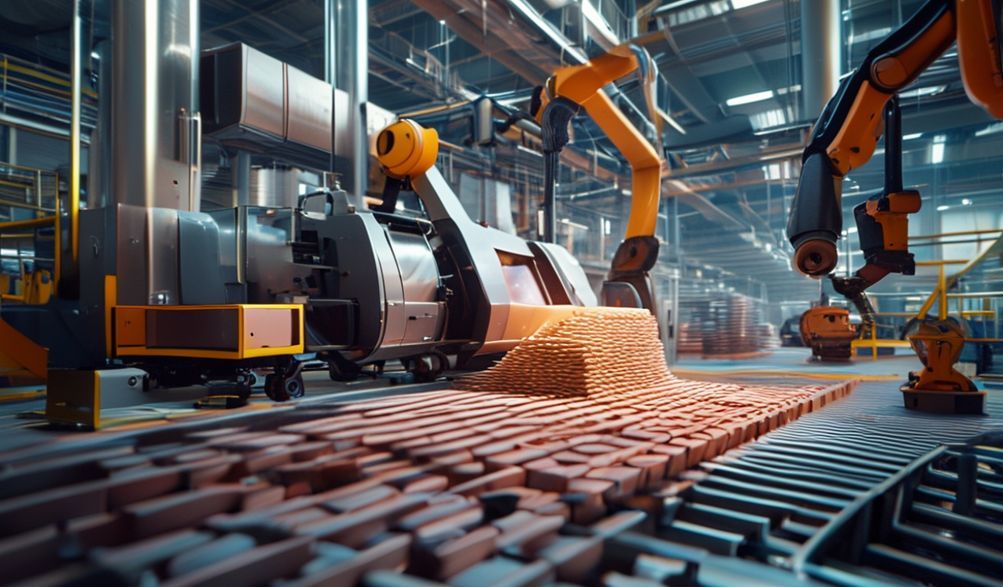
At its core, a fully automatic fly ash brick machine is a complete, integrated production line designed to automate the entire brick-making process from raw material feeding to the final stacking of cured bricks. It replaces human judgment and manual effort with precise mechanical and electronic control, ensuring each brick is identical to the last.
ਕੋਰ ਪਰਿਭਾਸ਼ਾ ਅਤੇ ਕਾਰਜ ਸਿਧਾਂਤ
The machine operates on a continuous, cyclic principle, meticulously managing each stage:
1. Proportioning & Feeding: Raw materials (fly ash, sand, cement) are automatically batched in precise ratios.
2. ਮਿਕਸਿੰਗ Materials are conveyed to a heavy-duty mixer (like a pan or planetary mixer) where water is added to form a homogeneous, semi-dry mix.
3. ਸੰਘਣਨ: The mix is fed into moulds within a high-tonnage hydraulic press. Here, it is compacted under immense pressure—the key to the brick’s strength.
4. Ejection & Conveying: The freshly pressed, wet bricks are automatically ejected onto pallets or conveyor belts.
5. ਇਲਾਜ ਅਤੇ ਸਟੈਕਿੰਗ Bricks are moved to a curing area. After sufficient curing, automatic stackers arrange them for storage or transport.
This closed-loop process runs with remarkable efficiency, often requiring just 1-3 personnel for monitoring and supervision.
ਮੁੱਖ ਭਾਗ ਅਤੇ ਉਨ੍ਹਾਂ ਦੇ ਕਾਰਜ
Understanding the machine’s anatomy reveals the source of its reliability:
* ਆਟੋਮੈਟਿਕ ਬੈਚਿੰਗ ਸਿਸਟਮ: Uses weigh feeders or volumetric feeders to ensure the exact raw material ratio is maintained every time, which is critical for consistent brick quality.
* Pan Mixer/Planetary Mixer: These robust mixers ensure a uniform distribution of moisture and binders throughout the raw material, preventing weak spots in the final brick.
* Hydraulic Press & Moulds: The heart of the machine. The hydraulic system generates the pressure (measured in tonnes) to densely compact the mix. Interchangeable moulds allow production of different brick sizes (solid, hollow, paver).
* ਪ੍ਰੋਗਰਾਮੇਬਲ ਲੌਜਿਕ ਕੰਟਰੋਲਰ (PLC) The “brain” of the operation. This computer system automates the sequencing of all components, monitors pressure and cycles, and provides diagnostics. A Human-Machine Interface (HMI) touchscreen allows for easy operation and parameter setting.
* Conveyor Systems & Stackers: Belt or roller conveyors seamlessly transfer materials and bricks between stages. Automatic stackers significantly reduce end-of-line labor.
How It Differs from Semi-Automatic and Manual Machines
The level of automation fundamentally alters the production paradigm. Here’s a clear comparison:
| Feature | Fully Automatic Machine | Semi-Automatic Machine | Manual Machine |
| :— | :— | :— | :— |
| Labor Requirement | Very Low (1-3 operators for monitoring) | Moderate (4-8 operators) | Very High (10-15+ laborers) |
| ਆਉਟਪੁੱਟ ਸਮਰੱਥਾ | Very High (4,000 – 20,000+ bricks/8hr shift) | Medium (2,000 – 6,000 bricks/8hr shift) | Low (500 – 1,500 bricks/8hr shift) |
| Brick Consistency | Excellent (Precision-engineered uniformity) | Good (Subject to operator skill) | Poor (High variation) |
| Initial Investment | High | Moderate | Low |
| Operational Control | Centralized via PLC; highly repeatable | Manual control of key steps | Fully manual; highly variable |
Advantages of Investing in a Fully Automatic Plant
The shift to full automation is driven by tangible, evidence-based benefits that directly impact your bottom line and market competitiveness.
Unmatched Productivity and Output Consistency
- ਹਾਈ-ਵਾਲੀਅਮ ਆਉਟਪੁੱਟ: These machines are built for scale. Depending on the model, you can produce between 4,000 to over 20,000 bricks in a standard 8-hour shift. With proper planning, they can operate nearly 24/7, maximizing your asset utilization.
- Guaranteed Consistency: Automation eliminates human error from the batching, mixing, and compaction processes. Every brick has identical dimensions, density, weight, and finish. This consistency is not just about aesthetics; it ensures reliable compliance with relevant quality standards like IS 12894 for fly ash bricks, making your product trusted by engineers and builders.
Significant Reduction in Labor Costs and Dependency
- ਸਿੱਧਾ ਖਰਚ ਬਚਤ: Industry practice shows a fully automatic plant can operate with 70-80% less direct labor than a semi-automatic setup. This dramatically reduces your recurring wage bill and associated management overhead.
- Mitigation of Labor Challenges: It reduces dependency on skilled labor availability and minimizes issues related to workforce management, absenteeism, and training. Your production becomes predictable and less vulnerable to labor market fluctuations.
Superior Brick Quality and Strength
- Engineered Strength: The core advantage lies in the controlled, high-pressure compaction. Fully automatic machines often exert 150 to 300+ tonnes of pressure. This force packs the raw materials densely, resulting in bricks with high compressive strength (commonly 100-150 kg/cm² or more), low water absorption, and excellent durability.
- Market Premium: Such quality translates into bricks suitable for load-bearing structures, with minimal breakage during handling and transport. This allows you to command a better price in the market and build a reputation for reliability.
Long-Term Cost Efficiency and ROI
While the capital expenditure (Capex) is higher, the total cost of ownership tells a different story:
* Lower Operational Expenditure (Opex): Savings from reduced labor, lower material waste (due to precise batching), and negligible rework or rejection rates significantly lower your per-brick cost.
* ਊਰਜਾ ਦੀ ਕੁਸ਼ਲਤਾ: Modern hydraulic systems and well-designed drives are optimized for energy consumption, keeping power costs in check.
* Faster Return on Investment (ROI): The combination of high-volume output, premium product pricing, and controlled operational costs typically leads to a faster payback period and superior long-term profitability compared to labor-intensive models.
Critical Technical Specifications to Consider Before Buying
Selecting the right machine requires matching its technical capabilities to your business plan. Here are the non-negotiable specs to scrutinize.
ਉਤਪਾਦਨ ਸਮਰੱਥਾ (ਇੱਟਾਂ ਪ੍ਰਤੀ ਘੰਟਾ)
This is your starting point. Don’t just buy the biggest machine; buy the right-sized one.
* Assessment: Analyze your target market demand, distribution capacity, and growth projections. A machine producing 8,000 bricks per shift is vastly different from one producing 18,000.
* Advice: It’s often prudent to invest in a capacity slightly above your current needs to accommodate growth without immediate reinvestment.
Pressure Rating (Tonnes) and Its Impact on Brick Quality
Pressure is directly proportional to brick density and strength.
* The Rule: Higher pressure = better quality. For commercial, load-bearing fly ash bricks, a machine with a minimum of 150 tonnes of compaction force is recommended. For pavers or high-strength requirements, 200+ tonnes is ideal.
* ਇਹ ਮਹੱਤਵਪੂਰਨ ਕਿਉਂ ਹੈ: Adequate pressure ensures the bricks achieve the required compressive strength and low water absorption, meeting or exceeding building code specifications.
Power Requirements and Energy Consumption
Understand the plant’s energy footprint.
* Spec Check: Review the total connected load, usually expressed in HP or KW for the main motor, hydraulic pump, mixer, and conveyors. A typical medium-capacity plant may require 50-75 HP.
* ਕਾਰਗੁਜ਼ਾਰੀ Inquire about features like variable frequency drives (VFDs) on motors, which can reduce energy consumption by matching power to load.
Automation Level and Control System (PLC vs. Manual Controls)
The control system is your command center.
* PLC with HMI: This is the standard for “fully automatic.” It allows you to set and lock production parameters (pressure, cycle time), provides fault diagnostics, and records production data. It ensures the process is repeatable and easy to manage.
* Avoid Compromises: Some suppliers may offer cheaper models with manual relays or basic automation. Insist on a reputed-brand PLC (e.g., Siemens, Allen-Bradley, Mitsubishi) for reliability and serviceability.
ਕੱਚੇ ਮਾਲ ਵਿੱਚ ਲਚੀਲਤਾ
Your local material availability should guide this.
* Mix Tolerance: A good machine should handle a range of mix designs. Can it work efficiently with 50% fly ash or 65%? Can it accommodate different grades of sand or stone dust?
* Moisture Control: The system should be able to effectively mix and convey your specific semi-dry mix without clogging or sticking.
Step-by-Step Guide to Setting Up Your Plant
A successful launch depends on meticulous planning beyond just buying the machine.
Site Selection and Space Requirements
You need more than just a shed for the machine.
* Total Area: A minimum of 10,000 to 20,000 sq. ft. is recommended for a small-to-medium plant. This must accommodate:
* Machine shed and operation floor.
* Covered raw material storage (fly ash, sand, cement).
* Curing area (critical for strength development).
* Finished brick storage yard.
* Access roads for trucks.
Raw Material Procurement and Quality Control
Consistent input = consistent output.
* Fly Ash Source: Establish a reliable supply chain from a nearby thermal power plant. Check the quality (fineness, unburnt carbon content).
* ਹੋਰ ਸਮੱਗਰੀ: Source uniform-grade sand/stone dust and cement from trusted suppliers.
* Lab Testing: Initially, get your proposed raw material mix tested in a civil engineering lab to optimize the design for strength and cost.
Installation, Commissioning, and Operator Training
This phase is crucial for long-term performance.
* Manufacturer Support: Choose a supplier who provides comprehensive installation supervision and commissioning. They should test-run the machine with your materials.
* Thorough Training: Ensure they train your core team (operator, electrician, mechanic) not just on how to run the machine, but on basic troubleshooting, daily checks, and safety protocols.
Maintenance Schedule for Optimal Uptime
Preventive maintenance is far cheaper than breakdowns.
* Daily: Check hydraulic oil levels, clean sensors, visually inspect hoses and fittings.
* Weekly: Clean moulds and conveyors thoroughly, check for loose bolts and electrical connections.
* Monthly: Change hydraulic oil filters, inspect seals and wear parts on the press, calibrate the batching system if needed.
* Documentation: Maintain a simple logbook for all maintenance activities.
Cost Analysis and Viability Assessment
Let’s demystify the financials with a balanced, realistic perspective.
Breakdown of Investment Costs
The machine cost is only part of the total project cost (TPC).
1. Machine & Auxiliaries: (60-70% of TPC) The main press, PLC, mixer, conveyor, stacker, and pallets.
2. Civil Work & Installation: (15-20%) Foundation for the machine, shed construction, electrical cabling, and compressed air lines.
3. Working Capital: (15-25%) Initial stock of raw materials, spare parts inventory, labor salaries, and other pre-operational expenses.
Operational Cost Calculation (Per Brick Basis)
Understanding your cost per brick is key to pricing.
* ਕੱਚਾ ਮਾਲ: The largest component. Depends on local prices of fly ash, sand, and cement.
* ਸ਼ਕਤੀ Calculate based on machine load and local electricity tariff.
* ਮਜ਼ਦੂਰੀ: Wages for the 1-3 personnel.
* Maintenance & Spares: Allocate a small percentage of machine cost annually (e.g., 2-3%).
* Overheads: Administration, marketing, etc.
Profitability Projection and ROI Timeline
- Simplified Model:
- Assume a plant producing 8,000 bricks/shift, 25 days/month.
- Monthly Production: 2,00,000 bricks.
- Operational Cost/Brick: (e.g., ₹3.50 – varies widely).
- Selling Price/Brick: (e.g., ₹5.50 – market dependent).
- Gross Profit/Brick: ₹2.00.
- Monthly Gross Profit: ₹4,00,000.
- From this, deduct fixed overheads and loan EMIs (if any) to calculate net profit.
- ROI Timeline: With efficient operation and stable market demand, a well-planned project can typically see a full payback on the initial TPC in 1.5 to 3 years. Variables like local brick prices, your operational efficiency, and scale are decisive.
Government Subsidies and Schemes
In many countries, especially in India, promoting fly ash utilization is a policy priority.
* Potential Support: Schemes from the Ministry of Environment, Forest & Climate Change (MoEFCC) or state-level subsidies for eco-friendly industries may offer capital subsidies, interest subventions, or tax benefits.
* Action: Consult with local industry associations or District Industries Centres (DICs) to identify applicable schemes during your project planning phase.
FAQ Section
Q1: What is the average production capacity of a fully automatic fly ash brick machine?
A: Capacities vary significantly by model. Standard machines range from producing 4,000 to 12,000 bricks per 8-hour shift. High-end, large-format lines can produce 15,000 to 20,000+ bricks per shift. The key is to match the capacity to your market’s absorption rate.
Q2: What is the approximate cost of setting up a fully automatic plant?
A: The total project cost is highly location- and capacity-specific. As a realistic range, in the Indian context, it can start from ₹25 Lakhs for a basic, lower-capacity setup and go up to ₹1.5 Crore or more for a high-capacity, turnkey plant with all auxiliaries. In a US or European context, this could translate to \$35,000 to \$200,000+. A detailed project report (DPR) from a consultant or reputable manufacturer is essential for an accurate figure.
Q3: What is the typical payback period for this investment?
A: With efficient plant management, good quality control, and stable market demand, investors can typically expect a full payback of their capital investment within 1.5 to 3 years. This timeline can be shorter in high-demand, high-price markets or longer if operational challenges arise.
Q4: What are the primary raw materials needed, and what is the ideal mix?
A: The primary materials are Fly Ash, Sand/Stone Dust, Cement, and Water. A common and effective mix design is:
* Fly Ash: 50-60%
* Sand/Stone Dust: 30-40%
* Cement: 8-10% (can be partially replaced with lime in some designs)
* Water: As required for a semi-dry mix (typically 8-12% of total dry weight)
This mix should be optimized through lab testing for local materials.
Q5: How important is after-sales service when choosing a manufacturer?
A: It is critically important, often as crucial as the machine price. Reliable after-sales service ensures:
* Minimal Downtime: Quick availability of spare parts and technical support.
* Long Machine Life: Proper guidance on maintenance and operation.
* Investment Protection: A manufacturer with a strong service network stands behind their product. Always verify this before purchasing.
Conclusion
The fully automatic fly ash brick machine is more than just equipment; it is a strategic investment in the future of sustainable construction. It empowers manufacturers to transcend the limitations of traditional methods, delivering unmatched scale, impeccable quality, and compelling profitability. By automating the core production process, you secure a competitive edge built on consistency, efficiency, and environmental responsibility.
Your path to success lies in diligent planning. Prioritize your specific requirements for capacity, budget, and desired automation level. Conduct thorough due diligence: visit existing plants running your shortlisted machines, scrutinize technical specifications, and most importantly, verify the manufacturer’s credentials and after-sales support network.
Ready to transform your brick manufacturing business and lead the green construction wave? Contact our industry experts today for a free, personalized consultation and a detailed project report tailored to your local market conditions.
We are committed to providing accurate, expert-driven information to support your journey towards sustainable and profitable industrial growth.
<