
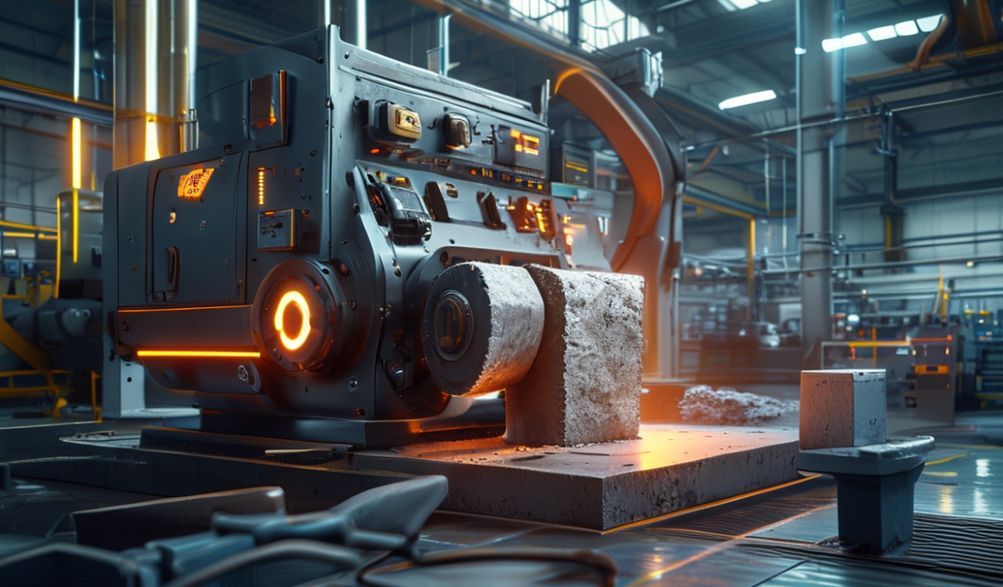
ਹਾਈਡ੍ਰੌਲਿਕ ਬਲਾਕ ਬਣਾਉਣ ਵਾਲੀ ਮਸ਼ੀਨ ਫੈਕਟਰੀ ਚੁਣਨ ਲਈ ਅੰਤਿਮ ਗਾਈਡ
ਪਰਿਚਯ
ਹਾਈਡ੍ਰੌਲਿਕ ਬਲਾਕ ਬਣਾਉਣ ਵਾਲੀ ਮਸ਼ੀਨ ਫੈਕਟਰੀ ਦੀ ਚੋਣ ਕਰਨਾ ਇੱਕ ਨਿਰਮਾਣ ਕਾਰੋਬਾਰ, ਬਲਾਕ ਨਿਰਮਾਤਾ, ਜਾਂ ਇਨਫਰਾਸਟ੍ਰਕਚਰ ਡਿਵੈਲਪਰ ਦੁਆਰਾ ਲਿਆਂਦਾ ਜਾਣ ਵਾਲਾ ਸਭ ਤੋਂ ਮਹੱਤਵਪੂਰਨ ਫੈਸਲਾ ਹੈ। ਇਹ ਸਿਰਫ਼ ਇੱਕ ਉਪਕਰਣ ਖਰੀਦਣ ਬਾਰੇ ਨਹੀਂ ਹੈ; ਇਹ ਉਸ ਉਦਯੋਗਿਕ ਸਾਥੀ ਦੀ ਚੋਣ ਕਰਨ ਬਾਰੇ ਹੈ ਜੋ ਅਗਲੇ ਦਹਾਕੇ ਜਾਂ ਇਸ ਤੋਂ ਵੱਧ ਸਮੇਂ ਲਈ ਤੁਹਾਡੀ ਉਤਪਾਦਕਤਾ, ਉਤਪਾਦ ਗੁਣਵੱਤਾ ਅਤੇ ਲਾਭਦਾਇਕਤਾ ਨੂੰ ਅਧਾਰ ਪ੍ਰਦਾਨ ਕਰੇਗਾ।
ਜਿਵੇਂ ਕਿ ਮੈਂ ਨਿਰਮਾਣ ਫਲੋਰ ਅਤੇ ਕਲਾਇੰਟ ਸਾਈਟਾਂ 'ਤੇ ਸਾਲਾਂ ਬਿਤਾਏ ਹਨ, ਮੈਂ ਸਹੀ ਫੈਕਟਰੀ ਪਾਰਟਨਰ ਦੇ ਫਰਕ ਨੂੰ ਸਪਸ਼ਟ ਤੌਰ 'ਤੇ ਦੇਖਿਆ ਹੈ। ਗਲਤ ਚੋਣ ਲਗਾਤਾਰ ਡਾਊਨਟਾਈਮ, ਅਸਥਿਰ ਬਲਾਕ ਕੁਆਲਟੀ, ਅਤੇ ਵਧਦੇ ਰੱਖ-ਰਖਾਅ ਖਰਚਿਆਂ ਦਾ ਕਾਰਨ ਬਣ ਸਕਦੀ ਹੈ। ਸਹੀ ਚੋਣ ਵਿਕਾਸ, ਭਰੋਸੇਯੋਗਤਾ, ਅਤੇ ਬਾਜ਼ਾਰ ਵਿੱਚ ਪ੍ਰਤਿਸ਼ਠਾ ਲਈ ਇੱਕ ਉਤਪ੍ਰੇਰਕ ਬਣ ਜਾਂਦੀ ਹੈ।
ਇਹ ਗਾਈਡ ਮਾਰਕੀਟਿੰਗ ਦੇ ਦਾਅਵਿਆਂ ਨੂੰ ਪਾਰ ਕਰਕੇ ਤੁਹਾਨੂੰ ਮੁਲਾਂਕਣ ਲਈ ਇੱਕ ਵਿਆਪਕ ਅਤੇ ਭਰੋਸੇਯੋਗ ਢਾਂਚਾ ਪ੍ਰਦਾਨ ਕਰਨ ਲਈ ਤਿਆਰ ਕੀਤੀ ਗਈ ਹੈ। ਅਸੀਂ ਬੁਨਿਆਦੀ ਨਿਰਧਾਰਨਾਂ ਤੋਂ ਅੱਗੇ ਵਧ ਕੇ ਨਿਰਮਾਣ ਦੀ ਮਾਹਿਰਤਾ, ਲੰਬੇ ਸਮੇਂ ਦੇ ਸਹਿਯੋਗ, ਅਤੇ ਸਾਂਝੇਦਾਰੀ ਦੇ ਸਿਧਾਂਤਾਂ ਦੀ ਪੜਚੋਲ ਕਰਾਂਗੇ ਜੋ ਸੱਚੇ ਅਰਥਾਂ ਵਿੱਚ ਇੱਕ ਵਿਸ਼ਵ-ਪੱਧਰੀ ਫੈਕਟਰੀ ਨੂੰ ਪਰਿਭਾਸ਼ਿਤ ਕਰਦੇ ਹਨ। ਆਓ ਤੁਹਾਡੀ ਸਫਲਤਾ ਲਈ ਇੱਕ ਬੁਨਿਆਦ ਬਣਾਈਏ।
ਹਾਈਡ੍ਰੌਲਿਕ ਬਲਾਕ ਬਣਾਉਣ ਵਾਲੀਆਂ ਮਸ਼ੀਨਾਂ ਨੂੰ ਸਮਝਣਾ: ਕੋਰ ਟੈਕਨੋਲੋਜੀ ਅਤੇ ਫਾਇਦੇ
ਫੈਕਟਰੀਆਂ ਦਾ ਮੁਲਾਂਕਣ ਕਰਨ ਤੋਂ ਪਹਿਲਾਂ, ਤੁਹਾਨੂੰ ਇਹ ਸਮਝਣਾ ਚਾਹੀਦਾ ਹੈ ਕਿ ਹਾਈਡ੍ਰੌਲਿਕ ਤਕਨਾਲੋਜੀ ਨੂੰ ਕਿਸ ਚੀਜ਼ ਨੇ ਵੱਖਰਾ ਬਣਾਇਆ ਹੈ। ਇਹ ਜਾਣਕਾਰੀ ਤੁਹਾਡੀ ਪਹਿਲੀ ਸੁਰੱਖਿਆ ਹੈ ਜੋ ਅਤਿਅੰਕਿਤ ਦਾਅਵਿਆਂ ਦੇ ਵਿਰੁੱਧ ਹੈ ਅਤੇ ਇਹ ਯਕੀਨੀ ਬਣਾਉਂਦੀ ਹੈ ਕਿ ਤੁਸੀਂ ਫੈਕਟਰੀ ਦੀ ਤਕਨੀਕੀ ਯੋਗਤਾ ਦਾ ਮੁਲਾਂਕਣ ਕਰ ਸਕਦੇ ਹੋ।
ਹਾਈਡ੍ਰੌਲਿਕ ਕੰਪਰੈਸ਼ਨ ਟੈਕਨਾਲੋਜੀ ਕਿਵੇਂ ਕੰਮ ਕਰਦੀ ਹੈ
At its heart, a hydraulic block making machine uses fluid power to achieve immense, controlled force. Imagine a syringe: pressing the plunger creates pressure that moves fluid and generates force at the tip. Now, scale that principle up with industrial pumps, valves, and cylinders.
Here’s the simplified process:
1. ਖੁਆਣਾ The raw material mix (concrete, fly ash, etc.) is fed into a precision mold.
2. ਸੰਘਣਨ: A hydraulic pump drives oil into cylinders. This oil pressure forces a ram to descend onto the material in the mold.
3. Pressure Hold: Unlike vibratory machines, hydraulic pressure is applied and held for a set duration. This allows for complete compression of particles and expulsion of air voids.
4. ਬਾਹਰ ਕੱਢਣਾ The pressure is released, and the newly formed, high-density block is ejected onto a pallet or conveyor.
The control panel is the brain, managing pressure levels, cycle times, and sequences for consistent, repeatable results.
Key Benefits Over Other Block Making Methods
Why has hydraulic become the gold standard for quality-focused producers?
-
Superior Product Quality & Strength: Hydraulic compression delivers higher density and uniform compaction throughout the block. This results in:
- Greater compressive strength (often 20-30% higher than vibration-based blocks).
- Excellent dimensional accuracy and smooth surface finish.
- Lower water absorption, enhancing durability and frost resistance.
-
Material Versatility: The high, adjustable pressure allows you to use a broader spectrum of aggregates. A proficient factory can help you optimize mixes for:
- Industrial by-products like fly ash and slag.
- Local materials like quarry dust, sand, and recycled concrete aggregates.
-
Automation & Higher Output: Hydraulic systems integrate seamlessly with automation.
- Semi-automatic models streamline the molding and ejection process.
- Fully automatic plants (with robotic pallet feeders and stackers) can run with minimal intervention, producing thousands of blocks per shift.
-
Durability & Lower Long-Term Maintenance: A well-engineered hydraulic system operates with fewer moving parts subject to violent vibration. This leads to:
- Reduced wear and tear on the machine frame and components.
- Quieter, smoother operation.
- Predictable maintenance focused primarily on the hydraulic system.
Critical Factors in Selecting Your Factory Partner
This is where your due diligence begins. A factory is more than a building; it’s a repository of knowledge, processes, and quality standards.
Manufacturing Expertise and Technical Capability
Look for evidence of deep engineering roots, not just assembly capability.
- ਇਨ-ਹਾਊਸ ਆਰ ਐਂਡ ਡੀ: A factory with its own dedicated engineering and R&D team can innovate, troubleshoot, and—critically—customize. They solve problems, not just sell catalog items.
- Production Process & Quality Control: Ask about:
- ਸਰਟੀਫਿਕੇਟ: ISO 9001 is a baseline for quality management systems.
- Testing Protocols: Every major component (cylinder, pump, frame) should be tested. The final machine should undergo a rigorous trial run under load.
- Workshop Organization: A clean, organized floor often reflects systematic thinking and quality discipline.
- Range of Machinery: Does the factory produce just one model, or a full spectrum? The ability to offer stationary machines, mobile “egg-laying” types, and fully automated plants indicates a comprehensive understanding of different market needs and scalability.
Machine Specifications and Performance Metrics
Move beyond glossy brochures. Interrogate the specifications and understand their real-world implications.
- Pressure Capacity (Tonnage): This is a key indicator of potential block strength and product range. A 150-ton machine can produce stronger, denser blocks or handle tougher material mixes than a 50-ton machine. Match the tonnage to your target product line.
- Cycle Time & Production Output: A factory may claim “2000 blocks per hour.” But is that for a solid block or a complex interlocking paver? Cycle time (the time for one complete press cycle) is a more fundamental metric. Understand the output under ਤੁਹਾਡਾ specific block type and operational conditions.
- Automation Level & Control Systems: Evaluate the control interface.
- A PLC (Programmable Logic Controller) system offers precision, repeatability, and easier troubleshooting via diagnostic codes.
- The panel should be user-friendly, with clear displays and robust, industrial-grade components.
- ਊਰਜਾ ਦੀ ਕੁਸ਼ਲਤਾ: Inquire about the hydraulic system design and motor power. An optimized, closed-loop system can significantly reduce electricity consumption, a major operational cost.
Material, Build Quality, and Key Components
The machine’s longevity is determined by the quality of its bones and guts.
- Steel Grade & Frame Construction: The frame withstands constant, immense stress. It should be fabricated from high-grade, reinforced steel plate (e.g., Q235 or better) with robust welding. Look for designs with reinforced corners and strategic bracing.
- Source of Hydraulic Components: The heart of the machine. Reputable factories use known-brand components for reliability and serviceability.
- Pumps/Valves: Brands like Bosch Rexroth, Yuken, or Parker.
- Cylinders: Precision-machined, hard-chromed rods for wear resistance.
- Mold Quality & Interchangeability: The mold defines your product. It must be:
- Machined from high-hardness steel (e.g., Cr12MoV).
- Heat-treated for extended wear life.
- Precisely engineered for easy changeover if you plan to produce multiple block types.
Beyond the Machine: Evaluating Factory Credentials and Support
The machine will eventually need support. The factory’s post-sale ethos is as important as its manufacturing skill.
Factory Reputation and Market Presence
Tangible proof of performance matters more than words.
- Years in Operation & Project Portfolio: Longevity suggests resilience and accumulated experience. Request case studies or references from projects in a climate or market similar to yours.
- Client Testimonials and Global Reach: A diverse, global client base indicates adaptability and proven performance across different standards and conditions. Look for video testimonials or documented project reports.
- Industry Certifications & Awards: While not everything, certifications like CE (for Europe) or other regional safety/quality marks show a commitment to meeting international standards.
Comprehensive After-Sales Service and Support
This is your long-term insurance policy. Scrutinize it.
- Warranty Terms & Scope: A clear, comprehensive warranty (typically 12-24 months) should cover parts and workmanship. Understand what is excluded (e.g., wear parts like seals).
- Availability of Spare Parts: Ask about their parts inventory and logistics network. Can they air-fly a critical valve to you within a week? A parts price list should be transparently available.
- Technical Training & On-Site Installation: Professional installation and training are non-negotiable. The factory should send engineers to commission the machine and conduct thorough training for your operators and maintenance staff.
- Accessibility of Support: Is technical support available via phone, WhatsApp, or email outside of your business hours? What is their committed response time for urgent issues?
The Decision-Making Process: Steps to Take Before You Buy
Turn your research into actionable steps.
ਆਪਣੀਆਂ ਉਤਪਾਦਨ ਲੋੜਾਂ ਦੀ ਪਰਿਭਾਸ਼ਾ
Answer these questions clearly before contacting any factory:
* ਬਲਾਕ ਕਿਸਮਾਂ: What specific products will you make? (Solid blocks, hollow blocks, pavers, curbs?)
* Daily Output: What is your realistic target for an 8-hour or 24-hour shift?
* ਕੱਚਾ ਮਾਲ: What aggregates are locally and affordably available to you?
* Site Conditions: How much space do you have? What is your power supply capacity (3-phase)?
* Budget: What is your total investment budget, including machine, molds, shipping, and installation?
Conducting Due Diligence on Shortlisted Factories
Narrow your list to 2-3 top contenders and dig deeper.
- The Imperative of a Factory Visit: If possible, visit. Observe the workshop, the quality of work-in-progress machines, the testing area, and the parts warehouse. Meet the engineering team.
- Requesting a Live Demonstration: The ultimate test. Ask for a video of the exact model you want, running with a material mix similar to yours. Better yet, visit a current client’s operational site.
- Analyzing the Quotation: A professional quote should be itemized and clear:
- Base machine price.
- Mold costs (for each block type).
- Standard spare parts kit.
- Packaging, shipping, and insurance (CIF/FOB terms).
- Installation and training fees.
- Be wary of quotes that seem suspiciously low; identify what’s being omitted.
Frequently Asked Questions (FAQ)
Q1: What is the typical lead time for a machine from order to delivery?
A: For standard models, expect 30 to 60 days from confirmed order to shipment. Customized machines or large plants may take 60-90 days. A reliable factory will provide a detailed production and inspection schedule.
Q2: Can the machine be customized for a specific block design or raw material?
A: Absolutely. A factory with strong in-house R&D and machining can design and manufacture custom molds for unique block shapes. They can also adjust the compression program and provide mix design advice for non-standard raw materials like recycled aggregates.
Q3: What is the expected lifespan of a well-maintained hydraulic block making machine?
A: With proper operation and a disciplined preventive maintenance schedule, the core structure of a quality machine can last 15+ years. The hydraulic system may require pump or cylinder refurbishment after several years of heavy use, which is a normal part of lifecycle management.
Q4: How do I ensure the factory’s claims about output are accurate?
A: First, clarify the exact block type and material mix used for their claimed output. Then, insist on a performance guarantee written into the commercial contract. The most credible verification is witnessing a demonstration under agreed-upon conditions.
Q5: What training is provided for our operators and maintenance staff?
A: Comprehensive training should cover: safe machine operation, daily checklists, routine maintenance (like oil and filter changes), basic troubleshooting for common alarms, and mold changeover procedures. This is typically provided on-site after installation over 3-7 days.
Conclusion
Choosing your hydraulic block making machine factory is a strategic decision that reverberates through the life of your business. It is a choice between being merely a customer and becoming a valued partner. The optimal selection seamlessly blends ਤਕਨੀਕੀ ਮਾਹਰਤਾ (in superior machine design), proven experience (demonstrated by a solid track record), authoritative standing (validated by industry recognition), and ਅਟੁੱਟ ਭਰੋਸੇਯੋਗਤਾ (embodied in transparent processes and robust, long-term support).
Remember, the true cost is not the initial invoice, but the Total Cost of Ownership over a decade. Prioritize a factory that invests in your success as much as you do. Use this guide as your checklist, ask the difficult questions, and partner with a factory that doesn’t just sell you a machine, but helps you build a future.
<