
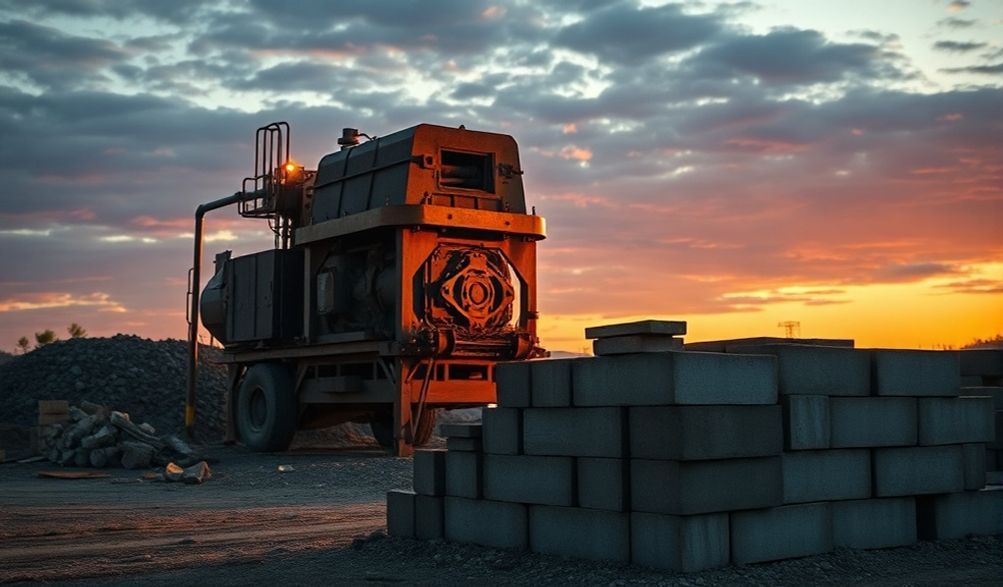
The Ultimate Guide to Diesel Brick Making Machines: Power, Efficiency & Cost Analysis
In the heart of a remote construction site or a bustling production yard far from the grid, a critical challenge emerges: how do you power the machinery that builds the very foundations of your project? Unreliable electricity or a complete lack of three-phase power can bring progress to a grinding halt. This is not a hypothetical scenario for countless builders and entrepreneurs worldwide—it’s a daily operational reality. Enter the diesel brick making machine, a powerhouse of independence. More than just a backup option, these robust units are engineered to be primary workhorses, offering a unique blend of raw power, operational freedom, and formidable durability that electric models simply cannot match in certain conditions.
This comprehensive guide is built on decades of collective industry insight. We move beyond basic specifications to deliver an authoritative, clear-eyed analysis. We’ll dissect how these machines work, quantify their true costs and benefits, and outline their ideal applications. Our goal is to arm you with the knowledge needed to make a confident, informed investment decision, ensuring your brick production or construction business is built on a solid, productive foundation.
Understanding Diesel Brick Making Machines: Core Mechanics & Operation
At its core, a diesel brick making machine replaces the electric motor with an internal combustion diesel engine as its heart. This fundamental shift in power source dictates its capabilities, strengths, and operational considerations. Understanding this core mechanic is key to appreciating where these machines excel.
How Does a Diesel-Powered Brick Machine Work?
The process is a symphony of mechanical and hydraulic force, initiated by a single pull of a cord or turn of a key.
- Power Generation: The diesel engine ignites, converting fuel into rotational mechanical energy. This engine is typically directly coupled to a hydraulic pump.
- Power Transmission: As the engine runs, it drives the hydraulic pump. This pump pressurizes hydraulic oil, creating potent fluid power.
- The Compression Cycle: The high-pressure hydraulic oil is directed via control valves into powerful cylinders. These cylinders drive a ram or platen onto the raw material (soil, cement, fly ash) loaded into a mold box.
- Ejection and Repeat: After applying immense, consistent pressure to compact the material into a dense brick, the hydraulic flow is reversed. The cylinder retracts, and an ejection mechanism pushes the finished brick out of the mold. The cycle then repeats.
The absence of complex variable-frequency drives (common in electric machines) means the power delivery is direct and relentless, perfect for high-density compaction.
ਮੁੱਖ ਭਾਗ ਅਤੇ ਉਨ੍ਹਾਂ ਦੇ ਕਾਰਜ
Every component in a diesel brick machine is built to handle stress and continuous operation.
-
The Diesel Engine: This is the prime mover. Key specs include:
- Horsepower (HP): Ranges from ~12 HP for smaller models to 30+ HP for large block makers. More HP translates to higher pressure and faster cycle times.
- Fuel Efficiency: Measured in liters per hour (L/hr) under load. A well-tuned engine balances power with fuel economy.
- Cooling System: Typically air-cooled for simplicity, though some larger models may use liquid cooling. Critical for sustained operation in hot climates.
-
ਹਾਈਡ੍ਰੌਲਿਕ ਸਿਸਟਮ: The muscle of the machine.
- Pump: Converts the engine’s mechanical energy into hydraulic pressure.
- Cylinders: Act as the linear actuators that apply the pressing force.
- Valves & Manifolds: Control the direction and flow of the hydraulic oil to manage the press and ejection cycles.
-
Mold/Die Assembly: The defining element for your final product.
- Made from high-grade, hardened steel to withstand extreme abrasion and pressure.
- Often interchangeable, allowing one machine to produce different brick types (solid, hollow, interlocking, pavers).
- Can be custom-manufactured to specific size and design requirements.
-
ਫਰੇਮ ਅਤੇ ਬੰਦੋਬਸਤ Constructed from heavy-duty steel plate and channel. Its primary job is to provide absolute stability, absorbing the significant vibrations and forces generated during compaction to ensure brick uniformity and machine longevity.
-
ਕੰਟਰੋਲ ਪੈਨਲ: On semi-automatic models, this features simple, robust levers or buttons to manually direct the hydraulic cycles. The focus is on reliability over complex automation.
Advantages of Choosing a Diesel Brick Making Machine
Choosing diesel is a strategic decision for operational resilience. Here are the compelling advantages that define this class of machinery.
Unmatched Operational Independence and Reliability
This is the paramount benefit. A diesel brick machine liberates your production from the grid.
- It functions flawlessly in off-grid locations, remote infrastructure projects, and rural areas.
- It is immune to frequent power outages, brownouts, or voltage sags that can damage electric motors or halt production entirely.
- Site setup is simplified, as there’s no need to secure expensive three-phase electrical connections or run heavy-duty cabling.
Robust Power and High Production Output
Diesel engines are renowned for high torque, especially at low RPMs.
- This translates to consistent, high-pressure compaction throughout the cycle, producing bricks with superior compressive strength and low water absorption.
- They are exceptionally well-suited for manufacturing dense, high-strength products like solid concrete blocks, heavy interlocking bricks, and paving stones.
- Production output remains steady and predictable, unaffected by the time of day or grid load.
Durability and Lower Long-Term Maintenance
Built for harsh conditions, these machines are inherently tough.
- The core components—engine, hydraulic system, frame—are designed for continuous, heavy-duty use.
- Diesel engines, when properly maintained, often outlast electric motors under similar heavy-load, high-duty-cycle applications.
- Fully manual or semi-automatic models have minimal complex electronics, drastically reducing the risk of electrical failures and simplifying troubleshooting in the field.
Critical Considerations Before You Invest
A trustworthy analysis requires a balanced view. Understanding the full scope of ownership is crucial to determining if a diesel machine is the right fit for your business.
Analyzing the Total Cost of Ownership
Look beyond the sticker price to the lifetime cost.
- Upfront Cost: Diesel machines can have a comparable or sometimes lower initial purchase price than sophisticated electric models with similar output, but this varies by manufacturer and specification.
- ਓਪਰੇਸ਼ਨਲ ਖਰਚੇ:
- Fuel: This is the major variable. Consumption can range from 1.5 to 4+ liters per hour depending on engine size and load. You must calculate based on local diesel fuel prices and projected operating hours.
- Example: A machine consuming 2.5 L/hr running an 8-hour shift uses 20 liters. At a fuel price of $1.20/L, the daily fuel cost is $24.
- ਰੱਖ-ਰਖਾਅ ਦਾ ਖਰਚਾ:
- Routine: Regular oil changes, air, fuel, and oil filter replacements are mandatory for engine health.
- Parts: While durable, components like hydraulic seals, hoses, and eventually engine parts will need replacement. Access to a skilled diesel mechanic is a prerequisite.
Environmental and Operational Factors
Practical planning for the worksite is non-negotiable.
- Emissions & Ventilation: Diesel engines produce exhaust fumes (CO, NOx, particulates). Adequate ventilation in an enclosed space is essential for operator safety. Open yards or well-ventilated sheds are ideal.
- Noise Levels: These machines are loud, often operating between 85-95 dB. Ear protection for operators and nearby workers is mandatory. Consider the impact on residential neighborhoods if operating in peri-urban areas.
- Fuel Storage & Safety: You’ll need secure, approved containers or a small fuel tank on-site, along with strict fire safety protocols.
Matching the Machine to Your Project Needs
The right tool for the right job.
- ਉਤਪਾਦਨ ਸਮਰੱਥਾ: Output is tied to engine power and cycle time. Machines can produce from 300 to over 1,000 bricks per hour. Match this to your project’s demand.
- ਇੱਟ ਦੀ ਕਿਸਮ: Diesel machines excel at producing standard solid blocks, pavers, and interlocking bricks where high density is a key selling point.
- Scale of Operation: They are ideal for medium to large-scale stationary production yards supplying a region, or for major remote projects (e.g., mining camps, rural housing developments) where a large quantity of bricks is needed on-site.
Expert Buying Guide & Top Manufacturer Selection Tips
Your choice of manufacturer is as important as your choice of machine. Here’s how to separate the credible from the questionable.
Essential Specifications to Scrutinize
Do not accept vague promises. Demand precise data.
- Engine Brand & HP: Prefer engines from reputable manufacturers (e.g., Changchai, Deutz, Lombardini, Hatz). A known brand ensures parts and service availability.
- ਸਾਈਕਲ ਸਮਾਂ ਅਤੇ ਆਉਟਪੁੱਟ Ask for verified bricks-per-hour figures for a specific block type (e.g., “6-inch solid block”).
- Maximum Pressure: Rated in tons (e.g., 120 tons). This directly correlates to the potential strength and density of your final product.
- ਮੋਲਡ ਕਸਟਮਾਈਜ਼ੇਸ਼ਨ: Confirm lead times, costs, and the steel specification used for custom molds.
Evaluating Manufacturer Reputation and Support
This is your primary risk mitigation strategy.
- Look for a company with proven, multi-year experience specifically in diesel brick machinery.
- Verify claims: Ask for customer testimonials, videos of machines in operation, and if possible, arrange a visit to an existing client’s site.
- The Deal-Breaker Question: “What is your after-sales service and spare parts structure?” A reliable supplier will have a clear plan for technical support (phone/remote), a stocked inventory of common spare parts (filters, seals, wear plates), and mechanics available for service calls.
- Warranty: Understand what is covered (engine separately? hydraulic system?) and for how long.
Key Questions to Ask Your Supplier
Arm yourself with these questions during negotiations:
- “Can you provide documented fuel consumption data under a standard load, not just at idle?”
- “What is the detailed recommended maintenance schedule, and do you sell service kits?”
- “Do you offer on-site installation, commissioning, and basic operator training?”
- “In the event of a breakdown, what is your average response time for shipping critical spare parts?”
Frequently Asked Questions (FAQ) About Diesel Brick Machines
Q1: Is a diesel brick making machine more expensive to run than an electric one?
It depends heavily on your local utility costs. While diesel fuel has a tangible per-liter cost, electricity—especially three-phase industrial power—can be very expensive or unavailable. Diesel engines also offer higher torque, which can lead to faster cycle times and higher productivity, potentially offsetting fuel costs. You must run a localized calculation comparing fuel consumption against your electric kWh rate.
Q2: Can I use a diesel brick machine for small-scale or backyard production?
Generally, no. Diesel machines are typically over-engineered for very small-scale use. The initial cost, fuel expense, noise, and size make them impractical. For backyard or small-batch production, a manual press or a small single-phase electric machine is a far more cost-effective and suitable choice.
Q3: How noisy are these machines, and are there regulations to consider?
They are very noisy, often requiring hearing protection. Noise levels typically range from 85 to 95 decibels. You must check local municipal ordinances regarding noise pollution, especially if operating near residential areas. Emissions regulations may also apply in some regions, governing where diesel equipment can be used.
Q4: What is the typical lifespan of a well-maintained diesel brick machine?
The structural frame can last decades. The determining factor is the diesel engine. With strict adherence to maintenance schedules (timely oil/filter changes), a quality diesel engine can deliver 10,000 to 20,000+ hours of service. This translates to a machine lifespan often exceeding 10-15 years in active production.
Q5: Do you need a specially trained operator for a diesel machine?
Yes. While the brick-making operation itself may be simple, the operator must have a basic understanding of diesel engine care. This includes daily checks of engine oil, coolant levels, air filters, and recognizing unusual sounds or smoke. Basic hydraulic system awareness is also valuable for spotting leaks or pressure issues.
Conclusion
ਦdiesel brick making machine is not a universal solution, but a specialized powerhouse engineered for demanding, specific conditions. Its value proposition is unequivocal: it delivers relentless, grid-independent reliability and brute-force compaction power essential for high-volume, high-strength block production. While the calculus of ownership must honestly account for fuel costs, emissions, and noise, the investment can be transformative for businesses focused on large-scale projects, remote infrastructure, or establishing production in areas with unstable power.
Your long-term success hinges on two pillars: first, meticulously aligning the machine’s formidable capabilities with the true scale and location of your needs; and second, partnering with a reputable, experienced manufacturer who provides robust, long-term after-sales support. By prioritizing proven performance and lifecycle value over the lowest initial price, you invest in more than just machinery—you invest in the foundational productivity and self-reliance of your construction or brick-making enterprise.
<