
The Ultimate Guide to Paving Bricks Machines: Types, Costs, and How to Choose
ਪਰਿਚਯ
From elegant driveways to bustling public plazas, the demand for durable and aesthetically pleasing paved surfaces is booming. This growth is driven by the construction and landscaping sectors seeking solutions that combine longevity with design flexibility. However, traditional manual brick laying presents significant hurdles: it’s time-consuming, labor-intensive, and often results in inconsistent quality.
Enter the modern solution: the paving bricks machine. This mechanized powerhouse is revolutionizing how interlocking concrete pavers are produced, offering unmatched efficiency and precision. But with a market full of options—from simple manual presses to fully automated plants—choosing the right equipment can be daunting.
This ultimate guide serves as your expert, unbiased resource. Compiled from industry specifications, manufacturer data, and operational best practices, it will equip business owners, contractors, and entrepreneurs with the knowledge to make a confident investment. Choosing the right paving bricks machine is critical for project efficiency, product quality, and your bottom line.
ਇਸ ਵਿਆਪਕ ਪੋਸਟ ਵਿੱਚ, ਤੁਸੀਂ ਸਿੱਖੋਗੇ:
* The core technology and components of these machines.
* A detailed breakdown of types, from manual to fully automatic.
* Key factors to consider for your specific needs.
* A transparent cost and ROI analysis.
* Essential operational and maintenance best practices.
What is a Paving Bricks Machine? Understanding the Technology
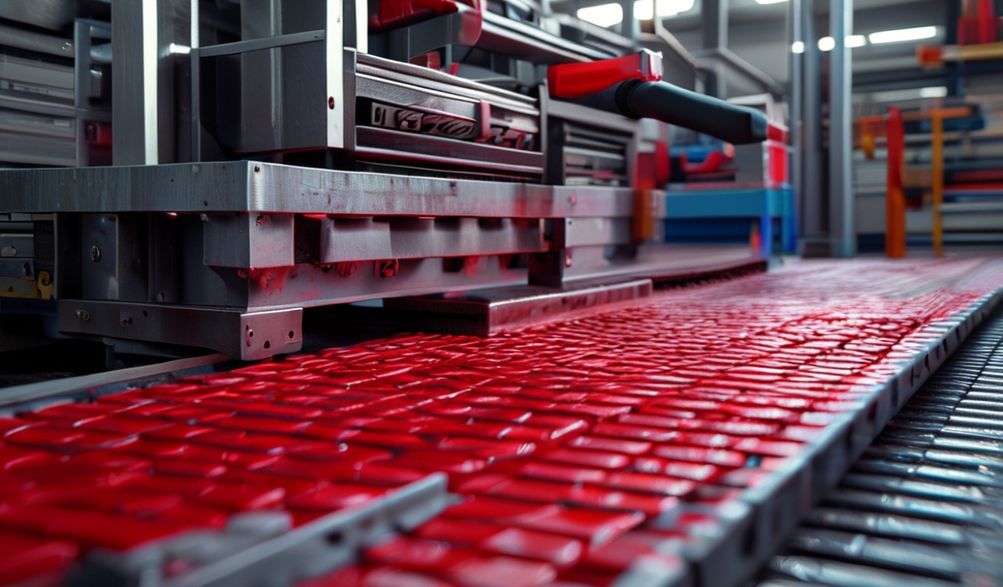
At its core, a paving bricks machine is a mechanized system designed to manufacture interlocking concrete paving blocks (commonly called pavers) with high consistency, strength, and speed. It automates the critical processes of compaction and molding, transforming a raw concrete mix into precise, durable units ready for landscaping and construction.
ਕੋਰ ਫੰਕਸ਼ਨ ਅਤੇ ਆਉਟਪੁੱਟ
The machine’s primary function is to produce uniform paving blocks through a controlled process. While specific steps vary by machine type, the standard production sequence involves:
- ਮਿਕਸਿੰਗ Raw materials (cement, sand, aggregates, pigments) are mixed with water to form a semi-dry concrete mix.
- ਖੁਆਣਾਇਹ ਮਿਸ਼ਰਣ ਮਸ਼ੀਨ ਦੇ ਹੌਪਰ ਵਿੱਚ ਭਰਿਆ ਜਾਂਦਾ ਹੈ।
- ਕੰਪੈਕਟਿੰਗ/ਵਾਈਬਰੇਟਿੰਗ The mix is transferred to a mold where high mechanical pressure and vibration force out air pockets and densely compact the material. This step is crucial for the paver’s final strength.
- ਬਾਹਰ ਕੱਢਣਾ ਅਤੇ ਠੀਕ ਕਰਨਾ: The freshly formed block is ejected onto a pallet or conveyor. It is then moved to a curing area where it gains strength over days before being ready for use.
The result is a product vastly superior to manual methods: consistent dimensions, higher compressive strength, and the ability to replicate intricate designs flawlessly.
ਇੱਕ ਮਾਨਕ ਮਸ਼ੀਨ ਦੇ ਮੁੱਖ ਹਿੱਸੇ
Understanding the main parts demystifies the machine’s operation and aids in maintenance discussions.
- Hopper and Feeder System: The entry point for the raw concrete mix. It regulates the flow of material into the molding chamber.
- Molding Chamber and Mold: The heart of the machine. The mold, often made of hardened steel, defines the shape, size, and pattern of the paver (e.g., herringbone, cobblestone, rectangle). Mold changeover allows production flexibility.
- Hydraulic or Mechanical Compression/Vibration System: This subsystem provides the immense force (measured in tonnes) and high-frequency vibration needed to densify the concrete, ensuring a strong, non-porous block.
- ਕੰਟਰੋਲ ਪੈਨਲ: The operator’s interface. It ranges from simple levers and buttons on manual machines to programmable logic controller (PLC) touchscreens on automatic models, governing the production cycle.
- Pallet or Belt Conveyor System: Handles the movement of freshly pressed blocks out of the machine for stacking and curing, minimizing manual handling.
Types of Paving Bricks Machines: From Manual to Fully Automatic
The market caters to every scale of operation. Your choice fundamentally depends on your target production volume, budget, and labor availability.
Manual or Hand-Operated Machines
These are the most basic type, relying on a lever system to apply pressure.
- ਵੇਰਵਾ: Operated purely by human force. The operator fills the mold, pulls a lever to compress the mix, and then releases the formed block.
- ਸਭ ਤੋਂ ਵਧੀਆ: Extremely small-scale production, hobbyists, community projects, or startups in regions with unreliable electricity.
- ਫਾਇਦੇ:
- Very low initial investment cost.
- ਸਧਾਰਨ ਚਲਾਉਣ ਅਤੇ ਸੰਭਾਲਣ ਲਈ।
- ਬਿਜਲੀ ਦੀ ਲੋੜ ਨਹੀਂ।
- ਨੁਕਸਾਨ:
- Very low output (typically 200-500 blocks per day).
- Physically demanding, leading to operator fatigue.
- Inconsistent quality due to variable human-applied pressure.
Semi-Automatic Paving Block Machines
This category offers the best balance for many small to medium enterprises (SMEs).
- ਵੇਰਵਾ: These machines use an electric motor and hydraulic system to perform the compaction and ejection. The operator’s role is to feed the material and initiate each cycle, often with a button or foot pedal.
- ਸਭ ਤੋਂ ਵਧੀਆ: Small to medium businesses, contractors producing for specific projects, and operations with varied production runs requiring frequent mold changes.
- ਫਾਇਦੇ:
- Significantly higher output than manual machines (e.g., 1,000-4,000 blocks per 8-hour shift).
- Good consistency in block quality and strength.
- More affordable than fully automatic systems while offering substantial efficiency gains.
- ਨੁਕਸਾਨ:
- Requires constant operator attendance for each cycle.
- Output is still limited by the operator’s speed and endurance.
Fully Automatic Paving Bricks Machines
These represent the pinnacle of production efficiency for large-scale manufacturing.
- ਵੇਰਵਾ: These are computer-controlled, integrated systems. They feature automatic material feeding, molding, block ejection, stacking, and pallet handling with minimal human intervention. Many include robotic arms for pallet stacking.
- ਸਭ ਤੋਂ ਵਧੀਆ: Large-scale commercial paver manufacturing plants, government projects, and businesses supplying to major construction firms with high, consistent demand.
- ਫਾਇਦੇ:
- Maximum output (can exceed 10,000 blocks per shift).
- Exceptional and uniform product quality.
- Dramatically reduced direct labor costs per block.
- Often include advanced features like color dosing systems.
- ਨੁਕਸਾਨ:
- Very high initial capital investment.
- Complex maintenance requiring specialized technicians.
- Requires a stable, high-capacity power supply (usually 3-phase).
Mobile vs. Stationary Plants
For mega infrastructure projects, this distinction becomes relevant.
* Mobile Plants: Mounted on trailers, they can be transported directly to a large project site (e.g., a new township, highway). This eliminates transport costs for finished blocks and allows on-demand production.
* ਸਟੇਸ਼ਨਰੀ ਪਲਾਂਟਸ: Set up at a fixed factory location. They are typically more robust and higher-capacity, serving a wider market from a central hub.
Critical Factors to Consider When Choosing Your Machine
Moving beyond basic types, here are the expert-driven, actionable criteria to evaluate your options.
Assessing Your Production Requirements
Start with the fundamental question: What is your target output?
* Calculate based on existing orders, market demand, and business growth projections.
* Consider not just daily output but also the ability to handle peak demand.
* Factor in the variety of paver sizes and designs you plan to offer, as changeover times can affect overall throughput.
Machine Specifications and Capabilities
These technical details directly impact your product and operation.
- Pressure Force (Tonnes): This is a critical spec. Higher pressure (e.g., 150 tonnes vs. 80 tonnes) produces denser, stronger blocks capable of withstanding heavier loads (like vehicular traffic). Match the pressure to the intended use of your pavers.
- ਸਾਈਕਲ ਟਾਈਮ: The time to produce one block or one pallet of blocks. A shorter cycle time means higher hourly output.
- Mold Type & Changeover: Check how easily molds can be changed to switch between products. Quick-change systems minimize downtime and increase operational flexibility.
- ਪਾਵਰ ਦੀਆਂ ਲੋੜਾਂ: Ensure your facility can support the machine’s needs. Semi- and fully-auto machines typically require robust 3-phase power. Diesel options exist for areas with unstable grids.
Quality of Output and Paver Strength
The machine must produce marketable, specification-compliant products.
* The combined pressure and vibration system should produce pavers with high compressive strength, often graded as M35, M40, etc., as per IS 15658 or ASTM standards. This is a key selling point.
* Inspect sample blocks for a smooth surface finish, sharp edges, and precise dimensional accuracy. Poor quality will hurt your reputation.
After-Sales Support and Manufacturer Reputation
This factor is paramount for long-term success and operational peace of mind. Prioritize suppliers who demonstrate trustworthiness through:
* Comprehensive Warranty: Clear terms covering parts and labor for a reasonable period.
* ਸਪੇਅਰ ਪਾਰਟਸ ਦੀ ਉਪਲਬਧਤਾ: A local or easily accessible inventory of wear-and-tear parts (like mold liners, hydraulic seals).
* Technical Training: On-site training for your operators and maintenance staff.
* ਸਰਵਿਸ ਨੈੱਟਵਰਕ: Access to qualified technicians for troubleshooting and repairs. A manufacturer’s willingness to provide references from existing clients is a strong positive signal.
Cost Analysis: Investment, Operation, and ROI
A transparent financial breakdown is essential for sound decision-making.
Initial Purchase Price Range
Prices vary dramatically. Use these as very broad brackets (subject to brand, capacity, and region):
* ਮੈਨੂਅਲ ਮਸ਼ੀਨਾਂ: $1,000 – $5,000
* ਸੈਮੀ-ਆਟੋਮੈਟਿਕ ਮਸ਼ੀਨਾਂ: $15,000 – $50,000+
* ਪੂਰੀ ਤਰ੍ਹਾਂ ਆਟੋਮੈਟਿਕ ਮਸ਼ੀਨਾਂ: $70,000 – $300,000+
Always get detailed quotations from multiple suppliers.
Operational and Hidden Costs
The purchase price is just the beginning. Budget for:
* ਕੱਚਾ ਮਾਲ: Cement, sand, aggregates, and color pigments. This is your largest recurring cost.
* ਮਜ਼ਦੂਰੀ: Wages for operators, maintenance staff, and material handlers.
* Utilities: Significant electricity consumption for motors, hydraulics, and vibration systems.
* Mold Costs: Additional molds for new designs can cost hundreds to thousands of dollars each.
* Maintenance & Spares: Regular servicing and replacement of consumable parts.
Calculating Your Return on Investment (ROI)
A simplified framework to gauge profitability:
ROI Timeframe = (Total Machine Investment) / (Monthly Profit from Paver Sales)
Where Monthly Profit = (Revenue from pavers sold) – (Total Monthly Operational Costs: materials, labor, utilities, etc.).
Factors that accelerate ROI:
* High machine utilization rate (running near capacity).
* Efficient sourcing of raw materials to reduce cost.
* Strong market demand and effective sales channels.
* Minimal downtime through proactive maintenance.
Best Practices for Operating and Maintaining Your Machine
Proper care ensures longevity, consistent output, and operator safety.
Daily Operational Checks
A 10-minute pre-shift routine prevents major issues:
* Check and top up hydraulic oil levels.
* Lubricate all guide rails, pins, and moving points as per the manual.
* Inspect for loose bolts or nuts and tighten them.
* Thoroughly clean the mold, hopper, and feed system after the last shift to prevent concrete buildup.
Routine and Preventive Maintenance Schedule
Adhere to the manufacturer’s schedule, which typically includes:
* Weekly: Check hydraulic hoses for leaks, clean filters, inspect electrical connections.
* Monthly: Change hydraulic oil filters, check pressure settings, calibrate sensors if applicable.
* Annually: A comprehensive overhaul by a qualified technician, including system flushing and major component inspection.
Maintaining a detailed logbook of all checks, services, and part replacements is invaluable.
Troubleshooting Common Issues
Before calling for service, perform these basic checks:
* Poor Compaction/Weak Blocks: Verify material mix (too dry/wet?), check hydraulic pressure setting, inspect vibration motors.
* Surface Cracks: Often caused by an incorrect water-cement ratio in the mix or excessive vibration time.
* Sticking in Mold: Mold may need cleaning, polishing, or a recommended release agent may be required.
Frequently Asked Questions (FAQ) About Paving Bricks Machines
Q1: What is the average production capacity of a semi-automatic paving bricks machine?
A: Capacity varies by model and block size, but a typical semi-automatic machine can produce between 1,000 to 4,000 standard-sized blocks (e.g., 60mm thick) in an 8-hour shift. Factors like operator skill and mold complexity also affect output.
Q2: Can one machine produce different types and sizes of paving blocks?
A: Absolutely. This is achieved by changing the mold. Most manufacturers offer a wide catalog of mold designs. The process can take from 30 minutes to a few hours, depending on the machine’s design. Each new mold is an additional cost.
Q3: How much space is required to set up a small paving block manufacturing unit?
A: For a semi-automatic operation, you should plan for approximately 2,000 to 5,000 square feet. This space needs to accommodate the machine, raw material storage (covered), a curing area (where blocks gain strength for 14-21 days), and storage for finished goods.
Q4: What is the typical lifespan of a well-maintained paving bricks machine?
A: With diligent preventive maintenance and proper operation, a quality machine can last 15 to 20 years or more. The key is following the maintenance schedule rigorously and using genuine spare parts.
Q5: Are there any specific safety precautions for operators?
A: Yes. Safety is non-negotiable. Operators must be trained to:
* Always wear personal protective equipment (PPE): safety glasses, gloves, and steel-toe boots.
* Follow lock-out/tag-out procedures before performing any maintenance or clearing a jam.
* Keep hands and tools clear of moving parts during operation.
* Ensure all safety guards are in place before starting the machine.
Conclusion
Selecting the ideal paving bricks machine is a strategic decision that hinges on a clear understanding of your production needs, budget constraints, and quality aspirations. Whether you’re a startup entrepreneur or a seasoned contractor, the path from manual to automatic offers a solution for every scale.
Remember, the most expensive machine is the one that sits idle due to poor support. Partnering with a reputable manufacturer known for robust after-sales service is as crucial as the machine’s specifications themselves. Invest in thorough operator training—it pays dividends in output, quality, and safety.
Use this guide as your definitive checklist. Your logical next step is to contact several reputable suppliers with your specific production requirements and request detailed quotations, technical specifications, and, if possible, a live machine demonstration.
By making an informed choice, you’re not just buying a piece of equipment; you’re investing in a foundation for growth, enabling your business to meet the demands of modern construction with unparalleled efficiency and profitability.
<