
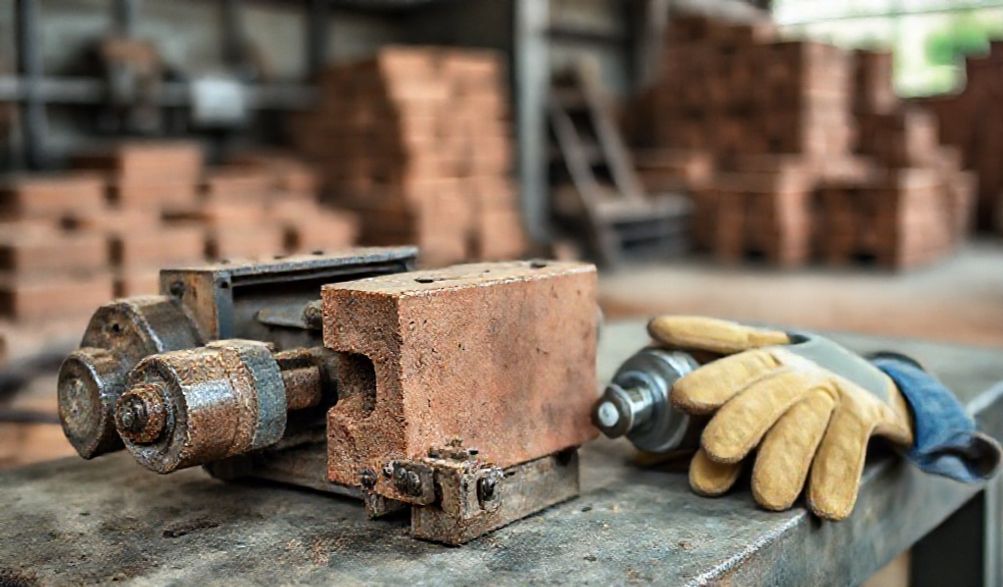
Your Complete Guide to Brick Making Machinery Manuals: Operation, Maintenance & Safety
Have you recently invested in a brick making machine, only to find the manual confusing, incomplete, or missing entirely? You’re not alone. In the busy environment of a brick yard or construction materials plant, that thick booklet can seem like an afterthought—until something goes wrong. Then, it becomes the most critical document on site. The right brick making machinery manual is the definitive line between smooth, peak productivity and costly, frustrating downtime.
This comprehensive guide, compiled from decades of industry expertise and technical documentation analysis, is designed to transform that overlooked booklet into your most powerful tool. We’ll demystify its contents and show you how to leverage every section. Whether you’re an operator, a maintenance manager, or a business owner, understanding your manual is non-negotiable for safety, efficiency, and profitability.
We’ll cover how to decode complex instructions, perform essential maintenance by the book, ensure unwavering operator safety, and source missing documentation. By the end, you’ll be equipped to maximize your machine’s lifespan, optimize output quality, and protect your most valuable assets: your people and your investment.
ਤੁਹਾਡੀ ਇੱਟ ਬਣਾਉਣ ਵਾਲੀ ਮਸ਼ੀਨ ਦਾ ਮੈਨੂਅਲ ਗੱਲਬਾਤ ਤੋਂ ਬਾਹਰ ਕਿਉਂ ਹੈ
Think of the manual not as a “quick start guide,” but as the constitutional document for your machine. It’s the culmination of the manufacturer’s engineering knowledge, testing, and field experience. Ignoring it is an operational and financial risk.
ਸੁਰੱਖਿਅਤ ਕਾਰਵਾਈ ਲਈ ਨੀਲਾ-ਨਕਸ਼ਾ
Above all else, the manual is a safety document. It outlines critical protocols that prevent life-altering injuries.
* It specifies mandatory Personal Protective Equipment (PPE) like safety glasses, hearing protection, and steel-toed boots for specific tasks.
* It details Lockout-Tagout (LOTO) procedures to ensure the machine is de-energized and cannot be started during maintenance or clearing jams.
* It identifies pinch points, crush hazards, and high-pressure hydraulic zones unique to your machine’s design.
ਵੱਧ ਤੋਂ ਵੱਧ ਕੁਸ਼ਲਤਾ ਅਤੇ ਉਤਪਾਦ ਗੁਣਵੱਤਾ
Your machine’s potential is locked behind precise settings. The manual holds the key.
* Mix Ratios: The exact sand, cement, and water ratios for optimal brick strength and cure.
* Compaction Pressure: The correct hydraulic or mechanical pressure settings to produce dense, durable bricks without over-stressing the machine.
* Vibration Frequency & Duration: Critical for removing air pockets and ensuring uniformity in every brick.
* Curing Times: Guidelines that balance production speed with the final product’s structural integrity.
Deviating from these specifications leads to weak, cracked, or inconsistent bricks—damaging your reputation and bottom line.
Preventing Costly Breakdowns and Downtime
Reactive repairs are expensive. Your manual provides the roadmap for proactive, preventive care.
* Scheduled Maintenance Charts: These are not suggestions. They are a timeline for replacing components before they fail catastrophically.
* Lubrication Guides: Specifying the exact type of grease for bearings or oil for the hydraulic system prevents premature wear. Using the wrong type can void warranties.
* Inspection Checklists: Systematic checks for wear on molds, belts, and chains help you plan parts inventory and avoid unplanned stoppages.
Decoding the Key Sections of a Standard Manual
A typical brick making machinery manual is structured logically. Knowing what to find where saves precious time.
Safety Warnings and Operational Principles
- Safety Symbols: Learn to recognize international pictograms for shock, crush, and burn hazards.
- Fundamental Theory: A brief overview of how your machine works—whether it’s hydraulic, mechanical, or pneumatic. Understanding the “why” helps with troubleshooting the “what.”
Step-by-Step Assembly & Installation Guides
Even if your machine is already installed, this section is vital for future moves or upgrades.
* Foundation Specifications: The required concrete strength and bolt patterns to prevent dangerous machine “walking” or misalignment.
* Electrical & Power Requirements: Exact voltage, phase, and amperage needs to prevent motor burnout.
* Initial Calibration: The first-time setup procedures to ensure the machine produces bricks to the specified dimensions from day one.
Detailed Parts Catalog and Exploded Diagrams
This is your sourcing bible. When a part wears out, you need the correct identifier.
* Exploded Views: These diagrams show how every component fits together, essential for complex assemblies like the mold head or hydraulic valve bank.
* Part Numbers: Always reference the manufacturer’s part number (e.g., “Seal Kit for Hydraulic Cylinder, PN# XYZ-123”) when ordering. This guarantees compatibility.
* Common Parts to Know: Familiarize yourself with the diagrams for high-wear items: the mold for brick making machine, mixer paddles, conveyor belts, and hydraulic rams.
Comprehensive Troubleshooting Flowcharts
Your first line of defense when problems arise. A good manual will have logic-based charts.
* Example Flow: Problem: Bricks are cracking.
* Step 1: Is the mix too dry? (Refer to moisture content adjustment).
* Step 2: Is compaction pressure adequate? (Check hydraulic pressure gauge).
* Step 3: Is the vibration time sufficient? (Adjust timer setting).
This systematic approach is far faster than random guesswork.
Essential Maintenance Procedures from Your Manual
Turn the manual’s schedules into actionable tasks. Consistency here pays the highest dividends.
Daily and Weekly Checklists
Daily (Pre-Startup):
* Visually inspect for hydraulic fluid leaks.
* Check and clean the mold faces and pallets.
* Ensure the hopper is clear of hardened material.
* Verify safety guards are in place and functional.
Weekly:
* Check tension on drive belts and chains.
* Inspect electrical connections for tightness.
* Clean dust and debris from motors and cooling fins.
* Top up lubrication in central greasing points.
Scheduled Lubrication Points and Intervals
This is the lifeblood of your machine. Create a wall chart based on the manual’s lubrication map.
* Bearings: Typically require high-temperature grease at intervals measured in operating hours.
* Guide Rails & Slides: Need regular oiling to ensure smooth movement of the mold carriage.
* ਹਾਈਡ੍ਰੌਲਿਕ ਸਿਸਟਮ: Requires periodic checks of fluid level and condition (color, smell). Fluid changes are usually an annual task.
Critical Reminder: Using a non-specified lubricant can break down under high pressure or temperature, causing rapid component failure and invalidating your service agreement.
Seasonal and Annual Overhauls
These are more extensive shutdown procedures for long-term health.
* Replacing Wear Parts: Proactively change items like mixer liner plates, seal kits in hydraulic cylinders, and worn vibration motor mounts.
* System Recalibration: Check and adjust pressure relief valves, vibration amplitude, and feed systems to restore factory specifications.
* Structural Inspection: Tighten all frame bolts, check for weld fatigue, and inspect the integrity of the main compression chamber.
What to Do If You’ve Lost Your Manual
A missing manual is a problem, but it’s solvable. Follow these steps in order.
Contacting the Manufacturer Directly
This is your best and first option. They have the authoritative version.
* Have Your Information Ready: The machine model numberਅਤੇserial number are crucial. These are usually on a metal plate affixed to the machine frame.
* Be Specific: Request the “complete operator and parts manual” for your specific serial number range, as designs can change.
Searching Official Online Portals and Forums
Many manufacturers now host digital libraries.
* Manufacturer Websites: Check the “Support” or “Downloads” section of brands like Zenith, Hamg, or Bess.
* Reputable Industry Forums: Sites like Brick Making Machine Forum or heavy machinery communities often have dedicated sections for technical documentation. Be discerning.
Beware of Unofficial Sources: Ensuring Accuracy
Proceed with extreme caution. An inaccurate manual is more dangerous than no manual at all.
* Version Risks: A free PDF from an unofficial site might be for a different model year, missing critical safety updates or modified parts diagrams.
* Safety First: If you must use an unofficial source, cross-reference every safety and calibration procedure with a certified technician or the manufacturer’s support line before acting on it.
Advanced Tips for Machine Operators and Managers
Elevate your operation from simply using the manual to integrating it into your workflow.
Creating a Quick-Reference Job Aid
Translate the manual’s most frequent procedures into a single-page, laminated sheet posted at the operator station.
* Include: Startup sequence, emergency shutdown, daily checklist, and common mix ratio adjustments.
* Use: Simple language, large fonts, and diagrams or photos.
Logging Maintenance and Repairs
Start a Machine History Logbook.
* Record: Every maintenance task, the date, hours on the machine, parts replaced (with part numbers), and who performed the work.
* Benefit: This log provides invaluable data for predicting future failures, proves maintenance for warranty claims, and increases resale value.
Training New Operators with the Manual
The manual should be the textbook for all formal training.
* Structured Sessions: Don’t just hand it over. Walk through each major section, emphasizing safety and operational principles.
* Practical Testing: Have trainees perform a supervised startup, adjustment, and shutdown using only the manual as a guide.
* Certify Competency: Make signing off on understanding key manual sections part of the onboarding process.
Frequently Asked Questions (FAQ) Section
Q1: Where can I find a brick making machine manual for an older/discontinued model?
Start with the original manufacturer; many maintain archives for legacy equipment. If they cannot help, seek out industry associations or specialized machinery archivists and historians who may have collected such documents.
Q2: My manual is in a foreign language. What are my options?
First, contact the manufacturer to request an official translation. If unavailable, use a professional technical translation service. Avoid generic automated translation tools, as a mistranslation of a safety warning or torque specification can have serious consequences.
Q3: Are digital (PDF) manuals as valid as printed ones?
Absolutely, provided they are the official, unaltered version from the manufacturer. The key is accessibility. Ensure operators can view it easily on the shop floor, perhaps on a tablet in a rugged, protective case.
Q4: How often should I refer to the manual after I’m familiar with the machine?
Regularly. Use it for every scheduled maintenance task, when troubleshooting any new issue, and as a mandatory refresher during annual operator training. Safety and calibration procedures should never be performed solely from memory.
Q5: Can I perform repairs myself using just the manual?
For minor repairs explicitly outlined in the manual—like replacing a filter, a belt, or a simple hydraulic hose—yes. However, for major overhauls of the hydraulic system, electrical controls, or structural components—especially if the machine is under warranty—always engage a certified technician. The manual is a guide, not a substitute for professional expertise in complex scenarios.
Conclusion
Your brick making machinery manual is far more than a booklet that comes in the box. It is the single most important tool for achieving safe, efficient, and profitable brick production. It serves as your safety officer, your master trainer, your maintenance scheduler, and your troubleshooting partner throughout the entire lifecycle of your machine.
The trustworthy advice outlined here always circles back to one principle: prioritize the manufacturer’s official guidelines and do not hesitate to seek certified professional help for complex issues. This protects your team, your investment, and your business’s future.
Call to Action: Protect what matters most. Locate your manual today, review its safety section with your team, and schedule a formal training session. Integrate its maintenance schedules into your planning. For more in-depth guides on optimizing brick production techniques and machinery best practices, explore our library of expert resources.
<