
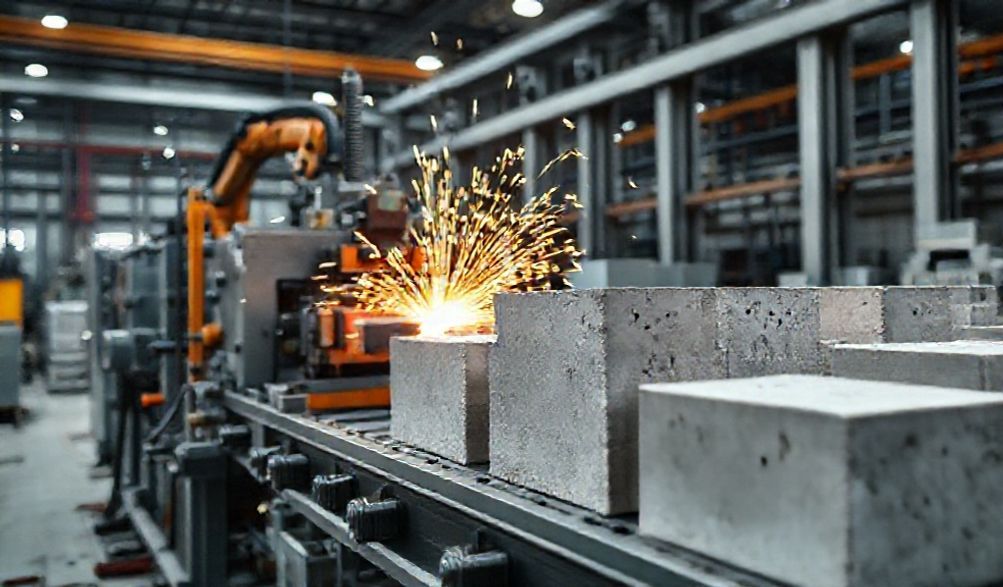
Your Ultimate Guide to Automatic Block Moulding Machines from China’s Leading Supplier: FUDA Brick Machine Factory
ਪਰਿਚਯ
The global construction industry is under constant pressure to build faster, smarter, and more cost-effectively. At the heart of this drive for efficiency lies a critical piece of equipment: the automatic block moulding machine. For contractors, developers, and entrepreneurs looking to establish or upgrade a block production yard, selecting the right machine is a pivotal decision that impacts productivity, product quality, and ultimately, profitability.
With over a decade of experience navigating the global construction machinery landscape, including numerous factory audits and client consultations across Asia, we understand the complexities of this investment. China has undeniably become the world’s workshop for such machinery, offering a compelling blend of technological sophistication and scale-driven value. However, the sheer number of suppliers can make identifying a truly reliable partner a daunting task.
This guide zeroes in on that critical selection process. We will delve into the technical workings of automatic block machines, analyze the advantages of sourcing from China, and provide a rigorous framework for evaluating suppliers. Furthermore, we will put a specific, prominent name under the spotlight: ਫੂਡਾ ਇੱਟ ਮਸ਼ੀਨ ਫੈਕਟਰੀ. Our goal is not to make your decision for you, but to equip you with the expert knowledge and practical checklist needed to conduct your own thorough due diligence, ensuring your investment is sound, secure, and drives your business forward.
What is an Automatic Block Moulding Machine? Core Technology Explained
Moving beyond basic manual or semi-automatic systems, a fully automatic block moulding machine represents the pinnacle of efficiency in concrete product manufacturing. It is an integrated system designed to mix, mold, compact, and eject blocks with minimal human intervention, orchestrating a continuous cycle of production.
The Evolution from Manual to Fully Automatic Systems
The journey has been one of increasing automation and precision:
* ਮੈਨੂਅਲ: Labor-intensive, inconsistent quality, very low output.
* ਸੈਮੀ-ਆਟੋਮੈਟਿਕ Mechanized vibration and compression, but manual feeding and block removal. A step up in output.
* ਪੂਰੀ ਤਰ੍ਹਾਂ ਆਟੋਮੈਟਿਕ The complete package. From raw material feeding to palletized block stacking, the process is controlled by a programmable logic controller (PLC). This maximizes output, ensures uniform quality, and drastically reduces labor costs and physical strain.
ਮੁੱਖ ਅੰਗ ਅਤੇ ਉਹ ਕਿਵੇਂ ਕੰਮ ਕਰਦੇ ਹਨ
ਮਸ਼ੀਨ ਦੀ ਸਰੀਰ-ਰਚਨਾ ਨੂੰ ਸਮਝਣਾ ਇਸਦੀ ਗੁਣਵੱਤਾ ਦਾ ਮੁਲਾਂਕਣ ਕਰਨ ਦੀ ਕੁੰਜੀ ਹੈ:
1. Feeder/Hopper: Precisely meters a consistent volume of dry-mix concrete (sand, cement, aggregate) into the system.
2. Mould Box: The heart of the machine. This high-strength steel mold defines the block’s shape (hollow, solid, paver). Its precision and durability are non-negotiable.
3. Compaction System: Typically a combination of powerful hydraulic pressure and high-frequency vibration. This dual action forces out air pockets, creating a dense, strong block.
4. Pallet Circulation System: A synchronized conveyor system that feeds empty pallets (steel or wooden boards) into the machine, carries the freshly molded blocks out for curing, and returns cleaned pallets to the start. This defines the machine’s cycle time.
ਬਲਾਕਾਂ ਦੀਆਂ ਕਿਸਮਾਂ ਤਿਆਰ ਕੀਤੀਆਂ ਗਈਆਂ
A versatile automatic machine can be fitted with different molds to produce a product line that meets market demand:
* ਹੋਲੋ ਬਲਾਕ: The standard for load-bearing walls, offering strength with reduced weight and material use.
* ਸਾਲਿਡ ਬਲਾਕ: Used for foundations, paving, and where maximum density is required.
* Paving Stones (Pavers): For driveways, walkways, and landscaping, often in various colors and patterns.
* ਇੰਟਰਲਾਕਿੰਗ ਬਲਾਕ: Designed to lock together without mortar, enabling rapid construction of retaining walls and other structures.
Why Source from China? Analyzing the Supply Chain Advantages
Sourcing heavy machinery from China is not merely about finding the lowest price; it’s about accessing a mature, competitive, and innovative industrial ecosystem.
Scale of Manufacturing and Cost-Effectiveness
Chinese manufacturers benefit from unparalleled economies of scale. Concentrated industrial zones dedicated to machinery mean lower costs for raw materials (like steel), components, and skilled labor. This scale translates directly into more competitive pricing for end-users without necessarily sacrificing quality.
Technological Advancement and R&D Investment
The perception of Chinese manufacturing as purely imitative is outdated. Leading factories, including FUDA, invest heavily in R&D. They integrate advanced PLCs from brands like Siemens or Mitsubishi, employ sophisticated hydraulic systems, and continuously refine vibration technology to match—and sometimes exceed—international standards.
Integrated Supply Chains for Parts and Raw Materials
A machine is only as reliable as its parts. Being located within the world’s largest manufacturing hub means suppliers have immediate access to a vast network of component manufacturers (for bearings, motors, hydraulic cylinders, etc.). This integration simplifies production, reduces lead times for spare parts, and fosters continuous improvement.
Evaluating Chinese Suppliers: Key Criteria for Buyers
Based on countless factory visits and client feedback, a successful partnership hinges on verifying these critical areas.
Factory Audit Checklist: What to Look For
Never buy based on a website alone. Insist on a live video tour or, ideally, an in-person visit. Look for:
* Manufacturing Capability: Are they truly manufacturing, or just assembling bought parts? Look for welding bays, CNC machining centers, and assembly lines.
* QC Processes: Are there defined checkpoints? Is there testing equipment (e.g., for hydraulic pressure, vibration frequency)? Are finished machines given a trial run?
Assessing Technical Expertise and R&D Capability
Engage their engineers, not just sales staff. Ask detailed questions about:
* Vibration frequency and amplitude settings for different mix designs.
* Hydraulic system pressure and fail-safes.
* Their process for designing new molds or customizing machines.
Importance of After-Sales Service, Warranty, and Parts Availability
This is where many suppliers fall short. Clarify:
* Warranty: What is covered (parts, labor)? What is the duration (typically 12 months)?
* Support: Do they provide installation supervision and operator training? Is support available via WhatsApp, video call, or email?
* Parts: What is the guaranteed lead time for critical spare parts? Do they provide a recommended spare parts list?
Verifying Certifications and Compliance
Certificates are a baseline indicator of a quality management system. Request clear copies of:
* ISO 9001: For quality management systems.
* ਸੀ ਈ ਮਾਰਕਿੰਗ: Indicates conformity with health, safety, and environmental standards for the European Economic Area. (Note: Verify the authenticity of the CE certificate, as there are different types).
Spotlight on FUDA Brick Machine Factory: An In-Depth Profile
Let’s apply the above criteria to a specific supplier. FUDA Brick Machine Factory has established itself as a recognizable name in the export market for block making machinery.
Company History and Market Position
FUDA presents itself as a manufacturer with years of experience, specializing in concrete block machinery. They market globally, with a significant focus on Africa, Southeast Asia, and the Middle East. Their position is built on offering a range of fully automatic machines that balance automation level with affordability.
Core Product Range: A Look at Their Automatic Block Moulding Machine Models
FUDA typically offers a series of models, often categorized by output and block size. While specific model names may change, their range generally includes:
* Model Example (e.g., FUDA-800): A mid-range workhorse. Might produce 6-8 blocks per cycle (standard hollow block) with a cycle time of 15-20 seconds, leading to an estimated output of 1000-1500 blocks per hour. Often features a 15-25kW power requirement, PLC control, and automatic pallet return.
* Model Example (e.g., FUDA-1200): A higher-output model. Could produce 10-12 blocks per cycle, aiming for 2000-2500 blocks per hour. Likely includes more robust hydraulics, a larger feeder, and sometimes options for automatic color feeding or layer stacking.
(Crucial Note: These are illustrative examples. Exact specifications MUST be verified directly with FUDA for your specific project requirements.)
Manufacturing and Quality Control Processes
FUDA, like many established Chinese factories, operates from a dedicated industrial facility. They typically showcase in-house production of core components like the mould boxes and frames. Their quality control often involves staged inspections: at component reception, during assembly, and a final comprehensive test run with concrete before shipment.
Innovation and Customization
A key question for any buyer is flexibility. FUDA generally offers:
* ਮੋਲਡ ਕਸਟਮਾਈਜ਼ੇਸ਼ਨ: Ability to produce molds for unique block designs specific to your local market standards.
* Peripheral Add-ons: Options like automatic color feeders, block stackers, and pallet stackers to further automate the production line.
* Electrical Compatibility: Ability to configure machines for your local voltage and frequency (e.g., 220V/50Hz, 380V/50Hz, 440V/60Hz).
The FUDA Advantage: Features, Benefits, and Potential Considerations
A balanced assessment is vital for building trust and setting realistic expectations.
Key Technological Features of FUDA Machines
Common features promoted include:
* ਪੀਐਲਸੀ ਕੰਟਰੋਲ ਸਿਸਟਮ: Allows for easy operation, troubleshooting, and adjustment of cycle parameters.
* Proportional Hydraulic System: Provides smooth, powerful, and energy-efficient compaction.
* High-Frequency Vibration Motors: Mounted on the mould table to ensure even density throughout the block.
* Reinforced Structural Frame: Heavy-duty steel construction to withstand constant vibration and ensure long-term stability.
Tangible Benefits for Your Business
- High Productivity: Replacing manual labor with consistent, 24/7 capable automation.
- Labor & Cost Savings: One operator can often manage the entire line, reducing wage bills and dependency on skilled labor.
- Improved ROI: Faster production of consistent, high-quality blocks leads to quicker market sales and a faster return on your capital investment.
Understanding the Logistics: Shipping, Installation, and Commissioning Support
- Shipping: FUDA, like most suppliers, will typically quote FOB (Free On Board) from a Chinese port. You are responsible for sea freight, insurance, and customs clearance in your country. They should provide professional packing and all necessary export documents.
- ਇੰਸਟਾਲੇਸ਼ਨ ਅਤੇ ਸਿਖਲਾਈ Most reputable suppliers offer optional “supervision service.” A technician will travel to your site to oversee assembly, conduct the test run, and train your operators. This is a highly recommended, often critical, additional service.
Realistic Considerations for International Buyers
- Communication: Ensure you have a dedicated, technically proficient contact. Language barriers can be mitigated by using clear diagrams, videos, and simple English in communications.
- Spare Parts Lead Time: Even with good stock, some non-standard parts may have a 30-60 day lead time. Plan your initial spare parts order carefully.
- Local Agent Support: Investigate if FUDA has any after-sales agents or partners in your region who can provide faster local support.
Making the Investment: Steps to Procure Your Machine
Follow this structured process to navigate your purchase smoothly.
Step 1: Define Your Project Requirements and Output Goals
Before contacting any supplier, document:
* Target daily/weekly output.
* Types and sizes of blocks needed.
* Available space, power supply, and raw materials (aggregate size, quality).
Step 2: Initial Inquiry and Technical Discussion with FUDA
Send your project requirements. Engage in a technical dialogue. Ask for:
* A recommended machine model.
* Detailed specifications.
* Videos of the machine in operation.
Step 3: Quotation Analysis and Negotiation Points
Review the proforma invoice (PI) meticulously. It should detail:
* Machine price.
* Spare parts list and price.
* Terms of payment (e.g., 30% deposit, 70% before shipment).
* Delivery time.
* Warranty terms.
* Negotiate on: Spare parts package, supervision service fees, or minor upgrades.
Step 4: Finalizing Contracts, Payment Terms, and Production Timeline
Once agreed, a formal Sales Contract should be signed. Use secure payment methods (T/T, Letter of Credit). Get a confirmed production and testing schedule.
Step 5: Pre-Shipment Inspection and Logistics Coordination
This is non-optional. Hire a third-party inspector or plan to visit the factory yourself to witness the test run before the machine is crated. Coordinate with your freight forwarder for shipping and customs clearance.
Frequently Asked Questions (FAQ)
Q1: What is the typical lead time from order to delivery?
A: For a standard model, expect 30-45 days for production and testing after receiving your deposit. Shipping time varies by destination (e.g., 30-45 days to Africa or the Middle East by sea). Always confirm the specific timeline in your contract.
Q2: How does FUDA handle installation and training for overseas clients?
A: They typically offer a paid supervision service. A technician will travel to your site (you cover visa, flight, and local accommodation) to guide assembly, perform commissioning, and provide hands-on training for 5-10 days. Clarify all costs and inclusions upfront.
Q3: What is the standard warranty, and what does it cover?
A: A standard warranty is often 12 months from the date of shipment or commissioning, covering manufacturing defects in parts. It typically excludes wear-and-tear items (like mould liners, springs), damage from improper operation, or issues caused by incorrect power supply.
Q4: Can FUDA provide client references in my region?
A: A trustworthy supplier should be able to provide contactable references. Ask for 2-3 clients in a similar market who have operated the machine for at least 6 months. Follow up with them to ask about machine performance and after-sales support.
Q5: What are the most common spare parts I should keep in stock?
A: A starter kit should include: Vibration motor bearings, hydraulic seals and hoses, mould liners/wear plates, springs for the pallet system, and a set of commonly used sensors for the PLC. FUDA should provide a recommended list.
Q6: How do I verify FUDA’s certifications and quality claims?
A: 1) Request the certificate numbers and verify them on the issuing body’s website if possible. 2) Ask for a live video tour of the factory floor and the QC process. 3) Insist on a pre-shipment inspection to see the finished machine under power.
Conclusion
Sourcing an automatic block moulding machine from China is a significant strategic decision that requires moving beyond price comparisons to a deep evaluation of manufacturing capability, technical expertise, and long-term support structures. As we’ve outlined, a rigorous supplier audit is your most powerful tool.
FUDA Brick Machine Factory represents a typical example of a capable Chinese manufacturer in this space: they offer a range of automated machines with modern features designed for the export market. Their potential strengths lie in integrated manufacturing, model flexibility, and competitive pricing. As with any supplier, your due diligence—verifying their claims, speaking to past clients, and ensuring robust after-sales agreements—is the final and most critical step.
Use this guide as your framework. Prepare your detailed project specification, ask the hard questions from the checklist, and always, always plan for a pre-shipment inspection. By approaching your investment with this level of informed scrutiny, you significantly increase your chances of forming a successful, profitable partnership that builds the foundation of your business for years to come.
<